
Reviewed · DOLPHIN WATCHING
Faro: Dolphin and Wildlife Watching in the Atlantic Ocean
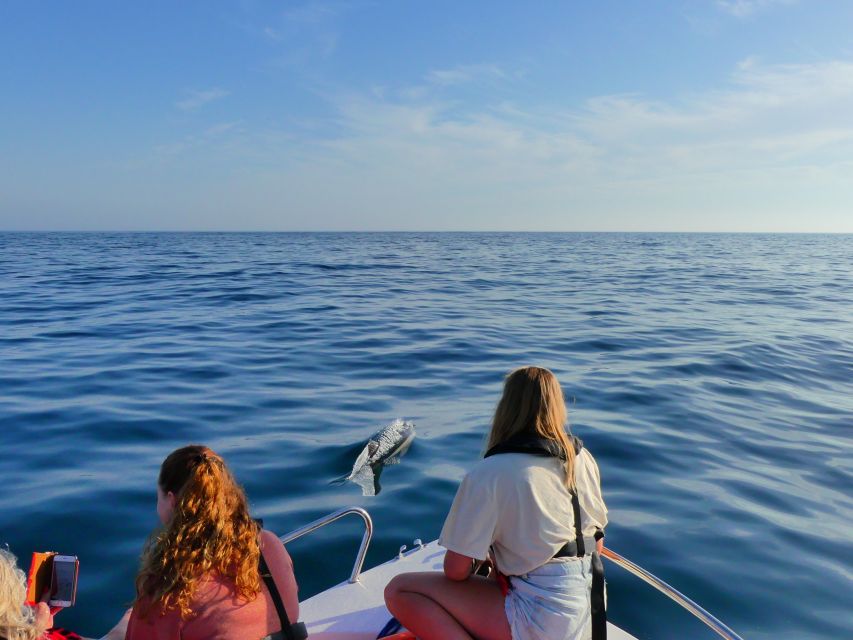
The ocean gives no guarantees, only magic. You cruise out of Faro through Ria Formosa and head toward the open Atlantic to search for dolphins, whales, and other wildlife with marine biologists onboard.
What I really like is the focus on real science. The guides, often featuring names like Miguel, Pedro, Alfredo, Pablo, and Susannah, explain what dolphins do, how researchers track populations, and why watching rules matter.
One consideration: the ride can get rough and wet on windy days, and this tour is not recommended for people with limited mobility or back problems.
In This Review
- Key highlights you should care about
- Faro to the Atlantic: why this dolphin trip feels different
- Finding Ocean Vibes Algarve in Faro harbour
- What the 2.5-hour flow actually feels like
- Ria Formosa crossing: barrier islands and marsh views before the hunt
- Out at sea: how the marine biologists search for dolphins, whales, and porpoises
- The 30-minute wildlife watching window (and why it is structured)
- What you might see beyond dolphins
- Boat ride reality: wind, spray, and that fast-water feel
- Price check: is $76 per person good value?
- Who this tour suits best
- Tips to get the most out of your dolphin spotting day
- Should you book this Faro dolphin and wildlife tour?
- FAQ
- How long is the Faro dolphin and wildlife watching tour?
- Where do I meet the tour in Faro?
- Is a dolphin sighting guaranteed?
- What wildlife might we see on the tour?
- What should I bring?
- What is not allowed during the trip?
Key highlights you should care about
- Marine biologists onboard who teach you what you are seeing and why it matters
- 30 minutes of guided dolphin watching after a group is found (then the rules kick in)
- Ria Formosa views first, cruising toward the barrier islands and marshlands before the Atlantic search
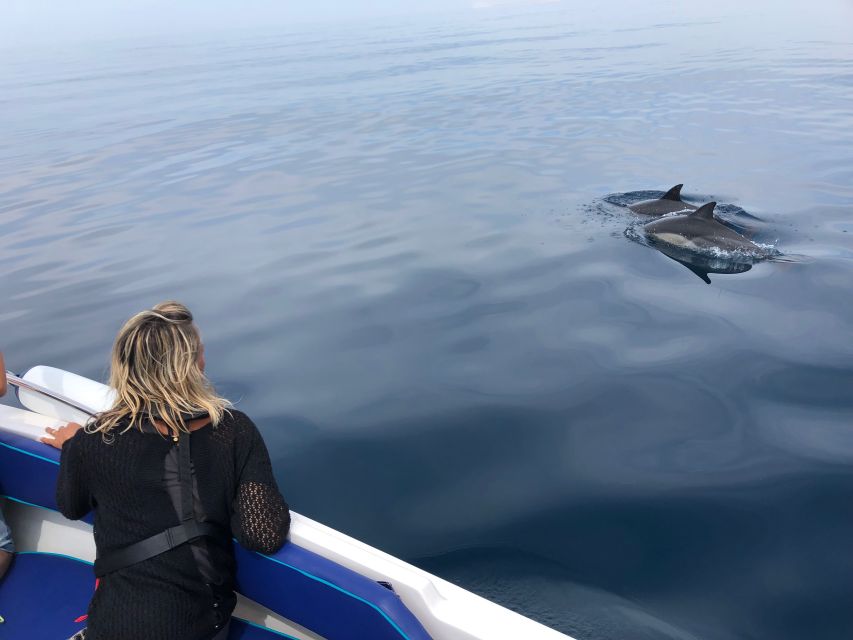
- Cetacean possibilities including dolphins year-round and whales in the Feb to May season
- A true wildlife-focused approach with no feeding, no touching, and careful distance from animals
- Fast, choppy ocean reality which can mean wind in your face, spray, and a sore seat by the end
Faro to the Atlantic: why this dolphin trip feels different
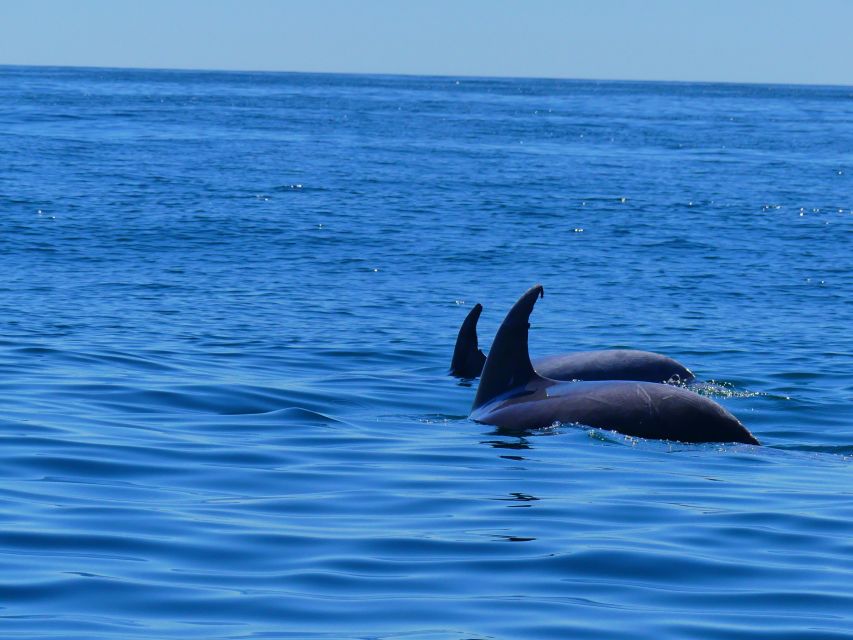
This is not one of those tours where you hover near a harbor hoping for the best. You start in Faro, work your way through the Ria Formosa Natural Park area, then press on toward the Atlantic where you can actually search for cetaceans in their real habitat.
The reason it feels special is simple. You do not just chase sightings, you learn how sightings connect to behavior and conservation. Once dolphins show up, you get a clear, time-limited watching window, and the guides keep things calm for the animals.
And yes, you might come away with more than dolphins. Depending on the season and conditions, you can also spot whales and porpoises, plus seabirds and even shark and turtle species.
More dolphin pods off the headlands:
- Small Group Dolphin and Wildlife Watching Tour in Faro★ 5.0 · 578 reviews
- Dolphin Watching + 2 Islands Tour – From Faro★ 5.0 · 281 reviews
- Faro: Dolphin Watching Boat Tour★ 4.9 · 217 reviews
- Albufeira: 2.5-Hour Benagil Caves & Dolphin Watching★ 4.6 · 10,710 reviews
Finding Ocean Vibes Algarve in Faro harbour
The meeting point is Ocean Vibes Algarve office, look for the shared store with a banner saying Ocean Emotions in Faro harbour or marina.
You should plan to make your own way there. The tour does not include hotel pickup and drop-off, so you will want to give yourself a little buffer for parking or walking, especially if you are combining this with other Algarve plans.
Once you arrive, you will get the safety and trip briefing, including life jacket use. Reviews also highlight that the team explains the rules for watching and approaching wildlife, which matters because it sets expectations for what you will and will not do out at sea.
What the 2.5-hour flow actually feels like
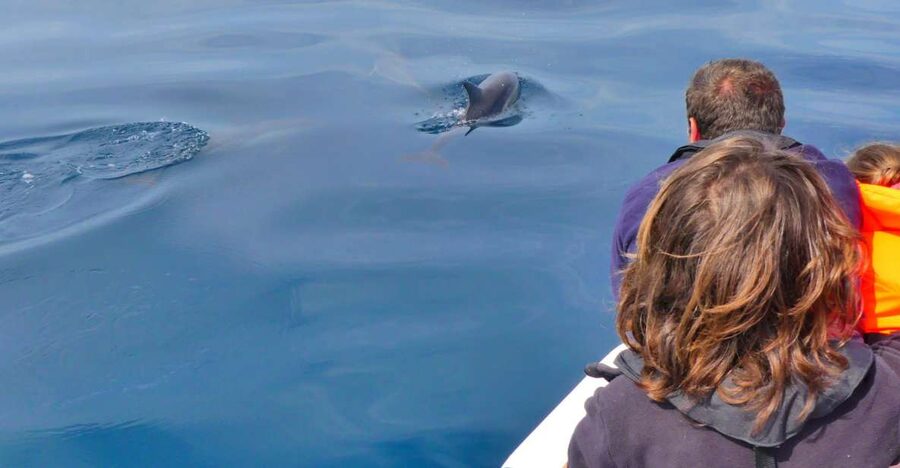
This is a 2.5-hour experience, so it moves. You are not spending all afternoon waiting in one spot. The guides keep repositioning as they look for animals, which is why you sometimes start with time out on the water before anything shows.
A typical rhythm looks like this:
- Cruise out from Faro, crossing the Ria Formosa area
- Continue toward the Atlantic coastline, keeping an eye out for birds and marine life
- Search on the open water for cetaceans, using what the guides can spot from the surface
- When a group is found, you get focused observation time
- Head back toward Ria Formosa and return to Faro
From the reviews, this search can take time. Some people report waiting close to an hour before dolphins appeared. That is normal in wild ocean conditions, and the team’s job is to keep scanning and moving to improve your odds without rushing the animals.
Ria Formosa crossing: barrier islands and marsh views before the hunt
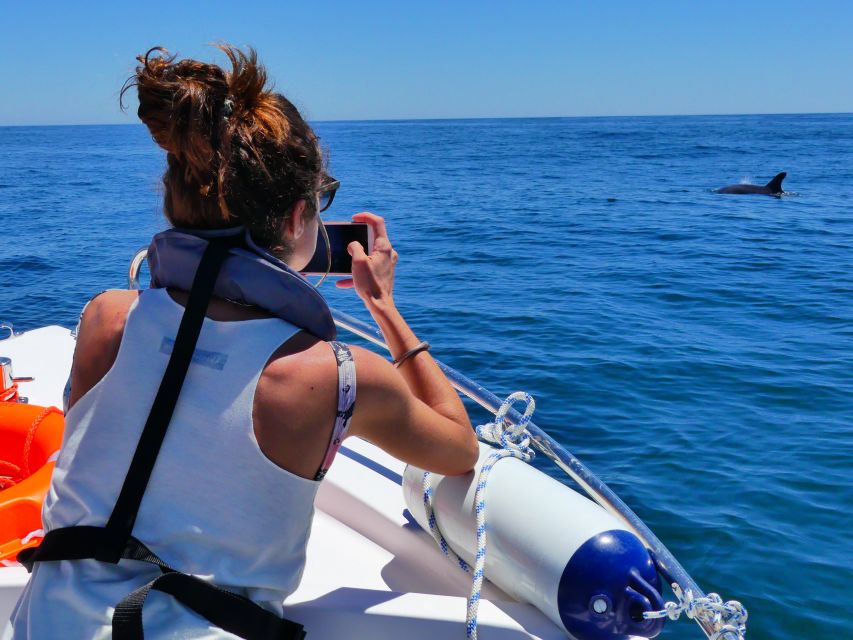
Before the open Atlantic, you cruise through Ria Formosa Natural Park. This is the part that makes the day feel like more than just a quick wildlife dash.
You pass toward the Atlantic while taking in the views over the barrier islands, specifically Deserta and Culatra, and you also see marshlands depending on your route that day.
Even if wildlife sightings are the main event, this segment is still worth paying attention to. You get that gradual shift from sheltered water and scenic shoreline to the bigger, windier feel of the open ocean. You also spot birds along the way, including seabirds like gannets and shearwaters described for this region.
Practical tip: bring your jacket. Wind can feel colder than you expect once you are beyond the harbor protection, even when the day is warm.
Out at sea: how the marine biologists search for dolphins, whales, and porpoises
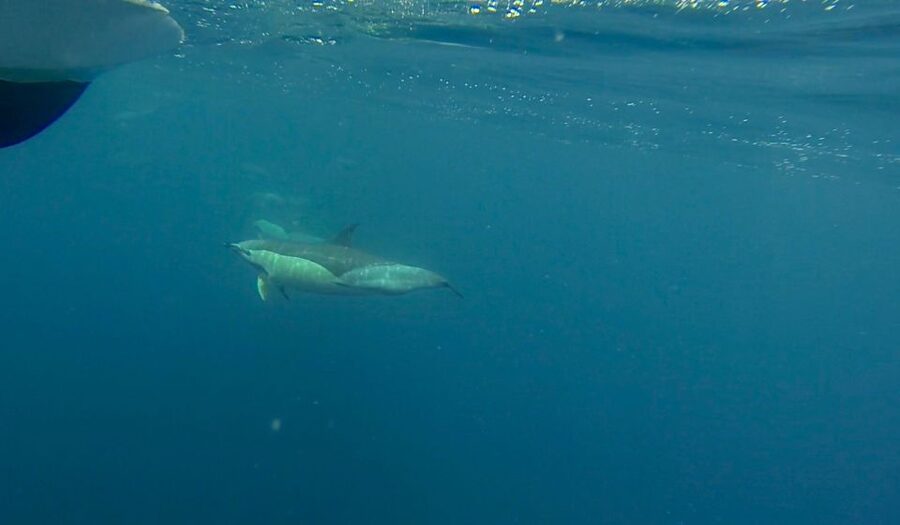
Once you reach the ocean, you are in true search mode. The guides and skippers look for signs like fins and surface activity, then reposition while keeping enough space for the animals to feel safe.
This is where the marine biology part matters. You get explanations that connect what you are seeing to real behavior. People who went on the tour often mention that the guides are serious about respecting wildlife rules, not using tricks, and taking time to check multiple areas instead of “giving up” too quickly.
Seasonality helps. Whale season is between February and May, while dolphins are resident all year round. That means your odds for dolphin sightings are generally better any time you go, but whales can become a real possibility in late winter through spring.
From reviews, you may hear talk of specific species such as common dolphins, bottlenose dolphins, striped dolphins, and whales including fin whales or Bryde’s whales. Those are not guaranteed, but they show the range of wildlife the team sometimes finds.
More Things to Do in Faro
The 30-minute wildlife watching window (and why it is structured)
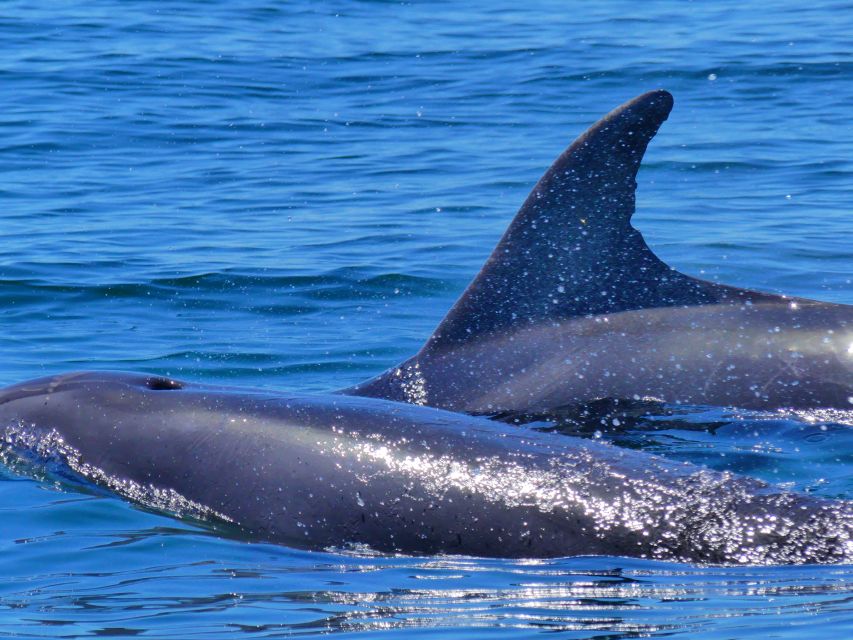
When the guides find a group of dolphins, you do not just race to the railing for a quick photo and move on. You get 30 minutes of free watching time.
That “free” part is nice because you can settle in. You can watch how the dolphins swim, how they surface, and what their group behavior looks like without constant talking or constant repositioning.
The “structured” part is equally important. Multiple reviews mention respect for the observation rule of not stressing one pod beyond the time allowed. You can see the approach as a conservation mindset: the animals get less disturbance, and you get better-quality watching.
A few groups even keep following your boat for part of the return, which creates that extended “wow” moment when you get lucky.
What you might see beyond dolphins
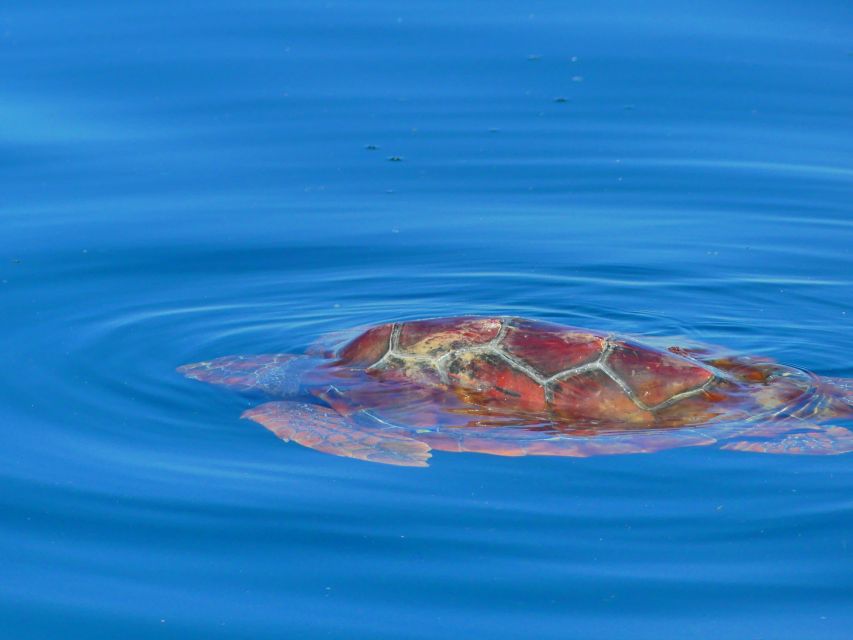
This tour is built around dolphins and wildlife in the Atlantic, but the fun is that it can stack sightings. The guide team looks for cetaceans and also watches for other marine life and birds.
Here are the categories that are specifically part of the experience:
- Cetaceans: dolphins year-round, whales in the Feb to May season, and sometimes porpoises
- Seabirds: gannets and shearwaters overhead
- Fish and marine life: ocean sunfish, blue sharks, hammerhead sharks, plus marine turtles
And from the sightings that people report, you may also see other wildlife not listed in that basic species menu, like puffins, tuna, and even a shark during the trip. The takeaway for you is this: the boat acts like a rolling lookout, not a one-thing-only experience.
Boat ride reality: wind, spray, and that fast-water feel
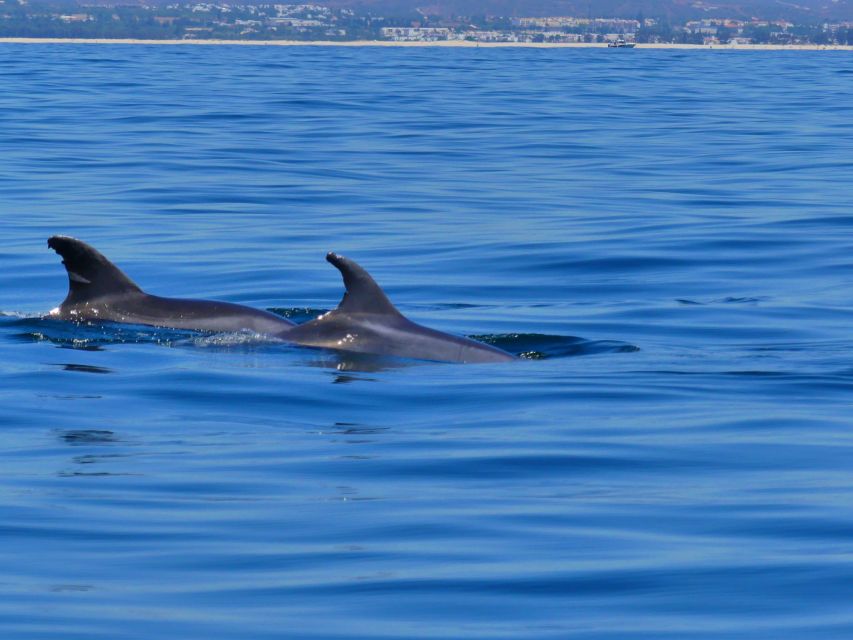
This is where you should manage expectations. Reviews repeatedly mention that the boat can be bumpy, especially once you are out in the Atlantic swell. One person even described the ride as rollercoaster-like when the waves are active.
That does not mean it is unsafe, but it does mean you should prepare. You may get a little bit wet on windy days, so plan to wear or pack a jacket. Comfortable clothes matter more than looking stylish.
One comfort note from the reviews: some passengers say the seats can feel uncomfortable by the end of the trip. Since the tour is only 2.5 hours, that is rarely a deal-breaker, but it is worth knowing if you have a sensitive back or plan to do a long day afterward.
Price check: is $76 per person good value?
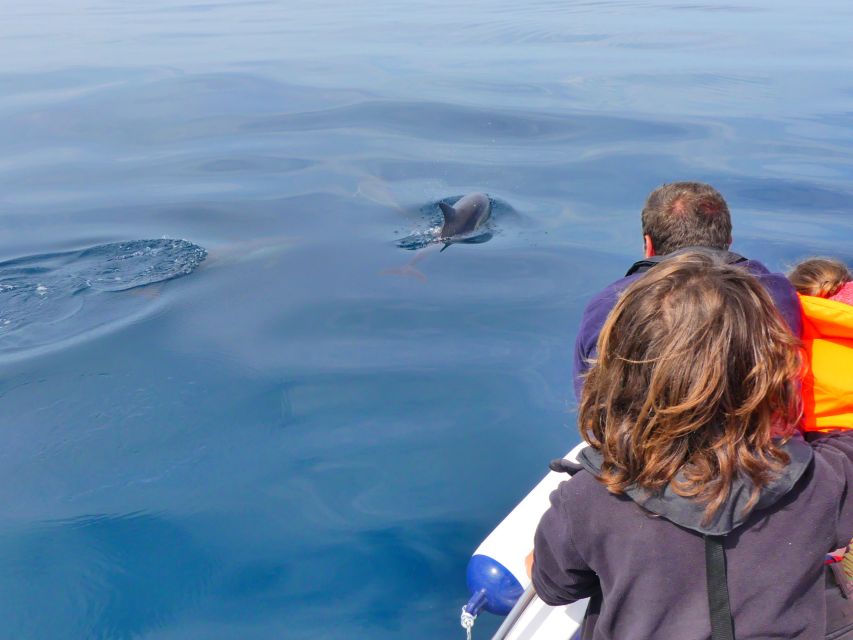
At $76 per person for a 2.5-hour boat tour with marine biologists and life jackets, the value is mainly in the combination of:
- a longer, more meaningful ride beyond the harbor
- guided spotting and explanation from a science team
- a conservation-focused approach with proper wildlife observation time
If you compare this to generic dolphin cruises that offer little education, the biologist-led element is the difference maker. You are paying for expertise and for the searching effort once you are offshore.
Also, the activity is offered with free cancellation up to 24 hours in advance and a reserve now, pay later option, which reduces risk for you if weather or plans change. Just remember that wildlife sighting is not guaranteed, so your best “value move” is choosing a day when you can stay flexible.
Who this tour suits best
I think this is a great fit if you want an actual wildlife experience with education, not a scripted photo stop.
It is especially good for:
- Couples and small groups who like nature, ocean life, and learning
- People who do not mind a bit of wind and spray
- Travelers who appreciate science talk, like how researchers study dolphin populations
It may not be the best choice if you have:
- limited mobility
- back problems
- pregnancy
- children under 2 years
The boat and sea conditions can make movement harder, and the tour is not recommended for those situations based on the provided safety guidance.
Tips to get the most out of your dolphin spotting day
I always treat dolphin tours like this: you are going out for a wild encounter, so prepare for comfort and focus.
Here is what will help you enjoy the experience more:
- Bring water and suncream, even if the day is not blazing hot
- Add a jacket for wind and spray once you hit the Atlantic portion
- Wear comfortable clothes you do not mind getting damp
- Keep your expectations realistic: dolphins are wild and freely swimming, so 100% sighting is not promised
The tour guidance says normally 9 out of 10 tours are successful, which is a strong rate for the ocean. Still, the ocean can throw curveballs. If nothing appears, you still get the boat ride experience, the bird watching possibilities, and the ocean education from the team.
Should you book this Faro dolphin and wildlife tour?
If your priority is dolphins plus real marine biology coaching, I would book it. The combination of Ria Formosa scenery, a guided search into the Atlantic Ocean, and a respectful 30-minute observation window makes it feel like a thoughtful eco experience, not a rushed sightseeing circuit.
I would also book it if you are traveling in Feb through May and you want whales as a meaningful possibility, not just a rumor. And even outside that season, dolphins are resident all year, so your odds for at least one cetacean encounter are generally better.
You might want to think twice only if rough, windy water would be a problem for you, or if you fall into the categories where the tour is not recommended, like limited mobility or significant back problems.
If you are comfortable with ocean conditions and you want to learn while you watch, this is exactly the kind of Faro experience that turns a normal beach day into something you remember.
FAQ
How long is the Faro dolphin and wildlife watching tour?
It lasts 2.5 hours.
Where do I meet the tour in Faro?
Meet at the Ocean Vibes Algarve office in Faro harbour or marina, in a shared store with a banner saying Ocean Emotions.
Is a dolphin sighting guaranteed?
No. Dolphins are swimming freely in the wild, so a 100% sighting rate cannot be guaranteed. The guidance says normally 9 out of 10 tours are successful.
What wildlife might we see on the tour?
You can look for dolphins and possibly whales or porpoises. Birds like gannets and shearwaters may be spotted overhead, and fish and marine life mentioned include ocean sunfish, blue sharks, hammerhead sharks, and marine turtles.
What should I bring?
Bring comfortable clothes, plus water and suncream. On windy days, a jacket is recommended because the wind can feel cold.
What is not allowed during the trip?
No smoking. Pets are not allowed (assistance dogs are allowed). You must not feed animals or touch marine life or other animals.
What Faro sent us most recently
- Faro: City Sightseeing Tourist Train
★ 2.4 · 123 reviews - Faro Airport Private Transfer to Carvoeiro
★ 5.0 · 124 reviews - Eco Boat Tour in the Ria Formosa Lagoon from Faro
★ 4.5 · 129 reviews - 5-hour tour with 3 stops around the islands and beaches of Ria Formosa
★ 5.0 · 130 reviews - Olhão: Ria Formosa 3 Islands Guided Day Trip by Boat
★ 4.7 · 138 reviews - 3-Hour Boat Tour in Ria Formosa on Olhão Algarve
★ 5.0 · 142 reviews - Cork Factory Tour & Cork Shop
★ 4.5 · 150 reviews - Islands Tour: Half Day Cruise in Ria Formosa Natural Park
★ 4.5 · 160 reviews
Dolphin Watching, compared.
Benagil Caves & Dolphin Watching Speed Boat Tour
Read our review →

Dolphins Search and Benagil Caves from Albufeira
Read our review →
Dolphin Watching and Benagil Cave Boat Cruise
Read our review →
Browse the lists this tour appears in