
Reviewed · BRAGA & GUIMARAES TOURS
Guimarães: Castle of Guimarães Entry Ticket
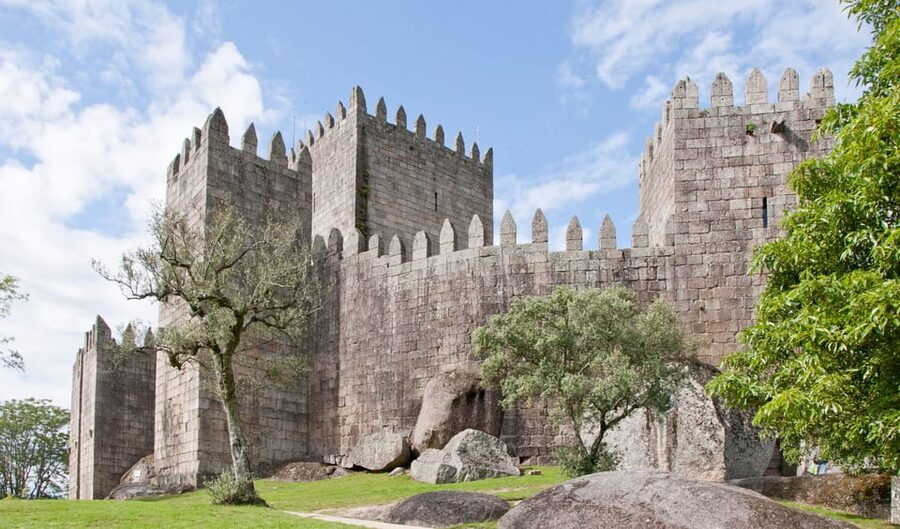
Portugal starts here. The Castle of Guimarães is the birthplace of Portugal, set in a UNESCO site with walls that still feel serious, and you can earn big battlements views over the city. It is one of those places where the stone tells the story, even if you only have a single day.
I also like how straightforward the visit is once you’re inside. You begin at the main entrance, move up toward the tallest structure in the castle, and then work your way around the areas that connect the fortress, the chapel, and the viewpoints. You will get a sense of how people lived here, from power players to ordinary soldiers.
One thing to keep expectations realistic: the castle is not a massive, multi-building theme park. If you want lots of rooms and long museum-style galleries, this can feel simple, and you will rely mostly on walking paths, walls, and open-air sections.
In This Review
- Key highlights you will feel fast
- Why the Castle of Guimarães matters for Portugal
- The self-guided route: main entrance, keep, and the walk between them
- Keep and battlements: where the views actually pay off
- São Miguel do Castelo and Afonso Henriques: the religious core of the fortress
- Exhibits and legends: turning the walls into a story you can remember
- Price and value: a low-cost ticket with built-in context
- Practical details that affect your day
- Who should book this Castle of Guimarães ticket?
- Should you book this entry ticket
- Quick decision checklist
Key highlights you will feel fast
- UNESCO and birthplace significance: This is tied directly to Portugal’s early nation-building story.
- Easy self-guided flow: Start at the entrance, follow the fortifications, and keep moving.
- Keep plus battlements: The tallest structure and the walkable walls make the views worth it.
- São Miguel do Castelo inside the walls: A small Romanesque church linked to Afonso Henriques.
- Exhibits and legends: Useful context for what you are looking at, plus myth-making to keep it fun.
Why the Castle of Guimarães matters for Portugal
The Castle of Guimarães sits in northern Portugal and holds a very specific job in the country’s origin story. It is the birthplace of Portugal, and it helped shape how the nation formed in the early medieval period. The fortress itself dates to the 10th century, so when you stand inside, you are not just seeing a pretty old site. You are seeing early architecture meant for defense, authority, and control.
That context changes how you read what you see. Towers are not just photo spots. Walls are not just scenery. They are the physical language of power at a time when being able to hold ground mattered. If you care about history, this ticket gives you a direct path into that story. If you do not, the viewpoints still do the heavy lifting.
Guimarães is the kind of place where the castle and the town feel connected. You are not traveling to a faraway ruin that leaves you alone with your imagination. Here, the fortress looks out over a living city, which makes it easier to understand how these walls were used, not just admired.
A few more Braga days, taken slowly
- Canyoning Tour★ 5.0 · 230 reviews
- Braga: Tuk Tuk City Tour★ 4.8 · 156 reviews
- Canyoning Tour in Portugal★ 4.9 · 133 reviews
- 3 Wonderful Waterfalls in a Day★ 5.0 · 84 reviews
The self-guided route: main entrance, keep, and the walk between them
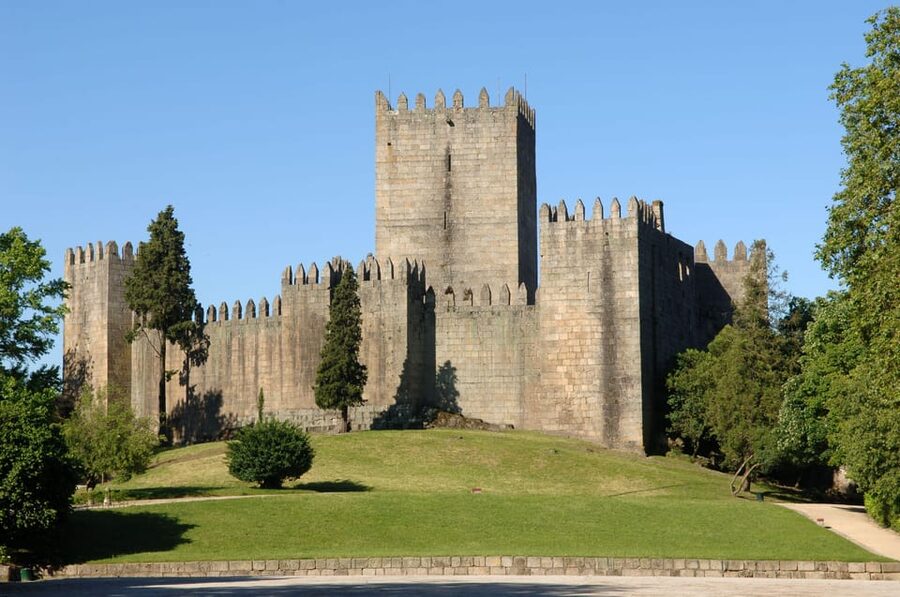
This entry ticket works as a self-guided visit. You pick a time slot based on availability, then you spend your day walking at your own pace. The route is basically a loop that starts at the main entrance and gradually builds toward the higher sections.
Here is the practical order I recommend for most people:
- Start at the main entrance and orient yourself right away.
- Head toward the keep, which is the tallest structure in the castle.
- Work your way through the connected walls and towers.
- Plan a specific stop for the chapel inside the grounds.
- Use the displays to connect the dots, then end with time on the grounds for slower reflection and photos.
Why this order matters: the higher you go, the more you can understand the defensive layout. You can see how the fortress controls sightlines and movement. Then, when you drop your focus back down to the chapel and exhibits, the story feels more grounded.
Because this is not a timed, guided group circuit, you should watch your clock. The castle closes at 6 pm, with last entry at 5:30 pm. If you arrive late, you might spend most of your time simply making it to the right viewpoints rather than enjoying the exhibits and legends.
Keep and battlements: where the views actually pay off
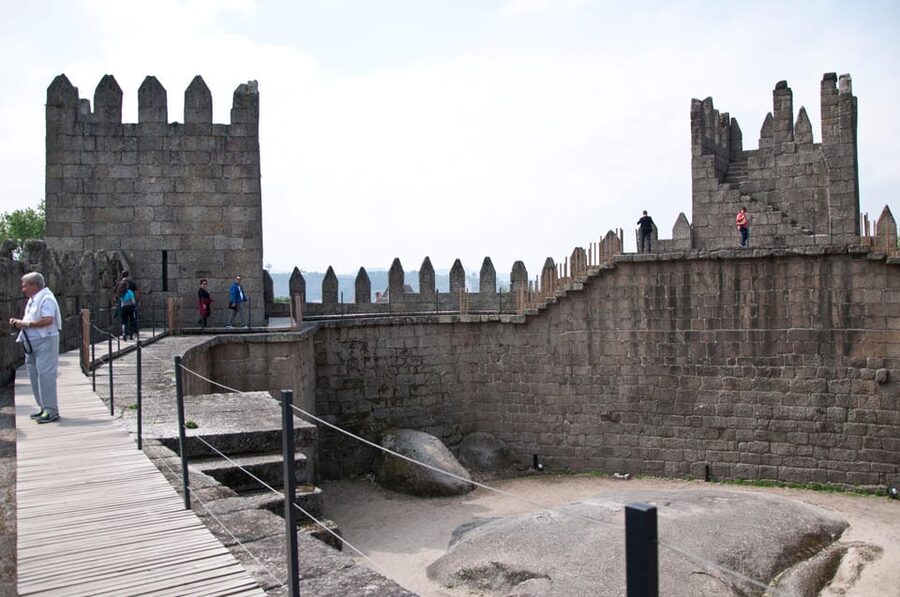
The keep is the starting point for many visitors, and it makes sense. It is the tallest structure in the castle, so it is the first landmark your eyes want to catch. Even if you only spend a short time inside the main structure area, it helps you understand the scale and seriousness of the fortress.
From there, the battlements are the payoff. You can walk or linger near the fortification edges and take in panoramic views of Guimarães and the surrounding region. This is not just about nice pictures. From these vantage points, you can better imagine the castle as a control point. You can sense why walls were built where they were, and why height mattered.
Bring practical expectations. You will be outside for much of the experience, and the walk is part of the value. Comfortable shoes are not a suggestion. Wear something that can handle uneven stones and a bit of uphill movement.
If you like a good view but hate rushing, plan to stop more than once at the battlements. First pass gives you the big-picture panorama. Second pass, later in your visit, lets you compare what you saw from the lower areas and what you learned from the exhibits.
São Miguel do Castelo and Afonso Henriques: the religious core of the fortress
Inside the castle grounds, you will find the chapel of São Miguel do Castelo. It is described as a small Romanesque church within the fortress. This is one of the most interesting stops because it changes the tone of what you are seeing.
A defensive fortress also needs places for ceremony, faith, and legitimacy. The chapel matters because it is believed to be the site where the first King of Portugal, Afonso Henriques, was baptized. That link gives the visit a personal, story-driven feel. You are not only looking at stone walls and military structures, you are connecting the site to a specific early figure in Portuguese history.
One practical note: the chapel is small. That is not a downside, it is part of the charm. You are not stuck in a long, formal museum room. You are stepping into a compact moment of medieval religious architecture inside the defensive shell of the castle.
If you enjoy history that has names and meaning, this chapel is a strong reason to go. Even if you only spend a short time inside the main castle areas, a stop at São Miguel do Castelo gives the visit a clear emotional and historical anchor.
Exhibits and legends: turning the walls into a story you can remember
The castle visit includes informative displays and exhibits. These are not just filler panels. They give you context about the people who once inhabited these walls, ranging from royalty down to soldiers. That kind of range helps you avoid the common trap at historic sites where everything turns into a generic wow.
As you move through the castle areas, the exhibits help you connect:
- what you see in the fortifications,
- where the chapel fits into daily life and authority,
- and why legends got attached to certain corners and moments.
The visit also includes legends and myths associated with the castle. This is a nice balance. Historical facts explain the structure. Myths add color and personality, which is especially helpful if you are visiting with kids or if you get history fatigue in one sitting.
I like this mix because it keeps you engaged even when the layout is not huge. If you find yourself thinking that the castle is small, the exhibits and legends are what can turn it from a quick walk into a more satisfying hour-by-hour experience.
When the light changes over Braga, try these:


Price and value: a low-cost ticket with built-in context
At around $5 per person, this is one of the easier UNESCO-ticket choices in Portugal. The price is low enough that the ticket does not feel like you are buying a checklist item. You are paying for entry to a UNESCO-linked site where the setting, the viewpoints, and the key historical stops are all inside the castle grounds.
What you get included is simple and honest: entry ticket plus a booking fee. There is no personal tour guide included, so you are doing this one at your own pace. For some people, that is ideal. For others, it means you should slow down and actually read the exhibits when you see them.
Here is the value angle I think you should consider:
- If you love viewpoints and medieval architecture, the battlements and keep make the money feel justified quickly.
- If you expect a full-day museum experience packed with rooms and guided explanations, you might feel the time window is tight.
- If you like short, focused visits, this fits perfectly into a day trip plan.
Also worth knowing: residents in Portugal can enjoy 52 days of free entry per year to museums, monuments, and palaces on any day of the week. If you qualify, it can make the value even better.
Practical details that affect your day

Opening hours are Monday to Sunday from 10 am to 6 pm, with last entry at 5:30 pm. Closed dates include January 1, Easter Sunday, May 1, June 24 (city holiday), and December 25.
That closing rhythm matters because the best light for photos often comes later in the afternoon. If you want those battlements views at their best, aim for mid to late afternoon, but still get in with time to enjoy the exhibits and the chapel.
Also, wear comfortable shoes. The tour involves walking, and the castle grounds include uneven stone paths. If you try to do this in soft sandals, you will feel it quickly.
Pets are not allowed, but assistance dogs are allowed. Plan accordingly if you are traveling with an animal.
Finally, the activity is valid for 1 day and is non-refundable. If your schedule is tight, make sure you book a day you can actually commit to.
Who should book this Castle of Guimarães ticket?
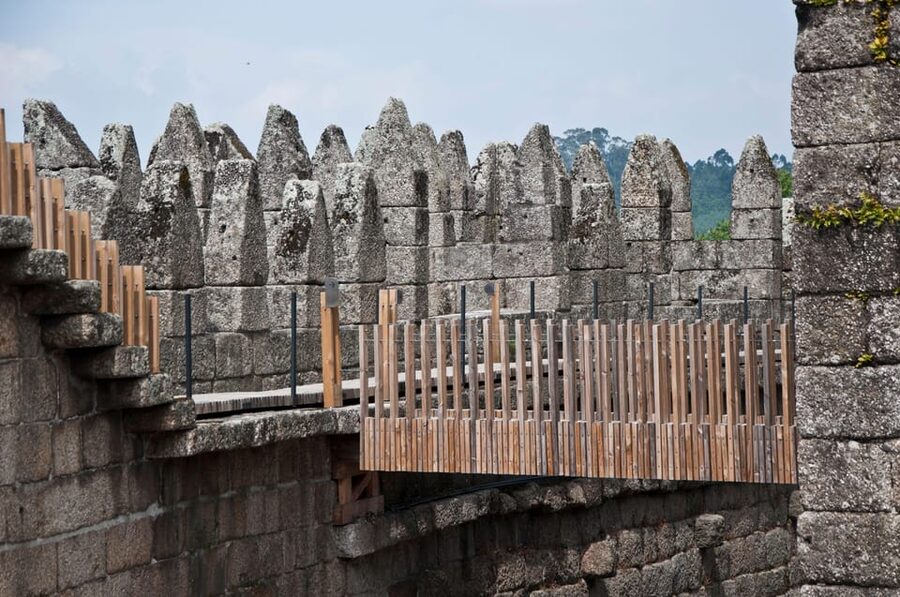
This ticket is best for people who want a focused medieval site with strong meaning. Here is who it tends to suit well:
- History lovers who care about Portugal’s origin story, especially early nation-building.
- Travelers who enjoy panoramic viewpoints and want them built into the route.
- Families who can handle a self-guided visit with a few clear stops, keep, battlements, and the chapel.
- Anyone who prefers an uncomplicated ticket that lets you move at your own speed.
It is less ideal if you are the type who needs a long guided explanation or lots of indoor rooms to stay entertained. The castle’s appeal is structural and outdoor. You are there to walk the walls, take in the views, and make sense of the story through displays and legends.
And if you are the kind of visitor who hates short experiences, you might want to pair it with other things in Guimarães so the day feels complete. The castle is a highlight, but it works best when you connect it to the rest of your day in town.
Should you book this entry ticket
Yes, if you want a low-cost, self-guided way to experience a UNESCO-linked site tied to Portugal’s beginnings. The keep and battlements deliver the views, and the chapel of São Miguel do Castelo gives you a memorable historical anchor through the Afonso Henriques baptism belief.
I would not oversell it as a giant, all-day museum. If you arrive with realistic expectations and good shoes, you will likely finish feeling you got your money’s worth. If you arrive expecting a huge indoor attraction with deep guided storytelling in every corner, you may feel short-changed.
Quick decision checklist
- Go for it if you like medieval fortifications, viewpoints, and short stops with strong historical meaning.
- Skip or adjust expectations if you want lots of room-to-room content or a fully guided experience.
- Book a day you can commit to, since the ticket is non-refundable.
If your plan includes Guimarães anyway, this is a smart, simple add-on that makes the whole town story feel more real the moment you step through the castle gates.
What Braga sent us most recently
- Tree and Slide Adventure in Lamas de Mouro at PNPG
★ 5.0 · 39 reviews - Explore the Portuguese Rome City of Braga
★ 5.0 · 42 reviews - Full-Day Braga & Guimarães Guided Semi-Private Tour with Lunch from Porto
★ 5.0 · 43 reviews - Guimarães: Private Flexible Walking Tour in Historic Center
★ 4.8 · 44 reviews - Guimarães: Palace of the Dukes of Bragança Entry Ticket
★ 4.3 · 44 reviews - Viana do Castelo Horseback Riding Tour with Transport from Porto / Braga
★ 5.0 · 44 reviews - From Porto: Wonders of Braga & Guimaraes Private Day Trip
★ 4.3 · 46 reviews - Water Canyoning
★ 5.0 · 47 reviews
Braga & Guimaraes Tours, compared.



KAYAK TOUR: Descend the Beautiful Lima River
Read our review →
Peneda-Gerês Hiking & Sightseeing: Private Experience
Read our review →Browse the lists this tour appears in