

Reviewed · WORKSHOPS
Lagos: Bake Pastel de Nata – Class in Lagos, Algarve
Pastry making beats another beach day. This Lagos workshop teaches the classic Pastéis de Nata method in a small kitchen setting, with English or Portuguese support and a friendly group vibe. You get to handle the dough, build the filling, and watch your tart turn into that iconic, golden top.
I really like two things here: the step-by-step, hands-on coaching (I kept hearing how much Joana and her co-instructor walk people through, even if you are not a regular baker), and the fact that you leave with a PDF recipe by email so you can recreate it at home. For people who want more than just eating a pastry, this class gives you the how, not just the wow.
One possible drawback: you are paying for instruction and ingredients, not for a huge take-home box. If you are hoping to pack away lots of extra tart(s), plan on enjoying most of what you bake during the session.
In This Review
- Key points before you go
- Why Lagos is a smart choice for Pastéis de Nata
- Inside The Kitchen: guides, kitchen setup, and group mood
- The 2-hour flow: custard, puff pastry, assembly, baking
- What you actually get to do, not just watch
- Taste test and the port-wait moment
- The recipe PDF: how to use it without guessing
- Price and value: is $53 fair for two hours?
- Who should book this Lagos Pastéis class, and who might skip it
- Should you book the Lagos Pastéis de Nata class?
- FAQ
- How long is the Pastéis de Nata class in Lagos?
- What is the maximum group size?
- What languages do instructors speak?
- What is included in the $53 price?
- Do I receive a recipe after the class?
- Are there different starting times?
- Can I reserve and pay later?
Key points before you go
- Small group limit (10 people max) means you get real attention, not generic demos.
- Custard and puff pastry from scratch so you understand how the two parts work together.
- English and Portuguese instruction with patient, clear guidance mentioned across bookings.
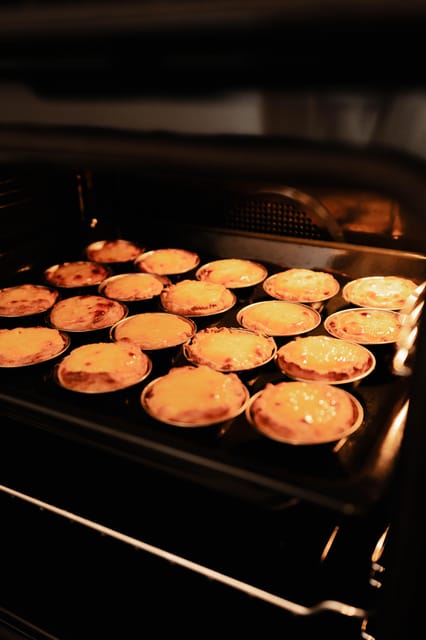
- Fresh-from-the-oven tasting right after the baking finishes.
- Recipe PDF sent by email so you can actually repeat the results at home.
- Social, conversational atmosphere, where meeting other visitors is part of the fun.
Why Lagos is a smart choice for Pastéis de Nata
If you are in the Algarve, you already know Lagos has a lot going for it: old streets, sea breezes, and easy wandering. But this class is a nice switch from the usual food tour pattern. Instead of just sampling pastries and moving on, you spend two focused hours learning how the Portuguese version is put together.
What makes Lagos especially practical is that it is not some out-of-the-way cooking school you have to plan around all day. You can tack this onto a travel rhythm, like an afternoon break from the coast or a rainy-day plan that still ends with something warm in your hands. And because the group is capped at 10, the pace stays human. You are not stuck watching the same steps from across a crowded room.
Also, Pastéis de Nata are one of those foods that everyone thinks they know. You see them in shops everywhere, but making them is a different skill. The class structure matters because you build the process from pieces: a creamy custard component, a puff pastry component, then the final assembly and baking. That order teaches you why the finished tart looks and tastes the way it does.
Finally, I like that this is not presented as food snobbery. The vibe is welcoming. People of different ages and baking comfort levels end up with tarts they feel proud to serve, which is exactly what you want from a hands-on experience.
More custard tarts from your own oven:
- Lisbon: Pastel de Nata Baking Class★ 4.9 · 2,106 reviews
- Porto: Pastel de Nata Cooking Class with Grandma’s Recipe★ 5.0 · 1,565 reviews
- Porto: Pastel de Nata Pastry-Making Workshop★ 4.9 · 1,542 reviews
- Porto: Pastel de Nata Cooking Class with Port Wine – Sé★ 4.8 · 888 reviews
Inside The Kitchen: guides, kitchen setup, and group mood
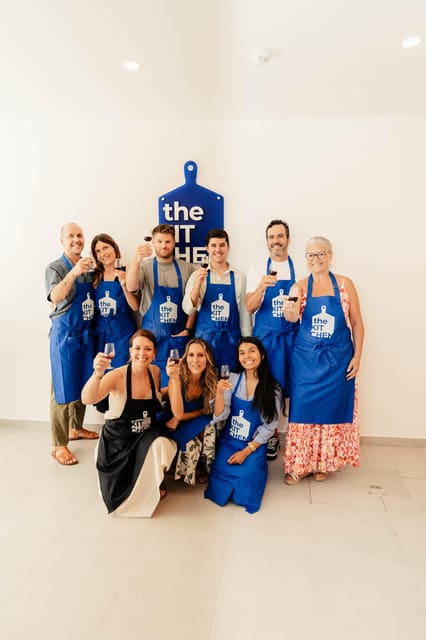
This experience runs with a small-group format, limited to 10 participants. That detail matters more than it sounds. When everyone has their own spot to work, instructors can correct your technique in real time, not after you plate something wrong.
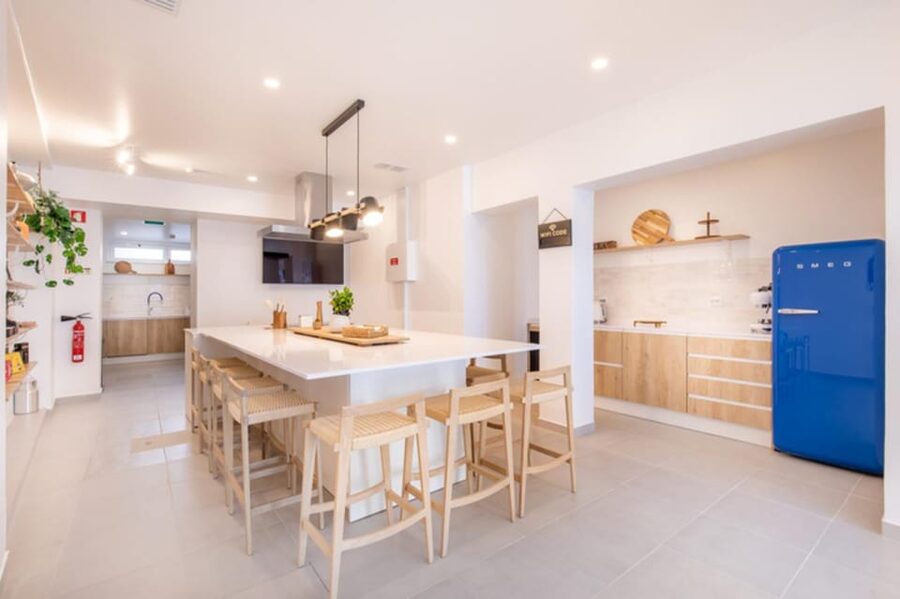
In the classes I am using as a guide for what to expect, the hosting staff includes Joana as a frequent instructor. Other sessions are led by instructors such as Patricia, and sometimes additional helpers join in to make the pace comfortable. You should expect step-by-step guidance, friendly explanations, and a kitchen atmosphere that feels clean and organized. More than one booking highlights that the space is spotless and efficient, which is a big deal when you are handling pastry dough.
Language support is English and Portuguese. That is useful even if your Portuguese is basic, because you can still follow along during technical moments, like mixing, portioning, folding, shaping, and filling. If you worry you will be lost, relax. The instruction approach is described as clear and patient, and people note that it works for beginners.
One more thing: there is an easy social layer. Several bookings mention laughs, group interaction, and conversation with other visitors from Europe and beyond. Expect a relaxed atmosphere where you can chat between steps while the oven does its job. And yes, some sessions include a drink like port while you wait for baking time.
The 2-hour flow: custard, puff pastry, assembly, baking
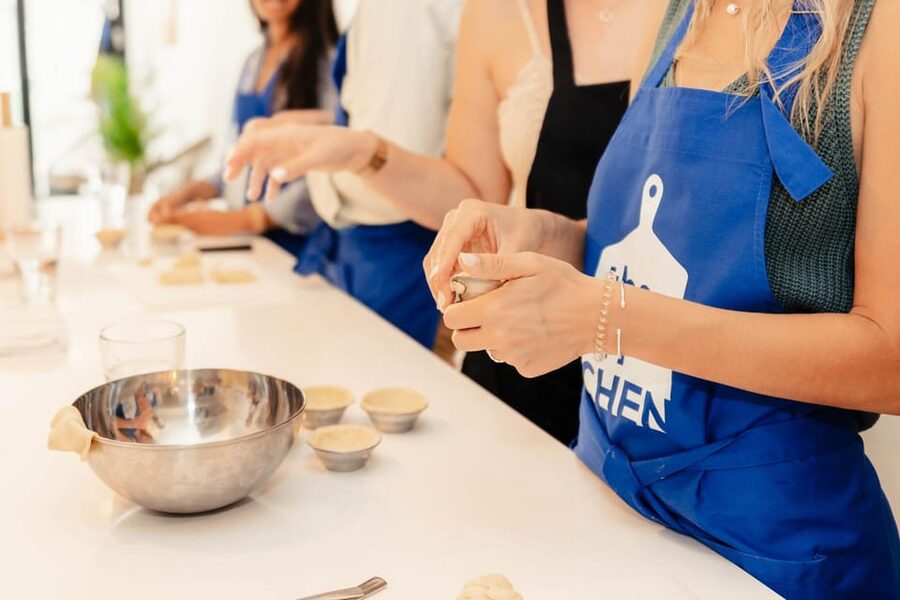
The whole class is built around a simple, teachable workflow. That is what makes it worth it, even if you have never baked before.
First, you focus on the custard filling. You are not just scooping something out of a store container. The class guides you through how to make the creamy component, so you understand the texture and what you are aiming for before it goes into the tarts.
Next comes the puff pastry dough. This part tends to intimidate people, but the format helps. Instead of throwing you into chaos, the instructor breaks it down into manageable steps. You learn what to do and what to look for as you handle the dough. That way, you are not guessing, you are building a mental checklist.
Then you combine the two elements. This is where the class pays off most. Assembly teaches you the balance between pastry and filling, and it sets you up to get that signature result after baking. If you are wondering why some Pastéis de Nata taste great but do not look right, assembly technique is a big reason.
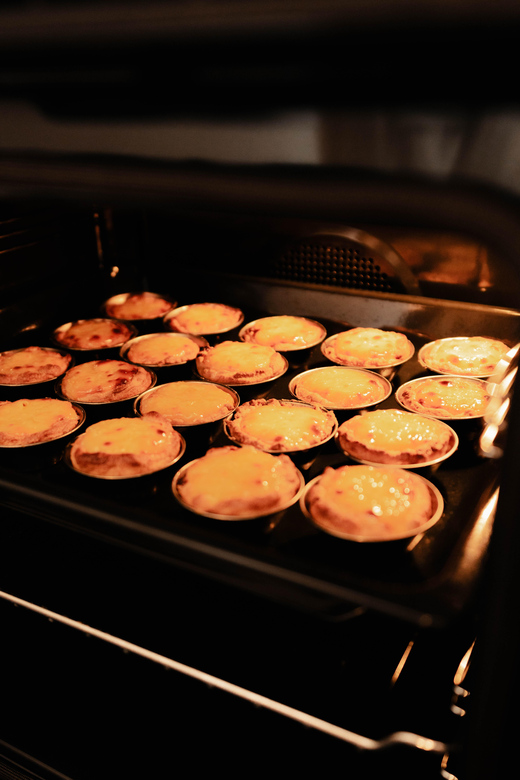
Finally, you bake. Baking time is also your moment to slow down. A few bookings specifically mention port wine during the waiting period, and you also get a break to chat. When your batch comes out, you taste what you made while it is fresh and hot.
One practical note: the class is only two hours. That makes it a great option for a short food experience, but it also means you should not expect long, elaborate side projects. The goal is competence, not a half-day culinary marathon.
What you actually get to do, not just watch
A lot of food classes sell the word experience. Here, the stronger story is hands-on work.
Across bookings, the most consistent praise is about hands-on guidance. People mention that the instructor goes step by step, explains clearly, and actively helps during the process. That usually means you get to do the work yourself, from mixing to shaping to filling, not just stand by while someone else does it.
You also do more than baking mechanics. You are learning how the process connects. For example:
- When the custard is made correctly, it behaves differently during baking.
- When the pastry is prepared the right way, it holds structure and forms the flaky layers you expect.
- When you combine them properly, the finished tart has the look and texture you associate with Pastéis de Nata.
And because the class is small, the instructor can adjust based on your pace. Several bookings mention that the instructors involve everyone and keep the atmosphere warm and entertaining. If you are traveling solo, that social layer can be the difference between a good activity and a genuinely fun afternoon.
There is also a little extra entertainment at the end in some sessions. One booking calls out a game, which sounds simple but helps turn the last few minutes into something memorable, not just a cleanup scramble.
Taste test and the port-wait moment
When the tarts are baking, you get a short breather. In a few bookings, that downtime includes a glass of port wine, which makes sense in Portugal. It also helps the wait feel like part of the experience, not a pause.
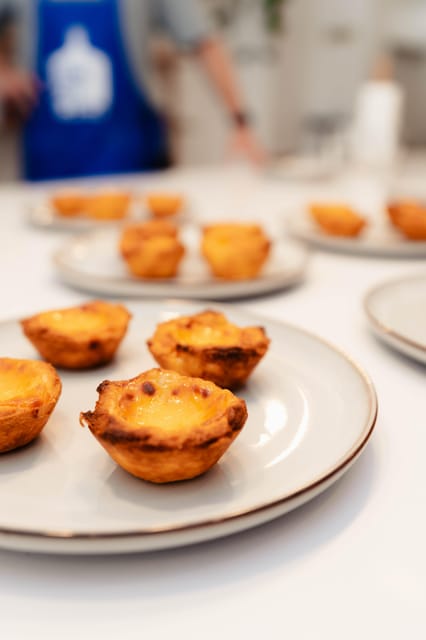
When the pastries come out, you taste them fresh. That matters because Pastéis de Nata are at their best when hot. The custard is set but still creamy, and the pastry texture is at its peak. This is one of those classes where the final product is not an afterthought. It is the reward for sticking with the steps.
If you are a person who usually eats dessert and moves on, this class changes the rhythm. You take your time tasting the differences you helped create. You might even spot issues you could correct next time, like filling too thick in one spot or uneven shaping. That is how you go from tourist pastry buyer to home-cook with a real handle on the technique.
A few more Lagos Portugal days, taken slowly


The recipe PDF: how to use it without guessing
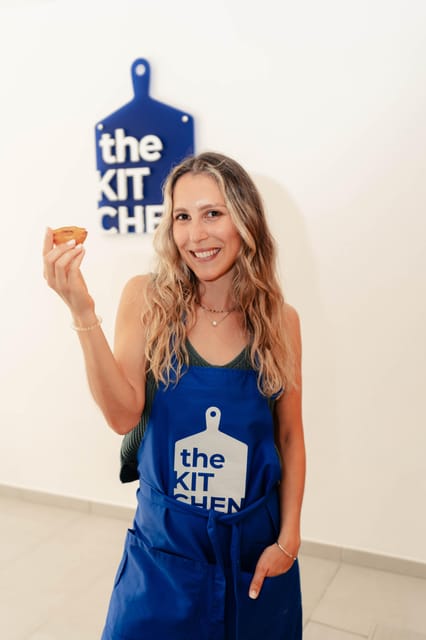
One of the best practical perks here is that after the class, you receive an email with a PDF recipe. That is the part that helps you turn a fun afternoon into something you can reproduce.
Here is how I’d use it, based on how baking classes usually work when they are truly instructional:
- Save the PDF right away to your phone or a kitchen folder.
- Make your first attempt soon, while the texture and steps are still fresh in your mind.
- Treat the PDF as the map, and use your memory for the feel. If something seems off, that comparison is what helps you adjust.
Because the class teaches you the two parts separately, the recipe should give you a clearer framework for what you are making. You are not just following an ingredient list, you are returning to the same logic: custard plus puff pastry, assembled and baked.
Also, some instructors share practical tips about Lagos and even where to find baking tins. If you want to keep the experience going at home, this kind of advice is useful because the right tin can make things easier. You do not need special gear to start, but having the right setup can reduce frustration.
Price and value: is $53 fair for two hours?
Let us talk money, plain and practical. The price is listed at $53 per person for a two-hour class.
On its face, that can feel like a lot if you compare it to buying a pastry in a shop. But cooking classes are not really priced like menu items. You are paying for:
- All ingredients and cooking tools used during the workshop
- An instructor to guide you through timing, technique, and troubleshooting
- A finished product that you taste fresh at the end
- The follow-up recipe PDF so you can repeat the results later
So the value depends on what you want. If you just want something sweet to eat, you could likely spend less elsewhere. But if you want a skill you can take home, $53 starts to look more reasonable. It is basically paying for a short, structured mentorship where you practice the method yourself.
The balance to watch is take-home expectations. One booking specifically mentions wanting more pastries to take away, and that can be the main mismatch for some people. This class is designed around making and tasting what is baked in the session. If that works for you, the price feels more fair. If you want leftovers, it might feel tight.
Overall, with a small group size and step-by-step instruction, I think the price is aligned with what you get. Just go in knowing it is a class, not a buffet.
Who should book this Lagos Pastéis class, and who might skip it
This is a good fit if you:
- Love Portuguese food and want more than tasting
- Want a beginner-friendly cooking class with clear guidance
- Like meeting people while you work, not just sitting in a lecture
- Plan to bake at home and actually use a recipe afterward
It can be less ideal if you:
- Are hoping to take home lots of pastries, because the session focuses on baking and tasting during the class window
- Prefer passive experiences where you watch and do not handle dough
- Are looking for a long, multi-course meal experience rather than a skills-focused workshop
If you are traveling as a family, there are bookings that describe success even with kids. The instructions and hands-on pace seem to work well when you can follow directions and enjoy cooking as an activity, not just a task.
And if you are solo, this one can be surprisingly rewarding because you are grouped with up to 10 people and spend the time doing the same steps. That shared action creates natural conversation.
Should you book the Lagos Pastéis de Nata class?
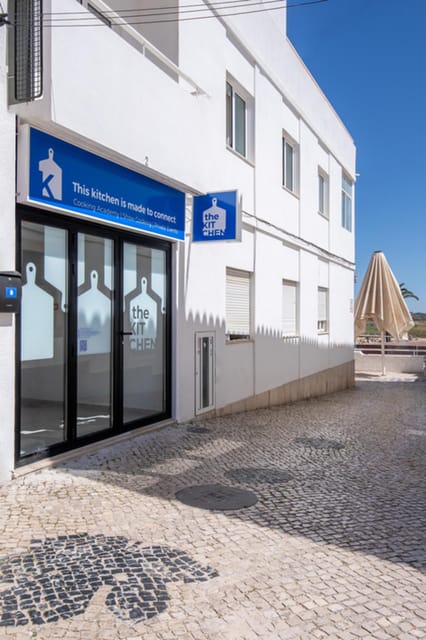
I would book it if you want a genuinely practical food experience in Lagos: you learn how the pastry and custard components work together, you taste a fresh result you made yourself, and you get a recipe PDF to try again at home.
Skip it only if your main goal is to load up on take-away dessert or if you dislike hands-on cooking tasks. Otherwise, this class is one of those rare travel activities where the final bite matches the effort, and the next time you make Pastéis de Nata, you will know exactly why they turned out the way they did.
FAQ
How long is the Pastéis de Nata class in Lagos?
The class lasts 2 hours.
What is the maximum group size?
The workshop is a small group limited to 10 participants.
What languages do instructors speak?
Instructors teach in English and Portuguese.
What is included in the $53 price?
All ingredients and cooking tools needed to make Pastéis de Nata are included. You also get to enjoy the freshly baked pastries at the end.
Do I receive a recipe after the class?
Yes. After the experience, you receive an email with a PDF of the recipe.
Are there different starting times?
Starting times vary, so you need to check availability to see what is offered.
Can I reserve and pay later?
Yes, you can reserve now and pay later, with the option to book your spot and pay nothing today.
What Lagos Portugal sent us most recently
- Lagos: Algarve Coasteering and Snorkeling Adventure
★ 5.0 · 126 reviews - FUN & CHILL – GOLDEN COAST SAILING TOUR
★ 4.9 · 132 reviews - Bottom Fishing Lagos
★ 4.8 · 141 reviews - Lagos: Old Town, New Town, and Beaches Tuk Tuk Tour
★ 5.0 · 146 reviews - From Lagos: 2.5-Hour Guided Coastal Boat Tour & Grotto Visit
★ 4.8 · 161 reviews - From Lagos: Kayak Experience in Ponta da Piedade
★ 4.8 · 168 reviews - Algarve: Lagos Sightseeing guided Tour with e-bikes
★ 4.9 · 174 reviews - Lagos: Sunset Sail aboard a Traditional Boat with Prosecco
★ 4.7 · 286 reviews
Workshops, compared.
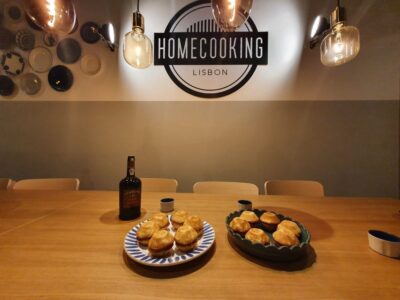
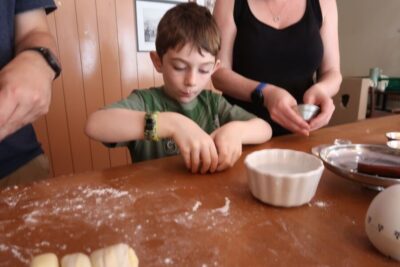
Pastel de Nata Cooking Class with Grandma’s Recipe
Read our review →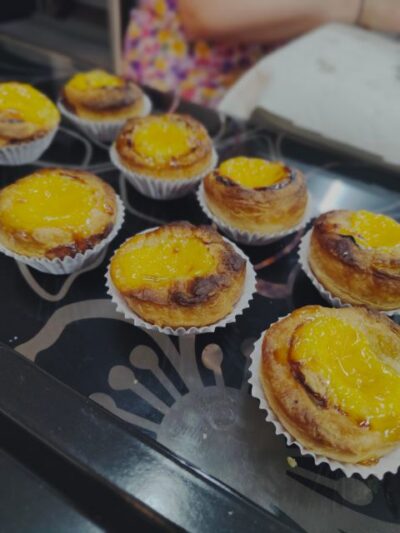

Tile Painting Workshop with Porto Wine – Sé do Porto
Read our review →
Pastel de Nata Cooking Class with Port Wine – Sé
Read our review →
Browse the lists this tour appears in