
Reviewed · STREET ART
Lisbon 3-Hour Street Art Tour
If Lisbon has a second language, it is on the walls. This 3-hour street art tour lets you read it, piece by piece, with real neighborhood context and a guide who explains what you are looking at.
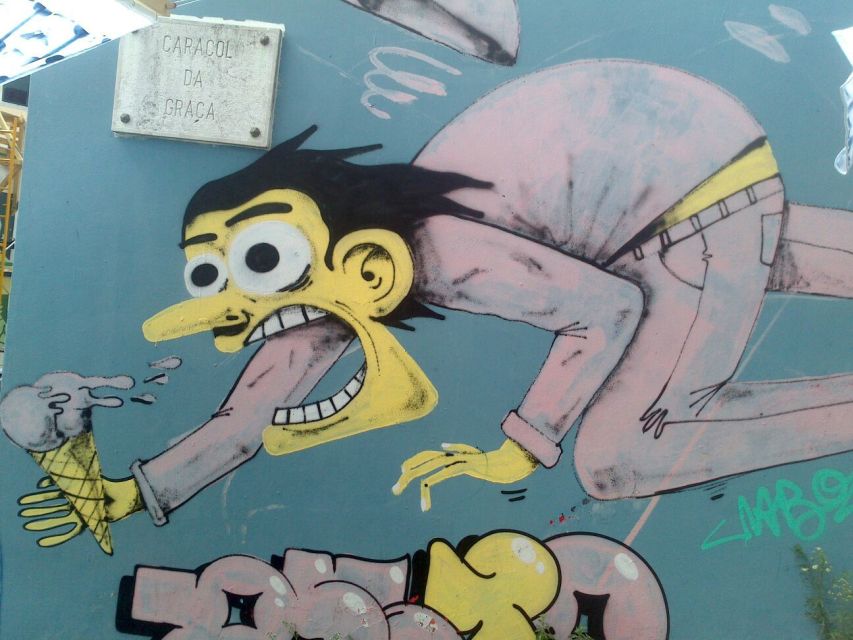
I like that the tour focuses on Mouraria and Graça, where you see street art tied to renovation and everyday life, not just random pictures on buildings. I also like the storytelling, because you are not just spotting tags and stencils, you are hearing the ideas behind each work, including social and political messages and tributes to Portuguese personalities.
One thing to plan for: it is a walking tour with hills, stairs, and a fairly quick pace. Wear comfortable shoes and bring water, and skip it if mobility is an issue or if you rely on non-folding wheelchairs or strollers.
In This Review
- Key highlights I would prioritize
- Lisbon Street Art, Explained the Way You Actually Notice It
- Where You Meet in Martim Moniz (and How Not to Waste Time)
- Mouraria and Graça: The Neighborhoods That Make the Art Make Sense
- What You Will See: Tags, Posters, Stencils, and Big Murals
- The Guide Factor: Turning Walls Into a Narrative
- The Messages You Will Catch, Even If You Usually Skip Them
- The Walk Itself: Hills, Stairs, Views, and a Quick Three Hours
- Ending at Vhils: Why the Finish Matters
- Price and Value: Is $33 Worth It?
- Who Should Book This, and Who Might Be Happier Elsewhere
- Quick Practical Tips Before You Go
- Should You Book Lisbon’s 3-Hour Street Art Tour?
- FAQ
- How long is the Lisbon Street Art Tour?
- How much does the tour cost?
- What language is the live guide available in?
- Where is the meeting point?
- Which neighborhoods does the tour cover?
- What kinds of street art should I expect to see?
- Where does the tour end?
- Is food or drinks included?
- What should I bring, and can I bring luggage?
- Is it suitable for mobility impairments or strollers?
- What is the cancellation policy?
Key highlights I would prioritize
- Martim Moniz meetpoint by the soldierheads, bullets, and helmets monument near Hotel Mundial makes it easy to find.
- Guide-led stories connect the street art to people, politics, and neighborhood change.
- A mix of techniques including tags, posters, and stencils, plus larger mural works.
- Mouraria and Graça give you variety in styles and street-level energy.
- Ends at a Vhils mural, a strong finish that feels like a payoff.
- Last-stop logistics matter, since the tour does not simply loop back to where it starts.
Lisbon Street Art, Explained the Way You Actually Notice It
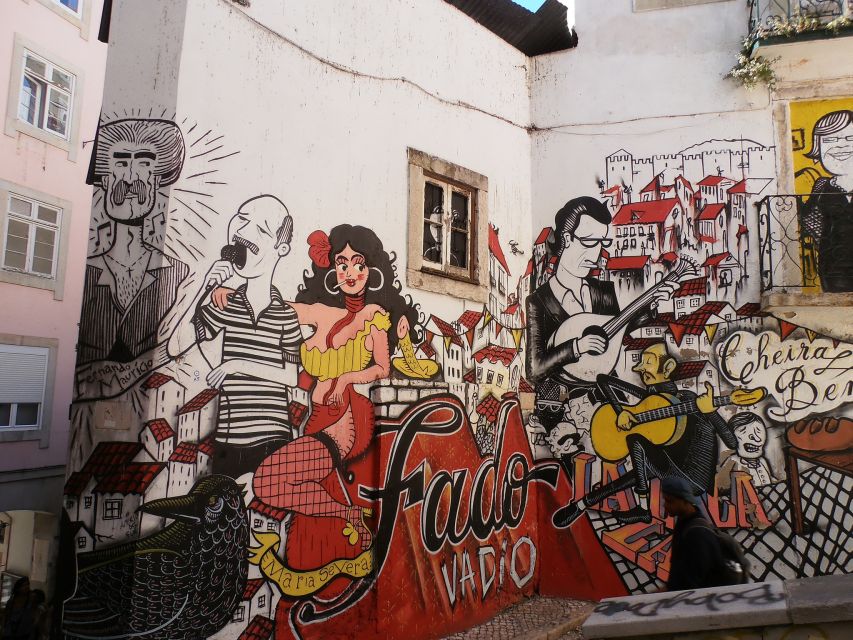
Lisbon street art works best when you have a guide who can slow you down for the right moments. This tour is built for that. You walk through famous neighborhoods, but the point is what you see on the walls and the logic behind the artwork, from technique to meaning.
A big part of the value is how the tour treats the walls like a map. Instead of scanning for the biggest mural, you learn what to look for: tags versus stencils, posters versus layered murals, and how artists use location as part of the message. Many pieces carry social or political themes, and some memorialize Portuguese figures you might otherwise miss.
You also get a sense of how street art fits into Lisbon’s renovation conversations. In Mouraria and Graça, you are not only seeing art as decoration. You are seeing it alongside projects helping older parts of the city regain momentum.
A few more Lisbon days, taken slowly
- Lisbon: Street Art Tour★ 4.9 · 1,324 reviews
- Lisbon: Kickstart Street Art Walking Tour★ 4.9 · 717 reviews
- Lisbon: Street Art Tuk Tuk Tour★ 4.9 · 372 reviews
- LISBON Street Art Tour★ 5.0 · 371 reviews
Where You Meet in Martim Moniz (and How Not to Waste Time)
The meeting point is in Martim Moniz square, at the statue or monument with soldierheads, bullets, and helmets. The square sits near Hotel Mundial, and you will see the team holding a board for the Lisbon Street Art Tour.
This is the kind of start that saves your vacation. If you show up a few minutes early, you can keep your head clear and start walking without the usual first-ten-minutes scramble. If you are navigating by metro, the info you have includes the green metro line in that area, which is helpful for getting oriented fast.
One practical note that matters for your planning: the tour ends at a mural by Vhils, not back at the initial meeting square. So it is smart to think about where you want to go next for lunch, a coffee, or a view.
Mouraria and Graça: The Neighborhoods That Make the Art Make Sense
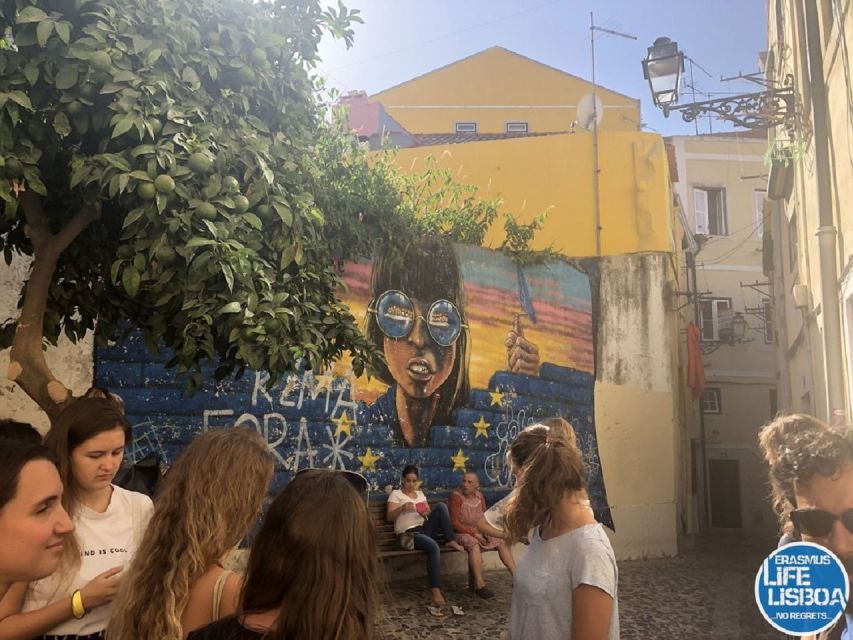
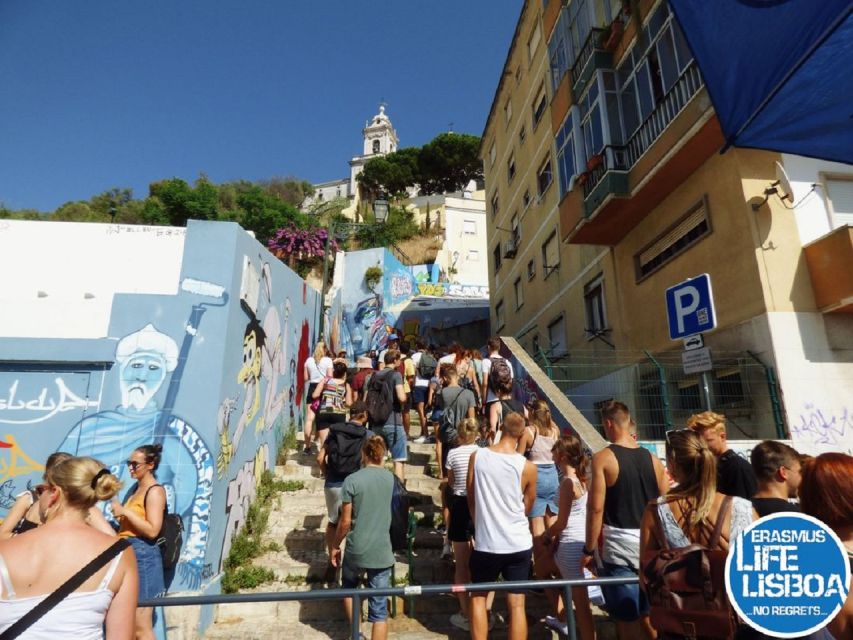
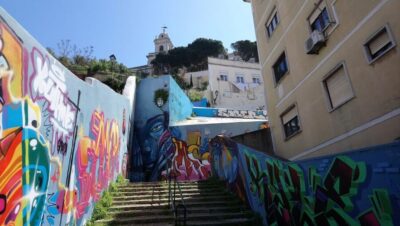
The core of the walk happens in Mouraria and Graça, two neighborhoods that feel different block to block. That contrast helps the tour stay interesting. You go from streets where the walls feel tightly packed with layers and history to areas where the art reads more clearly against the surrounding street scenes.
This is where you catch street art in different modes. Some works function like commentary, with visible messages aimed at society or current events. Others act like memory, spotlighting Portuguese personalities and honoring people who matter locally.
Another reason these areas are such a good choice is that the tour’s focus aligns with what you are actually seeing in Lisbon. Graça and Mouraria have that mix of old and new, and you will likely notice how art gets woven into neighborhood change. The tour specifically points you toward projects that support the renovation of older parts of Lisbon, so you see street art as part of the city’s ongoing story, not as a one-off spectacle.
What You Will See: Tags, Posters, Stencils, and Big Murals
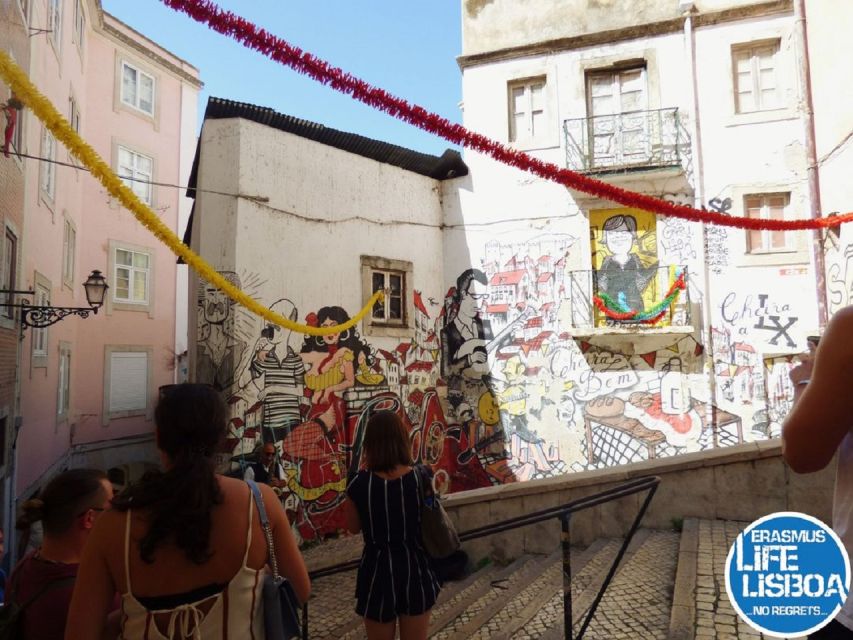
You should expect a clear variety of street art styles. The tour sets you up to notice multiple formats, including tags or posters and stencils, alongside mural projects by national and international artists.
Here is what that variety changes for you as a viewer. When you see only one style, it is easy to think street art is just graffiti or just murals. On this walk, it becomes easier to understand street art as a toolkit. Different techniques communicate differently. Stencils often feel sharp and graphic, while tags can show speed, identity, and repetition. Posters can look like street-level broadcasting. Murals tend to take on the role of larger statements, whether personal, political, or commemorative.
The tour also emphasizes artists leaving their mark across the city. That matters because the point is not only the art in front of you, it is the network of creators shaping Lisbon’s look over time.
The Guide Factor: Turning Walls Into a Narrative
The guide is central to this experience, and the information you have confirms it. Your named guide is Véro, and the tour promises that you will hear the story behind each work of art, including context and references.
From what is shared about past guides, the strongest tours feel like conversations rather than lectures. Some guides are described as patient with the group, building context like a narrative, and making the walk feel fun even when weather turns. One guide was even noted for being especially careful and safe, which is not the kind of detail you want to ignore in a hilly walking city.
Pace also comes up. Several descriptions point out that the tempo can be high in order to see a lot in three hours. That is good for coverage, but it also means you need to be ready for steady walking. The tour is not for lingering long enough to turn every mural into a photo essay.
There is also a human touch in the descriptions. One mention includes a dog, Billie, joining the walk. You should not plan your day around that, but it hints at a friendly, local feeling that goes beyond just showing you walls.
More Things to Do in Lisbon


The Messages You Will Catch, Even If You Usually Skip Them

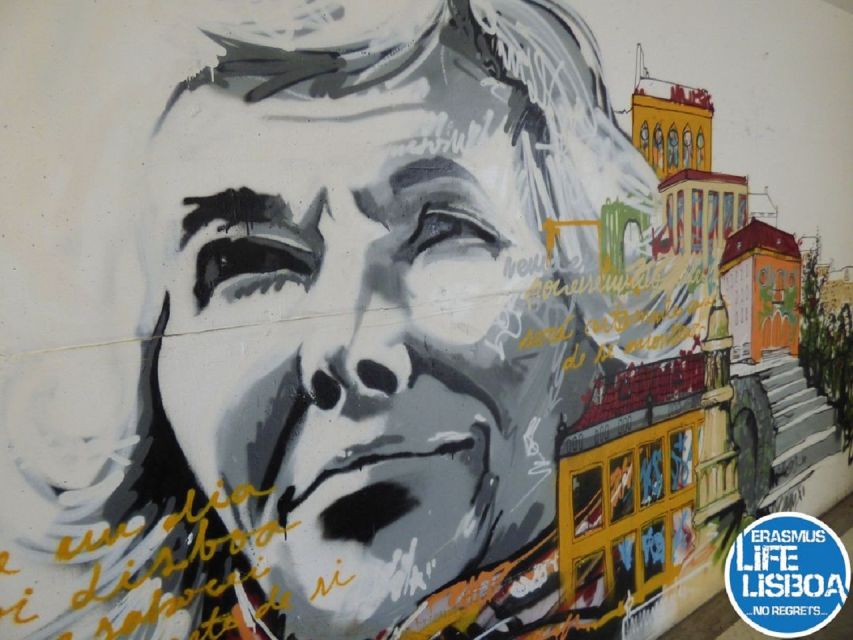
Many street art pieces on this route have social or political messages. That is important because it changes the reading of the artwork. You are not only identifying what it looks like. You are learning what it is trying to say, and why it might land with residents.
You can also expect memorial-style works. Some pieces are described as remembering important Portuguese personalities. That is one of the best surprises on a street art tour, because it pushes you past the assumption that street art only covers the present tense.
And because the tour includes historical references, you get help connecting art choices to what is happening in the city. This is the kind of framing that makes later sightseeing easier. After a few stops, you start recognizing patterns in how artists reference identity, place, and power.
The Walk Itself: Hills, Stairs, Views, and a Quick Three Hours
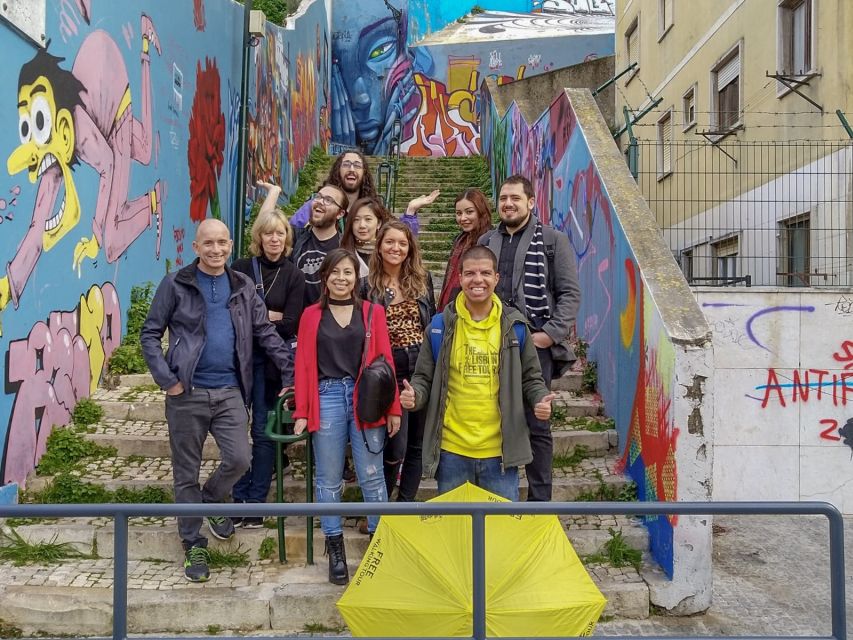
Lisbon’s hills are not just scenery, they shape your day. This tour includes hills and stairs, and the guidance is clear that prams and strollers should be avoided if possible. It is also not suitable for people with mobility impairments.
So what should you do with that info? If you are able-bodied, treat this as moderate to brisk walking. Wear shoes with good grip, bring water, and keep your energy steady. In warm weather, those stairs can add up fast, and you will feel it by the end.
One more detail that helps: some guides have been described as taking the time to explain without rushing, even when it rains part of the time. That is a practical advantage. You are not paying for a fair-weather walk only. The tour appears designed to keep moving and keep the experience enjoyable when the sky misbehaves.
Ending at Vhils: Why the Finish Matters

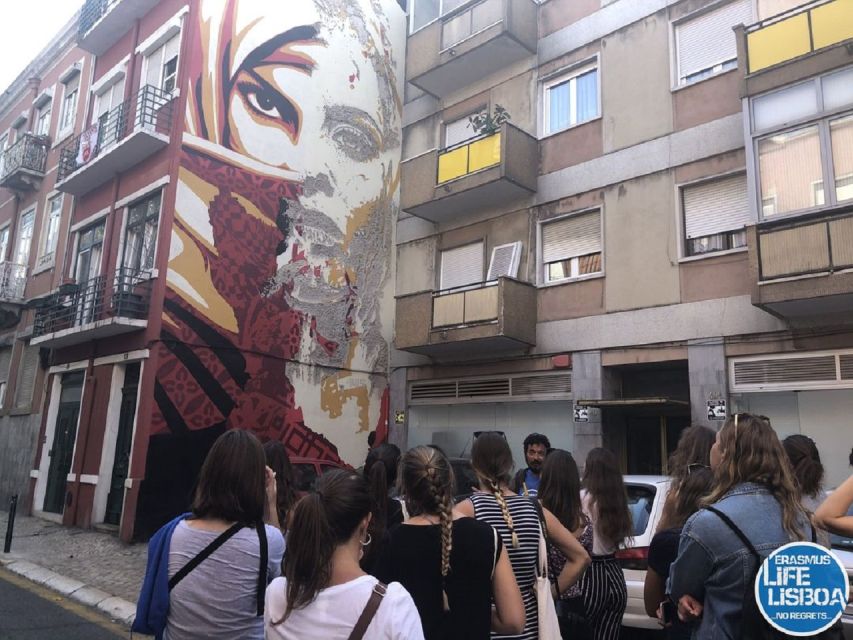
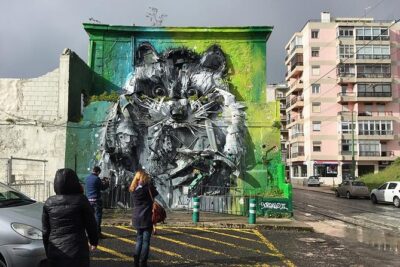
The tour ends at a mural by Vhils, described as a national superstar. That finish is smart. Instead of ending on a random wall, you close with a recognizable-name mural that gives your brain a clear final anchor.
It also changes your next steps. Because the tour does not return to Martim Moniz, you can plan dinner and dessert around where you finish. That way you are not doing extra wandering while tired, uphill, and looking for bus or metro connections.
If street art is new to you, ending with a major artist helps you leave with a sense of scale. You understand what a bigger, high-profile mural can do compared to smaller tags and stencils you saw earlier.
Price and Value: Is $33 Worth It?
At $33 per person for a three-hour walking tour, the value comes down to one question: do you want guidance that changes how you see the city?
For me, that is the key. This tour is not just a photo walk. It gives a local expert guide who ties each stop to context, including artists and references, plus historical framing. If you are the type who normally walks past murals without reading them, the guide component is where your money goes.
Also, street art tours can vary wildly in quality depending on whether the guide knows how to explain techniques and messages. Here, the structure is built for storytelling: you learn how the works connect to neighborhoods, renovation, and the social and political messages behind many pieces. That makes the time feel purposeful rather than random.
Lastly, three hours is long enough to cover multiple neighborhoods, but short enough that you still have the rest of your day for Lisbon’s classic sights.
Who Should Book This, and Who Might Be Happier Elsewhere
This is a great fit if you enjoy walking, you like street-level culture, and you want to understand what you are seeing. It is especially good for first-time visitors who want a smart lens on Lisbon, not just a checklist of landmarks.
It also suits you if you like variety. The tour explicitly mixes techniques and styles, from tags and posters to stencils and murals, and it covers national and international artists.
Skip it if you need accessibility accommodations. The tour is not suitable for mobility impairments, and it warns that prams and strollers should be avoided due to hills and stairs. Skip it if you cannot comfortably handle a fast-paced walking schedule, especially in heat.
If you are traveling with a lot of luggage, plan to keep it simple. The tour notes that luggage or large bags are not allowed.
Quick Practical Tips Before You Go
Bring comfortable shoes. Lisbon’s stairs and slopes are real, and street art stops can involve standing, turning, and moving between walls quickly. Bring water, since the experience is three hours and the pace can be high.
If you want photos, do not rely on one perfect moment. The tour keeps you moving, so be ready to take pictures quickly and focus on listening when the guide explains a specific piece.
And do not overpack. The tour discourages large bags and luggage, so travel light if you can.
Should You Book Lisbon’s 3-Hour Street Art Tour?
Book this tour if you want street art with context and you like learning the why behind the walls. The combination of Mouraria and Graça, the mix of tags, posters, stencils, and murals, plus a guide who ties each stop to stories and references, is exactly what turns a street art walk into something you remember.
I would skip it if mobility is a concern or if you are hoping for a slow, sit-down experience. This is a walking tour with a steady pace, and it is designed to cover ground.
If your schedule allows, I think it is one of the best ways to start seeing Lisbon as more than viewpoints and tiles. The city’s messages are on the walls. This tour helps you read them.
FAQ
How long is the Lisbon Street Art Tour?
The tour lasts 3 hours.
How much does the tour cost?
The price is $33 per person.
What language is the live guide available in?
The tour is offered with an English live tour guide.
Where is the meeting point?
Meet in Martim Moniz square by the statue or monument with soldierheads, bullets, and helmets, surrounded by the water, close to Hotel Mundial. The team will be holding a board for the Street Art Tour.
Which neighborhoods does the tour cover?
The tour goes to Mouraria and Graça to see a variety of murals and projects.
What kinds of street art should I expect to see?
You can expect street art in multiple forms, including tags or posters, stencils, and murals by national and international artists.
Where does the tour end?
The tour ends at a mural by the national superstar Vhils.
Is food or drinks included?
No. Food and drinks are not included.
What should I bring, and can I bring luggage?
Bring comfortable shoes and water. Luggage or large bags are not allowed.
Is it suitable for mobility impairments or strollers?
It is not suitable for people with mobility impairments. The guidance also says prams or strollers should be avoided if possible due to hills and stairs.
What is the cancellation policy?
There is free cancellation, and you can cancel up to 24 hours in advance for a full refund.
What Lisbon sent us most recently
- From Lisboa: Sintra, Cabo da Roca & Cascais Private Full Day Tour
★ 5.0 · 39 reviews - Best of Sintra and Cascais Private Full Day Tour
★ 5.0 · 39 reviews - Private Sailing tour in Lisbon – Day Time, Sunset and Night
★ 4.5 · 39 reviews - Tuk Tuk Lisboa – Sightseeing Tours
★ 4.5 · 39 reviews - Private Experience Óbidos Nazaré and Fátima or Aveiro and Óbidos
★ 5.0 · 39 reviews - Belém and Jerónimos Monastery Private Walking Tour & Ticket
★ 4.5 · 39 reviews - Lisbon Private Luxury Tour
★ 4.5 · 39 reviews - Exclusive Lisbon Progressive Dinner & Wine Tour
★ 5.0 · 40 reviews
Street Art, compared.


3-Hour Guided Street Art Walking Tour of Lisbon
Read our review →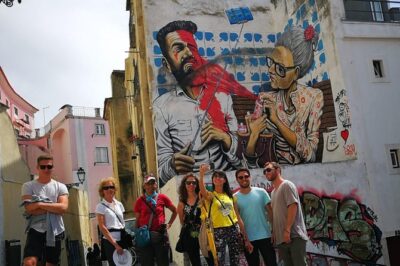


Browse the lists this tour appears in