
Reviewed · BELEM & JERONIMOS TOURS
Lisbon: Jerónimos Monastery Entrance Ticket
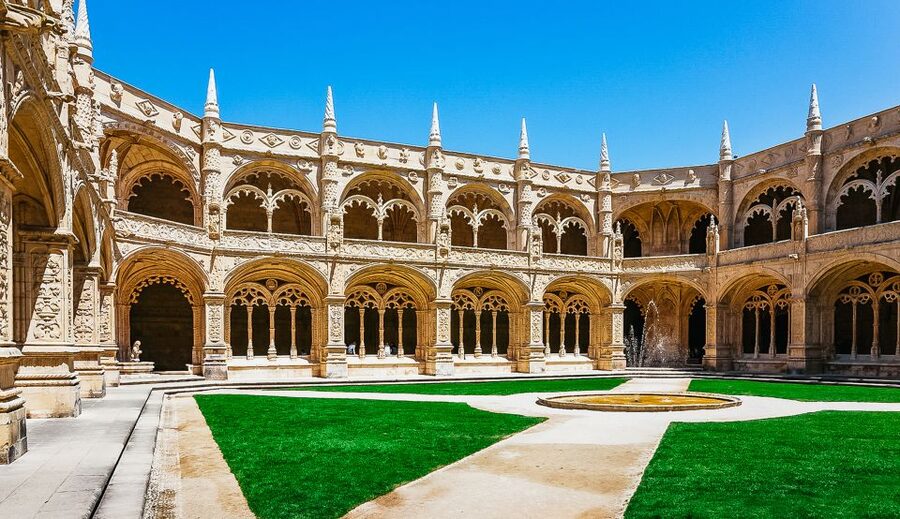
One look at Jerónimos Monastery and you get it, this is Portugal made stone. I love the Manueline architecture details and the fact that a single ticket gets you inside a UNESCO World Heritage Site near the Tagus. One drawback to plan for, the entry line can be long and often in direct sun.
This ticket is straightforward: you arrive, show your PDF voucher at the entrance, then wander at your own pace. I like that it keeps things simple since you are not stuck in a group route, and you can focus on the cloisters, the church, and the monuments that shaped Portugal’s story. Still, it is an entry ticket, so expect limited context on-site unless you bring your own background.
In This Review
- Key Things to Know Before You Go
- Jerónimos Monastery is a UNESCO Icon, Not Just a Pretty Building
- Getting In Smoothly: PDF Voucher, Right Entrance, and Real Queue Time
- Cloister Hours and Church Hours: Pick the Area You Want First
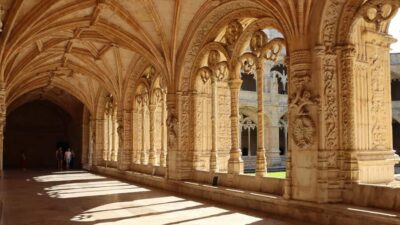
- Inside the Cloister: Where Manueline Craftsmanship Really Shows
- The Church and the Big Names: Vasco da Gama and Luís de Camões
- How Much Time Should You Plan for a Ticketed Entry?
- Price and Value: Is $21 Worth It?
- Accessibility, Rules, and What You Cannot Bring
- Should You Book This Jerónimos Monastery Entrance Ticket?
- FAQ
- What do I show to enter Jerónimos Monastery?
- Is there a guide included with this ticket?
- What are the opening hours for the cloister and the church?
- Is the monastery closed on specific days?
- What areas are accessible for visitors with reduced mobility?
- Are pets and smoking allowed?
Key Things to Know Before You Go
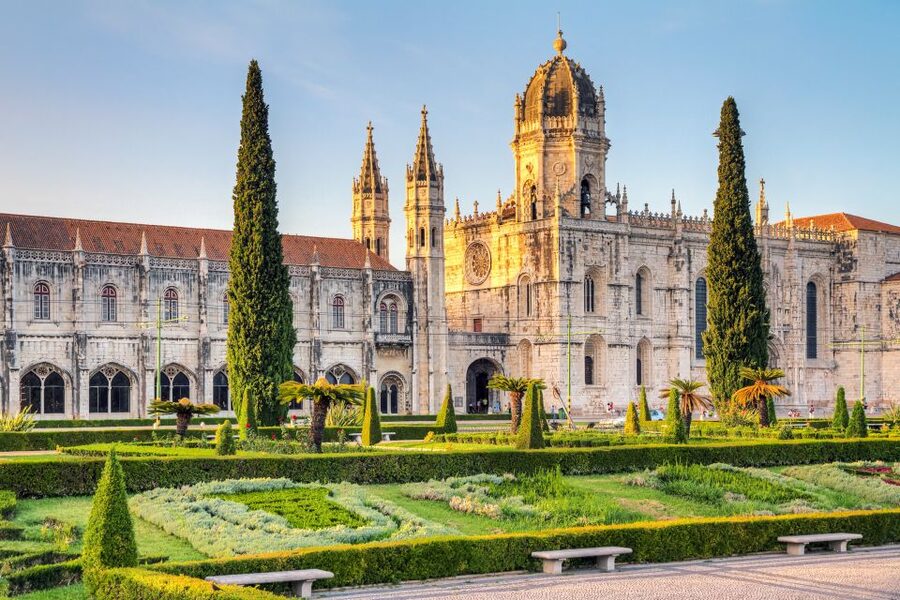
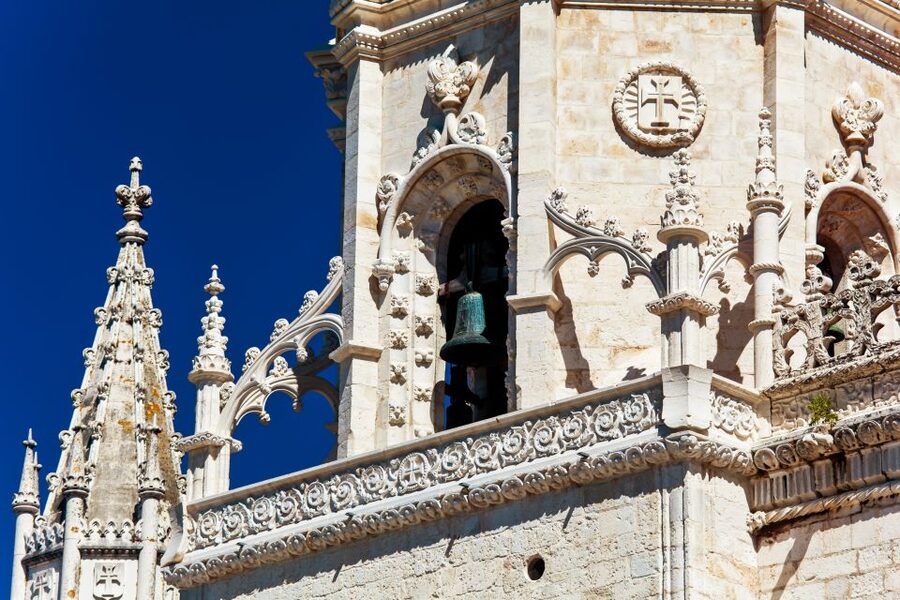
- Manueline (Portuguese Late Gothic) in full view: the carvings and stonework are the main event.
- Two different areas with different hours: the cloister and the church follow separate schedules.
- No skip-the-line promise: even with tickets, you may wait outside, sometimes a lot.
- You mainly see the cloisters and church: there are not lots of extra rooms to explore.
- Vasco da Gama and Luís de Camões connections: the church area is where those ties land hardest.
- Restoration can affect what you see: some parts may be closed at certain times.
Jerónimos Monastery is a UNESCO Icon, Not Just a Pretty Building
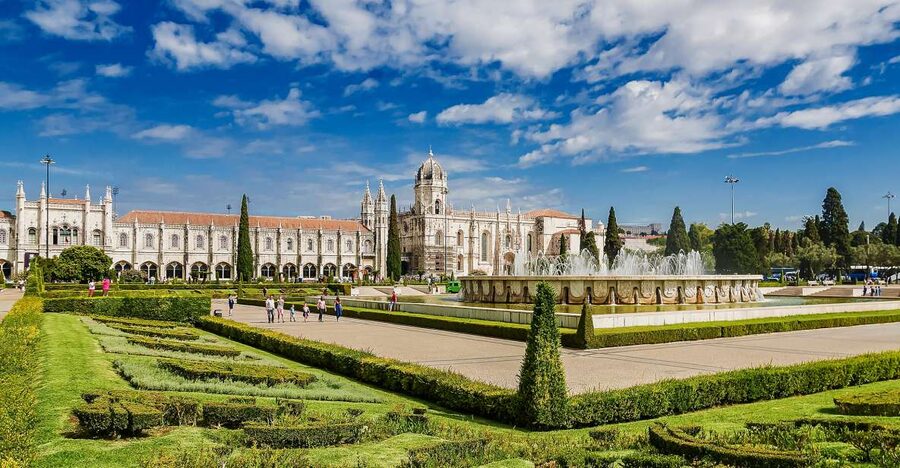
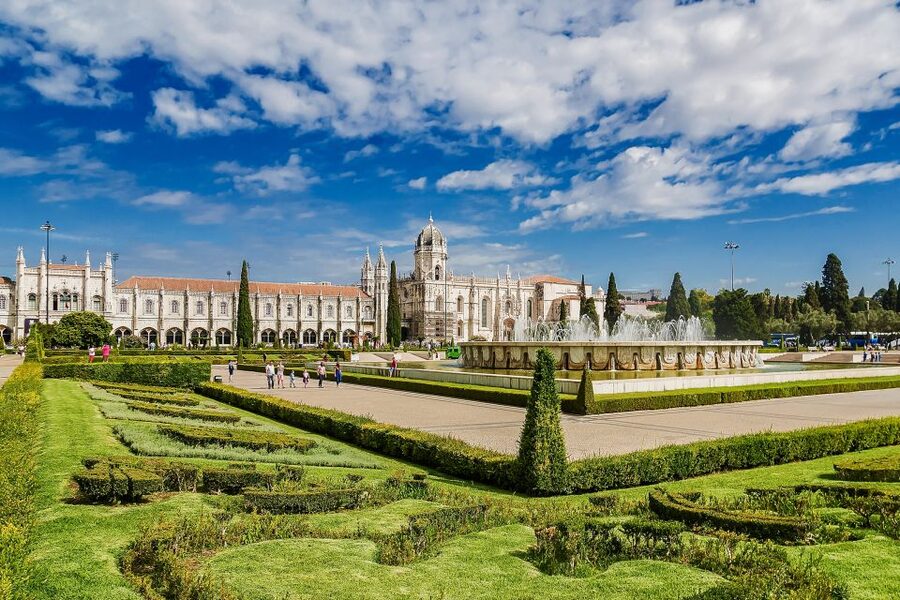
Jerónimos Monastery sits in Belém, right by the Tagus, and that setting matters. This place was commissioned in 1496 by King Manuel I to honor the Infante’s devotion to Our Lady and faith in St. Jerome. In other words, it is not only art for art’s sake, it is a monument built around religion, empire, and Portuguese identity.
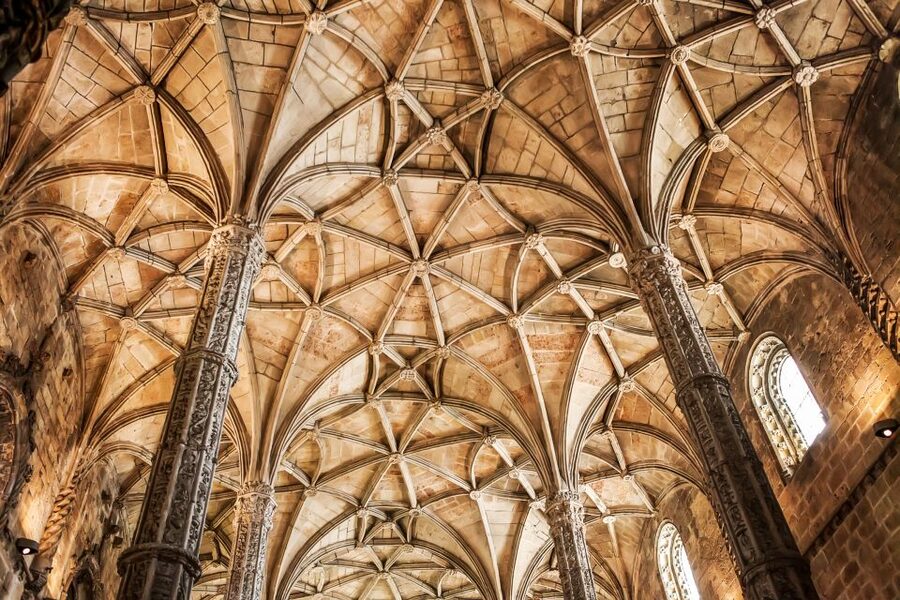
Once you step in, the real wow is the Manueline style. Think elaborate stonework, flourishes that feel almost architectural poetry, and craftsmanship that makes you slow down even if you usually rush. People tend to come for the exterior and stay for the cloister feeling, because once you are inside you can take in the architecture without battling street traffic.
Also, the building has had a changing life. After the Order of St. Jerome was dissolved in 1833, the monastery was used as a school and orphanage until 1940, and later the church became a monument for Portuguese heroes and poets like Luís de Camões and Vasco da Gama. That mix of purpose is part of why the site feels more meaningful than a single sightseeing stop.
More of Belem between tower and cloister:
- Private Lisbon Sightseeing Tuk-Tuk Tour: Alfama, Belém & More★ 5.0 · 4,277 reviews
- Age of Discoveries Walking Tour in Belém★ 5.0 · 1,513 reviews
- Lisbon: Bike Tour from Lisbon to Belém + Liquor & Pastry★ 4.7 · 688 reviews
- Bike Tours Lisbon – Center of Lisbon to Belém★ 5.0 · 686 reviews
Getting In Smoothly: PDF Voucher, Right Entrance, and Real Queue Time
This is an entry ticket, not a guided tour. Your job is easy, just show the PDF voucher from your confirmation email at the entrance. Then you enter and explore on your own.
Now the part you should treat like a checklist item: queues. Even when you book ahead, you still may wait. I have seen reports ranging from about 15 to 30 minutes on easier days to around an hour or more on busier times. Hot weather is the real villain, because the waiting area can lack shade.
One practical tip that can save time: the line setup can be different depending on where you are headed first. Some visitors noted that there are separate lines for the monastery area and the church area, and that signage can be confusing. If you want the fastest start, double-check you are in the correct line before you commit, since you may waste time if you end up in the wrong queue.
If you are the type who hates waiting, there is one strategy hinted in the comments. A guided option is mentioned as the way some people manage to skip the line, and a guide name, Bruno, came up in one note. I cannot promise that will be true for every day or every operator, but it is a reminder that if queues are a deal-breaker, plan for a guided booking rather than relying on an entry ticket alone.
Cloister Hours and Church Hours: Pick the Area You Want First
Jerónimos splits your visit into two key zones with different access times.
For the cloister (the area most people linger over), opening hours run Tuesday to Sunday from 9:30 AM to 5:30 PM, with last entry at 5:00 PM.
For the church, it is Tuesday to Saturday 10:30 AM to 5:00 PM, and Sundays and religious holidays from 2:00 PM to 5:00 PM.
This matters because the monastery experience is not really one unified space. You can walk the cloister and then go to the church, but your timing controls the flow. If you arrive late in the day, you may end up focusing mostly on what is open at that moment, rather than hitting everything in a calm sequence.
Also note the regular closures: the monastery is closed on Mondays, and on January 1, Easter Sunday, May 1, June 13, and June 25. Add to that the reality of restoration. Some visitors mention that portions may be closed depending on ongoing work, so you might not see every corner even during open hours.
Inside the Cloister: Where Manueline Craftsmanship Really Shows
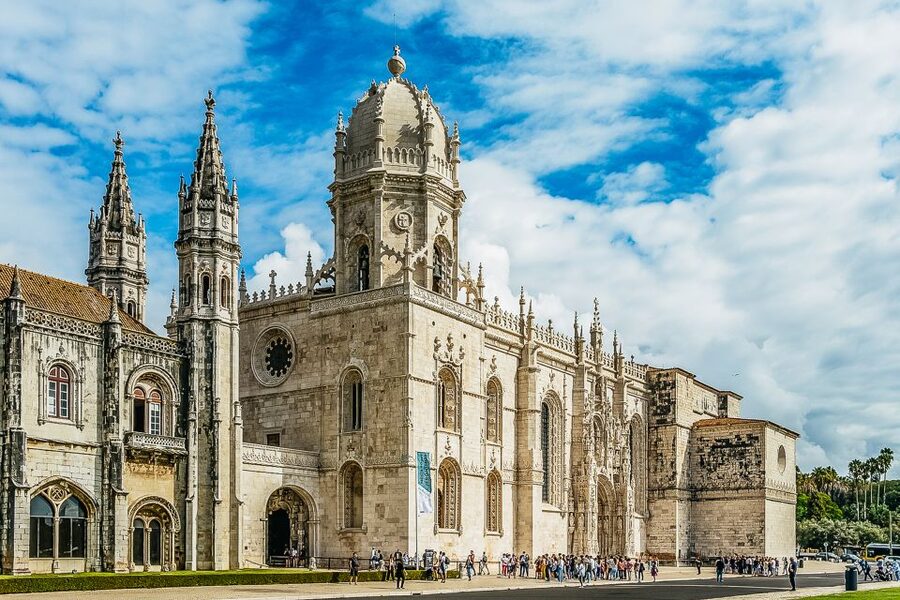
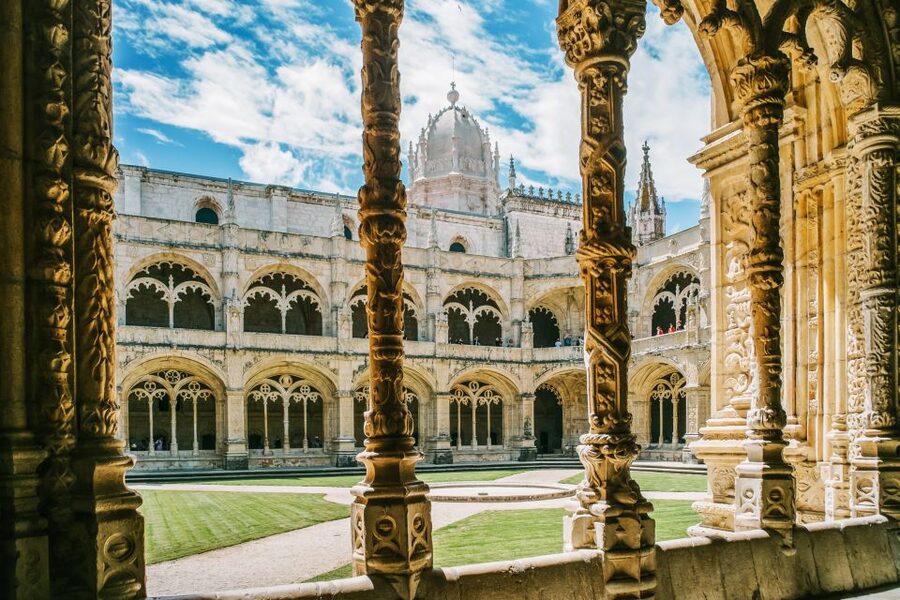
If you only have one “I am in Lisbon” stop to make in Belém, make it this one. The cloister is where the Manueline look goes from impressive to unforgettable.
Why? Because the architecture is the experience. You are not dealing with a long museum route with dozens of objects. Instead, you are surrounded by two-storey views, stone details, and the feeling of a carefully designed space meant to slow people down. Several visitors mention that the time on-site feels compact, often around an hour and a half, because there is not an overwhelming number of rooms to cover.
What to focus on when you are there:
- The carvings and edges: the patterns show best when you pause and look slightly off-center rather than straight-on.
- The way light moves: in the cloister, you notice how the light reveals the depth of the stonework.
- The rhythm of the arcades: it gives structure to the space and makes photos look strong.
If you are visiting with limited time, the cloister is the best payoff per minute. It is also the area most people describe as breathtaking once they get past the entry wait.
The Church and the Big Names: Vasco da Gama and Luís de Camões
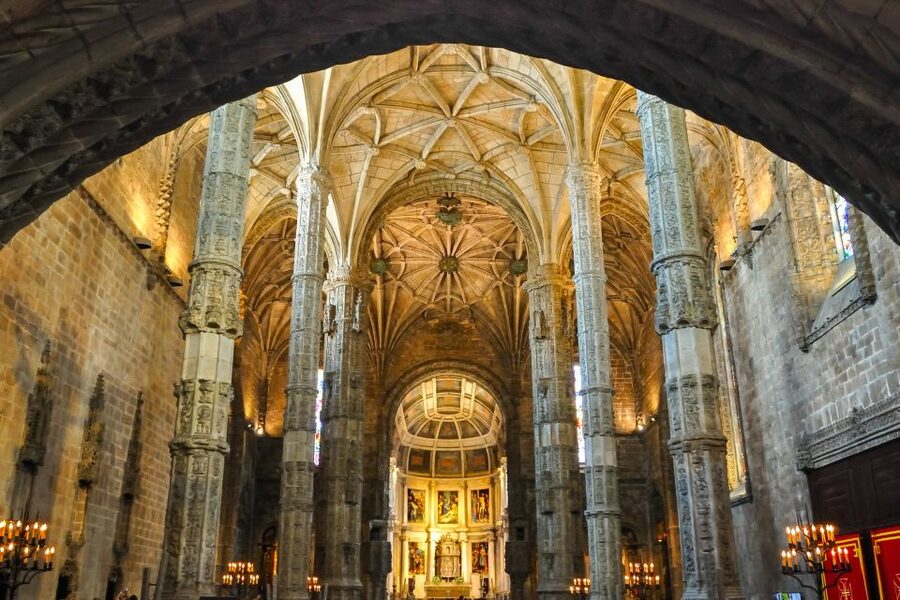
The church is the part of the visit that ties the building directly to Portugal’s greatest exploration story and its literary heritage. In the 19th century, the church became the monument for local heroes and poets including Luís de Camões and Vasco da Gama, so you are stepping into a site built to honor both exploration and the words that helped define Portugal’s identity.
One detail that stands out in the comments is the tomb of Vasco da Gama. People call it moving, and it often becomes the emotional anchor of the visit, even if you came mainly for architecture.
Timing can also affect what you can access. The church has its own hours, and on some days it may be partially unavailable due to renovations. If the church matters most to you, aim to arrive with enough time buffer so you are not trapped by late entry cutoffs.
More Things to Do in Lisbon



How Much Time Should You Plan for a Ticketed Entry?
The ticket is valid for one day and depends on the starting time you choose, but your on-site experience usually runs on the short-to-medium side. A common pattern is about an hour to an hour and a half, because most of what you see is really the cloisters plus the church.
That compact time can be a plus. You can pair it with a Belém walk without turning your day into a logistics marathon. It also means you should show up ready to slow down a bit, because the architecture rewards pacing.
If you arrive during a busy window, build in extra time for the line. On hot days, the queue is often the longest part, and some people report waiting well over an hour. If you do the math, a “quick stop” can become your whole afternoon without smart timing.
Price and Value: Is $21 Worth It?
At about $21 per person, this ticket sits in the category of “worth it if it matches your priorities.” If you care primarily about architecture and a signature monument tied to Portuguese identity, it can feel like good value. You are paying for entry to an internationally important site, plus the convenience of a ticket tied to a visit time.
Still, the complaints are real and fair. Some visitors feel the price is high because you mainly access the cloisters and church, and there are not lots of additional exhibits to justify spending. Others also emphasize waiting time, which can make the experience feel less like a smooth upgrade and more like paying to enter the same line with slightly better odds.
Here is my balanced take:
- If you want a must-see monument in Belém and you do not mind waiting, the ticket is usually worth it.
- If you hate queues and plan your whole day tightly, consider options that help you avoid waiting, not just options that sell you a ticket.
- If you are a resident of Portugal, there are times when admission is free at national museums and monuments on Sundays and during holidays, and also free on the first Sunday of every month. If that applies to you, look at dates first.
Also remember, this ticket does not come with a guide. If you enjoy going in with context, you might get more satisfaction from a separate audio guide or pre-reading, since the site itself can feel like “just beautiful stone” if you do not know what it was built to represent.
Accessibility, Rules, and What You Cannot Bring
If accessibility is part of your planning, it helps to know the limits. The site is wheelchair accessible, but only the church and Lower Cloister are accessible for those with reduced mobility. That means you may have to adjust expectations if you were hoping for the full range of spaces.
As for rules: pets are not allowed, and smoking is not allowed.
These rules are simple, but they matter for comfort and smooth entry. If you are traveling with anything that falls under those restrictions, plan around it so you do not lose time at the gate.
Should You Book This Jerónimos Monastery Entrance Ticket?
Book it if:
- Jerónimos Monastery is on your Portugal must-do list for Manueline architecture and a major UNESCO site in Belém.
- You can handle lines, and you are willing to wait outside for entry if that is when you plan to go.
- You want a self-paced visit where you can linger in the cloister and spend extra time in the church.
Skip or rethink it if:
- You need a truly low-stress entry day with minimal waiting.
- You are expecting a guided explanation included with the ticket.
- Your schedule is so tight that missing a church opening window would ruin your day.
If you do book, plan for the queue. Bring water, a hat, and some patience, especially in warmer months. Then once you are inside, slow down. Jerónimos is one of those places where the details make the whole experience, and the stonework rewards a calm, unhurried look.
FAQ
What do I show to enter Jerónimos Monastery?
Present the PDF voucher from your booking confirmation email at the entrance of the monastery.
Is there a guide included with this ticket?
No. This is an entry ticket, and there is no guide present during your visit.
What are the opening hours for the cloister and the church?
The cloister is open Tuesday to Sunday from 9:30 AM to 5:30 PM, with last entry at 5:00 PM. The church is open Tuesday to Saturday from 10:30 AM to 5:00 PM, and Sundays and religious holidays from 2:00 PM to 5:00 PM.
Is the monastery closed on specific days?
Yes. It is closed on Mondays, and on January 1, Easter Sunday, May 1, June 13, and June 25.
What areas are accessible for visitors with reduced mobility?
Only the church and the Lower Cloister are accessible for those with reduced mobility.
Are pets and smoking allowed?
No. Pets and smoking are not allowed.
What Lisbon sent us most recently
- 3 Hour Lisbon Private Guided Tour via Tuk Tuk
★ 5.0 · 116 reviews - Lisbon: Private Boat Trip, Guided Walking Tour, Bike & Tram
★ 4.8 · 116 reviews - Lisbon Market and Food Tour with Cooking Class and Lunch
★ 5.0 · 117 reviews - From Lisbon: Sintra and Cascais Private Day Tour
★ 4.8 · 117 reviews - Lisbon: Tagus Estuary Nature Reserve Birdwatching Boat Tour
★ 4.9 · 117 reviews - Lisbon: Private Half-Day Tour with Hotel Pickup
★ 4.8 · 117 reviews - Sintra Private Tour from Lisbon
★ 5.0 · 118 reviews - Pastel de Nata Cooking Class in Lisbon
★ 5.0 · 118 reviews
Belem & Jeronimos Tours, compared.

Private Lisbon Sightseeing Tuk-Tuk Tour: Alfama, Belém & More
Read our review →
Bike Tour from Lisbon to Belém + Liquor & Pastry
Read our review →
Bike Tours Lisbon – Center of Lisbon to Belém
Read our review →
Belém Walking Tour with Jerónimos Monastery Ticket
Read our review →
Belem Walking Tour with Jeronimos Monastery Ticket
Read our review →Browse the lists this tour appears in