
Reviewed · HORSES
Lisbon: Portuguese Riding School Trainig with Lusitano Horse
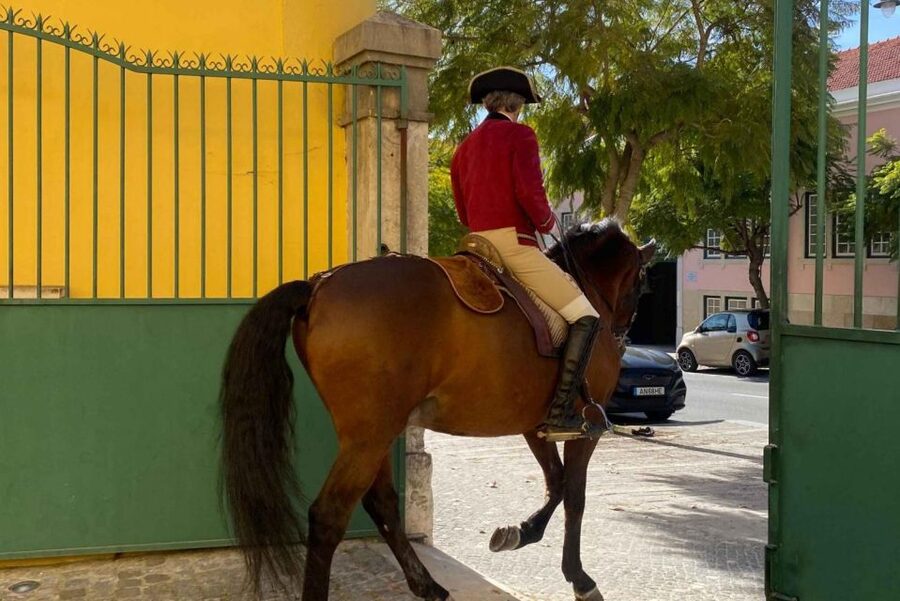
Lusitano horses teach you more than you expect. This half-day style morning at Henrique Calado Riding Ring lets you watch warm-ups and resourcefulness exercises up close, then shift into rehearsals where the routines feel like a living 18th-century court. You also get to see how the horses are cared for by the handlers, not just the final performance vibe.
Two things I especially like: the focus on rhythm, health, and physical needs (so you understand why training looks the way it does), and the atmosphere, with period music and costume riders shaping the Equestrian Art exercises. One possible drawback to plan around: there is a lot of value in the audio guide, and live narration may not be constant, so bring your attention and use the guide.
In This Review
- Key Highlights You Should Not Miss
- Lisbon Lusitano Training: What Makes This Morning Worth It
- Where You Watch: Henrique Calado Riding Ring and the Nora Patio Atmosphere
- The Warm-Up and Resourcefulness Exercises: The Part Most People Underestimate
- Behind the Scenes With Horse Care: Handlers and Daily Responsibility
- Rehearsals and Equestrian Art Exercises: Complex Choreography Explained by Context
- Nora Patio Court Vibes: Why Presentation Feels Like Part of the Training
- Value and Price: Why $17 Can Feel Like a Bargain Here
- What’s Included, What’s Not, and What to Bring
- Timing Tips: When 11am to 12:30pm Works Best
- Accessibility and Group Comfort
- Practical Booking and Ticket Basics (Short and Useful)
- Who This Lusitano Training Session Is Best For
- Should You Book This Lisbon Lusitano Experience?
- FAQ
- What time does the activity run?
- What does the ticket include?
- Do I need headphones?
- Is food and drink included?
- Can I take photos or use flash?
- How do I show my ticket at the meeting point?
Key Highlights You Should Not Miss
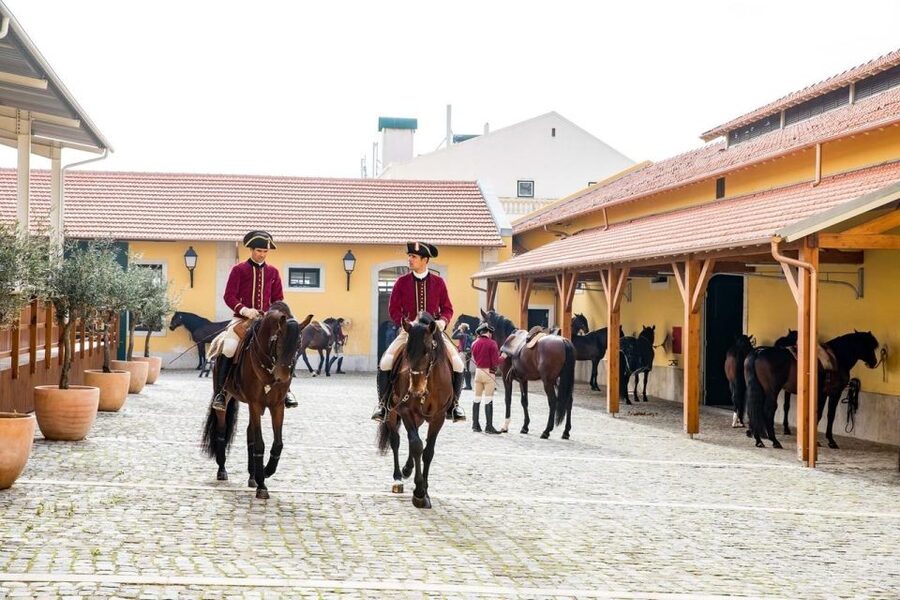
- Behind-the-scenes handler care at Henrique Calado Riding Ring, where you see how horses are managed before any big routines.
- Warm-up and resourcefulness exercises that explain how training starts, not just how it ends.
- Equestrian Art rehearsals of complex choreographies, in both the Nora Patio feel and the riding ring setting.
- Period costume and music that make the court atmosphere click quickly, without needing extra imagination.
- Horse-centered training focus, with a clear emphasis on health and physical needs, not force or flash.
- A practical audio guide in English, Portuguese, and French so you can follow what you are seeing.
Lisbon Lusitano Training: What Makes This Morning Worth It
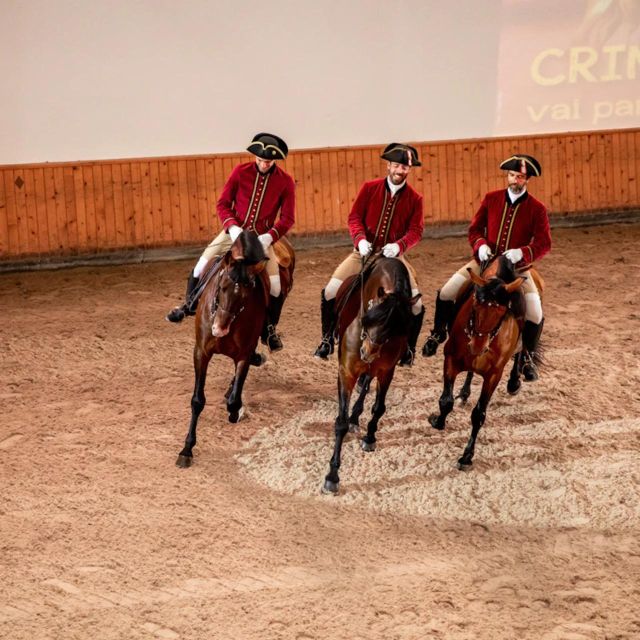
If you love horses, this kind of morning can change how you watch equestrian shows. Instead of only seeing a polished gala, you see the lead-up work, the warm-up logic, and the attention given to each horse’s needs. That is the value here. You get the craft, not just the show.
At the Portuguese School of Equestrian Art setting, you spend time watching Lusitano horses from the Alter Real Stud Farm train and rehearse. The routines are presented with period costume riders and music, and the result is a strong sense of stepping into an older world. But the best part for most people is the practical education: you begin to notice rhythm, balance, and pacing, and you understand why handlers and riders do things in a specific order.
This experience runs during a set window of 10am to 1pm, and the most comfortable time to go is 11am to 12:30pm. That timing matters because you’ll likely catch the most active training energy without the day feeling rushed.
A few more Lisbon days, taken slowly
- From Lisbon: Horseback Riding on Comporta Beach★ 4.7 · 167 reviews
- From Lisbon: Comporta and Setúbal Trip with Horseback Riding★ 4.3 · 90 reviews
- Lisbon: Morning of Equestrian Art with Lusitano Horses★ 4.4 · 87 reviews
- Algarve: 1-Hour Carrapateira Horseback Riding Tour★ 5.0 · 295 reviews
Where You Watch: Henrique Calado Riding Ring and the Nora Patio Atmosphere
This experience is based at Henrique Calado Riding Ring, and you get more than one viewing zone feel. One part is the riding ring environment where you can watch training in real time. Another part recreates that charming 18th-century court atmosphere in the Nora Patio setting.
Why that matters: equestrian art routines are made for space. Watching in the ring helps you see how movements travel, how riders set timing, and how horses respond to cues. The court-style atmosphere helps you understand presentation. It’s not just “horses doing tricks,” it’s a choreographed relationship between horse, rider, music, and space.
Also, you are not only watching action. You are seeing how the stable team and handlers prepare and care for the horses behind the scenes. That is a big deal if you want to understand the human side of training. Handlers are doing constant work that keeps horses healthy and ready, from care routines to managing readiness.
The Warm-Up and Resourcefulness Exercises: The Part Most People Underestimate
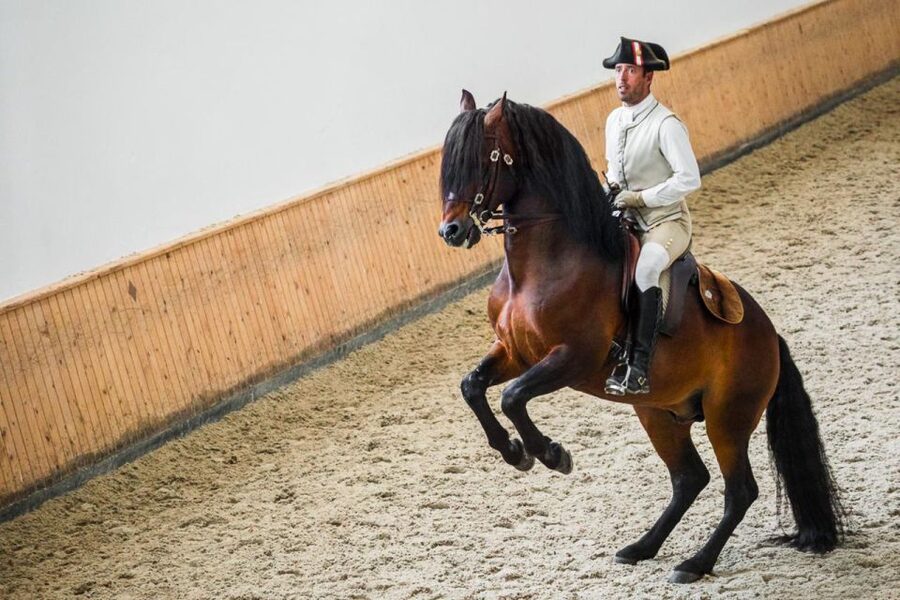
The morning centers on watching riders in period costume work with Lusitano horses. You’ll see warm-up and resourcefulness exercises, which are exactly what they sound like: preparation plus smart training tasks that help horses focus, stay comfortable, and move well.
This is the kind of segment that teaches you how the day runs. Warm-ups are not random. They are where rhythm is established and where the rider starts “speaking” in cues the horse understands. If you’ve only seen final performances before, the warm-up portion gives you context. You start noticing the small things that usually disappear behind the spectacle.
You also learn to respect something that performance audiences often miss: each horse has its own rhythm and physical needs. The training is presented with that idea front and center. That focus makes the whole experience feel more thoughtful and less like you are watching a system that ignores wellbeing.
Behind the Scenes With Horse Care: Handlers and Daily Responsibility
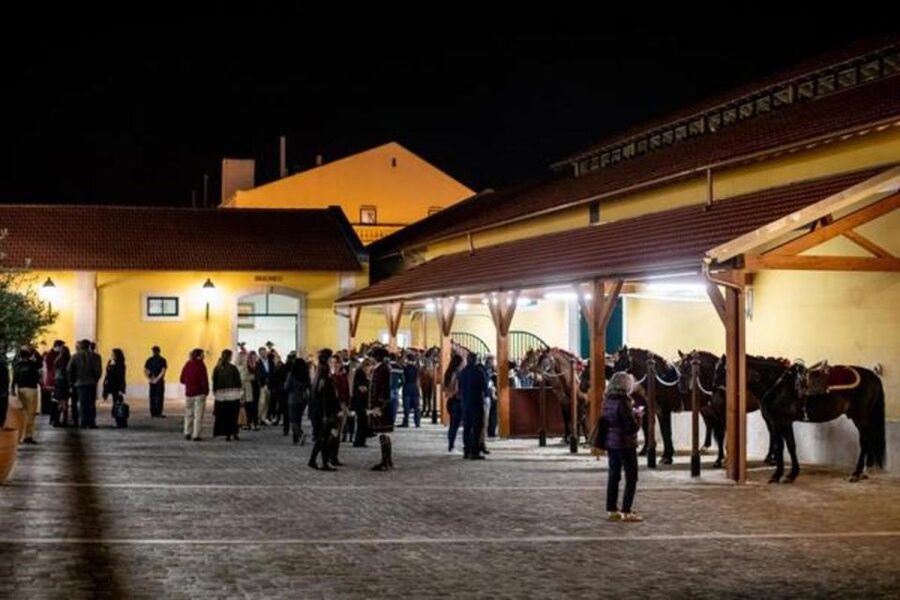
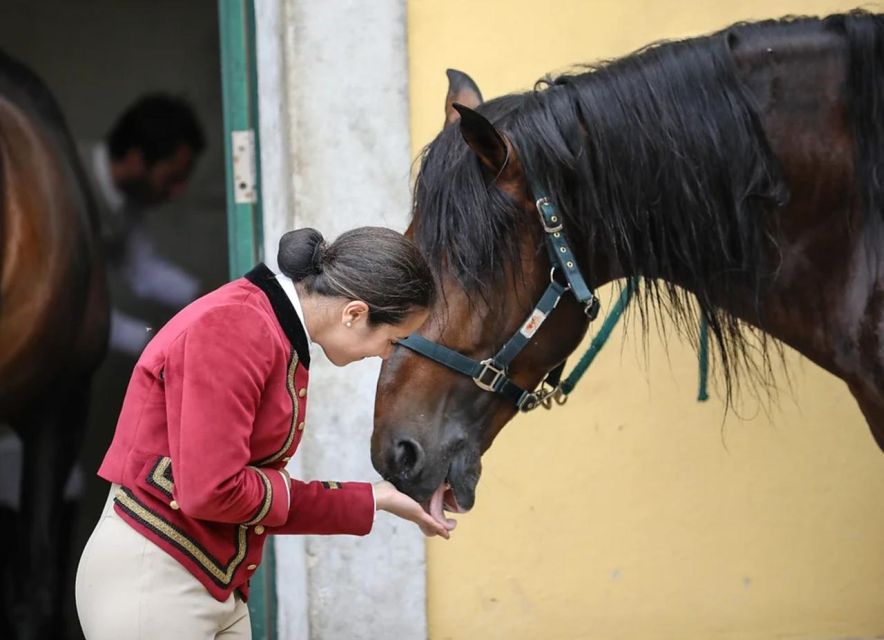
One of the biggest strengths here is that you don’t just watch riders. You also watch handlers care for the horses at Henrique Calado Riding Ring. This gives you a real sense of what “daily training” looks like beyond the moment riders step into the spotlight.
From a visitor perspective, this is where you get your most grounded takeaway. You see that horses require ongoing management and that handlers are part of the performance even when riders are not moving. It changes how you interpret every moment you later see in rehearsals. When you understand the care work happening around the horses, you can appreciate how training stays consistent and safe.
It also helps you avoid a common trap: thinking equestrian art is only about advanced moves. Instead, you see that it is a whole routine of readiness, management, and wellbeing.
Rehearsals and Equestrian Art Exercises: Complex Choreography Explained by Context
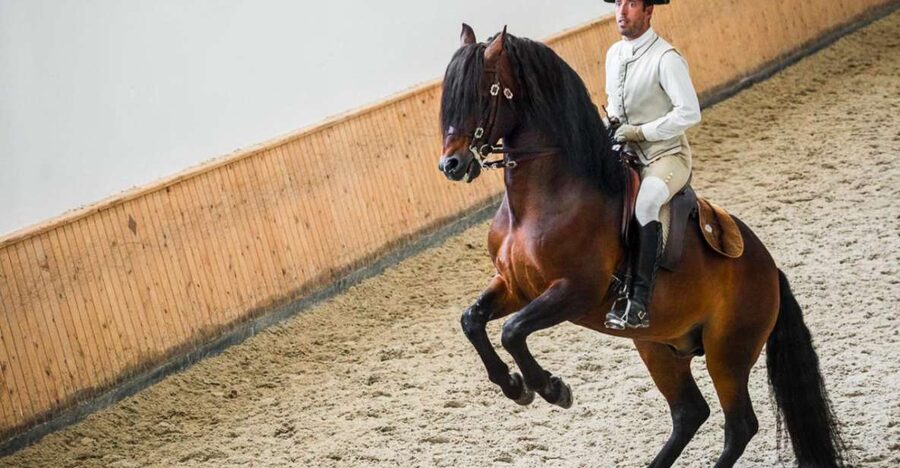
After warm-ups and behind-the-scenes viewing, you shift into training and rehearsals of the complex Equestrian Art exercises and choreographies. The experience uses period music to reinforce the 18th-century court atmosphere, and that soundtrack is part of how the choreography makes sense.
What I like about this segment is that it is not presented as magical by accident. You get context around what you are seeing, especially through the audio guide. The guide helps you follow what horses and riders are working on and why certain things are emphasized during training.
You also get the sense that rehearsals matter. Even if you have seen performances before, rehearsals are different. You watch timing, adjustments, and how riders manage pace and precision with horses that are living, moving partners.
More Things to Do in Lisbon

Nora Patio Court Vibes: Why Presentation Feels Like Part of the Training
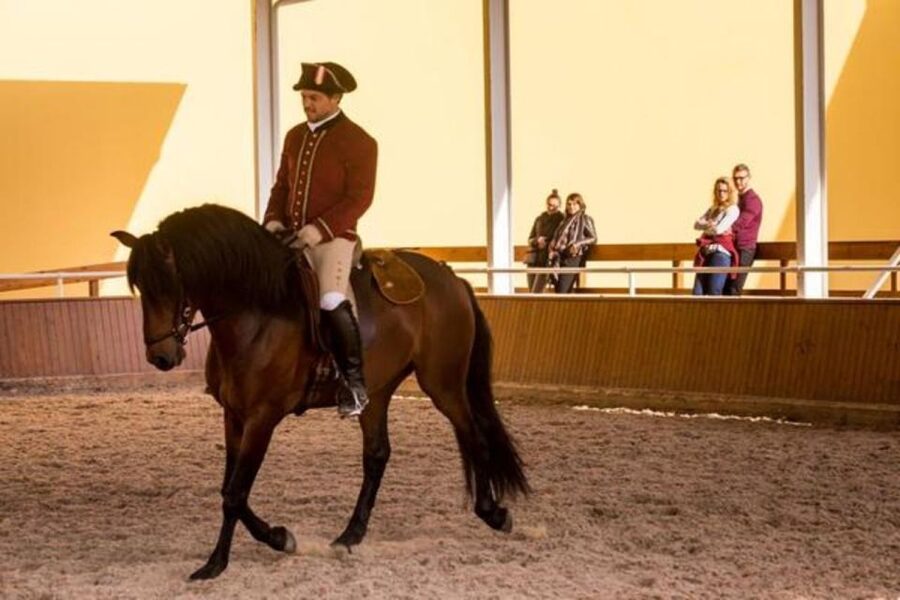
The Nora Patio segment is about more than decoration. It recreates that court atmosphere, and it supports how equestrian art is meant to be experienced. Equestrian routines in this style are influenced by tradition, ceremony, and controlled movement, so the setting helps you understand the intended effect.
If you like cultural atmosphere, this is one of the parts that makes the experience feel special without being overproduced. You get period costume and music, and then your eyes connect those details to what riders and horses are practicing.
If you dislike crowds or prefer strictly utilitarian sightseeing, this court-style presentation might feel more theatrical than you expect. Still, even then, you should find value in how the training focus remains horse-centered rather than purely spectacle-focused.
Value and Price: Why $17 Can Feel Like a Bargain Here
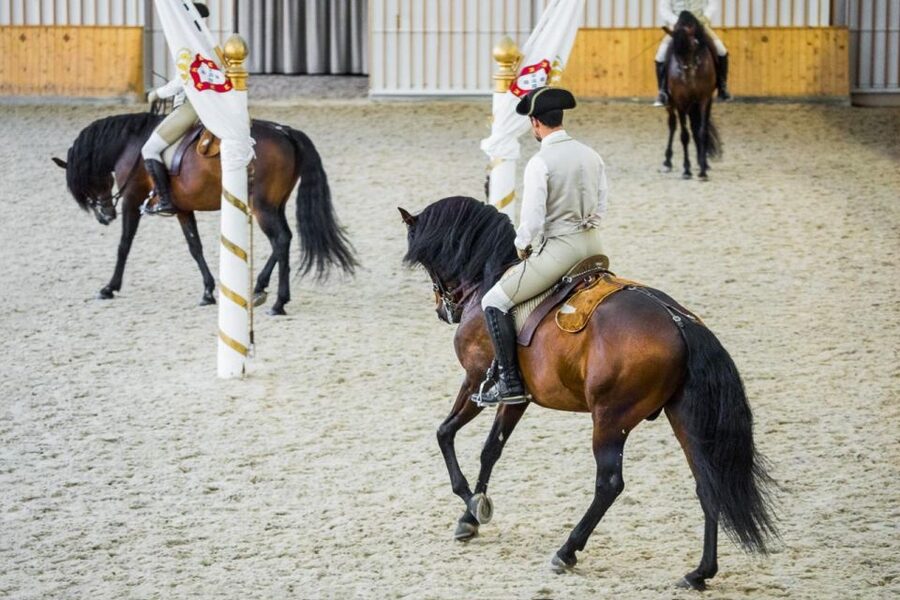
At $17 per person, this experience is priced for real access. You are not just buying a “watch a show” ticket. You are watching daily training elements, including stable care observation, warm-ups, and rehearsals of complex routines tied to the Portuguese School of Equestrian Art.
That makes the value feel fair for two reasons:
First, the time is genuinely active. You are present during training hours from 10am to 1pm, with 11am to 12:30pm commonly feeling like the sweet spot. That is enough time to see multiple phases rather than a quick pass-through.
Second, you receive an audio guide. The inclusion matters because the experience involves technique and context. When you can follow what you are seeing, you get more out of the same time on site.
So yes, $17 is a small ticket price. But the better story is that you are getting a structured, horse-focused training window rather than a generic attraction.
What’s Included, What’s Not, and What to Bring
You get:
- Entry ticket to The Portuguese School of Equestrian Art
- Watching daily training of Lusitano horses from the Alter Real Stud Farm
- An audio guide (languages include English, Portuguese, and French)
You do not get:
- Transport
- Headphones
- Food and drinks
- Photography access (and flash photography is not allowed)
So plan like a smart morning visitor. Wear comfortable shoes. Bring headphones so you can actually use the audio guide without blasting audio in your pocket. And bring a charged phone plus internet access, since the instructions mention downloading your ticket and audio guide after booking.
Also, note the behavior rules: no smoking, no flash photography, and no alcohol or drugs. If you are a phone photographer, keep it simple, steady, and remember flash is off-limits.
Timing Tips: When 11am to 12:30pm Works Best
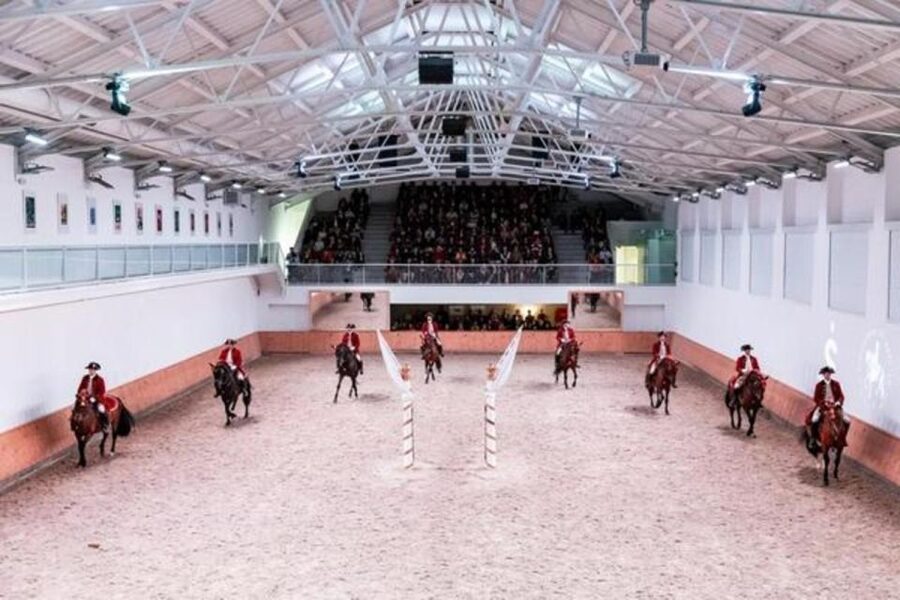
The activity window is 10am to 1pm, and the guidance is that 11am to 12:30pm is the best time to visit. I agree with that kind of advice for experiences like this because training patterns tend to peak mid-morning.
If you go too close to 10am, you might catch setup and early warm-up. If you go later, you might miss some of the full arc of training and rehearsal intensity. The 11am to 12:30pm slot is a practical balance.
Accessibility and Group Comfort
This activity is listed as wheelchair accessible, which is helpful if you need it. The bigger comfort factor for most people is footwear and time. You are in a stable and viewing spaces where you’ll stand and move a bit, so comfortable shoes beat fashion.
Also, the no-food-included reality means you’ll want to handle snacks and water plans on your own if your body needs them. Since food and drinks are not included, treat this like a focused morning, not a long sit-down.
Practical Booking and Ticket Basics (Short and Useful)
You should know this ahead of time so you don’t scramble at reception. The instructions say that GetYourGuide paper is not your ticket. You must show your Book N Tour ticket (specifically not the GYG QR code or voucher) to staff at the reception desk. You also need to provide at least one working WhatsApp number or email so the provider can reach you.
After booking, you should receive a separate email with instructions on how to access and download your ticket and audio guide. Check your spam folder too, because these emails can land there.
Who This Lusitano Training Session Is Best For
This tour is a strong match if:
- You want the “how” behind equestrian performances, not only the final routines
- You care about animal health and training discipline
- You like history-flavored atmosphere, period costume, and music
- You want value for a short morning outing in Lisbon District
It may be less ideal if:
- You expect a heavy, constant live guide speaking throughout every segment
- You want lots of photography options
- You are not interested in training context and just want a quick show moment
Should You Book This Lisbon Lusitano Experience?
If you want an authentic, horse-centered Lisbon morning, I’d book it. The mix of warm-up, behind-the-scenes care, and rehearsals makes it more educational than most “see the show” options, and the included audio guide helps you follow the technique. At $17, the value is hard to ignore as long as you are comfortable standing and using headphones you bring yourself.
I would especially choose the 11am to 12:30pm window and come ready to watch closely. If you treat it like a training visit, not just an attraction, you’ll get far more out of the time you spend there.
FAQ
What time does the activity run?
The training experience takes place from 10am to 1pm, and 11am to 12:30pm is the best time to visit.
What does the ticket include?
Your entry includes a ticket to The Portuguese School of Equestrian Art, watching the daily training of Lusitano horses from the Alter Real Stud Farm, and an audio guide.
Do I need headphones?
Yes. Headphones are not included, but the tour asks you to bring them so you can use the audio guide.
Is food and drink included?
No. Food and drinks are not included, so you’ll want to plan your own before or after.
Can I take photos or use flash?
Flash photography is not allowed. Photography is listed as not included, so assume you will not have full photography access.
How do I show my ticket at the meeting point?
You should show your Book N Tour ticket to staff at the reception desk, not a GetYourGuide QR code or voucher. You also need a working WhatsApp number or email so the provider can contact you.
What Lisbon sent us most recently
- From Lisboa: Sintra, Cabo da Roca & Cascais Private Full Day Tour
★ 5.0 · 39 reviews - Best of Sintra and Cascais Private Full Day Tour
★ 5.0 · 39 reviews - Private Sailing tour in Lisbon – Day Time, Sunset and Night
★ 4.5 · 39 reviews - Tuk Tuk Lisboa – Sightseeing Tours
★ 4.5 · 39 reviews - Private Experience Óbidos Nazaré and Fátima or Aveiro and Óbidos
★ 5.0 · 39 reviews - Belém and Jerónimos Monastery Private Walking Tour & Ticket
★ 4.5 · 39 reviews - Lisbon Private Luxury Tour
★ 4.5 · 39 reviews - Exclusive Lisbon Progressive Dinner & Wine Tour
★ 5.0 · 40 reviews
Horses, compared.

Algarve: 1-Hour Carrapateira Horseback Riding Tour
Read our review →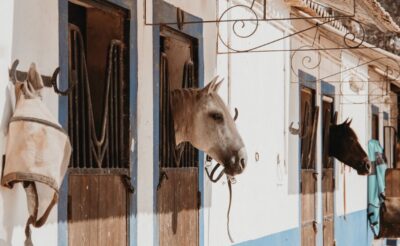
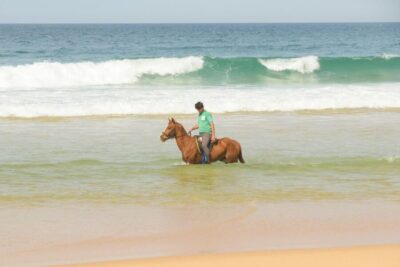
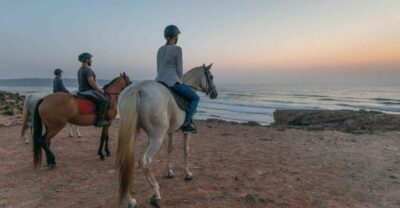
Algarve: Horse Riding Beach Tour at Sunset or Morning
Read our review →
Bordeira Beach – Horse Riding Tour at Sunset
Read our review →

Melides: Horse Riding on the Beach with Wine Tasting
Read our review →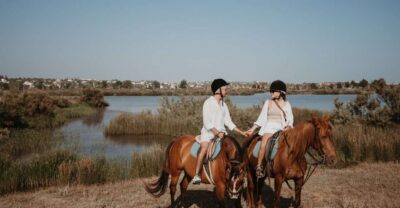
Browse the lists this tour appears in