
Reviewed · MUSEUMS
Lisbon: Royal Treasure Museum Entry Ticket
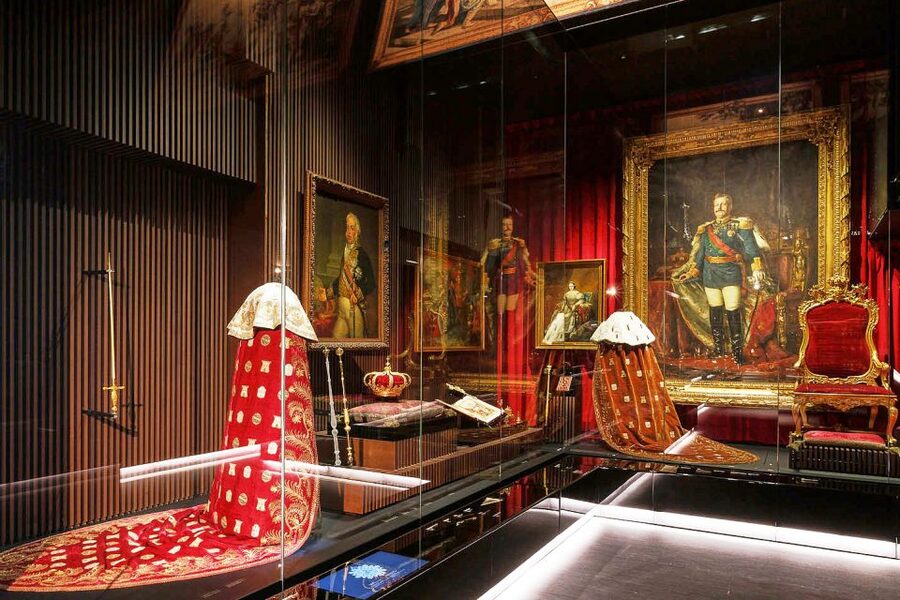
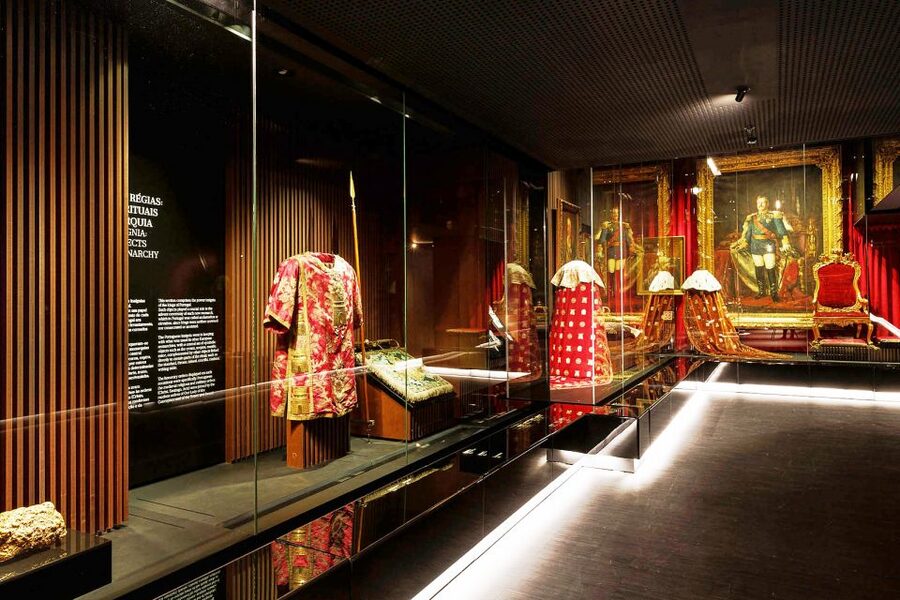
Royal jewels in Lisbon, no fuss. This entry ticket gets you into the Ajuda National Palace to see Portuguese royal treasure, arranged across 11 sections on three floors. I like the way the museum mixes showy crown display pieces with items tied to day-to-day court life.
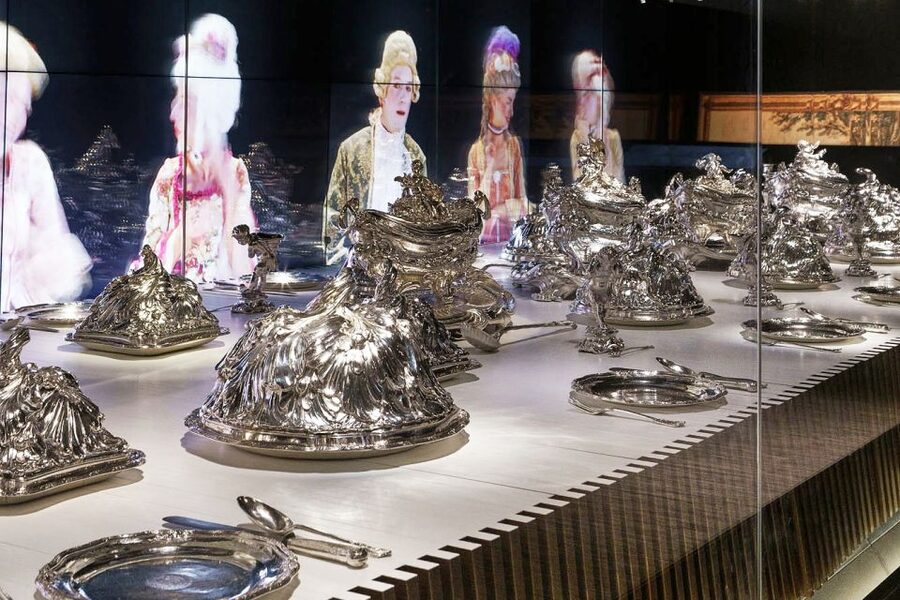
I also really enjoy the focus on the kind of objects that scream status and craftsmanship, especially the Germain silver tableware. The one drawback is the practical side of entering a museum inside a palace, there is airport-style security plus lockers for larger bags, so you will want a little extra time.
In This Review
- Key Highlights to Focus On
- Entering Ajuda National Palace: Ticket to Treasure, With Security Included
- The 11-Section Exhibition: A Practical Route Through Royal Treasure
- What the Museum Feels Like: Power Meets Personal Stories
- The Germain Silver Tableware Moment You Should Plan For
- Timing and Timing Again: Security, Lockers, and Last Admission
- Cafeteria, Lounge, and the Souvenir Shop With Real Purpose
- Price and Value: What $12 Buys You in Lisbon
- Should You Book This Ajuda National Palace Royal Treasure Ticket?
- FAQ
- Where do I redeem my ticket for the Royal Treasure Museum?
- How long is the ticket valid?
- What is included with the ticket?
- Is the museum wheelchair accessible?
- Is there security at the museum entrance?
- What languages are available for the exhibits?
Key Highlights to Focus On
- 11 sections, 3 floors of permanent displays, so you can pace it your way
- Crown treasures and private collections side by side, from royal gifts to family holdings
- Gold and Diamonds from Brazil as a standout theme tied to Portuguese reach
- Crown’s Silver and Germain silver tableware, including a large collection that visitors usually slow down for
- Royal insignia and ritual objects, good if you like monarchy as theater and tradition
- Cafeteria, lounge, and a themed shop, so your visit feels like a whole stop, not a quick glance
Entering Ajuda National Palace: Ticket to Treasure, With Security Included
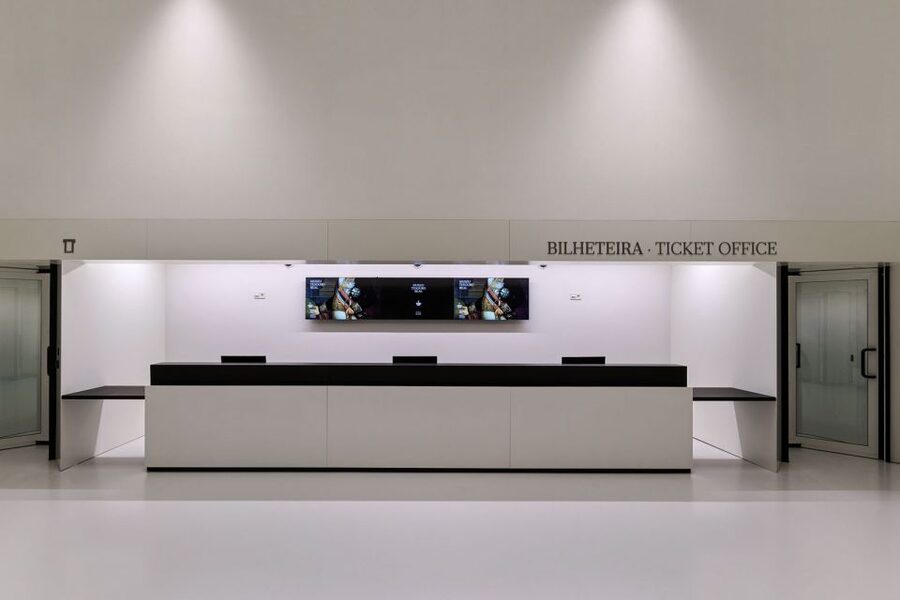
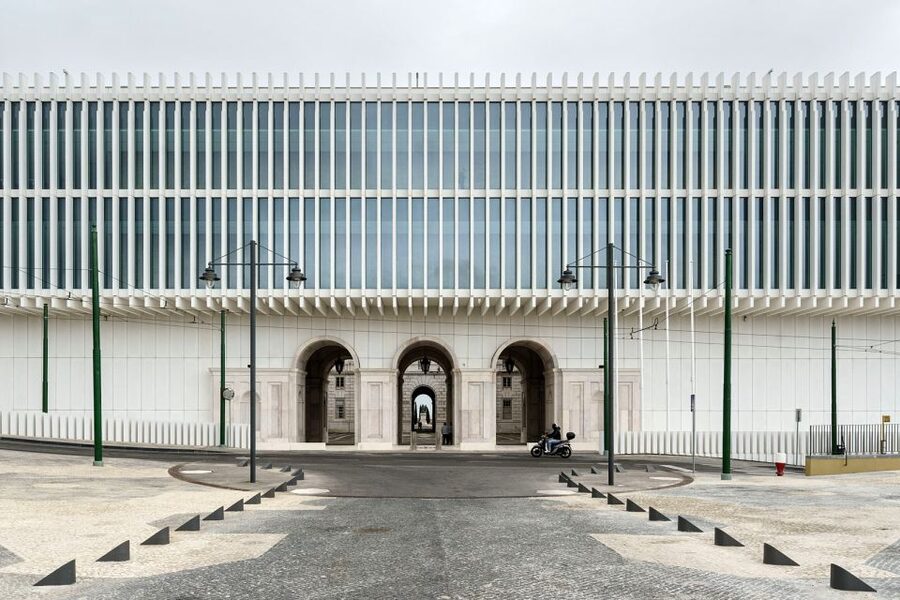
You meet this experience at the Ajuda National Palace in Lisbon. Redeem your entry ticket at the ticket desk, then plan for the museum’s security routine. It is airport-style security, so even if your plan is simple, give yourself time to clear it all.
Larger bags are not a “carry in your hand” situation. You will need to place them in lockers available at the entrance on the shop side. I find that helpful because it keeps the flow moving, but it does mean you should travel light if you can.
One more detail that matters for planning: last admission is 60 minutes before closing. That means you should not target a late arrival and assume you will “still make it” once you get inside. If you are doing other Lisbon stops the same day, build in a buffer so you can enjoy the rooms instead of racing the clock.
Good news for comfort and access: the venue is wheelchair accessible. And if you care about language support, text and subtitles are available in Portuguese and English, which makes the storytelling easier to follow.
The 11-Section Exhibition: A Practical Route Through Royal Treasure
The museum uses a permanent setup in 11 sections spread over three floors. Think of it as a guided story without a single “main room.” You can move in order and get the big picture, or jump around if you find a theme that grabs you.
Here is what you will see, and why each section is worth your time:
Gold and Diamonds from Brazil
This section focuses on glittering wealth, but it also hints at how materials traveled and how power was shown through objects. If you like sparkly displays with a clear theme, start here or save it for later when you want a visual payoff.
Coins and Medals of the Crown
This is the “official recognition” part of monarchy. It helps you connect treasure with governance, awards, and public legitimacy, not just personal wealth.
Jobs/Jewels from the Palace Collection
This one is a bit oddly titled, but the idea is clear: palace-held pieces that reflect the daily side of royal collecting and presentation. I like it because it broadens the museum beyond just crowns, gems, and armor-type expectations.
Orders of Knighthood and Orders of Merit
These objects are about ranking and honor. Even if you do not read every label, the design logic is easy to spot: symbols, insignias, and craftsmanship that turns achievement into something ceremonial.
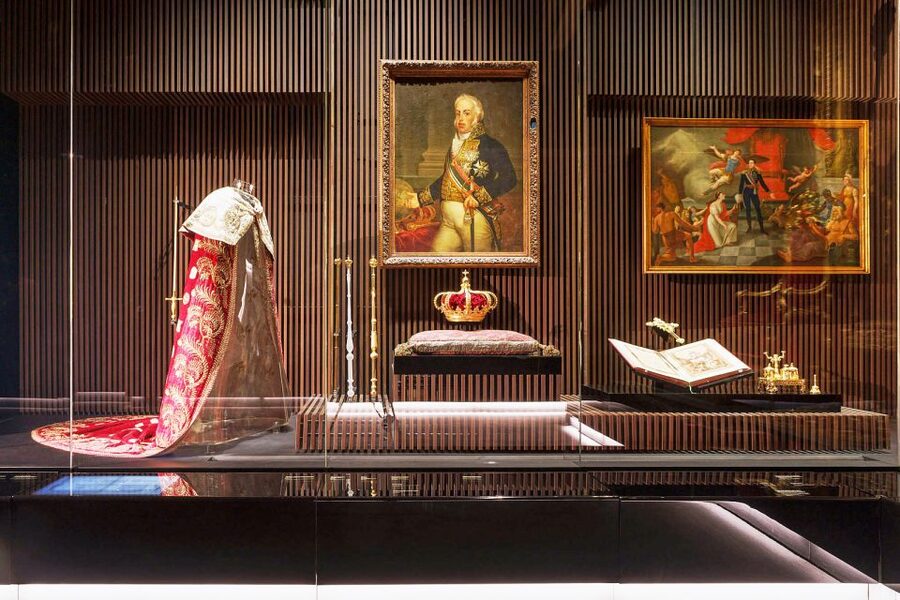
Royal Insignia (Ritual Objects of the Monarchy)
This section is where monarchy starts to feel like performance. These are the tools of ceremony, and you get a sense of why ritual mattered to royal authority.
The Crown’s Silver
Here you see silver as a statement of taste and control. I always find crown silver interesting because it sits in that middle ground between art and household power.
Private Collections
This is your reminder that royal wealth was not only public. Private collections show what family members valued, collected, or kept close, and that angle makes the museum feel more human.
Diplomatic Gifts
If you like objects with backstories, do not skip this. Diplomatic gifts connect treasure to relationships and alliances, so the collection reads like a visual map of diplomacy.
Royal Chapel
This is about sacred settings and religious symbolism tied to monarchy. It is a quieter change of pace from the flashier cases, and it gives context for why certain objects were not only decorative.
The Germain Silver Tableware
This is the section many people circle once they realize how much is included. It is a large collection of the world-famous Germain silver tableware, and it is the kind of display that makes you slow down, because you can see the range of pieces meant for meals, service, and status.
The Treasure’s Travels
This section puts movement into the story. You get a sense that treasure was not static, it traveled across time and circumstance, which helps the whole museum feel less like a storage vault and more like an ongoing saga.
You will not be forced into a strict route. The museum is spread across three floors, so choose your pace. If you like details, you will probably take longer. If you want highlights only, you can still cover all themes in a single visit because the collection is organized into clear sections.
What the Museum Feels Like: Power Meets Personal Stories
I like museums that show monarchy as both public theater and private life. This one does that through how the displays are grouped.
The Crown-related sections, like the coins and medals, orders of knighthood and merit, and royal insignia, make it obvious that treasure is also a language. It communicates who holds authority and how that authority is performed. Then the museum pivots into more personal angles with private collections and diplomatic gifts, and that shift is what keeps the visit from becoming one-note.
Diplomatic gifts especially add texture. You start seeing treasure not only as an aesthetic object, but as a message handed from one side to another. That is a smart way to make “royal jewels” feel connected to real politics and real relationships.
If you are the type who likes meaning over sparkle, the Royal Chapel and the ritual objects sections help a lot. They show a different kind of importance, one tied to ceremony, devotion, and the way monarchy tried to anchor itself in tradition.
The Germain Silver Tableware Moment You Should Plan For
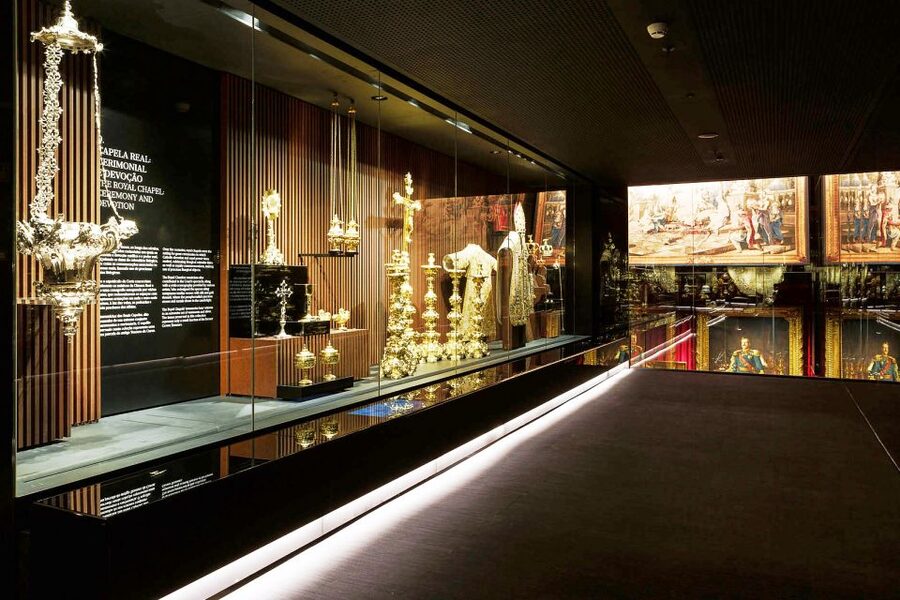
If you only have one day and you want one thing to anchor your visit, make it the Germain silver tableware. This museum has a large collection of it, and it is one of the most practical reasons the ticket is worth it.
Silver tableware is not just “pretty.” It reflects how meals were staged and how the household ran as a system of display. You can also see how service pieces are made to work together as a set, which makes the craftsmanship feel practical, not only ornamental.
I suggest you give yourself time to look beyond the first case you reach. The collection is big enough that if you rush, you will miss the variety. If you love material culture, this section will give you that, what objects look like when their design is built for daily use at high status.
Timing and Timing Again: Security, Lockers, and Last Admission
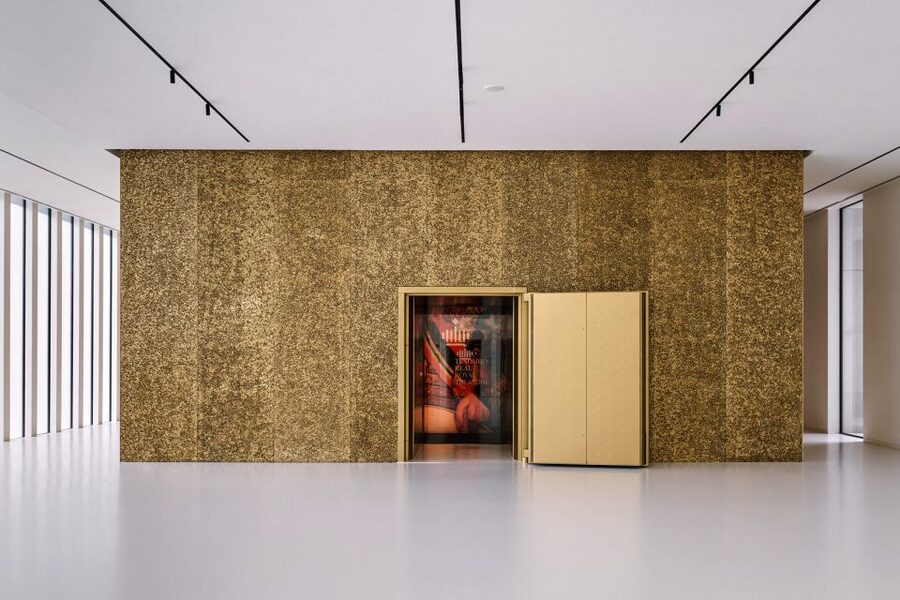
Your biggest risk here is simple, you run out of time before you finish the three-floor circuit. Because last admission is 60 minutes before closing, I recommend choosing a visit time that gives you slack. Even if you think you can do it fast, security and bag lockers slow things down.
When you arrive, do the easy things first. Get through security smoothly, stash bigger bags in the lockers near the shop-side entrance, then head straight into the galleries. That order helps you keep your momentum.
If you are sensitive to crowds and lines, going earlier in the day usually feels better than arriving near the end. This museum does not say anything about avoiding crowds for specific time slots, so you will have to judge based on your own schedule. Still, the last admission rule makes early planning your friend.
Wheelchair accessibility is good to know if you need step-free routes or extra time. And the museum provides Portuguese and English text and subtitles, which reduces friction if you read labels rather than rely on audio.
Cafeteria, Lounge, and the Souvenir Shop With Real Purpose
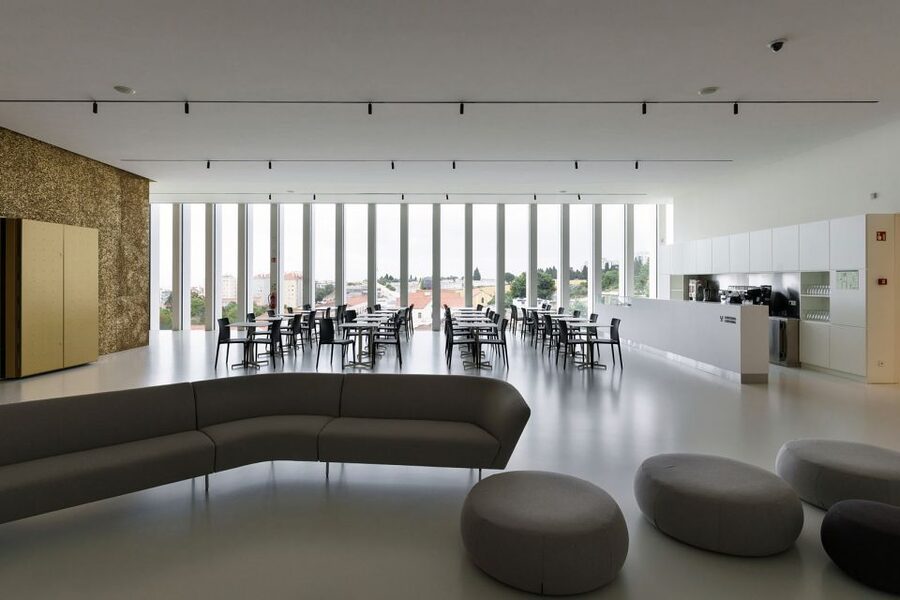
This is not only a glass-case experience. The museum includes a cafeteria and lounge area, which gives you a chance to reset during your one-day visit. That matters because you may spend longer than you expect, especially if silverware catches your eye.
There is also a themed souvenir shop. I like having a shop on-site for two reasons. First, it makes it easy to buy a small memory without figuring out where to search later. Second, the theme matches what you just saw, so you are more likely to find something that feels like Lisbon, not generic tourist merchandise.
If you are traveling with family or friends who may not want to linger at every display, the lounge helps break the day into “look” time and “rest” time.
Price and Value: What $12 Buys You in Lisbon
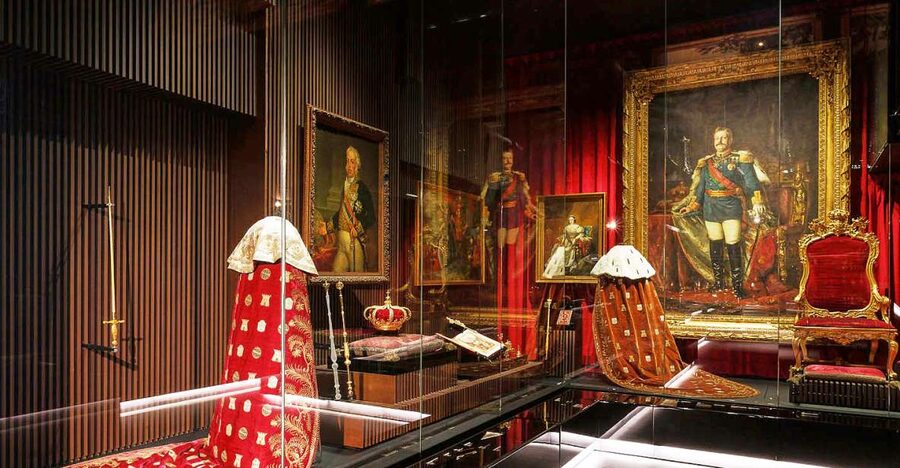
At $12 per person for a one-day ticket, this is a strong value if you like royal objects with variety. You are not just paying for a single display. You are paying for a permanent exhibition with 11 sections over three floors, plus amenities like a cafeteria, lounge, and a themed shop.
The museum also claims the collection was built over eight centuries. That is the key value driver. It means you are not seeing one snapshot. You are seeing objects grouped into themes that span time, power, ceremony, and diplomacy.
Is it a bargain? I think so, especially compared to attractions that charge similarly but only give you a single highlight room. Here, you can shift between sparkling pieces, ceremonial insignia, and the calmer Royal Chapel section, so the visit stays varied.
Should You Book This Ajuda National Palace Royal Treasure Ticket?
I think you should book if you want a focused Lisbon stop with real variety, and you like objects that connect sparkle to meaning. The Crown-related displays, diplomatic gifts, and ritual pieces give you context. The Germain silver tableware gives you the “slow down and look” factor.
Skip it only if you want an active, outdoors-heavy plan, because this is very much a palace museum experience. It is also a good match for anyone who likes clear organization, since the collection is split into 11 sections and you can plan your own pace across three floors.
If you have one day and you want a ticket that feels like it packs more than the price suggests, this is a smart pick.
FAQ
Where do I redeem my ticket for the Royal Treasure Museum?
Redeem your ticket at the ticket desk in the Ajuda National Palace.
How long is the ticket valid?
The ticket is valid for 1 day. You can check availability to see starting times.
What is included with the ticket?
The entry ticket is included.
Is the museum wheelchair accessible?
Yes, the venue is wheelchair accessible.
Is there security at the museum entrance?
Yes. You will pass through a number of security systems, including an airport-style security check. Larger bags must be placed in lockers available at the entrance on the shop side.
What languages are available for the exhibits?
Texts and subtitles are available in Portuguese and English. Last admission is 60 minutes before closing.
Azulejos & Quiet Galleries
- Porto: Cálem Cellar Tour, Interactive Museum & Wine Tasting
★ 4.5 · 4,113 reviews - Lisbon: Luz Stadium Tour & SL Benfica Museum Entry
★ 4.7 · 4,102 reviews - FC Porto: Museum & Tour
★ 4.6 · 3,807 reviews
Museums, compared.
Cálem Cellar Tour, Interactive Museum & Wine Tasting
Read our review →


The Wine Experience, Best Wine Museum in the World
Read our review →

Banksy Museum Permanent Exhibition Entry Ticket
Read our review →
Belem, Jeronimos Monastery, and Coach Museum Tour
Read our review →
Browse the lists this tour appears in