
Reviewed · THINGS TO DO IN THE AZORES
Mount Pico Guided Climb – Summit Portugal’s Highest Peak
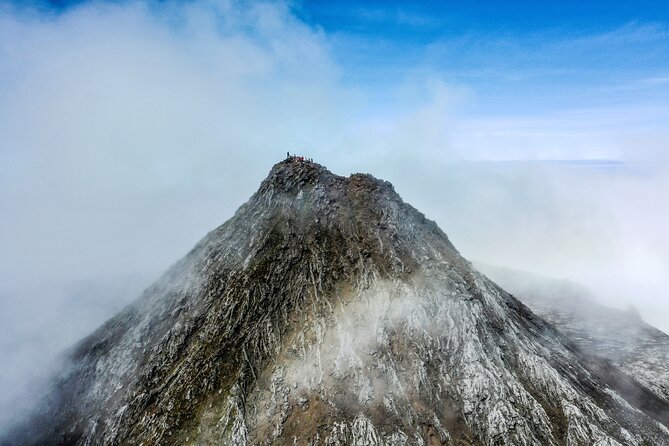
Pico is Portugal at its steepest. This guided climb takes you to the Pico summit, with certified support and real science talk about the volcano.
I like that the climb comes with certified Pico Mountain Guides, so you are not guessing your way on steep, scramble-style ground.
One consideration: this is medium to high difficulty, so you need solid fitness and coordination for the lava rock and uneven trail.
In This Review
- Why this Pico climb feels more like a guided route, not a “hike”
- What makes the experience worth your time and money
- The key things you should know before you go
- Morning setup at Mountain House in Madalena, Pico
- Stop by Montanha do Pico before the real climb
- Casa da Montanha, where the ascent begins
- The climb profile: distance, elevation, and why it feels longer than it looks
- The summit goal: Pico at 2351 meters
- What the certified guides actually do for you on the ground
- The pace, the group, and how timing usually works
- What to wear and bring, based on what the climb requires
- Included vs not included: what you can expect on the bill
- How to handle the weather reality on Pico
- Who this climb is best for (and who should reconsider)
- Practical value check: is $102.84 a fair price?
- Getting the most out of your summit day
- Should you book the Mount Pico guided climb?
- FAQ
- Where is the meeting point, and do we return there?
- What time does the climb start?
- How long should I plan for?
- What fitness level do I need?
- What distance and elevation do we cover?
- Does weather affect the climb?
- What group size is this tour?
- Is the tour offered in English?
- What is included in the $102.84 price?
- Is it refundable if I cancel, and can I go if I recently went diving?
Why this Pico climb feels more like a guided route, not a “hike”
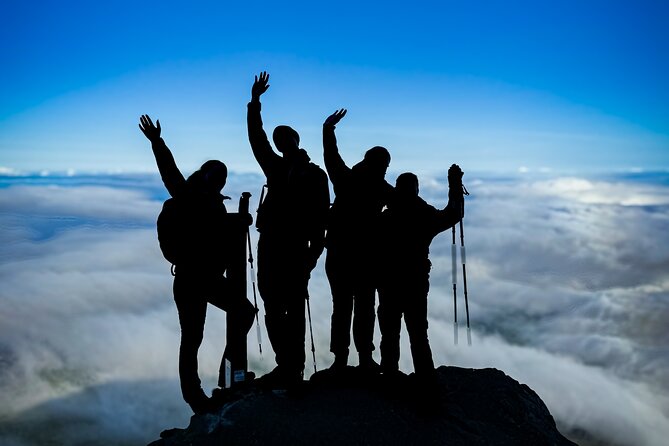
Mount Pico dominates the Azores, and the summit day has the feel of a proper mountain outing. You start early, move at a guide-led pace, and focus on safety, timing, and the kind of situational awareness that matters when wind, clouds, or rain show up.
The best part is how the guides handle the climb like a route, not just a goal. With small-group attention, you get help on navigation when the ground gets tricky, and you also get context for what you are walking across.
Guides like Bruno and Mateo come up again and again for a reason: they guide with patience, they keep people moving when it counts, and they explain what you will see next so the hike feels clearer as the day goes on.
What makes the experience worth your time and money
This trip is listed at $102.84 per person for a full day that runs about 7 hours, depending on pace and weather. For me, the value is that you are paying for more than steps on a trail. You also get access fees, safety coverage, and gear that removes friction from the climb.
I also appreciate the educational angle. The guides share information about the area’s geology and biodiversity tied to the volcano itself, which makes the summit feel earned, not just reached.
And yes, the group stays small, with a maximum of 9 travelers. That matters when you are climbing steep, irregular terrain and want timely guidance instead of waiting at the back for someone to catch up.
More Things to Do in the Azores
- From Ponta Delgada: Whale and Dolphin Watching Trip★ 4.7 · 4,109 reviews
- Azores: Whale Watching & Islet Boat Tour w/ Marine Biologist★ 4.7 · 2,945 reviews
- São Miguel West: Full-Day Van Tour with Lunch★ 4.9 · 1,948 reviews
- São Miguel West Full Day Tour with Setes Cidades Including Lunch★ 5.0 · 1,605 reviews
The key things you should know before you go
- Small group size (up to 9) for more hands-on guidance and better pacing.
- Certified Pico Mountain Guides to help you stay on the best track, especially in fog or unclear sections.
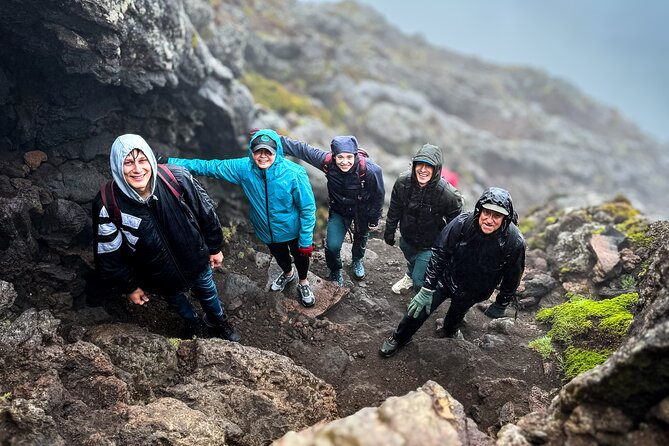
- Lava flows and scramble rocks mean you will need sure footing, not just a casual fitness walk.
- Weather-driven planning based on wind direction and intensity, cloud altitude levels, and rain forecasts.
- Allianz personal accident insurance and a climbing certificate, so you finish with something official.
Morning setup at Mountain House in Madalena, Pico
Your day starts at the Mountain House meeting point in Candelária, Madalena. The address is Caminho Florestal nº 9, 9950-000 Madalena, Portugal, and the start time is 6:00 am.
Even if your actual hike ascent begins a bit later, the early morning start is part of how this climb stays manageable. Cooler temperatures and changing winds can make a difference on an exposed volcanic ridge, and guides can better judge conditions before the day gets heavy.
Also, you do not just show up empty-handed and hope for the best. If you arrive without proper mountain boots and suitable equipment, you can be excluded from the climb without a refund, so this is one place where preparation really matters.
Stop by Montanha do Pico before the real climb
Early on, you make a first stop at Montanha do Pico. This is the kind of staging moment that helps you settle in before the steeper work begins.
Think of it as your “get bearings” part of the day. You can ask questions, check how you feel physically, and get a better sense of the route. If the weather looks changeable, this is when guides can set expectations around wind, clouds, and rain forecasts.
Casa da Montanha, where the ascent begins
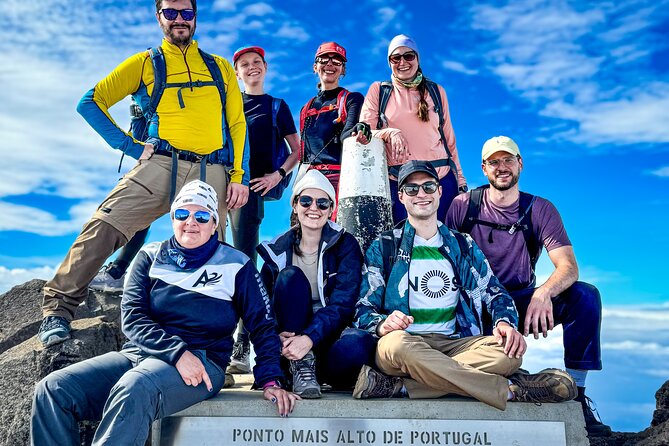
The climb proper starts from Casa da Montanha, located at about 1230 meters altitude. This is where the day’s elevation game begins in earnest.
From here, the ascent goes up toward Pico, also known as Piquinho on the summit end. Expect a steep, irregular trail. You will move across ground shaped by solidified lava flows and scramble rocks, so your footing is constantly in use.
You can expect the ascent to take roughly 7 to 9 hours total for most groups, including the reality of time in fog or on technical sections. The guides run a steady pace, and that is also why you want to dress and pack for working hard, not sightseeing slowly.
A few more the Azores days, taken slowly
The climb profile: distance, elevation, and why it feels longer than it looks
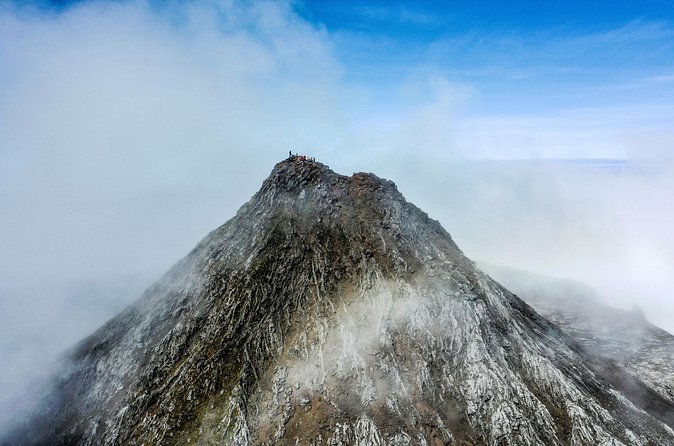
The numbers are clear, but your legs will learn them in real life.
From Casa da Montanha (about 1230 m) to the summit area at Mount Pico – Piquinho (about 2351 m), you gain roughly 1100 meters. The ascent section is around 4 km, but the full day covers about 8 km overall.
You also rack up around 2200 meters of accumulated elevation for the full hike, meaning the descent is not a casual afterthought. Plan for an endless-feeling downhill, because that’s where tired thighs and sore knees show up for a lot of people.
This is one reason the guide matters. With a leader, you are less likely to lose time on wrong turns or hesitation on unclear scramble spots, and you can keep your pace inside the time window.
The summit goal: Pico at 2351 meters
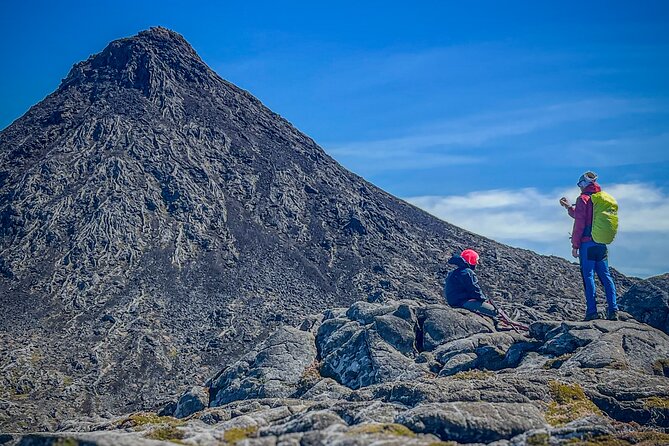
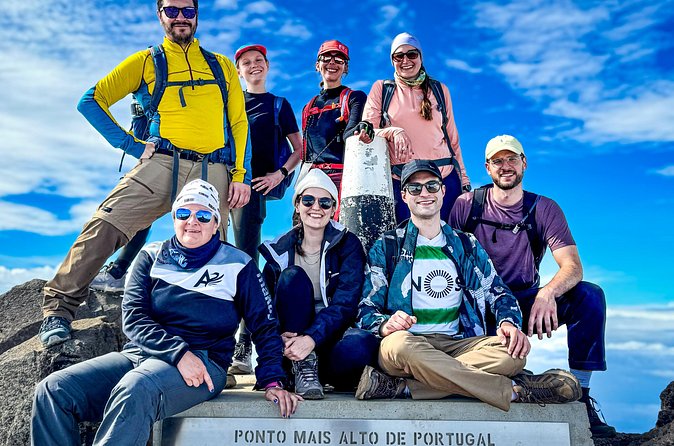
The summit is the moment your climb makes sense. From Piquinho, you are standing on the high point of Pico, Portugal’s highest peak, and the volcanic setting becomes part of the story the guide has been telling since you started.
It is also the point where weather becomes the decider. This route depends on three meteorological factors: wind direction and intensity, cloud altitude levels, and rain forecasts. If conditions are rough, expect the guide’s plan to adapt to keep you safe.
That adaptability is one reason I like this style of climbing. You are not forcing a summit at any cost. You are climbing with a decision-making framework built around real conditions.
What the certified guides actually do for you on the ground
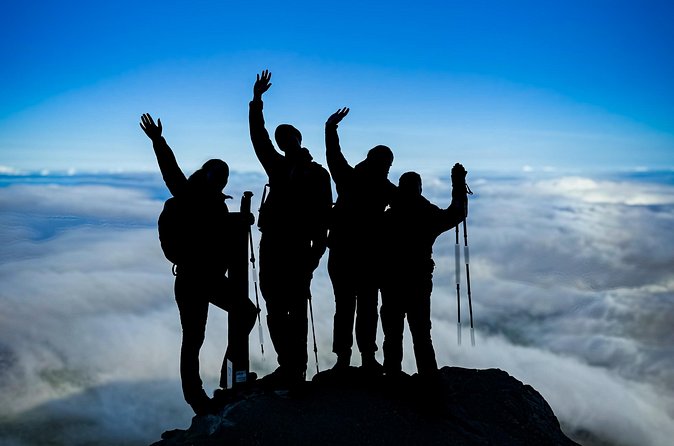
A guided climb should do more than sound nice. Here, you get practical help that shows up in the tough parts of the terrain.
On the way up, the guide leads the best track possible. That means you are more likely to stay on a line that fits the route and avoids the worst of confusion on irregular ground. In fog or low visibility, this is huge, because unclear sections can slow everyone down fast.
On the way down, the guide keeps people steady. Descent is where you feel fatigue first, and it is also where balance can slip. Having a calm guide who is patient when someone needs a slower step can make the difference between finishing strong and white-knuckling every switch.
And there is a human side here too. Guides are described as cheerful and supportive, pushing when needed to stay on schedule, while keeping the pace workable for the group.
The pace, the group, and how timing usually works
The tour runs about 7 hours, give or take. Your climb starts around 7:00 am, and your end time varies with weather and pace of the group.
Because the group is small, you get a bit of team rhythm. If everyone is moving comfortably, you keep momentum. If the terrain is demanding or the weather is changing, you may slow down slightly, and the descent can take longer than you expect.
One thing I’d plan for: being in a group can add a little time compared with an individual outing. But in exchange, you get smoother navigation and less wasted effort, especially on tricky sections.
What to wear and bring, based on what the climb requires
You cannot wing this day. The info is clear that you need proper mountain boots and equipment suitable for the activity. If you fail to meet requirements, you can be excluded from the climb, and that decision can be made by the Mountain House without a refund.
Beyond that, I would treat this as a serious hiking day. You are walking a steep, irregular trail with scramble rocks. That means your boots need to provide grip, support, and stability for uneven surfaces.
Also, there is a specific rule that you should not have gone diving 24 hours before the climb. If diving was part of your Pico plan, adjust your schedule so you meet this requirement.
If you have physical restrictions or health conditions like lower limb issues, vertigo, heart problems, asthma, diabetes, pregnancy, or other health concerns, you should inform Tripix Azores. The goal is to ensure the activity matches your ability and safety needs.
Included vs not included: what you can expect on the bill
The price covers several key things that make the climb more complete.
Included:
- Entrance fee, Mount Pico Natural Reserve access fee
- Hiking poles
- Professional and certified mount Pico guide
- Allianz personal accident insurance
- Climbing Certificate of Achievement
Not included:
- Meals
- Air-conditioned vehicle
This matters because it changes how you budget your day. Since meals are not included, you should plan food and water on your own. And because an air-conditioned vehicle is not included, your morning logistics may involve non-air-conditioned transport or walking segments, so dress accordingly.
How to handle the weather reality on Pico
You cannot control wind, clouds, or rain. What you can control is how ready you are when conditions shift.
This climb depends on:
- Wind direction and intensity
- Cloud altitude levels
- Rain forecasts
That means guides are constantly reading the day. If clouds sit low and the summit becomes obscured, they may adjust plans in line with safety. The guides focus on getting you through the route in the best possible way based on those conditions.
My practical advice: bring layers you can manage fast, keep your gloves and hat accessible, and be ready for temperature swings. Early morning can feel cool, and exposed volcanic ridges can change quickly.
Who this climb is best for (and who should reconsider)
This is a challenging climb that is described as medium to high difficulty, depending on your physical preparation and coordination. If you are active, comfortable with uneven ground, and have good balance, you are the right match.
You should reconsider if:
- You have vertigo or balance challenges
- Your lower limbs limit your ability on steep, irregular terrain
- You are not ready for a long day with a tough descent
- You cannot meet the boot and equipment requirement
The activity also asks that you are in good physical condition and have motor coordination. So treat this as a mountain effort, not an easy nature walk.
Practical value check: is $102.84 a fair price?
At $102.84 per person, you are paying for a guided, safety-focused summit attempt plus reserve access and insurance. You also get hiking poles included, which is one less thing to carry or rent.
If you were doing it independently, you would still spend money on access and basic safety gear, and you would be taking on navigation and route decision stress yourself. For most people, that stress is the hidden cost.
Where the price might feel heavy is if you are not physically ready for the descent. A weak downhill day can turn a great summit into a miserable finish. If you go in prepared, this price starts to feel like a fair trade for guidance and a smoother route.
Getting the most out of your summit day
A guided climb goes best when you show up steady and cooperative.
- Move with the group rhythm, even if you feel faster at the start.
- Treat the descent as the second half of the challenge, because it often becomes the hardest part.
- Listen to how the guide explains navigation and timing. That advice is meant to prevent wasted effort and keep you safe.
- If the summit looks doubtful due to wind or cloud levels, accept the guide’s plan. The goal is safety, not ego.
Also, small group size helps. With fewer people around, you get more immediate help when someone needs a hand on an unclear section. That can save time and prevent frustration.
Should you book the Mount Pico guided climb?
You should book this climb if you want a serious full-day mountain experience on Pico, and you want a certified guide to handle navigation, safety decisions, and route planning. The small group size, included reserve fee, poles, insurance, and the geology and biodiversity explanations make the day feel complete.
Skip it or talk to the provider first if you know your health or balance is a concern, or if steep scramble terrain is not your comfort zone. And be honest about your ability to handle the descent. Many people find the downhill is where the day really tests them.
If you do book, show up with the right boots, plan your meals, and be ready for weather to influence the day. That mindset turns Mount Pico from a scary-looking climb into a rewarding summit story you will actually remember for the right reasons.
FAQ
Where is the meeting point, and do we return there?
You meet at Mountain House, Caminho Florestal nº 9 Candelária, 9950-000 Madalena, Portugal, and the activity ends back at the same meeting point.
What time does the climb start?
The tour lists a start time of 6:00 am.
How long should I plan for?
The guided climb is about 7 hours, with an average duration between 7 and 9 hours depending on pace and weather.
What fitness level do I need?
You should have strong physical fitness level and good motor coordination. The climb is described as medium to high difficulty.
What distance and elevation do we cover?
The route includes an ascent from around 1230 m to the summit area around 2351 m, about 1100 m of elevation gain. The ascent is about 4 km, and the full climb covers about 8 km with around 2200 m of accumulated elevation.
Does weather affect the climb?
Yes. The climb depends on wind direction and intensity, cloud altitude levels, and rain forecasts.
What group size is this tour?
The maximum group size is 9 travelers.
Is the tour offered in English?
Yes, the tour is offered in English.
What is included in the $102.84 price?
Included are the Mount Pico Natural Reserve access fee, hiking poles, a professional and certified mount Pico guide, Allianz personal accident insurance, and a Climbing Certificate of Achievement. Meals and an air-conditioned vehicle are not included.
Is it refundable if I cancel, and can I go if I recently went diving?
The experience is non-refundable and cannot be changed for any reason. Also, you should not have gone diving 24 hours before the climb.
What the Azores sent us most recently
- Canyoning Experience at Ribeira Grande
★ 4.8 · 117 reviews - Vila Franca Do Campo: Introduction to Scuba Diving Tour
★ 5.0 · 117 reviews - Azores Canyoning Adventure in São Miguel – Half-day
★ 4.5 · 122 reviews - E-bike Sete Cidades- “All Mountain” bike program
★ 5.0 · 126 reviews - Ponta Delgada: Pineapple wine tasting and pineapple tour
★ 4.8 · 127 reviews - São Miguel 2-Day Tour: East & West Highlights Adventure
★ 5.0 · 130 reviews - From Angra: Terceira Island Full-Day Tour
★ 4.9 · 133 reviews - Rabo de Peixe: Sperm Whale Sanctuary Expedition
★ 4.8 · 135 reviews
Things to Do in the Azores, compared.
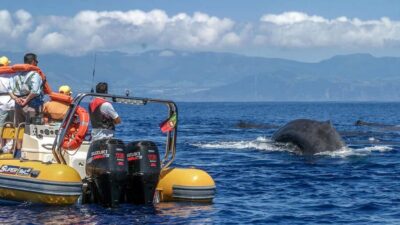
Whale Watching & Islet Boat Tour w/ Marine Biologist
Read our review →
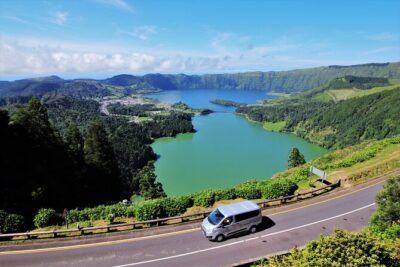
São Miguel West Full Day Tour with Setes Cidades Including Lunch
Read our review →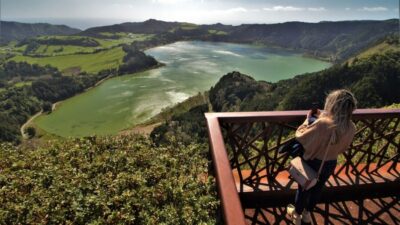
São Miguel East Van Tour with Lunch: Furnas & Nordeste
Read our review →
Browse the lists this tour appears in