Reviewed · THINGS TO DO IN PORTO
Museu das Marionetas do Porto
One room can teach you how to look at art differently. In the Museu das Marionetas do Porto, you get to see puppets as performance, craft, memory, and future all in one visit.
I especially like the interactive experimentation space, including a special room where you can manipulate puppets and even operate lights and sound. You also get performance excerpts that help you connect the objects on display to what they did on stage.
One practical drawback to consider: this museum is more about thoughtful exhibits than a long, maze-like walkthrough, so if you want a big, time-filling attraction, you may finish sooner than you expect.
In This Review
- Key things you should notice before you go
- A quiet Porto stop that rewards your attention
- Getting your bearings in an author museum
- The heart of the museum: puppets, props, and meaning
- Hands-on fun in the experimentation space
- Performance excerpts that connect objects to the stage
- Video guides in PT, EN, FR, ES, plus sign language
- Accessibility features that are genuinely built into the visit
- What the included visit really covers
- How long to plan for (and why 1 day is enough)
- Best times and pairing it with Porto sightseeing
- Who this museum is perfect for
- Price and value: what you get for about $4
- Should you book the Museu das Marionetas do Porto?
- FAQ
- What is the location of Museu das Marionetas do Porto?
- How much does the museum cost?
- How long should I plan for?
- What language options are available for the audio or video guides?
- Is the museum wheelchair accessible?
- What is included in the ticket?
Key things you should notice before you go
- Hands-on play: a dedicated space to manipulate puppets and test lights and sound
- Performance excerpts: clips that explain how the company’s work moves from idea to stage
- Multi-language support: video-guides in PT, EN, FR, and ES
- Accessibility that goes beyond the basics: tactile puppets, podotactile flooring, and audio description in PT
- Portuguese Sign Language video-guide: designed so more people can enjoy the museum’s story
- Good value: a low entry price for a museum experience that feels intentional and visitor-focused
A quiet Porto stop that rewards your attention
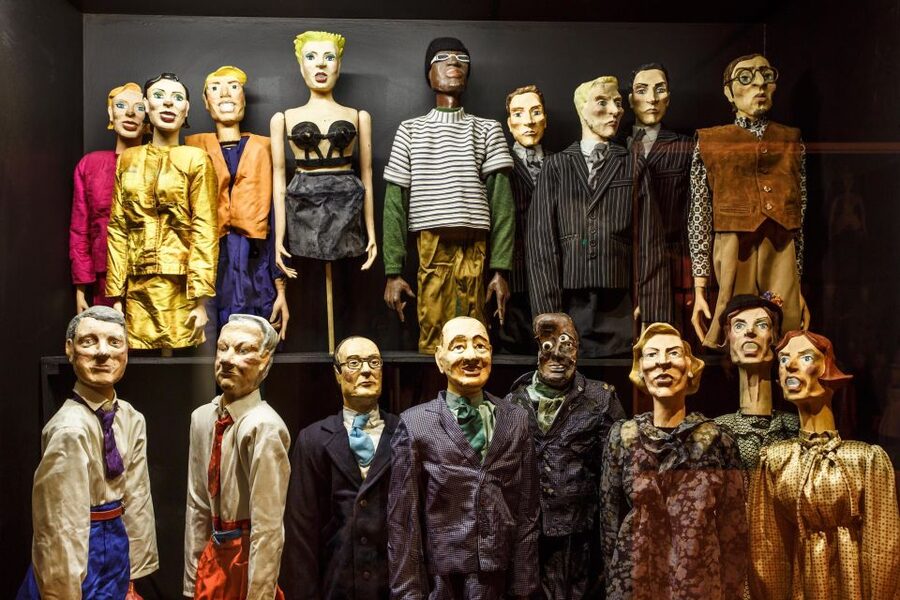
This museum is not trying to be loud or flashy. It’s the kind of place where you slow down, look closely, and then suddenly realize you understand puppet theatre better than you did before you walked in.
The museum centers on the work of João Paulo Seara Cardoso (1956 to 2010), the director and artistic director of Teatro de Marionetas do Porto. Think of it as an author museum, where the life of one creative mind shapes the whole visitor experience, from objects to stories to the way the exhibits are presented.
You’re also not just looking at puppets in glass. You’re seeing the tools and symbols the company used in performances, plus stories behind them. That makes the visit feel more personal and less like a standard collection.
More Things to Do in Porto
- The Unvanquished Tour in Porto City Center★ 5.0 · 26,497 reviews
- From Porto: Douro Valley w/ Boat Tour, Wine Tasting & Lunch★ 4.7 · 19,061 reviews
- Complete Douro Valley Wine Tour with Lunch, Wine Tastings and River Cruise★ 5.0 · 12,920 reviews
- Porto: Six Bridges Cruise★ 4.2 · 11,680 reviews
Getting your bearings in an author museum
The museum is designed around the idea that memory and future should share the same room. It opened officially in 2013, celebrating the company’s 25th anniversary. It later moved on September 29, 2016 from Rua das Flores no. 22 to a building next to the company’s headquarters in Rua de Belomonte.
That move matters. Being near the company helps keep the museum connected to ongoing puppet work, rather than becoming a static archive. The building is also credited to architect José Gigante, and the architecture supports a visitor-first experience, not just a shell for displays.
If you like museums where the story is clear, you’ll appreciate how the exhibits are built around the company’s world. It helps you understand what puppet theatre really is: craft, timing, sound, light, and performance technique all working together.
The heart of the museum: puppets, props, and meaning
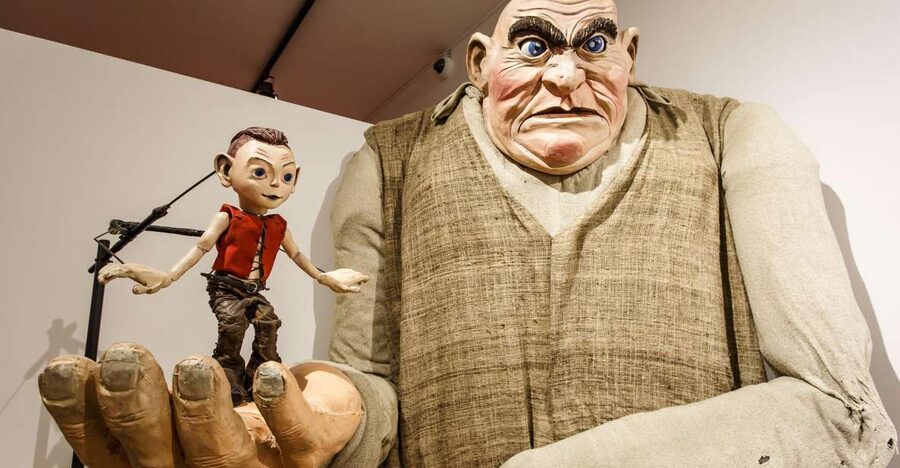
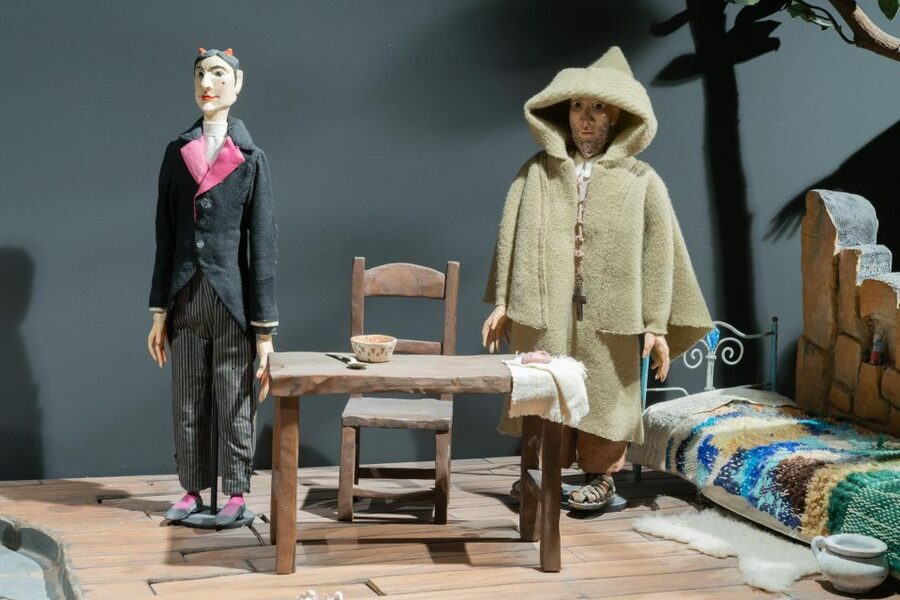
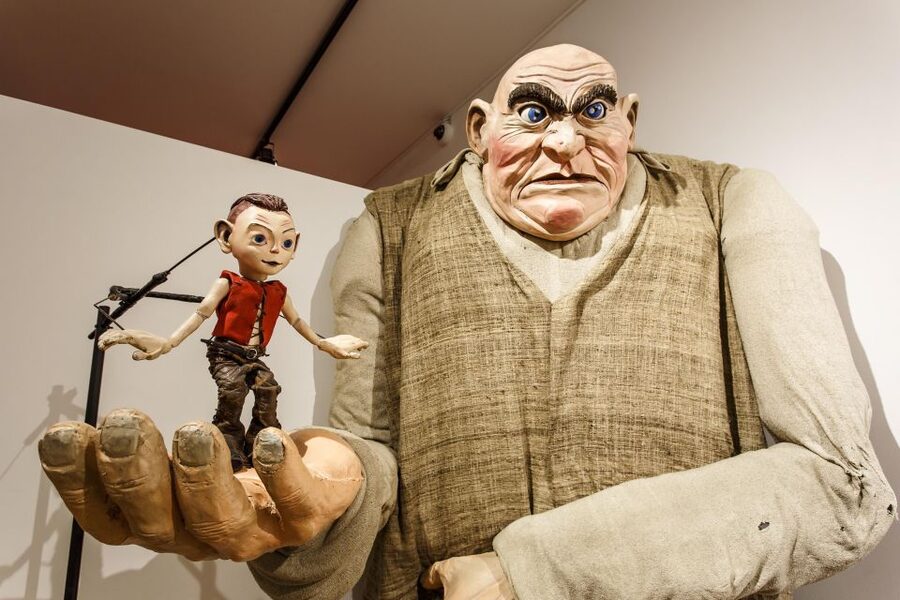
Most visits start with the basics: the puppets and stage objects tied to the company’s performances. You’ll see symbolic items and props, and those details are where the “author museum” idea becomes real.
Instead of treating puppets as costumes, the museum treats them as instruments. You’re guided to notice how each object supports a moment on stage, not just how it looks. Even if you don’t know puppet theatre terminology, the layout and the supportive guides make the logic easy to follow.
I also like that the museum includes stories connected to these objects. That turns the visit into more than visual appreciation. You begin to understand why certain pieces exist and what they contributed to the performance language of the company.
Hands-on fun in the experimentation space
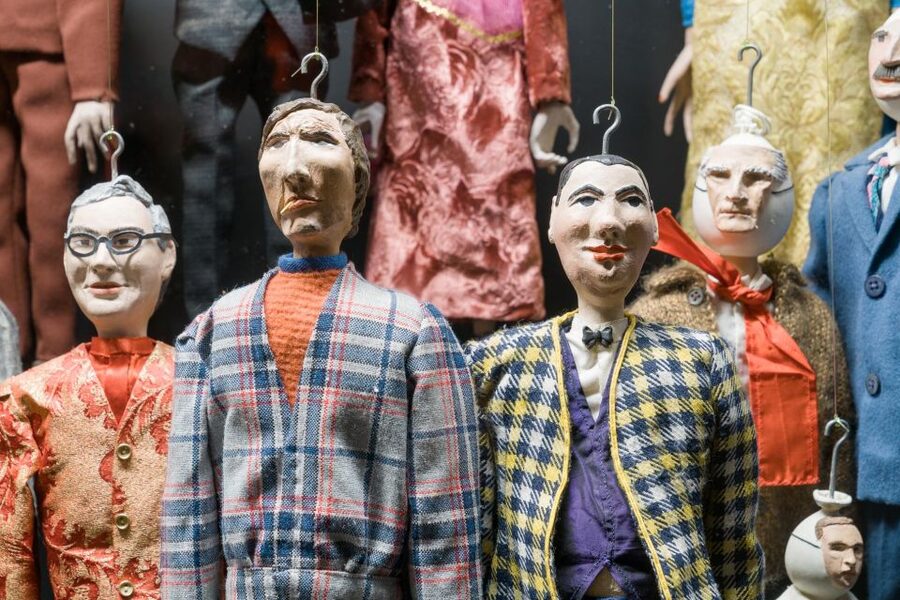
Here’s the part you’ll probably remember most: the museum includes an experimentation space built for active learning. The standout is a special room where you can manipulate puppets and even operate lights and sound.
This is not just a kid’s corner. It’s a smart way to teach how performance works. When you try the motion and timing yourself, you get a feel for how puppet theatre turns small movements into meaning. You also grasp how lighting and sound are not background elements, but part of the puppet’s voice.
If you’re traveling with kids, this is where the visit turns from “watching” into “doing.” And if you’re traveling solo, it still works, because the activity gives you a fresh lens for interpreting what you see in the exhibit rooms.
Performance excerpts that connect objects to the stage
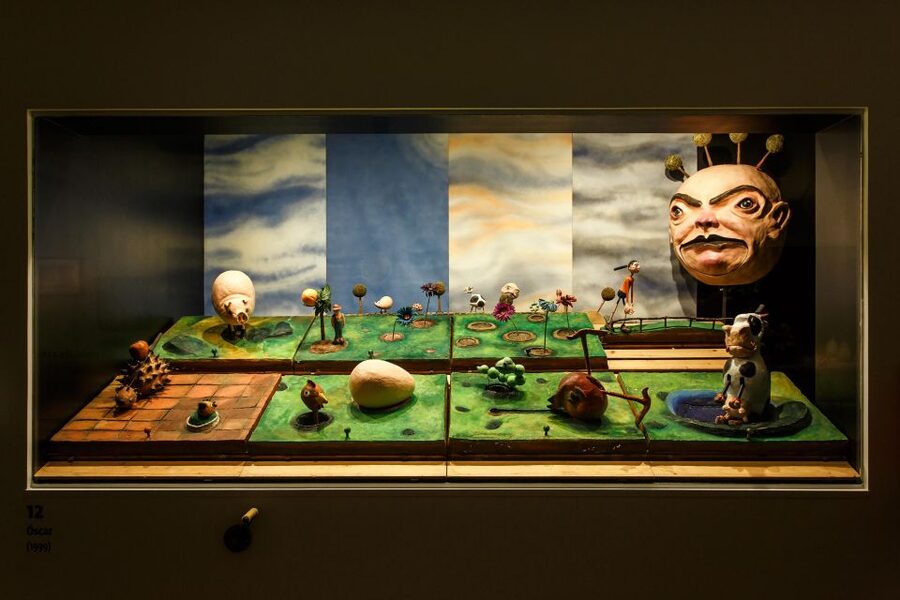
You’ll also find excerpts from performances of the company. This matters because puppets can look simple until you understand the choreography and voice behind them.
Those clips and excerpts help you see the gap the museum is trying to close: from still objects to live storytelling. When the museum shows you an excerpt alongside the related puppet or prop, your brain does the quick translation from craft to stage effect.
For me, that connection is the difference between a puppet museum that’s only visual and one that explains the art form. Here, you’re getting both.
When the light changes over Porto, try these:



Video guides in PT, EN, FR, ES, plus sign language
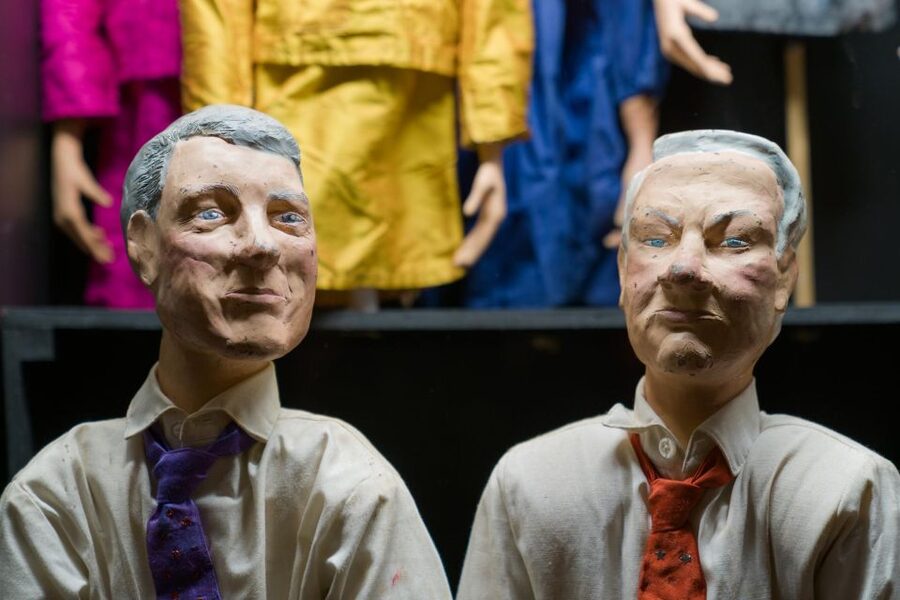
The museum offers video-guides in Portuguese, English, French, and Spanish. That’s excellent for visitors who want context without crowding around a small group guide.
There’s also a video-guide in Portuguese Sign Language. That’s a big deal in practice, not just in theory. It means the museum’s storytelling isn’t limited to printed labels or a single audio channel. You can follow the narrative in a format that fits more visitors.
If you prefer audio explanations, the support system here is built for that too. You also have access to audio description in PT for parts of the experience.
Accessibility features that are genuinely built into the visit
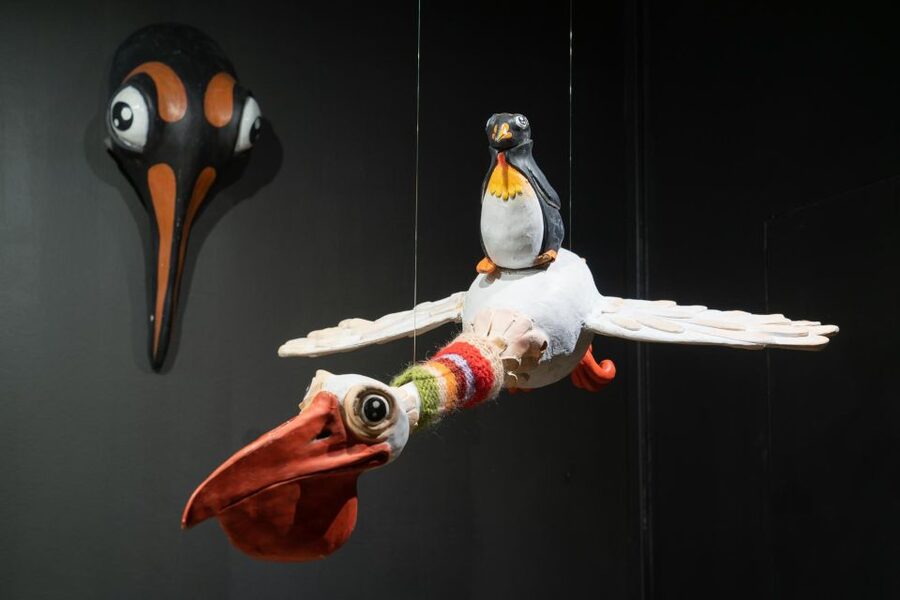
Since 2017, the museum has operated as an inclusive museum, and the accessibility features are part of the design, not just add-ons.
You’ll find tactile puppets for touch-based exploration, and podotactile flooring to help with navigation and orientation. There’s also audio description in Portuguese.
When a museum includes these elements, you don’t have to switch to a “separate” experience. The visit becomes more shared. Even if you don’t need these supports yourself, you’ll likely notice how carefully the museum is thinking about how people move through and understand the space.
And yes, it’s wheelchair accessible, which matters a lot if you’re traveling with mobility needs. It’s hard to overstate how much easier a museum feels when the route and surfaces are planned.
What the included visit really covers
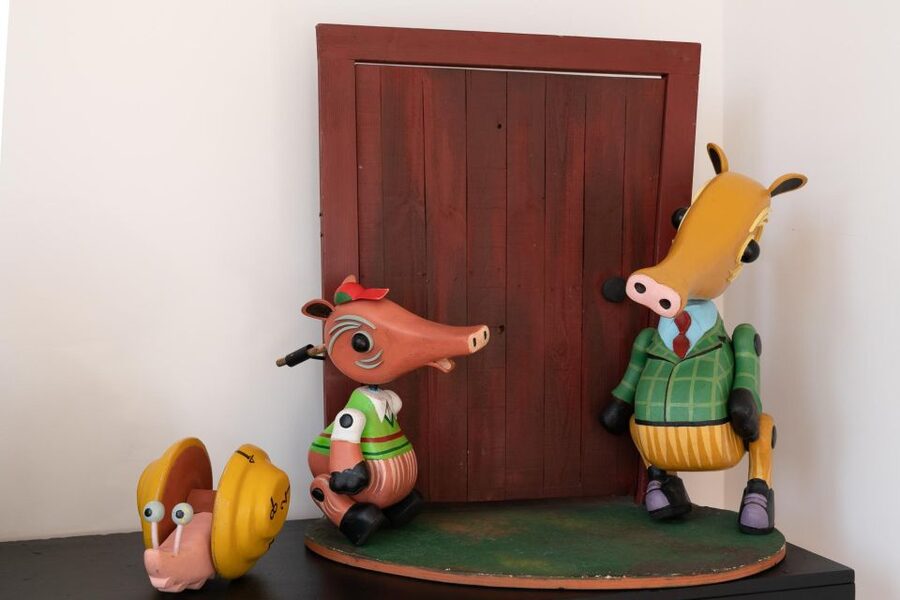
Your ticket includes a museum visit with video-guides in multiple languages, an experimentation space, and a children’s area. In plain terms, you’re not paying for just passive viewing. You get guided context plus a chance to interact.
That’s why the price feels right. The cost is listed around $4.13 per person, and for this kind of focused, activity-based experience, it’s strong value. You’re paying for interpretation, translation into several languages, and physical experiences like tactile exploration and hands-on control.
Also, the museum is rated very well, with visitors highlighting the cost-benefit and the fact that it works for families. That matches the experience design: short enough to stay friendly, structured enough to feel meaningful.
How long to plan for (and why 1 day is enough)
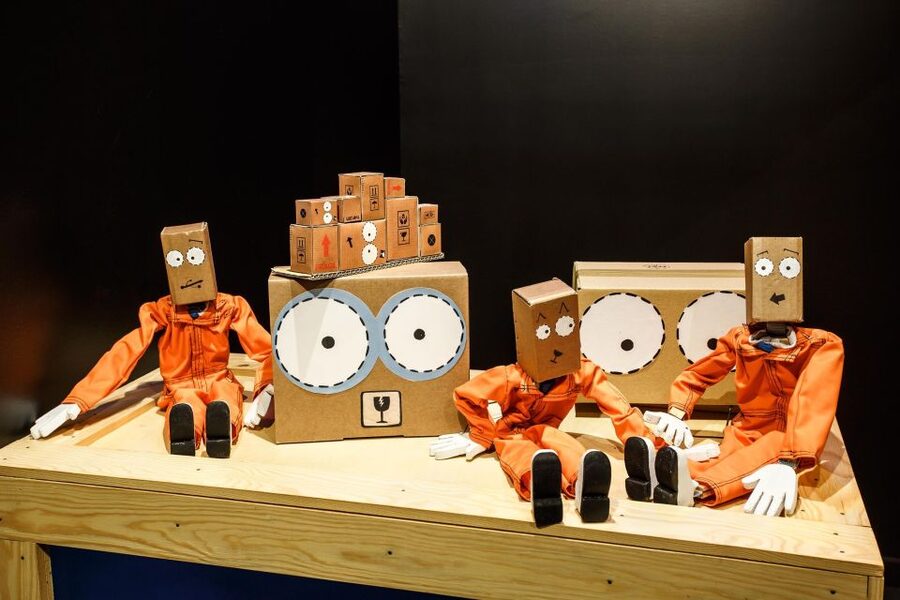
The duration is listed as 1 day, but don’t assume you need a full day. This museum tends to feel like a “short and sweet” stop in the best way. You can likely fit it into a half-day plan, especially if you use the video-guides while you walk.
If you’re the kind of traveler who reads every label and replays audio descriptions, you may stretch it a bit. If you prefer moving quickly, you’ll still get the full experience because the highlights are built into different zones.
A practical tip: if you’re using multiple languages or sign language videos, give yourself a little extra time so you don’t feel rushed.
Best times and pairing it with Porto sightseeing
The museum sits in the Norte Region, in the Porto area near the company’s headquarters. Because it’s a calm, smaller attraction, it works well on days when you want a break from long outdoor walking.
Pair it with nearby cultural sights in the same general neighborhood. It’s also a nice choice if you’re traveling with kids who need something interactive and inside.
One note: since it is an author-focused museum, it’s less about general puppet history and more about one creative voice and company. If you’re only mildly interested in puppet theatre, you might still enjoy the hands-on room. But if you want a broad survey of puppetry worldwide, you’ll probably find this more specialized.
Who this museum is perfect for
This is an easy recommendation if you fall into any of these groups:
- Families, because the experimentation space and children’s area make it feel playful without becoming chaotic
- Travelers who like small museums with clear storytelling and strong design
- People who care about accessibility and inclusive museum planning
- Anyone who wants to understand puppet theatre as a system of craft, sound, and performance timing
If you prefer museums that are mostly hands-off and purely visual, you may enjoy it, but you might spend less time in the interactive areas. Still, the tactile and navigation features are worth experiencing even for curious sighted visitors.
Price and value: what you get for about $4
At around $4.13 per person, the museum is priced for accessibility in a real way. You’re paying for multiple layers of interpretation: video-guides across several languages, sign language support, and audio description in PT.
You’re also getting physical engagement through tactile puppets and the special lights-and-sound manipulation room. That combination is what makes the cost feel fair rather than cheap. It’s not only a “look and go” museum. It’s a structured experience that teaches you how puppetry works.
If you’re on a budget, this is exactly the kind of stop that keeps a trip feeling rich without draining your wallet.
Should you book the Museu das Marionetas do Porto?
I think it’s a good booking if you want a meaningful Porto activity that’s small, thoughtful, and visitor-friendly.
Book it if:
- you’re traveling with kids or want hands-on learning
- you appreciate accessibility features that are designed into the museum experience
- you like culture stops that connect objects to performance, not just display them
Skip it or reconsider if:
- you’re looking for a massive, time-intensive museum day
- you want a broad global history of puppetry rather than a focused author and company story
If you like practical experiences where you can touch, test, and understand, this museum earns its place on a Porto itinerary.
FAQ
What is the location of Museu das Marionetas do Porto?
It’s in the Norte Region of Portugal.
How much does the museum cost?
The listed price is about $4.13 per person.
How long should I plan for?
The experience is listed as lasting 1 day.
What language options are available for the audio or video guides?
Video-guides are available in Portuguese, English, French, and Spanish, and there is also a video-guide in Portuguese Sign Language. Audio description is available in Portuguese.
Is the museum wheelchair accessible?
Yes, it is wheelchair accessible.
What is included in the ticket?
Your ticket includes a museum visit with video-guides, access to the experimentation space, and a children’s area.
What Porto sent us most recently
- Bike or E-Bike Tour of Porto and Atlantic Coast
★ 5.0 · 39 reviews - Porto: Premium Douro Valley Small-Group Tour, Cruise & Lunch
★ 4.9 · 39 reviews - Off the Beaten Track in Porto: Private City Tour
★ 5.0 · 39 reviews - Porto: 50-Minutes Rabelo Boat Cruise on the Douro River
★ 3.8 · 39 reviews - Porto: Graham’s Port Lodge Tour and Port Essentials Tasting
★ 4.9 · 39 reviews - Port : Small-Group 6 Bridges, Douro River Sunset Cruise w/ Drink
★ 5.0 · 39 reviews - Douro Valley Premium Private
★ 5.0 · 39 reviews - Surf Lesson | Surf Lessons
★ 5.0 · 39 reviews
Things to Do in Porto, compared.
The Unvanquished Tour in Porto City Center
Read our review →
Douro Valley w/ Boat Tour, Wine Tasting & Lunch
Read our review →
Complete Douro Valley Wine Tour with Lunch, Wine Tastings and River Cruise
Read our review →

Douro Valley with Winery Lunch, Tastings & Cruise
Read our review →