
Reviewed · WHALE WATCHING
Pico Island: Azores Whale & Dolphin Watching on Zodiac Boat
Whales just off Pico change your pace. This Zodiac outing is built for real whale and dolphin watching with a marine guide, plus time to scan for birds and turtles along the coast. The main catch is you are at sea, so waves can be rough and you might get wet, especially in choppy conditions.
I love how the tour blends safety with serious wildlife care. You start with hands-on life-vest and waterproof gear, then the crew takes a careful approach so animals aren’t pushed or rushed. One other small drawback to know: a few people found the Zodiac ride less comfortable when the ocean is bumpy.
The payoff is the guided animal story. You get an intro to how whales and dolphins communicate and behave, and many trips end with a clear rundown of what you saw, often with a species ID card.
In This Review
- Key things I’d pin to your plan before you go
- Why Pico Island and Lajes do Pico are a whale watching sweet spot
- Getting started at the Whale Watching Center: what the launch day feels like
- The gear really matters: waterproof top, life vest, and staying functional
- The guided wildlife search: how the crew finds cetaceans
- What you can realistically spot: dolphins, sperm whales, blue whales, turtles, and birds
- What the ride adds: shoreline views, photo moments, and the rhythm of sightings
- If the sea gets rough: what to do with choppy water and wet clothing
- The best part for non-experts: learning what you are seeing
- Price and value: is $53 per person worth it?
- Who should book this Pico whale and dolphin Zodiac tour
- Should you book Aqua Açores on Pico Island?
- FAQ
- How long is the whale and dolphin watching tour?
- Where do I meet for the tour in Lajes do Pico?
- What gear is included?
- What should I bring with me?
- Are pets or smoking allowed?
- Who is the tour not suitable for?
Key things I’d pin to your plan before you go
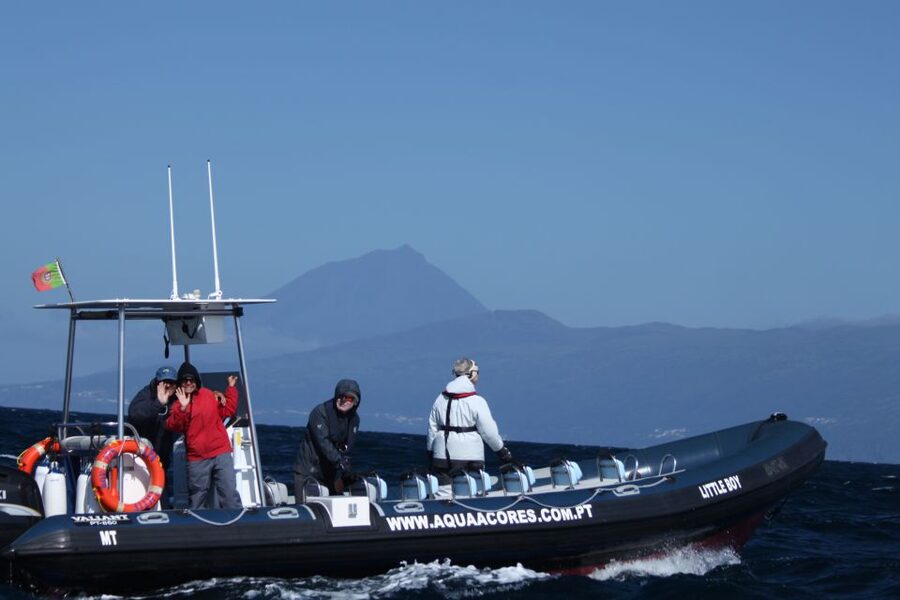
- Zodiac ride from Lajes do Pico harbor for fast scanning of the shoreline and open water
- Slow, careful approaches aimed at animal well-being
- Over 25 cetacean possibilities in the Azores area, so you are not limited to one species
- More than whales including dolphins, sea turtles, and seabirds in the mix
- Photo time for Pico’s sweeping coast between wildlife sightings
- Guides who actually explain behavior, not just point and hope
Why Pico Island and Lajes do Pico are a whale watching sweet spot
Pico Island sits in the Azores, which means you are in one of Europe’s best regions for marine life. The ocean here can be dramatic, but that is part of the reason wildlife shows up where your boat can reach it. This tour is designed for active searching, not a passive cruise.
What makes this experience feel worth your time is the combination of local waters and a guide who can translate what you are seeing. I like tours where the boat goes out with a plan, and the guide helps you read the ocean, from breathing patterns to group behavior. In the best moments, you go from spotting a spout at a distance to understanding what the animal is likely doing.
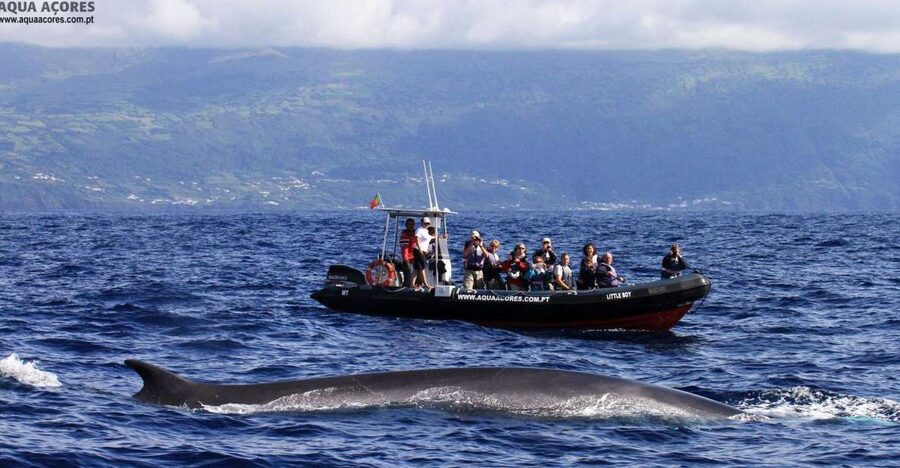
You should also know what people commonly report seeing. Sperm whales are a frequent highlight, and blue whales come up too. Dolphins are the other big win, with multiple dolphin groups sometimes seen in one outing. Even sea turtles show up on some trips, which keeps the “wow” factor going beyond just whale sightings.
More Portuguese water, engine low:
- Azores: Whale Watching & Islet Boat Tour w/ Marine Biologist★ 4.7 · 2,945 reviews
- São Miguel: Whale-Watching Cruise with Marine Biologist★ 4.6 · 1,311 reviews
- São Miguel: Glass Bottom Boat Tour with Snorkeling★ 4.7 · 633 reviews
- Vila Franca Islet: Bioligist Guided 0% Carbon e-Boat Tour★ 4.6 · 420 reviews
Getting started at the Whale Watching Center: what the launch day feels like
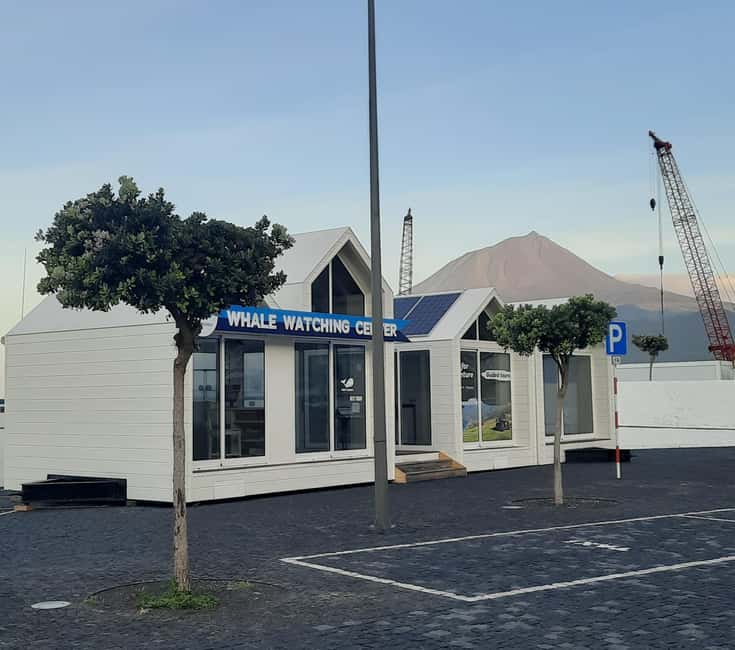
You meet at the entrance of Lajes do Pico harbor, and you will look for Whale Watching Center in big letters. From there, you keep it simple and follow the crew’s direction, because the whole experience is timed around being on the water during good wildlife activity windows.
Before you go out, there is a short safety briefing. This matters more than most people think, because a Zodiac ride is quick and close to the waterline. The crew’s goal is to get you squared away on how to move safely on board, what to expect if the sea turns, and how life vests and waterproof layers work in practice.
If you have a good day on the water, you feel the pace immediately. A Zodiac can put you in position fast, so you spend less time sitting around and more time scanning. If conditions are rough, that same speed means you feel the ocean too, so bring the attitude that this is weather-dependent.
The gear really matters: waterproof top, life vest, and staying functional
One of my favorite parts of this tour is that the essentials are handled for you. You are provided a waterproof top and a life vest, plus insurance included in the price. That combination is practical on the Azores, where wind and spray can show up fast, even when the day starts fine.
A waterproof top helps you stay warm enough to actually enjoy watching, not just endure it. And the life vest means you can relax your body instead of constantly thinking about balance. In choppy weather, that mental comfort is huge.
Still, think like a sailor for a second. Wear comfortable clothes that you can move in, and add layers under the waterproof top. Bring sunscreen and a sun hat because you are out on open water with strong sun and wind, which dries you out quickly. If you are prone to motion sickness, the tour recommends taking a seasickness pill about 30 minutes before you head out.
The guided wildlife search: how the crew finds cetaceans
This is not a random drive around the bay. The tour runs as a guided wildlife hunt, with a marine wildlife guide explaining what you are likely to see and why it matters. You are also told about other marine species, their natural habitats, communication styles, migration patterns, and behavioral features. In other words, you learn how to interpret sightings, not just collect photos.
From the experiences shared by recent participants, I’ve seen the value of having the crew look ahead. Some trips include spotters searching for animals, and that scouting can make the difference between a quiet outing and an action-packed one. On a day when spotters do not find wildlife before departure, the operator may still offer you the choice to go out anyway, or to reschedule or get a refund, depending on conditions.
A big trust signal here is the care around animal interaction. Multiple accounts stress that the captain and guides aim to approach slowly and not overcrowd the scene. That kind of animal-first thinking is what keeps the encounters more natural, and it usually means you get better viewing time.
You might also hear different guide styles depending on who is leading. Names like Raísa, Vania, and Monica come up in accounts, and people consistently describe the guides as enthusiastic, energetic, and focused on keeping the group safe while still chasing good sightings. Even the captains get recognition, like Nelson in one account, for being experienced and considerate.
What you can realistically spot: dolphins, sperm whales, blue whales, turtles, and birds
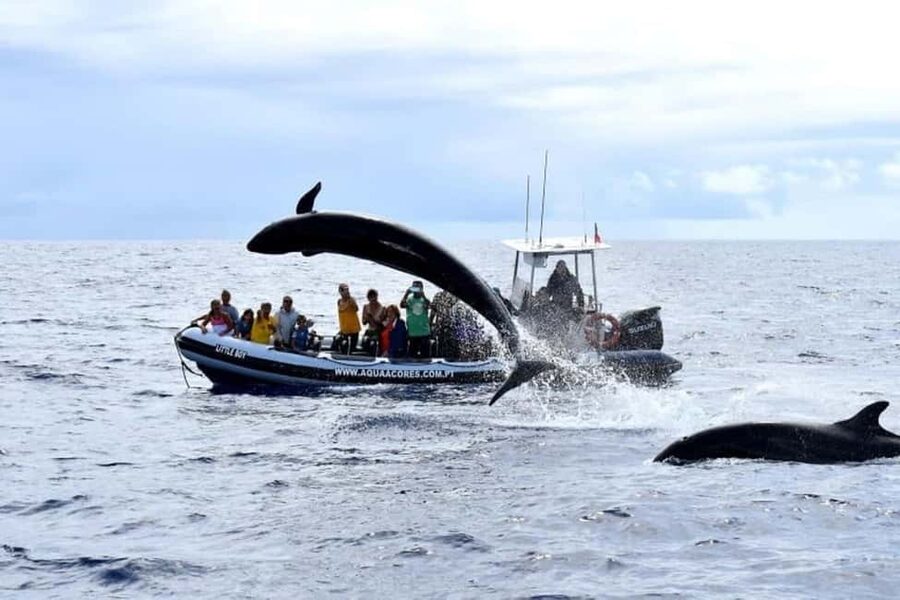
The tour talks about spotting more than 25 cetacean species that can be found in the Azores. That number is exciting because it sets expectations: this region is not one-species magic. Instead, your chance is tied to season, ocean conditions, and where animals are feeding or traveling.
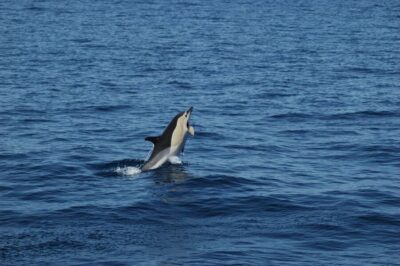
In real-world outcomes, dolphins are the most consistent highlight. People report plenty of dolphins, including multiple dolphin groups in a single outing. Pilot whales also come up in accounts, and that matters because it shows you are not only looking for one type of cetacean behavior.
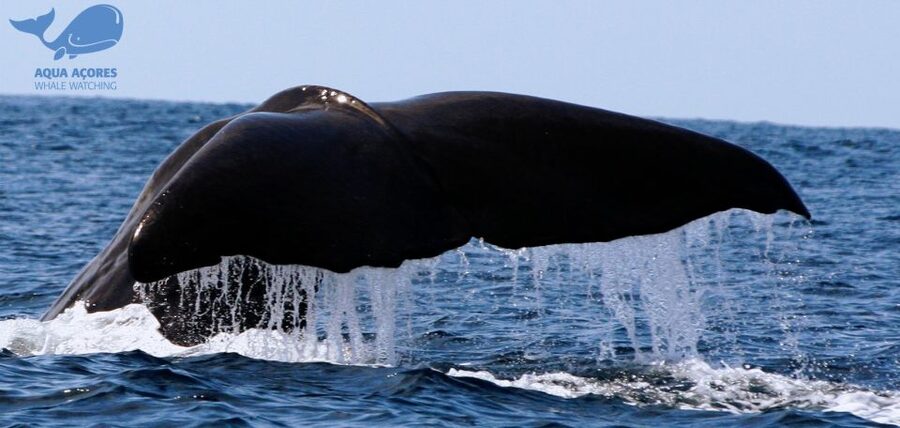
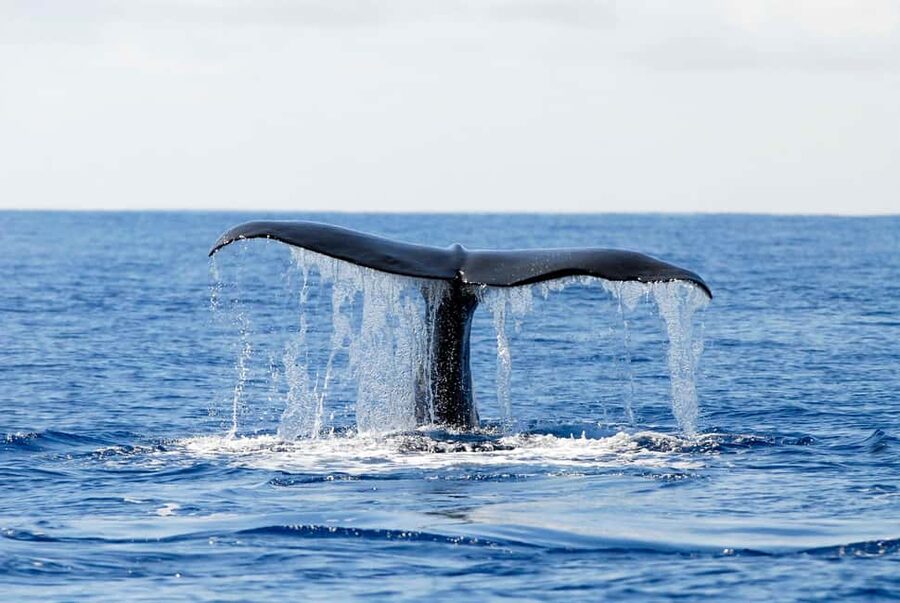
For whales, sperm whales are frequently mentioned. One account even describes a baby sperm whale sighting, which is the kind of moment that feels oddly intimate, even at a safe distance. Blue whales also show up in accounts, including a mother and baby blue whale. When you get a big whale encounter, your perspective shifts fast, because the size and breathing cadence are unlike smaller animals.
Sea turtles appear too, though not every trip. Birds also fit into the “keep your eyes moving” approach, because seabirds can indicate where prey is active. When birds and marine mammals show up in the same zones, it often means the ocean is doing something food-related that day.
More dolphin pods off the headlands:


What the ride adds: shoreline views, photo moments, and the rhythm of sightings
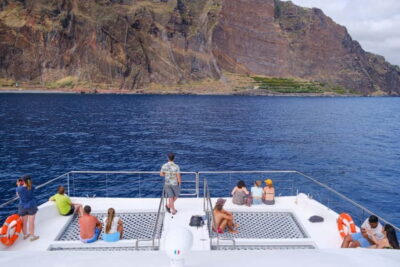
Beyond wildlife, this tour gives you a front-row view of Pico’s coastline. You can snap pictures of the sweeping shoreline as you cruise along, and those coast shots are practical travel memories. They help you remember the feeling of the island even if you only catch brief wildlife glimpses.
The rhythm on the water is usually: scan, slow down, adjust position, watch, then move when the action shifts. That pacing is why a Zodiac works for this kind of tour. You can change where you are quickly enough to catch surfacing patterns and group movement.
A few people also mentioned the speed of the Zodiac when waves hit. That is fun if you enjoy motion and quick turns, but it is also the reason you can get soaked. If you hate being wet, treat this as a “plan for spray” experience, not a dry sightseeing cruise.
If the sea gets rough: what to do with choppy water and wet clothing
The Azores can deliver wind and rough water. One key detail I like here is that the tour is run with safety decisions in mind, not just stubbornness. If conditions make it unsafe or unproductive, you might see the outing shortened, or be offered a reschedule or refund.
Even when the tour goes ahead, you should expect the possibility of getting soaked. Several accounts describe being completely wet as part of the experience, which sounds annoying until you realize everyone is in the same boat and the crew is focused on safe viewing.
If you want to reduce the misery factor, dress for function. A jacket plus sunscreen plus a hat helps, but in truly rainy spray, waterproof layers are what save your comfort. Since you receive a waterproof top, bring warm layers underneath and keep spare clothing handy for after.
The best part for non-experts: learning what you are seeing
One reason this tour scores high is the guide’s explanation style. The marine wildlife guide introduces cetaceans with an emphasis on behavior: communication, migration patterns, and how animals act around feeding or movement. That turns the whole trip into something you carry home, instead of a checklist of sightings.
People often mention feeling well cared for by the guide and captain, and that shows up in the way the group is managed. You get direction on where to look and how to stay safe while maintaining viewing time. In accounts involving guides like Vania, people specifically mention friendliness and strong care for the group, along with an informative approach.
You also come away with a tangible summary. Many outings include welcome refreshments when you return, and people describe juice and crackers on board or shortly after. A species ID card is another nice touch, because it gives you something concrete to compare with your own photos later.
Price and value: is $53 per person worth it?
At about $53 per person, this tour sits in a mid-range pocket for whale and dolphin watching. Whether it feels like a great deal comes down to two things: what you see and what you learn.
You are paying for guided searching, a Zodiac ride, and safety gear. You also get insurance included, plus a guide and skipper, and the waterproof top and life vest. For a lot of travelers, that is the value sweet spot: you pay once, and you show up with the right mindset and clothing, not a pile of rental items.
Then there is the wildlife outcome. When you see multiple dolphin groups and at least one whale species, it feels like strong value. When you get a blue whale or sperm whale sighting, it becomes a memory you keep for years. Even on days with fewer sightings due to weather, people still describe the experience as fun, especially because the guide helps you understand what you are seeing rather than leaving you to guess.
So I’d treat the $53 as a fair gamble with high potential. If the ocean is uncooperative, you might not get your target whale, but you still get a guided marine experience around Pico.
Who should book this Pico whale and dolphin Zodiac tour
This tour is a good match if you want guided nature time with real movement. If you like being out on the water, scanning actively, and listening to explanations, you will probably enjoy it a lot.
It is also suitable for adults who can handle being on a small boat in variable weather. You should be comfortable with the idea of wind, spray, and quick shifts in position. One account mentions doing the tour twice to increase the chance of seeing more wildlife, which tells you how much people value repetition here.
On the other hand, it is not suitable for children under 2 years, pregnant women, or people with back problems. That is important because the Zodiac ride can be bouncy and involves getting in and out on a harbor environment. If you fall into one of those categories, look for a different type of marine excursion that is calmer and more stable.
If you are motion sickness prone, plan ahead with the recommended seasickness pill 30 minutes before boarding and wear clothing you can stay in comfortably even if you get wet.
Should you book Aqua Açores on Pico Island?
Book it if you want an active, guide-led wildlife outing from Lajes do Pico, with waterproof gear and a captain who treats the animals with care. The strongest reason to go is the chance to see whales and dolphins while learning how to interpret behavior, not just watch from a distance.
Skip it if you know you cannot handle choppy water or if your health situation falls into the tour’s non-suitable categories. Also, if you expect a smooth, dry sightseeing cruise, adjust your mindset. This is a Zodiac boat experience, so weather will shape the day.
If you match that profile, you are set up for one of those Azores tours that turns into a story you tell easily, with photos that actually feel like they belong to Pico.
FAQ
How long is the whale and dolphin watching tour?
The experience runs for about 2.5 hours.
Where do I meet for the tour in Lajes do Pico?
Meet at the entrance of Lajes do Pico harbor, looking for Whale Watching Center written in big letters.
What gear is included?
You get a guide and skipper, a Zodiac rib boat ride, a waterproof top, a life vest, and insurance.
What should I bring with me?
Bring a sun hat and sunscreen, plus a jacket and comfortable clothes suitable for the weather.
Are pets or smoking allowed?
Pets are not allowed, and smoking is not allowed during the tour.
Who is the tour not suitable for?
It is not suitable for children under 2 years, pregnant women, or people with back problems.
What the Azores sent us most recently
- Canyoning Experience at Ribeira Grande
★ 4.8 · 117 reviews - Vila Franca Do Campo: Introduction to Scuba Diving Tour
★ 5.0 · 117 reviews - Azores Canyoning Adventure in São Miguel – Half-day
★ 4.5 · 122 reviews - E-bike Sete Cidades- “All Mountain” bike program
★ 5.0 · 126 reviews - Ponta Delgada: Pineapple wine tasting and pineapple tour
★ 4.8 · 127 reviews - São Miguel 2-Day Tour: East & West Highlights Adventure
★ 5.0 · 130 reviews - From Angra: Terceira Island Full-Day Tour
★ 4.9 · 133 reviews - Rabo de Peixe: Sperm Whale Sanctuary Expedition
★ 4.8 · 135 reviews
Whale Watching, compared.
Whale Watching & Islet Boat Tour w/ Marine Biologist
Read our review →
Funchal Bay: Dolphin & Whale Watch Luxury Catamaran Cruise
Read our review →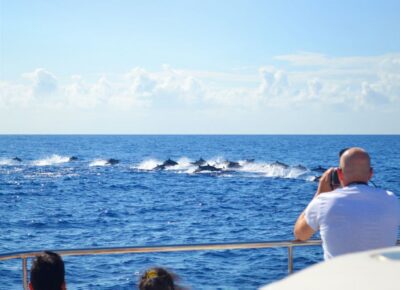
All Inclusive Whale and Dolphin Watching Luxury Tour
Read our review →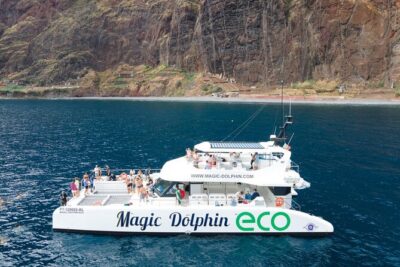
Madeira Dolphin and Whale Watching on a Ecological Catamaran
Read our review →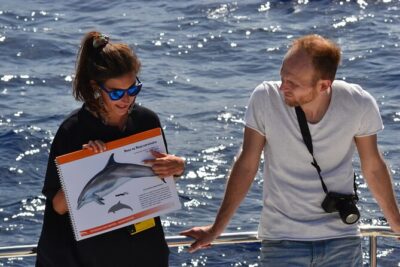
Browse the lists this tour appears in