
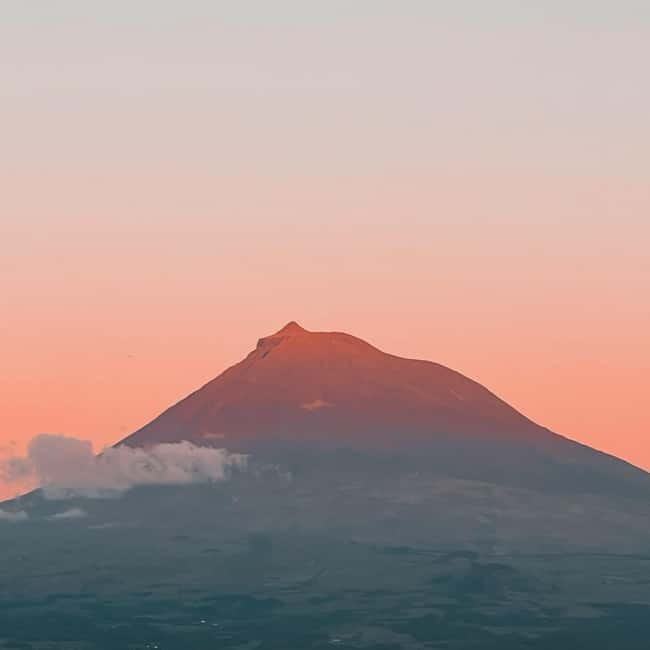
Reviewed · THINGS TO DO IN THE AZORES
Pico Mountain Climb: Portugal’s Highest Point – 2351 meters
Pico is the kind of hike that makes you sit up straighter. You climb to Portugal’s highest point, 2351 meters, through volcanic terrain, then stand in and around the volcano crater and lava cone with guides keeping the route safe and clear. I love two things most here: the panoramic views when the weather cooperates, and the way the guides turn a hard trek into a calm, doable experience. One thing to consider is the descent, which can feel tougher than the climb, especially if you have sensitive knees or you are not used to steep, uneven ground.
You start at Mountain House in Madalena, get a safety briefing and equipment check, then head out on an 8 km trail through Mount Pico Natural Reserve. I also like that the itinerary builds in short breaks and photo stops, then saves more of the steady work for the longer hiking sections. The only drawback is that this is not a casual walk, and it is not suitable for everyone, including children under 12, people with low fitness, and anyone with mobility or back issues.
If you show up with the right attitude, you will leave with the kind of accomplishment that sticks.
In This Review
- Key points worth knowing before you go
- Pico Mountain Climb: Portugal’s Highest Point, Without Guesswork
- Starting at Mountain House in Madalena: The Setup That Changes the Day
- Safety Briefing, Equipment Check, and Walking Sticks That Pay Off
- The First Stretch: Viewpoint Break and a Quick Photo Moment
- Mount Pico Natural Reserve: Guided Hiking Through the Main Work
- Secret Stop and Extra Photo Breaks: Worth Using, Not Rushing
- Approaching the Crater: Coffee, Fumaroles, and That Volcano Feeling
- The Summit Moment and the 2351-Meter Accomplishment
- Descent Mode: More Intense Than You Think
- The Full 7-Hour Flow: How Each Stop Fits Together
- Who This Tour Suits Best (and Who Should Skip It)
- Price and Value: Why $93 Feels Fair for a Summit Day
- Practical Packing Advice: What to Bring, What to Avoid
- Final Verdict: Should You Book the Pico Mountain Climb?
- FAQ
- How long is the Pico Mountain climb tour?
- How high is Pico Mountain on this hike?
- How far is the trail during the climb?
- What is included in the price?
- What should I bring with me?
- Are there any footwear rules?
- Is the tour offered in multiple languages?
Key points worth knowing before you go
- 2351 meters: You are hiking to Portugal’s highest point, so the stakes feel real.
- Volcanic terrain all the way: Route is built on volcanic rock with a steep average slope of 30 percent.
- Guides handle the tricky bits: Guides lead the group, manage safety, and help you keep your footing.
- Free coffee at the summit area: A small perk, but it hits after the climb.
- Photos and videos included: Your guide captures your day, so you can spend less time wrestling a camera.
- Descent needs respect: Expect more intensity on the way down, especially if visibility turns foggy.
Pico Mountain Climb: Portugal’s Highest Point, Without Guesswork
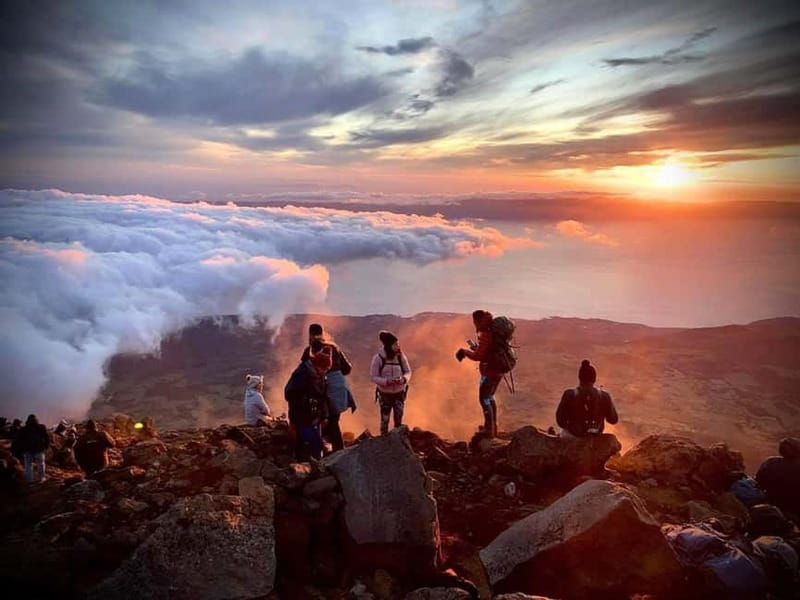
Pico Mountain is not just about reaching a number on a map. It is about doing it on a steep volcanic path, with crater and lava-cone scenery that makes it obvious you are standing on active geology. When the sky clears, the views can feel huge, like the island opens up in every direction.
The big reason I recommend a guided climb is simple. On a mountain like Pico, you do not want to improvise route choices or figure out what looks safe when the ground is uneven and the air can turn foggy. With a guide with you, the focus becomes pacing, footing, and enjoying the moment, rather than worrying about navigation.
At $93 per person for a 7-hour experience, this also feels like decent value for what you get: professional guidance, personal accident insurance, and included photos and videos, plus walking sticks. You still need to bring your own hiking shoes, water, and snacks, but the core support is there.
More Things to Do in the Azores
- From Ponta Delgada: Whale and Dolphin Watching Trip★ 4.7 · 4,109 reviews
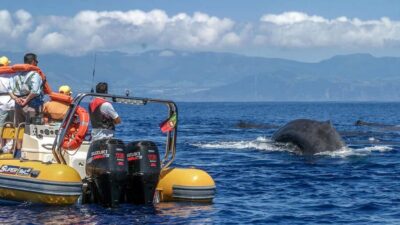
- Azores: Whale Watching & Islet Boat Tour w/ Marine Biologist★ 4.7 · 2,945 reviews
- São Miguel West: Full-Day Van Tour with Lunch★ 4.9 · 1,948 reviews
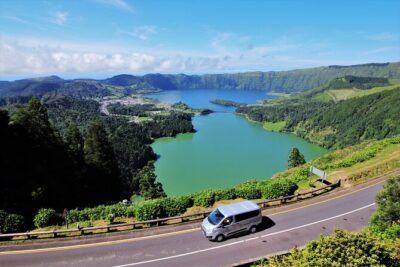
- São Miguel West Full Day Tour with Setes Cidades Including Lunch★ 5.0 · 1,605 reviews
Starting at Mountain House in Madalena: The Setup That Changes the Day
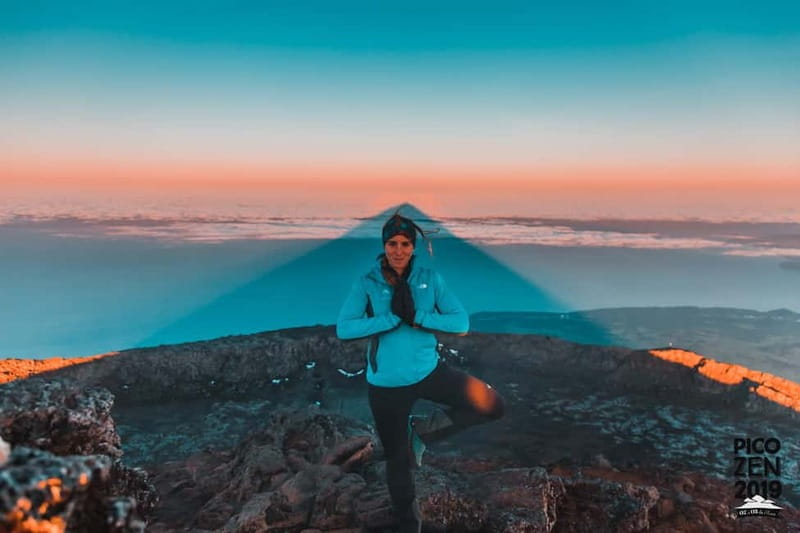
Your day begins at Mountain House in Madalena, and check-in happens there. The meeting matters because you get organized fast, and you start with a group that has the same goal and the same time pressure, which helps everyone move smoothly.
Right after you meet up, you get a safety briefing that lasts about 10 minutes. This is not a long lecture, it is the practical stuff. Expect an equipment check, plus reminders about what to watch for on volcanic rock, loose stones, and steep grades.
If you are the kind of person who hates being rushed, I actually like the pace of this first phase. You are not thrown onto the mountain immediately. You are lined up with a plan, and then you go.
Safety Briefing, Equipment Check, and Walking Sticks That Pay Off
This climb is steep. The trail uses volcanic rock, and the average slope is listed at 30 percent, so your legs will notice quickly. Walking sticks might sound like a small detail, but they are the difference between battling the terrain and managing it.
The guides also take the safety part seriously. In past groups, guides like Isabel, Raisa, Pedro, and Nuno were praised for keeping people comfortable and safe, and for pacing the group so nobody gets left behind. More than once, the themes are: you get clear direction, the guide stays aware of footing, and the group stays on track.
One practical consideration: the tour is described as not suitable for people with low fitness, back problems, mobility impairments, or wheelchair users. If you are on the edge physically, do not try to power through just because you want the summit photo. This is a real hiking effort, especially near the end and on the way down.
The First Stretch: Viewpoint Break and a Quick Photo Moment
After the initial setup, you stop at a viewpoint area for a short 5-minute break and a photo stop. This is a small moment, but it serves a purpose: you reset, you look around, and you confirm what the day feels like at the start.
This is also where you start to understand the mountain’s mood. If weather is clear, you can enjoy the early sight lines. If conditions are cloudy, you will still benefit from learning what the terrain looks like before you get deeper into the reserve.
Keep this short stop in mind. You are not meant to “take a long break” here. It is a reset, then you keep moving.
Mount Pico Natural Reserve: Guided Hiking Through the Main Work
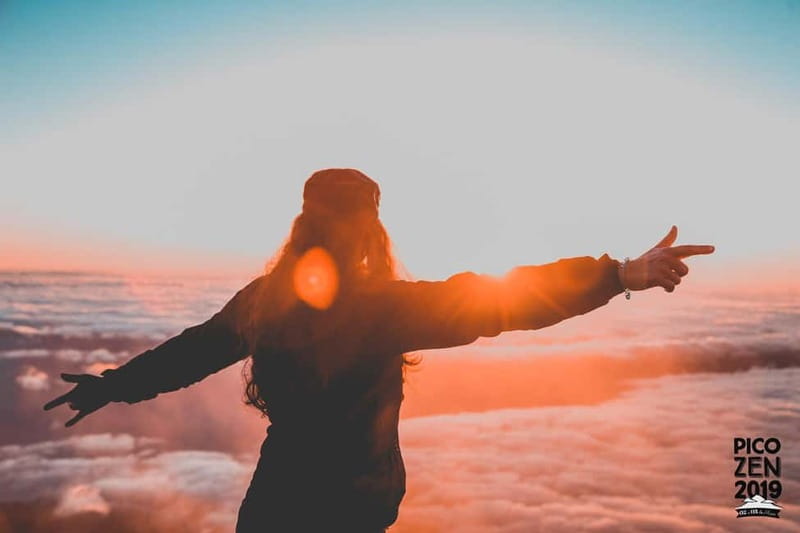
Once you leave the viewpoint, the schedule places you in Mount Pico Natural Reserve for guided hiking segments. You will spend about 1.5 hours in one of the early guided stretches, then later another 2 hours guided, plus more guided time in additional reserve sections.
Why this matters: the reserve setting is where the hike becomes more than a trail. The volcano terrain, the gradients, and the ground textures all demand attention. A guide’s job here is to keep you aligned with the route, help you handle looser rocks or uneven patches, and keep the pace steady as the terrain gets harder approaching the top.
From an enjoyment standpoint, this is where your “rhythm” gets set. If you start too fast, the descent will punish you later. If you pace smartly early, you conserve energy for the final stages and for the steeper work near the summit area.
Also, guides in this experience are not only route managers. They share details during the day, including geology and local Azores knowledge. Some groups highlighted guides talking about mountain history and even local plants and fauna, which turns the hike into a learning walk, not just a workout.
When the light changes over the Azores, try these:

Secret Stop and Extra Photo Breaks: Worth Using, Not Rushing
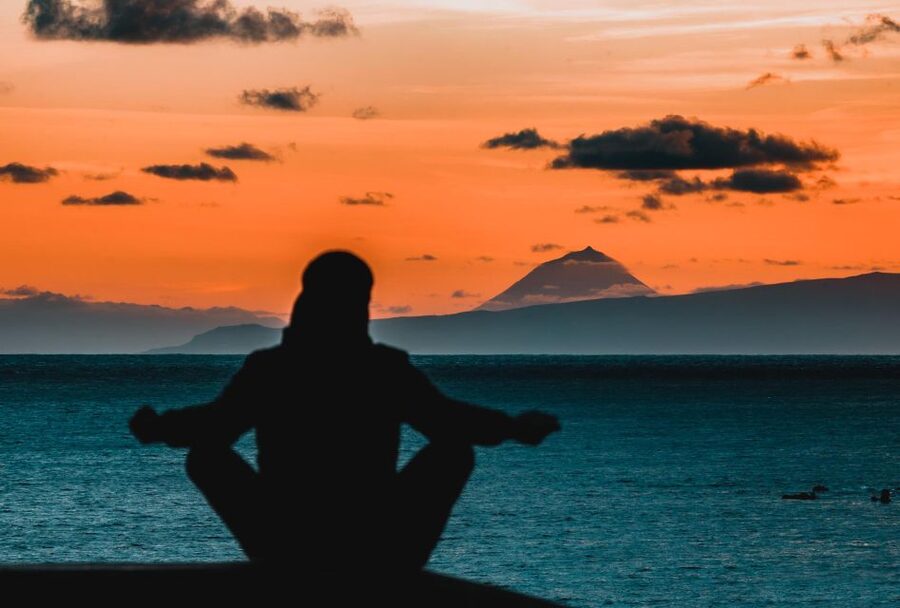
About midway through, there is a secret stop with a 10-minute break and photo stop. The name is playful, but the function is practical: a chance to catch your breath, drink water, and take pictures without feeling like you are multitasking while walking.
This is a good time to do a small body check. Loosen your grip on stress, adjust your footing, and pay attention to anything that feels off in your legs or ankles. The tour includes walking sticks, but you still need your own awareness on volcanic rock.
When I look at an itinerary like this, I like that the breaks are scheduled. It means you are less likely to stop too long, slip into exhaustion, or feel behind.
Approaching the Crater: Coffee, Fumaroles, and That Volcano Feeling
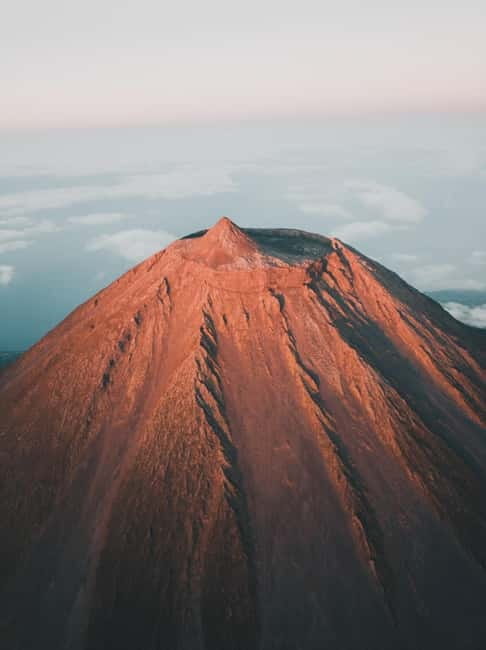
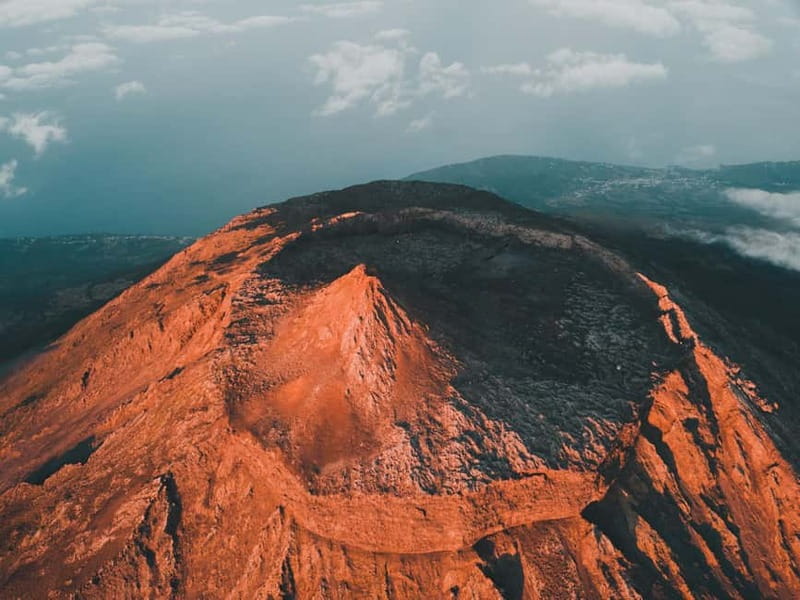
As you climb higher, you get closer to the crater environment and the lava-cone summit zone. The description is very clear about what you are going to see. You rest in the volcano crater near the top before heading up the lava cone, where there are permanent fumaroles.
This is one of the most memorable parts of the experience for a reason. Fumaroles are not a distant science lesson. They make the volcanic setting physical, present, and slightly unforgettable. Even if you are not a geology person, you will feel the drama of being that high on a volcano.
Groups also mention free coffee at the top area. That is not just a perk. It is a morale tool after hours of steep walking. In one account, the coffee was described as the best, which tells you the timing is right and the moment feels earned.
And yes, you will likely take photos. The itinerary includes multiple photo stops, and many people mention clear weather turning the summit into a strong view day. If the sky clears, you can sometimes see beyond the island, but the day still works even when clouds roll in, as long as you stay focused on safe footing.
The Summit Moment and the 2351-Meter Accomplishment
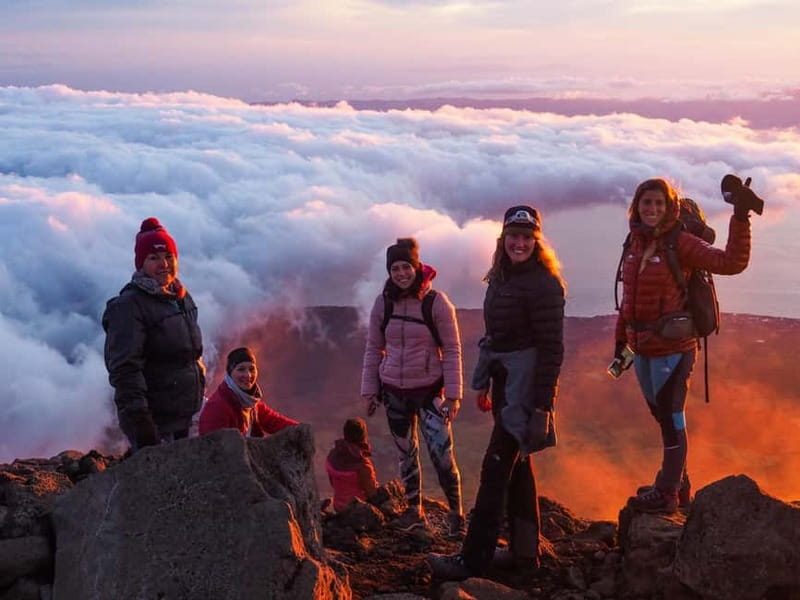
Reaching the top is described as an euphoric sense of achievement. That feeling is not just emotional hype. It is built into the experience: you have a guided route to reach the summit area, you manage challenging sections with support, and then you get a moment that makes the effort worth it.
You are scaling a lava cone with fumaroles, which keeps it grounded in real volcano geography, not just a high hill. You also get time to breathe, contemplate, relax, and take photos as you stand up there.
I will also be honest about effort level. The trail has an average slope of 30 percent, and the description calls out loose rocks and unevenness. Guides keep you moving safely, but your legs still do the work. If you like a challenge and you can handle steep walking, this feels like a satisfying climb. If you are expecting a light hike, you might be surprised.
Descent Mode: More Intense Than You Think
The descent is often where people feel it most. The experience notes that the way down can be more intense, with fewer stops so your leg muscles stay active. That matches what steep hikes usually do: your quads burn, your balance gets tested, and your attention matters more as visibility changes.
This is also where a guide earns their keep. In groups where visibility dropped and fog lowered sightlines, guides helped people avoid getting lost and stayed focused on safe movement. This is exactly when you want the route knowledge on your side.
Use your walking sticks. Shorten your stride. Let your feet land flat and deliberate on uneven volcanic rock. If you are the type who rushes downhill, practice restraint here. The summit is the goal, but your safe return is what completes the day.
The Full 7-Hour Flow: How Each Stop Fits Together
Here is how the day comes together in a way that makes sense once you are on it:
- Mountain House (start): Meet the guide, check in, and get set up.
- Safety briefing (about 10 minutes): Equipment check and route expectations.
- Viewpoint break (about 5 minutes): Photo and reset before the reserve hike.
- Mount Pico Natural Reserve (about 1.5 hours): The main guided hiking start, terrain begins to work harder.
- Secret stop (about 10 minutes): Breath, water, photos, then keep going.
- Reserve hiking (about 2 hours): Longer work segment where pacing matters.
- Near-top crater area (photo stop and picnic about 20 minutes): A longer pause where the volcano setting becomes real, and energy gets topped up.
- Reserve hiking again (about 1.5 hours): Continued approach and guided movement.
- Viewpoint break (about 10 minutes): Another quick reset on the way out or during the latter stages.
- Final reserve guided segment (about 1.5 hours): Finish the hike route with a clear plan.
- Back to Mountain House: Wrap the mission and head home with your legs properly humbled.
The structure is smart. It gives you enough breaks to stay safe and energized, but it also prevents the day from turning into a slow, dragging shuffle. You keep momentum, and you get the summit moment without running out of time.
Who This Tour Suits Best (and Who Should Skip It)
This is best for people who enjoy steep hiking and want a guided approach to a high-stakes volcanic climb. It is especially good if you want knowledgeable support and if you value someone else handling route decisions and safety.
It is not suitable for:
- children under 12
- pregnant women
- people with back problems
- people with mobility impairments
- wheelchair users
- people with low level of fitness
- people over 70 years
Even if you consider yourself active, take those limits seriously. The steep average slope, uneven volcanic rock, and loose stones are not things you can politely ignore. This is a “show up ready” day.
Price and Value: Why $93 Feels Fair for a Summit Day
For $93 per person, you are buying more than a hike. You are buying:
- an experienced professional guide
- personal accident insurance
- walking sticks provided
- photos and videos
- help with safe route management
The photo and video part is not a tiny perk. When guides capture your day, you spend less time asking strangers for photos and more time actually enjoying the climb. Groups specifically praised guides for motivation, pacing, and helpful technique tips, and that support is the real value when the terrain gets steep and tricky.
If you were to do something like this on your own, you would need your own safety margin, your own navigation confidence, and your own photo plan. This experience bundles the practical pieces, so you can focus on the summit.
Practical Packing Advice: What to Bring, What to Avoid
You do get walking sticks, but you are responsible for the rest. Bring:
- warm clothing
- snacks
- hiking shoes
- water
- weather-appropriate clothing
And avoid what the tour lists as not allowed:
- high-heeled shoes
- open-toed shoes
- sports shoes
- pets (assistance dogs allowed)
Those shoe rules matter. On volcanic rock, footwear grip is everything. If you show up in the wrong shoes, you will feel it immediately, and you may not be able to hike safely even if you are determined.
Final Verdict: Should You Book the Pico Mountain Climb?
I think you should book this tour if you want a true summit experience with real support on steep volcanic terrain. The guided pacing, safety focus, and the fact that guides like Isabel and Raisa are repeatedly praised for keeping groups comfortable, motivated, and safe is exactly what makes the day work.
Skip it if you are unsure about steep downhill hiking, or if your fitness level is low enough that you dread the descent. The mountain is doable with guidance, but it is still steep, rocky, and demanding.
If you match the physical level and you show up prepared with the right shoes, water, and warm layers, this is one of the most memorable days you can build on Pico. You will walk back down with legs tired, views in your head, and a summit story that feels earned.
FAQ
How long is the Pico Mountain climb tour?
The experience lasts about 7 hours from start to finish.
How high is Pico Mountain on this hike?
The summit hike targets Portugal’s highest point at 2351 meters.
How far is the trail during the climb?
The route is about 8 km long, led by your guide.
What is included in the price?
Included are all applicable fees and taxes, personal accident insurance, photos and videos, an experienced professional guide, and walking sticks.
What should I bring with me?
Bring warm clothing, snacks, hiking shoes, water, and weather-appropriate clothing.
Are there any footwear rules?
Yes. High-heeled shoes, open-toed shoes, and sports shoes are not allowed.
Is the tour offered in multiple languages?
Yes. The live guide is available in Portuguese, English, Italian, Spanish, and French.
What the Azores sent us most recently
- Canyoning Experience at Ribeira Grande
★ 4.8 · 117 reviews - Vila Franca Do Campo: Introduction to Scuba Diving Tour
★ 5.0 · 117 reviews - Azores Canyoning Adventure in São Miguel – Half-day
★ 4.5 · 122 reviews - E-bike Sete Cidades- “All Mountain” bike program
★ 5.0 · 126 reviews - Ponta Delgada: Pineapple wine tasting and pineapple tour
★ 4.8 · 127 reviews - São Miguel 2-Day Tour: East & West Highlights Adventure
★ 5.0 · 130 reviews - From Angra: Terceira Island Full-Day Tour
★ 4.9 · 133 reviews - Rabo de Peixe: Sperm Whale Sanctuary Expedition
★ 4.8 · 135 reviews
Things to Do in the Azores, compared.
Whale Watching & Islet Boat Tour w/ Marine Biologist
Read our review →
São Miguel West Full Day Tour with Setes Cidades Including Lunch
Read our review →

São Miguel East Van Tour with Lunch: Furnas & Nordeste
Read our review →
Browse the lists this tour appears in