
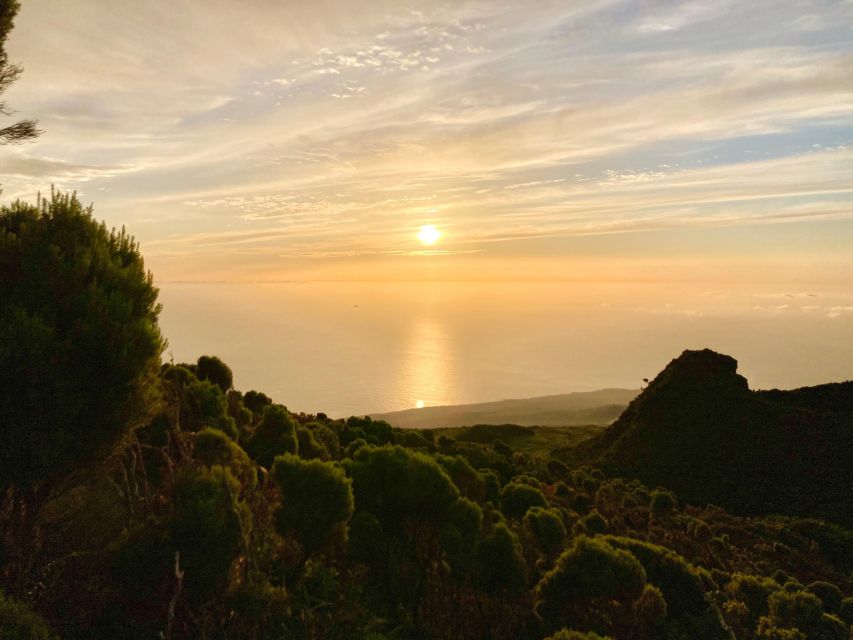
Reviewed · THINGS TO DO IN THE AZORES
Pico Mountain Climb: Your Path to Portugal’s Highest Point
A summit day that actually earns its bragging rights. This Pico Mountain climb is built around a Certified Pico Mountain Guide and the reward of 2351-meter panoramic views from Piquinho, plus real talk about Pico’s geology and native vegetation as the trail changes under your feet.
I also like that the hike is structured around safety and pacing, not macho speed, so you know when to take it slow and when to push.
The big consideration is the descent: it can be very demanding for knees and thighs, and the route gets narrow, steep, and rocky near the top. If you are not steady on uneven ground, plan on a tougher day than the word hike usually suggests.
In This Review
- Key Points Worth Noting Before You Go
- Why Pico Feels Like a True Summit Day (Not a Casual Walk)
- Mountain House Meet-Up and the Safety Briefing That Sets the Tone
- The Route Numbers: 8 km Up and 8 km Worth of Work Back Down
- What You Will Walk Over: Mud, Solid Rock, Then Loose Stuff
- The Final 15 Minutes to Piquinho: When You Use Your Hands
- Summit Time at 2351 m: Big Views, Even When Weather Changes
- The Descent: Narrow, Steep, and Rough on Knees
- Why the Guide Team Is the Real Value Add
- Getting Your Gear Right: The Shoe Rule Is Non-Negotiable
- Who Should Skip This Climb (Or At Least Think Hard First)
- Price and Value: What You Get for About $100
- Should You Book the Pico Mountain Climb?
- FAQ
- How long is the Pico Mountain climb?
- What distance and elevation changes should I expect?
- Do I need special shoes?
- Is the hike suitable for children?
- What should I bring for the climb?
- Is weather a factor?
Key Points Worth Noting Before You Go
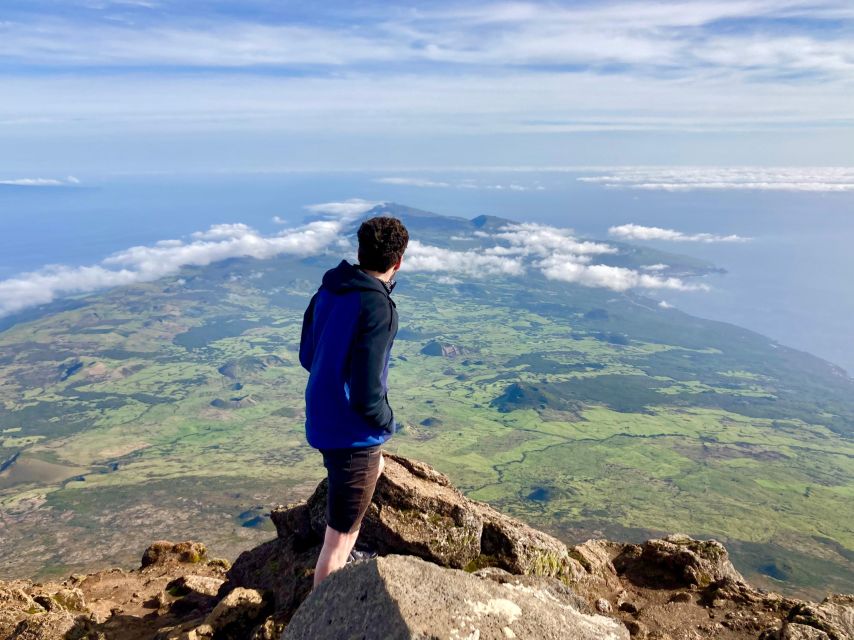
- Certified guidance: You hike with a Certified Pico Mountain Guide, with tips on route choice and safety.
- Real summit altitude: Pico reaches 2351 m, Portugal’s highest point.
- Terrain shifts fast: You go from mud and solid rock to loose rock and sand.
- Hand use near the top: The final stretch needs your hands for stability.
- Descent is the hardest work: Expect a long, knee-heavy return, roughly 3 to 4 hours.
- Weather can change everything: Visibility and conditions depend on the day, and the climb is weather-dependent.
Why Pico Feels Like a True Summit Day (Not a Casual Walk)
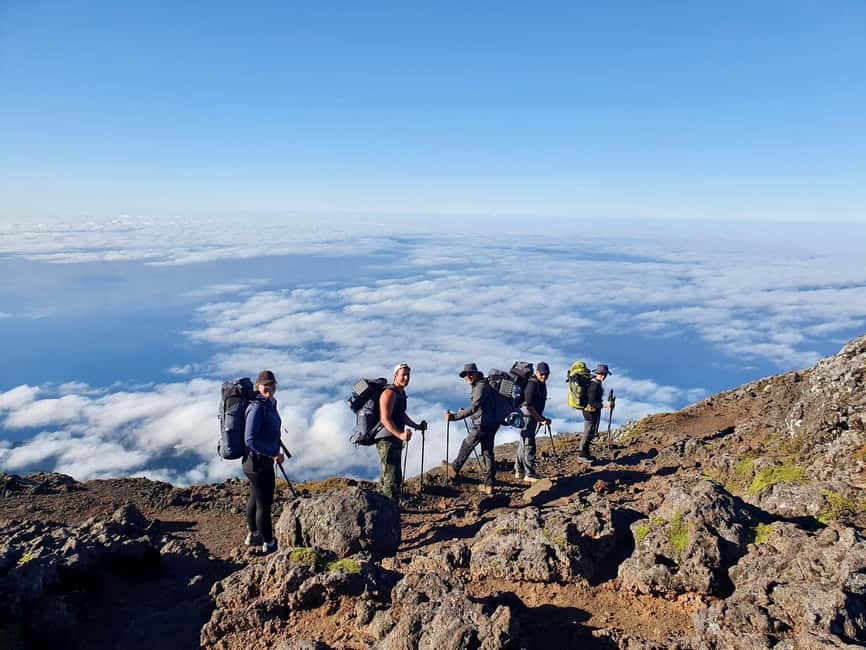
Climbing Mount Pico is one of those rare travel experiences where the effort matches the payoff. At 2351 m, you are at Portugal’s highest point, and the view can be the kind that makes you go quiet. If conditions are right, you can even see across the central Azores islands. When it is cloudy, you still get a rewarding climb, just with different moods: foggy scale, softer light, and less long-distance visibility.
I like that this is not presented as a sightseeing stroll. The route is built like a mountain outing, with a steady progression from vegetation and geology early on to more technical footing as you get higher. The guide’s job is not only to lead you, but to help you read the mountain safely.
More Things to Do in the Azores
- From Ponta Delgada: Whale and Dolphin Watching Trip★ 4.7 · 4,109 reviews
- Azores: Whale Watching & Islet Boat Tour w/ Marine Biologist★ 4.7 · 2,945 reviews
- São Miguel West: Full-Day Van Tour with Lunch★ 4.9 · 1,948 reviews
- São Miguel West Full Day Tour with Setes Cidades Including Lunch★ 5.0 · 1,605 reviews
Mountain House Meet-Up and the Safety Briefing That Sets the Tone
You meet inside the Mountain House, then start with a 20-minute safety briefing. That matters here, because the climb is not only about strength. It is also about balance, foot placement, and knowing when to slow down or stop.
Your guide is the decision-maker for safety on the day. Early in the hike, you get a feel for what is coming next. If the route becomes too hard for you or for the group’s safety, your guide may advise stopping the hike. That sounds strict, but it is actually the most responsible way to run a mountain day.
I also appreciate the practical side: this operator provides hiking poles, and the guide can help you use them properly for uneven ground. That can make a real difference during the descent.
The Route Numbers: 8 km Up and 8 km Worth of Work Back Down
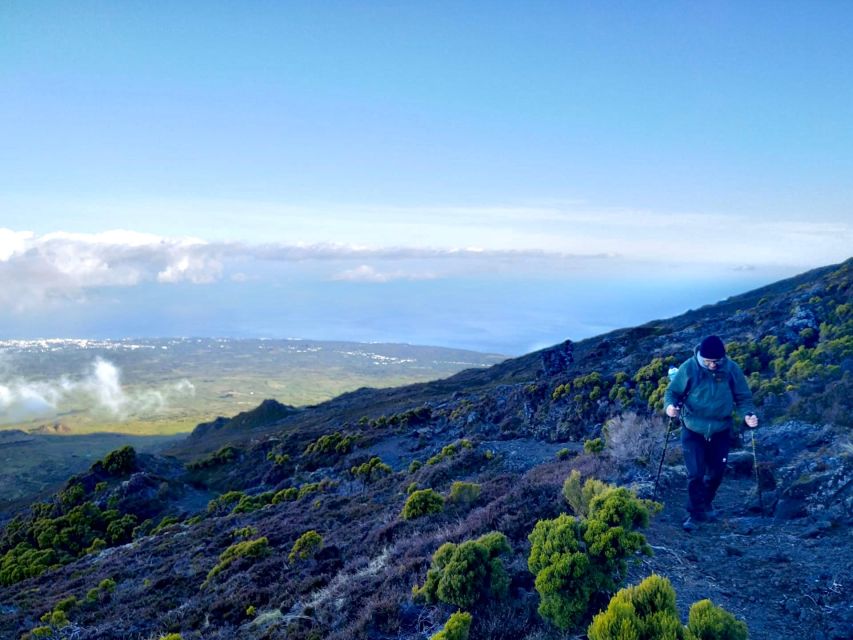
The hike is listed as 8 km overall, with about 1,100 m of ascent and about 1,100 m of descent. You start around 1250 m and climb to 2351 m at the top. It typically runs about 8 hours total.
You should think of the day as two separate challenges:
- The climb, which is physically demanding and steadily steepens.
- The descent, which is often harder on legs because you are fighting gravity on rocky, uneven terrain.
The difficulty ratings help you set expectations. Physical effort sits at 3 and technical difficulty around 2.5. Translation: you need fitness, plus some comfort moving over rock that changes texture.
What You Will Walk Over: Mud, Solid Rock, Then Loose Stuff
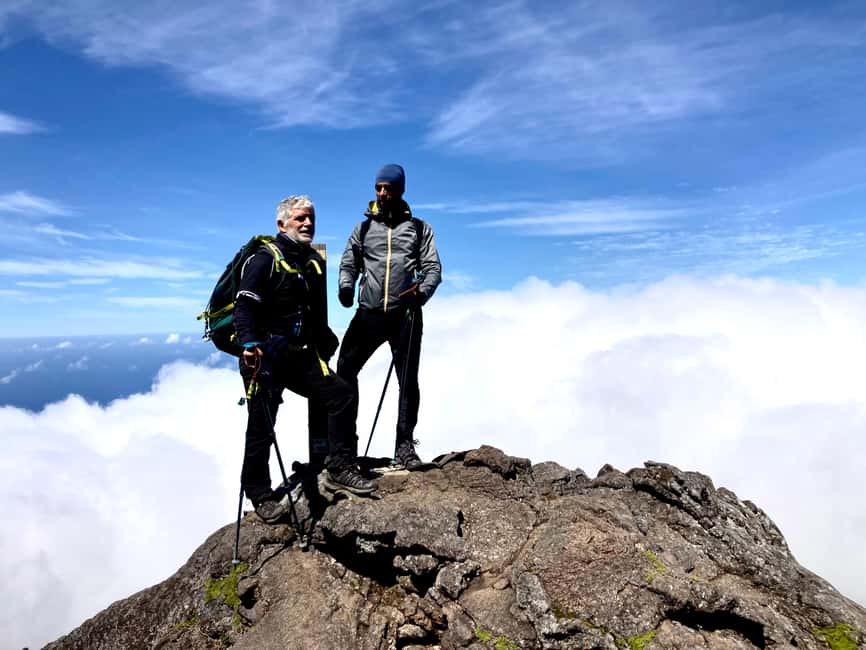
From the start, the trail threads through native vegetation and transitions into notable geological structures. You will learn about the flora and geology as you go, which turns the hike into more than scenery-only exercise. This is especially valuable at Pico, where the mountain’s shapes and materials tell the story.
As you climb, terrain changes repeatedly. Expect sections that can feel like:
- mud at some points
- solid rock as you gain elevation
- loose rock and sand later in the day
One practical note from the way the route is described: the first part acts like a preview. If the early steepness and footing already feels like a struggle, the rest will likely be tougher too. That is where having a guide helps, because they can adjust pace and make route choices.
The Final 15 Minutes to Piquinho: When You Use Your Hands
The last stretch to the summit, around the final 15 minutes, requires using your hands for stability. This is not about climbing for show. It is about keeping traction and maintaining balance when the footing gets more uneven or exposed.
If you are afraid of heights, be extra honest with yourself. This is a real mountain environment, and the route is not designed for careful, slow confidence every step of the way without some physical and mental readiness. The good news is that your guide will be there to show safer ways to move and to keep the group steady.
When the light changes over the Azores, try these:

Summit Time at 2351 m: Big Views, Even When Weather Changes
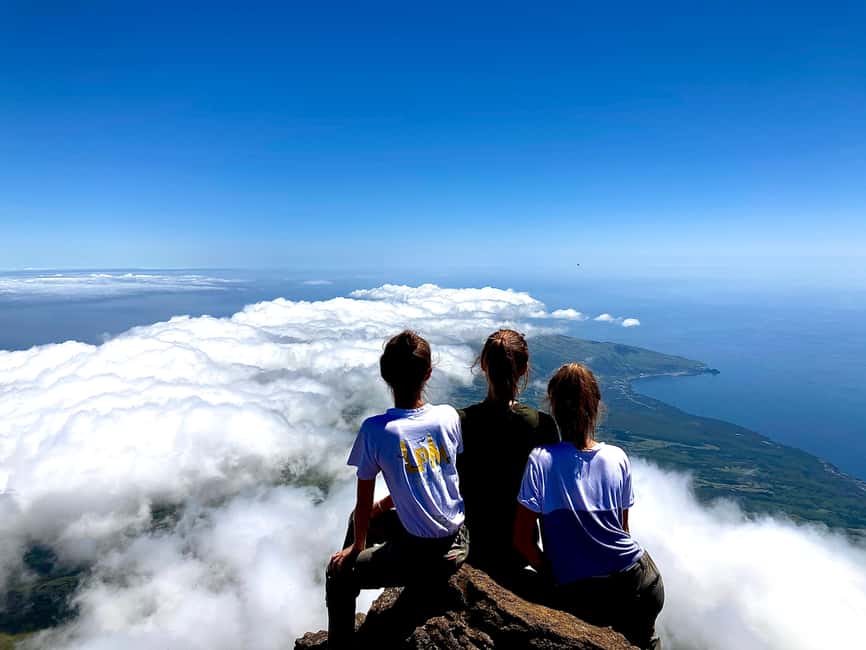
Reaching Piquinho is the moment you earn. From there, the mountain’s immensity becomes obvious. Depending on the weather, you may see the islands of the central group, which is one of the most memorable reasons to do this climb.
When it is cloudy, you still get a win. You trade long-distance clarity for a different kind of reward: scale, atmosphere, and the feeling of being high enough to experience Pico as its own world. Either way, plan for conditions to change. Bring rain gear and expect the mountain to keep its own schedule.
Some guides also mark the summit day with small comforts during the break. I have seen mentions of hot tea and homemade brownies around the lunch break. Even if food is not your main motivation, these pauses help you reset for the descent.
The Descent: Narrow, Steep, and Rough on Knees
The return takes roughly 3 to 4 hours and follows the ascent path. That sounds simple until you realize you are doing it with gravity working against you and your legs already tired.
This is the part most people feel first in their knees and thighs. Expect narrow sections, steep angles, and rocky steps where balance is everything. If you are inexperienced on technical descents, you will likely benefit from the guide’s cues on where to place your feet, how to use poles, and how to avoid slipping.
In practice, this is where smart pacing pays off. The ascent may feel like effort, but the descent is the test of control. If you go too fast on the way down, the terrain will punish you.
Why the Guide Team Is the Real Value Add
At Hominis natura, you are not just buying a ticket to a mountain. You are buying certified leadership and on-the-day judgment. The guide is certified as a Pico Mountain Guide, and the role is safety, pacing, and route coaching.
You may hike with guides including Steffi or Nilton. People have described them as professional, supportive, and very attentive, especially in tricky moments. That kind of calm focus matters when footing gets uneven, because it keeps your mind from panicking.
I also like that the guide’s knowledge turns the climb into a guided education session. You learn about the mountain and island context as the terrain evolves. That can make your brain stay engaged instead of switching into purely pain and fatigue mode.
Getting Your Gear Right: The Shoe Rule Is Non-Negotiable
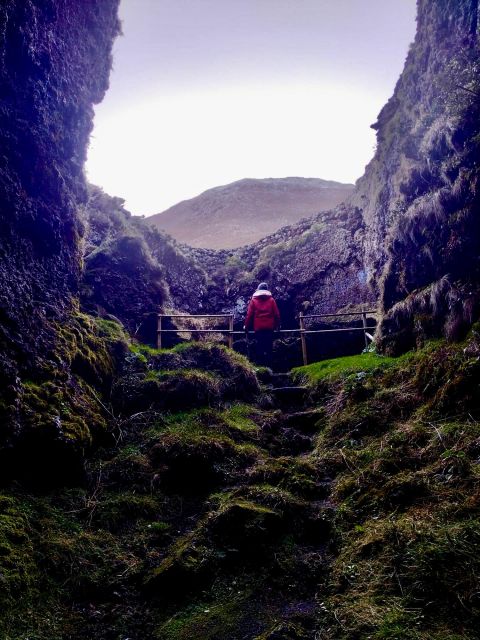
Bring what the mountain actually needs:
- hiking shoes (not smooth soles)
- a daypack
- sunscreen
- water
- food
- sunglasses
- weather-appropriate clothing
- rain gear
Here is the key rule: you must wear hiking boots or hiking shoes with a good grip. If your footwear is not appropriate, the park can refuse access to the reserve. That is not a minor detail. It is the whole game on a rocky, loose-footing climb.
Also, avoid sports shoes. They might be fine for city sidewalks, but they are the wrong tool for sand-like sections and rock hopping moments.
Pets are not allowed, but assistance dogs are permitted. If you are thinking about a drone, you must register with ANAC, the Portuguese Civil Aviation Authority.
Who Should Skip This Climb (Or At Least Think Hard First)
This is not a casual trek. The climb is listed as not suitable for:
- children under 12
- people with back problems
- people with heart problems
- people with respiratory issues
- people with recent surgeries
- people with low fitness
- people over 70
- pregnant women
- people afraid of heights
Even if none of those apply, ask yourself a simple question: can you handle a steep, rocky descent without losing control of your footing? If the answer is no, you will probably feel the day more as a struggle than a reward.
Good physical preparation is described as essential. Also, this activity is weather-dependent and can be cancelled just before it starts. So your best strategy is to keep your schedule flexible and your body ready for a mountain day, not a gentle hike.
Price and Value: What You Get for About $100
The listed price is $100 per person for an 8-hour guided climb. That is not bargain-bin pricing, and you should judge value by what is included.
What you are getting for that cost includes:
- a Certified Pico Mountain Guide
- access to Mount Pico Natural Reserve
- hiking poles
- personal accident insurance (Allianz)
- a certificate
For a mountain environment, those add up. Access fees are tied directly to the reserve. Poles are helpful on both ascent and especially descent. Insurance and a certificate are practical extras when you are paying for risk-managed guidance.
You are also paying for the guide’s experience in choosing safer movement patterns on lava-rock style terrain and in timing rests so the group stays together. If you have ever done a steep descent without instruction, you know how quickly a good day can turn into sore knees and bad decisions.
Should You Book the Pico Mountain Climb?
Book it if you want Portugal’s highest point with real mountain effort, and you are comfortable with a steep hike that ends with a rocky descent. You will likely love this if you:
- can handle uneven footing and steep grades
- want guidance for stability and safety
- enjoy learning about geology and native vegetation while you hike
Skip it, or at least reconsider, if you have limits related to fitness, balance, knee tolerance, or comfort with heights. This route is described as challenging in a straightforward way, and the final climb includes hand use.
Also book it only if you can accept the reality of weather. If conditions are poor, the climb may be cancelled close to start time.
If you match that profile, this is the kind of day that turns Pico from a name on a map into a high-altitude experience you will remember for a long time.
FAQ
How long is the Pico Mountain climb?
The duration is about 8 hours, starting and ending at the Mountain House. The route includes roughly 3 hours to the crater portion and about 3 to 4 hours for the descent.
What distance and elevation changes should I expect?
You hike 8 km total with about 1,100 m ascent and 1,100 m descent. The maximum height is 2351 m and the minimum height is 1250 m.
Do I need special shoes?
Yes. You must wear hiking boots or hiking shoes with a good grip. Sports shoes are not allowed, and the natural park can refuse access if your footwear is not appropriate.
Is the hike suitable for children?
No. It is not suitable for children under 12.
What should I bring for the climb?
Bring water, food, sunscreen, sunglasses, a daypack, rain gear, weather-appropriate clothing, and hiking shoes. The guide provides hiking poles.
Is weather a factor?
Yes. The activity is weather-dependent and can be cancelled just before the activity starts.
What the Azores sent us most recently
- Canyoning Experience at Ribeira Grande
★ 4.8 · 117 reviews - Vila Franca Do Campo: Introduction to Scuba Diving Tour
★ 5.0 · 117 reviews - Azores Canyoning Adventure in São Miguel – Half-day
★ 4.5 · 122 reviews - E-bike Sete Cidades- “All Mountain” bike program
★ 5.0 · 126 reviews - Ponta Delgada: Pineapple wine tasting and pineapple tour
★ 4.8 · 127 reviews - São Miguel 2-Day Tour: East & West Highlights Adventure
★ 5.0 · 130 reviews - From Angra: Terceira Island Full-Day Tour
★ 4.9 · 133 reviews - Rabo de Peixe: Sperm Whale Sanctuary Expedition
★ 4.8 · 135 reviews
Things to Do in the Azores, compared.

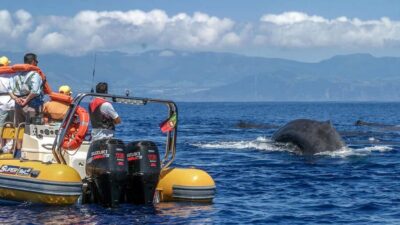
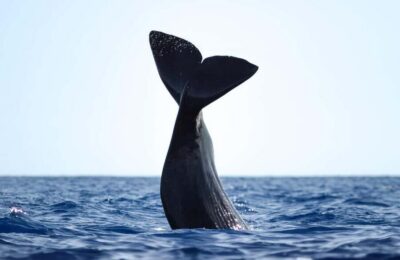
Whale Watching & Islet Boat Tour w/ Marine Biologist
Read our review →
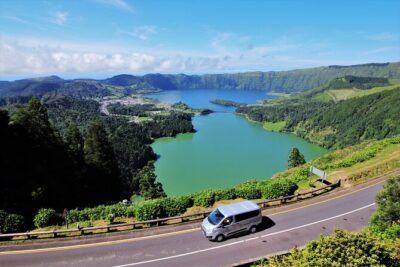
São Miguel West Full Day Tour with Setes Cidades Including Lunch
Read our review →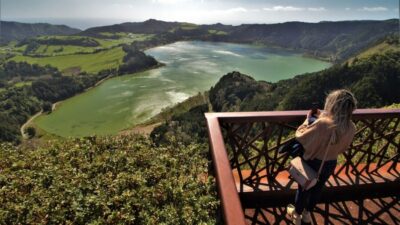
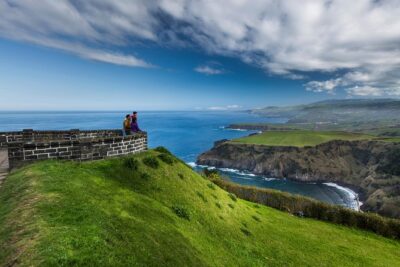
São Miguel East Van Tour with Lunch: Furnas & Nordeste
Read our review →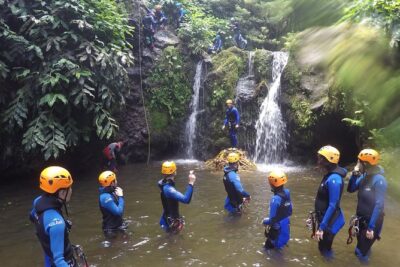
Browse the lists this tour appears in