
Reviewed · WHALE WATCHING
PICO Whale Watching – Madalena – Join our Research Team
Whales meet science off Pico. This 3-hour Madalena boat trip pairs a live marine biologist briefing with real research support, so you’re learning while you look. I love the respectful, distance-first way the team approaches whales and dolphins, and I love that you might connect what you see to current student and university research on cetaceans. One caution: it’s weather-dependent and it’s a semi-rigid boat, so it’s not a great fit if you’re pregnant, have serious back problems, or get seasick easily.
You’ll start at Bar da Gare and head out from Madalena Harbour, right by the Ferry Terminal area facing Faial. Bring a hat, sunscreen, water, and comfy layers, because the Atlantic can be cool and splashy even when the sky looks friendly.
In This Review
- Quick hit checklist for this Pico research cruise
- Whales meet science off Pico: the feel of a research-led tour
- From Bar da Gare to Madalena Harbour: getting underway smoothly
- On board with the marine biologist: what you’ll actually learn
- The species game in Azores waters: what you can realistically spot
- The whale watching moment: respect, distance, and the animal’s space
- How long it really takes and what the sea ride feels like
- Price and value: is $101 per person worth it?
- Who should book this whale and dolphin research tour
- Should you book this Pico whale watching research trip
- FAQ
- How long is the whale watching tour?
- Where do I meet the tour in Pico?
- What languages are offered on the tour?
- What wildlife can I expect to see?
- Are food and drinks included?
- What happens if weather affects the trip?
- Is it suitable for children, pregnancy, or back problems?
Quick hit checklist for this Pico research cruise
- Live marine biologist on board explaining what’s in the water, not just pointing at spouts
- Research support vibe, with data collection linked to university work and student theses
- Seasonal odds for specific whales, including sperm whales year-round and different species by season
- Likely multiple species since the region can host over 25 cetacean types
- A boat that can feel long and bouncy, especially if you’re sensitive to rough water
- Great for families only when age fits, because it’s not recommended for kids under 4
Whales meet science off Pico: the feel of a research-led tour
This isn’t the kind of whale watch where you only hope. It’s structured around learning and contributing, which changes the whole mood on the water. You’re still there for the big animals, but you also get the “why” behind the behavior: feeding, movement patterns, seasonal presence, and what researchers are tracking.
Two parts tend to make this trip stand out. First, you get a live, on-the-water briefing from an MSc or PhD marine biologist, plus additional researchers who can be from the University of Lisbon, the Azores, or other partner universities. Second, the team is focused on proper animal treatment, with guidance on keeping a respectful distance and giving animals room to move.
That combination matters because whale spotting is partly luck, but it’s also partly skill. When your guide can read the water and match what you see to likely species in that season, your odds improve. And even if the exact animals vary day to day, you leave with a clearer picture of the marine life system around Pico.
More Things to Do in the Azores
- From Ponta Delgada: Whale and Dolphin Watching Trip★ 4.7 · 4,109 reviews
- Azores: Whale Watching & Islet Boat Tour w/ Marine Biologist★ 4.7 · 2,945 reviews
- São Miguel West: Full-Day Van Tour with Lunch★ 4.9 · 1,948 reviews
- São Miguel West Full Day Tour with Setes Cidades Including Lunch★ 5.0 · 1,605 reviews
From Bar da Gare to Madalena Harbour: getting underway smoothly
Your day is built around a simple loop. You start at Bar da Gare, then you depart from Madalena. The whale-watching stretch is about 2.5 hours, and you’ll come back to the same area afterward.
The meeting point details are very specific, which is a good sign. You’ll meet in Madalena Harbour at the Outside Ferry Terminal Café area (GPS 38.5356, -28.5295), facing Faial. That “facing Faial” detail helps if you’re arriving by boat connections or on a busy harbor day.
Practical tip: arrive a bit early. Harbor checks can be quick, but when you’re watching the sea, you don’t want to be the last person standing there while everyone else is already boarding.
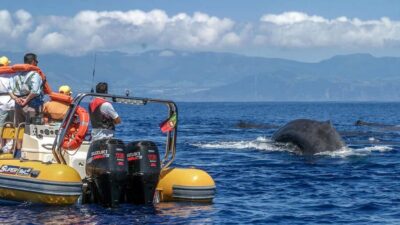
What you should expect once you’re aboard is a semi-rigid boat ride. That usually means better stability than a super small open craft, but it’s still the Atlantic. If you’re prone to seasickness, plan for it.
On board with the marine biologist: what you’ll actually learn
The core experience is the live commentary from a marine biologist. The team talks through marine biodiversity and the cetaceans that show up in the region, with updated information from the onboard research staff.
You’re not only learning names. You’re learning how the animals use this habitat. The tour focuses on whales and dolphins, and it also mentions the possibility of other marine life you may spot while you’re searching, including sea turtles and sea birds, plus pelagic life out in open water.
Why this is valuable: whale watching can turn into a checklist game if all you do is stare at spouts. With real scientific context, you start noticing patterns. For example, you can better understand why the team keeps scanning, why they might change position, and why different species might show up at different times of year.
Also, you’ll have that direct Q and A style learning moment as you go. One practical note from a past experience: depending on how the day’s introduction is run, the science talk might happen partly before the sea portion, and if it does, you may have fewer chances to ask questions after you’re back on land. If you have specific questions about what you want to see, write them down and ask while you’re out.
The species game in Azores waters: what you can realistically spot
The Azores region is home to a lot of whales and dolphins. This tour is designed around that reality, and it gives you a useful expectation: you have a decent chance of seeing 2 to 3 cetacean species during a tour, because the area can host over 25 species overall.
Here’s the seasonal guide that helps you set your expectations:
- Sperm whales are seen throughout the year
- Blue and common whales are more associated with spring
- Bryde’s and Sei whales tend to show up more in summer
- Resident dolphins are also part of the mix, and you may see several dolphin types depending on conditions
Beyond whales and dolphins, the tour also positions you for spotting sea birds and possibly sea turtles or other pelagic life, since you’re watching the broader marine environment, not just the surface.
Real talk: “likely” is the right word. You can’t control the ocean. But you can control your attitude. If you show up ready to learn, you’ll get something even if the day’s lineup is different from what you hoped for.
The whale watching moment: respect, distance, and the animal’s space
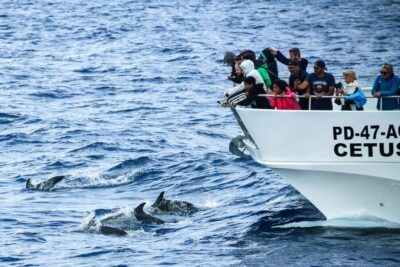
The best whale watching isn’t about getting a selfie close to the animal. It’s about observation that doesn’t interrupt feeding, traveling, or resting. This tour emphasizes that kind of approach, with guidance about keeping distance and giving whales and dolphins enough room to keep moving.
In practice, that means the team isn’t just racing to chase. They’re aiming to see what’s already happening in front of you. You should expect the boat to do searching and repositioning, especially if the guide is trying to match the day’s sightings to the most likely species.
A few things you may notice that point to this respectful approach:
- The focus stays on the animals’ behavior, not frantic pursuit
- The route changes based on where the wildlife is showing
- Your marine biologist is constantly connecting sightings to habitat use and likely species
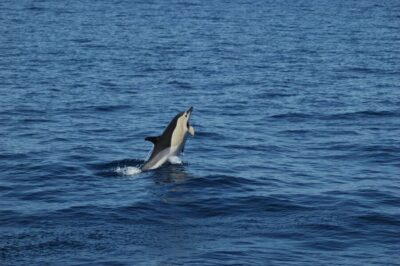
And yes, the experience can still be exciting in a very human way. Dolphins can be playful, birds can ride the same weather patterns, and even a choppy Atlantic day can turn memorable when the animals actually show up.
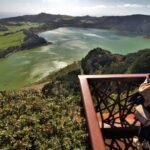
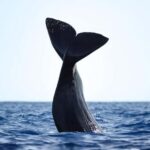
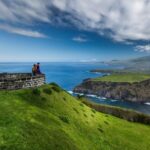
When the light changes over the Azores, try these:
How long it really takes and what the sea ride feels like
The scheduled duration is 3 hours total, with around 2.5 hours devoted to whale watching. In most cases, that’s straightforward. Still, I’d plan for the ocean to influence timing.
One past experience noted a longer outing than expected, with the ride running closer to 4 hours and seating feeling uncomfortable after a while. Another person praised a smoother return, but the key takeaway is this: water conditions matter, and “search time” can stretch if the guide is determined to find whales.
What to do about it:
- Wear comfortable clothes you can move in, not stiff outfits you only wear on land
- Bring a hat and a layer, since wind and spray can cool you down fast
- If you’re even mildly sensitive to motion, treat this like a serious boat ride, not a gentle cruise
For comfort, the boat is semi-rigid, but it’s still a moving platform. If you have serious back problems or you’re pregnant, the tour notes that it’s not recommended. If you might have seasickness, don’t gamble.
Price and value: is $101 per person worth it?
At $101 per person for a 3-hour experience, you’re paying for more than “time on a boat.” You’re paying for:
- A marine biologist live briefing (and not just pre-recorded commentary)
- A research-supported focus, including data collection by university or partner teams
- The chance to see multiple cetacean and bird species in one outing
- A conservation-minded approach that ties wildlife watching to ongoing work
You’re also paying for uncertainty. Whale watching is never guaranteed, and weather can shift everything. Still, this tour tries to reduce that uncertainty through education and targeted searching, plus the fact that the region naturally hosts lots of species.
So who gets the best value? If you want a learned experience where you can ask questions and connect sightings to real marine research priorities, the price feels easier to justify. If you only want a casual sighting with zero learning, you might find yourself wishing for a more relaxed, less structured vibe.
Who should book this whale and dolphin research tour
This tour is a strong match for you if:
- You want real marine education while you’re out scanning the horizon
- You care about animal-respect and a research-supported approach
- You like the idea of learning what’s possible in the Azores based on season
It’s a weaker match if:
- You’re pregnant or have serious back problems, since the boat is semi-rigid and the activity is not recommended for these cases
- You get seasick easily
- You’re traveling with kids under 4 years old, because it’s not recommended for them
It can still be a family option when age fits. Child prices are reduced, but you’ll want to confirm the right details directly.
Should you book this Pico whale watching research trip
If you’re choosing between a basic whale watch and one that ties the experience to marine biology and actual research, I’d lean toward booking this one. The combination of a live biologist, a research team on board, and a respectful viewing approach makes the time feel purposeful, even when you’re simply watching dolphins slice through the water.
Book it if you can handle boat motion and you’re ready to dress for weather. Skip it if you know you’re going to struggle with rough water, or if the medical suitability rules apply to you.
If you’re going close to your travel dates, communicate directly with the operator again near departure. The tour is weather dependent, and you’ll get the smoothest experience by planning with that in mind.
FAQ
How long is the whale watching tour?
The activity runs for about 3 hours total, with roughly 2.5 hours specifically for whale watching.
Where do I meet the tour in Pico?
You meet in Madalena Harbour, Pico Island, outside the Ferry Terminal Café, facing Faial. GPS is 38.5356, -28.5295.
What languages are offered on the tour?
The live tour guide provides commentary in English and Portuguese.
What wildlife can I expect to see?
The tour is aimed at spotting whales, dolphins, and birds. It also mentions possible sightings of sea turtles, pelagic life, and sea birds. The region can host many cetaceans, and the guide expects you may see 2 to 3 cetacean species per tour. Sperm whales occur throughout the year, blue and common whales are linked to spring, and Bryde’s and Sei whales are associated with summer.
Are food and drinks included?
No. Food and drinks are not included.
What happens if weather affects the trip?
This is a weather-dependent activity and may be rescheduled due to conditions. If it is canceled due to weather, you get a full refund.
Is it suitable for children, pregnancy, or back problems?
It is not recommended for pregnant women or people with serious back problems, and it’s also not recommended for people prone to seasickness. It is not recommended for children under 4 years old, though children may have reduced prices.
What the Azores sent us most recently
- Full-Day 4×4 Nordeste Azores Tour from Ponta Delgada
★ 4.8 · 39 reviews - Ponta Delgada: Fat Dolphin Food Tours
★ 4.8 · 39 reviews - Sanguinho Hike from Ponta Delgada
★ 5.0 · 40 reviews - São Miguel: Majestic North Tour (Local Lunch Incl.)
★ 5.0 · 40 reviews - Full-Day Private Tour of Faial
★ 5.0 · 40 reviews - Private Sailing Sunset Tour PDL
★ 5.0 · 41 reviews - Cave Tour in Terceira
★ 5.0 · 41 reviews - Terceira Island Airport Transfer
★ 5.0 · 41 reviews
Whale Watching, compared.
Whale Watching & Islet Boat Tour w/ Marine Biologist
Read our review →
Funchal Bay: Dolphin & Whale Watch Luxury Catamaran Cruise
Read our review →
All Inclusive Whale and Dolphin Watching Luxury Tour
Read our review →
Madeira Dolphin and Whale Watching on a Ecological Catamaran
Read our review →
Dolphin and Whale Watching by Luxury Catamaran
Read our review →Browse the lists this tour appears in