
Reviewed · COIMBRA TOURS
Portugal dos Pequenitos entry ticket
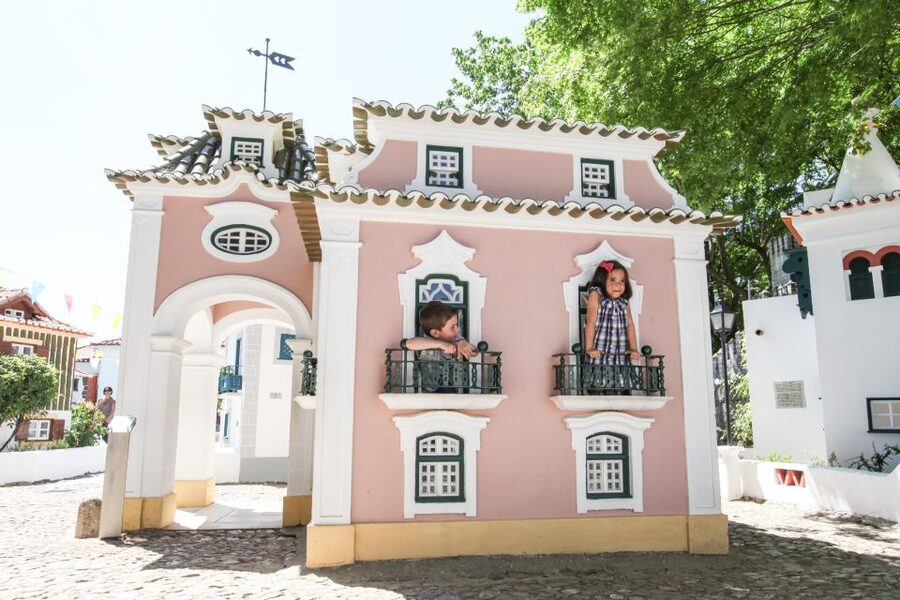
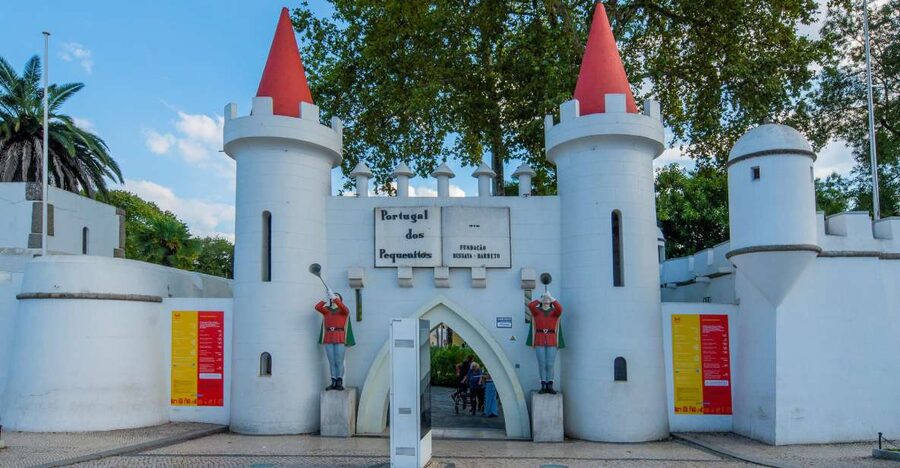
Miniatures teach Portugal fast. At Portugal dos Pequenitos, you wander a 1.3-hectare miniature park that charts Portuguese architecture and craft traditions, while stretching outward to the Portuguese-speaking world. I love how the models are tied to real regional building styles, and I also love the way the exhibits make the broader world feel like part of one continuous story.
The main thing to plan around is information quality. Some areas rely on electronic placards that can be hit-or-miss, and a few spots feel like they need clearer labels, so you may want to be ready to read what’s there carefully.
In This Review
- Key highlights you should not miss
- A miniature park that tells one big Portugal story
- Price and what you really get for about $17
- How the park’s architecture roots show up in the mini models
- Portugal and the World: the walk that expands your perspective
- Interactive exhibitions: what works when you set the pace
- What the park feels like on the ground
- Entrance details and on-site rules worth knowing
- Guided tours: when it’s worth paying extra
- Timing: how long to plan and when to arrive
- Who should book this, and who might prefer something else
- My booking verdict: should you get Portugal dos Pequenitos tickets?
Key highlights you should not miss
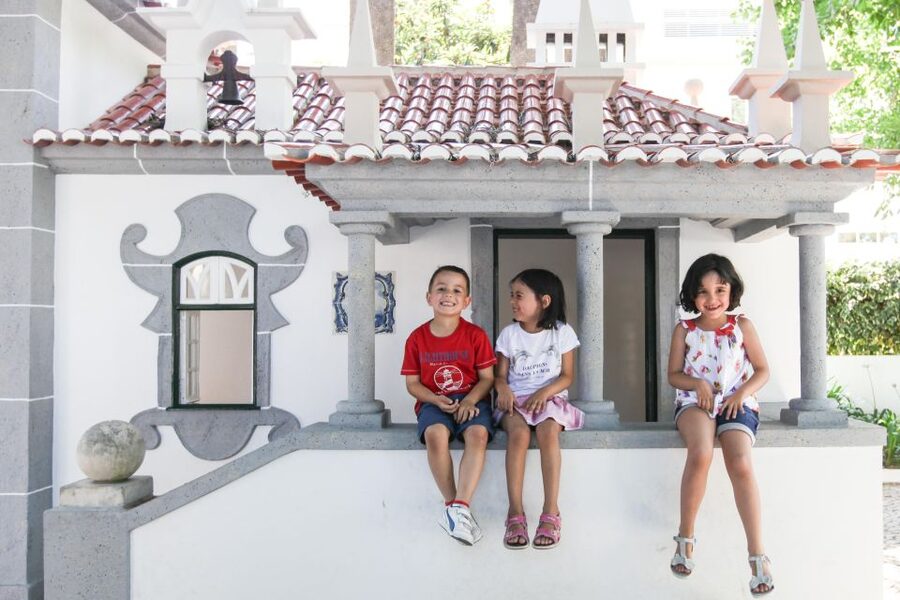
- 1.3 hectares to explore at your own pace, from a quick pass to a full-day wander
- Portugal-to-the-world theme, linking Portuguese architecture with ethnographic and monumental models
- A real design pedigree, with modern Portuguese architecture names behind the project
- Interactive exhibitions that work for both kids and adults
- Helpful multilingual presence, with English, French, Portuguese, Spanish, and Tagalog at the entrance
A miniature park that tells one big Portugal story
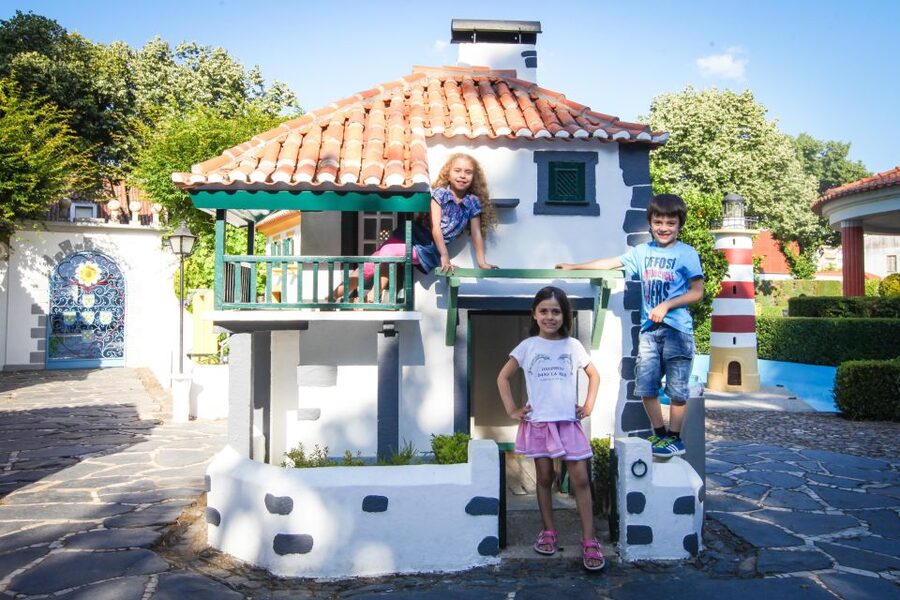
If you like your travel with a bit of structure, this place is made for you. Portugal dos Pequenitos is built like a guided stroll without the strict schedule, so you can keep moving when you’re curious and slow down when you spot details worth studying. The park’s whole premise is “start in Portugal, then see how Portugal’s cultural language traveled.”
The displays began as a heritage showcase, focusing on architectural styles and construction methods shaped by each region’s geography. That matters because you are not just looking at pretty models, you are getting clues about why certain buildings and crafts look the way they do.
Then the park expanded beyond mainland Portugal. Later additions represent the ethnographic and monumental aspects tied to Portuguese-speaking African countries, Brazil, Macau, India, and Timor, plus interactive exhibitions in the area known as Portugal and the World. The result is a compact way to compare places that share one historical thread.
A few more Coimbra days, taken slowly
- Coimbra: Live Fado Show with Glass of Port Wine★ 4.7 · 998 reviews
- University of Coimbra guided tours without queue★ 5.0 · 518 reviews
- Guided tour of the University and city of Coimbra.★ 5.0 · 377 reviews
- Coimbra: Mondego River Kayaking Tour★ 4.7 · 324 reviews
Price and what you really get for about $17
At around $17 per person, the value comes from flexibility. Your ticket time is listed as about 1 hour, but the park is 1.3 hectares and you control how long you stay, so you can stretch your visit if you are slower with details. That’s a smart setup for families and for adults who like to pause often.
Also, the entry fee covers the visit, exhibitions, and programmed activities unless you are specifically taking a guided tour option. So you are not constantly “nickel-and-diming” yourself into paying more to keep the experience going.
One practical point: the longer you go, the more the park’s layout makes sense. If you do only 30 to 40 minutes, you can still see a lot, but you will miss the deeper comparisons between regions and the Portuguese-speaking world sections.
How the park’s architecture roots show up in the mini models
This park is not random miniature scenery. It is organized around how Portuguese construction varies from place to place. You’ll notice that the models are meant to reflect architectural styles and building types influenced by geomorphological factors, meaning the shape and features of the land in each region.
That design choice turns the park into a quick education tool. You get to “read” building forms the way you’d read a city block, but without the logistics of visiting multiple regions far apart. It’s also great for kids because the shapes and textures are visually clear, even if you do not know the technical terms.
Behind the scenes, the park’s creation involved major figures in modern Portuguese architecture and the execution team. The work is associated with Cassiano Branco, supported by Manuel de Jesus Cardoso, who directed the projects. You do not need to know their names to enjoy the park, but it helps you understand why the mini buildings feel intentional rather than decorative.
Portugal and the World: the walk that expands your perspective
The best part of the experience is the progression. You start anchored in Portugal’s heritage, then the park keeps widening the lens toward a broader Lusophone world. The idea is simple: you go from north-to-south Portugal storytelling, then into model representations of Portuguese-speaking regions in Africa and beyond.
As you move through the Portugal and the World area, you are not just looking at buildings. You’re also seeing ethnographic and monumental aspects, plus interactive exhibitions. That blend helps if you have mixed ages in your group, because some people will focus on architecture while others gravitate to the activities.
One caution: because the park is designed to be explored freely, you may want to take your time at junctions. If you rush, the connections between sections can feel less clear. If you slow down and read what each zone is trying to show, you’ll get more out of it.
Interactive exhibitions: what works when you set the pace
The park is built for self-paced visiting. In practice, that means you can do a quick sweep to get your bearings, then return to whatever catches your eye. The park’s size and layout allow for multiple “lengths” of visits, from a focused 1 hour experience to a longer day.
Interactive exhibitions add a second layer to the experience. Instead of only viewing miniatures behind rails, you get moments where you can engage more directly. For kids, that turns the day into an activity, not just sightseeing. For adults, it gives you a reason to step back and reflect on how culture gets represented in models.
The interaction level is likely to vary by area, so I’d treat the park as a “pick your own highlights” route. When you find an area that pulls you in, spend an extra loop there. When something feels less informative or dated, keep moving rather than forcing it.
When the light changes over Coimbra, try these:


What the park feels like on the ground
One of the practical positives is conservation. The park is generally described as well kept and beautiful, which matters because mini spaces can feel sad fast when they look neglected. Here, the overall upkeep helps the details land.
That said, you should expect uneven information in some zones. One example that comes up is that electronic placards can sometimes be off, and some areas may have less explanatory text than you want. The park is still enjoyable, but your reading and observation skills become part of the deal.
If you care about signage, I suggest you come ready to use your phone for quick translation or context. Also, if you bought entry via a voucher system, keep proof handy. In a real-life scenario, entry staff may ask you to send the voucher details by email, rather than scanning the code smoothly.
Entrance details and on-site rules worth knowing
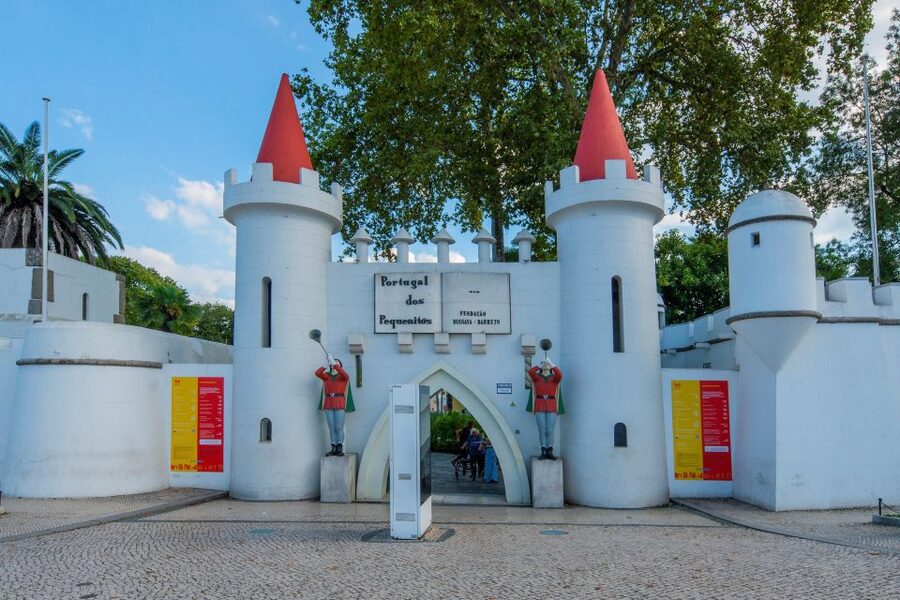
The park has rules that are pretty strict, especially around items you might normally bring when traveling with kids. Pets are not allowed, and you should also expect limits on weapons or sharp objects, oversize luggage, and large bags. Smoking is not allowed, and drones are forbidden.
You will also want to think about comfort and movement. The park is wheelchair accessible, and scooters are not allowed, so if mobility is a factor for your group, plan on using an appropriate wheelchair rather than an alternative mobility device.
This kind of policy set is usually about safety and preserving the experience area. It also means you should pack light. If you show up with big luggage or anything that counts as oversized, you may find yourself stressed before you even enter.
Guided tours: when it’s worth paying extra
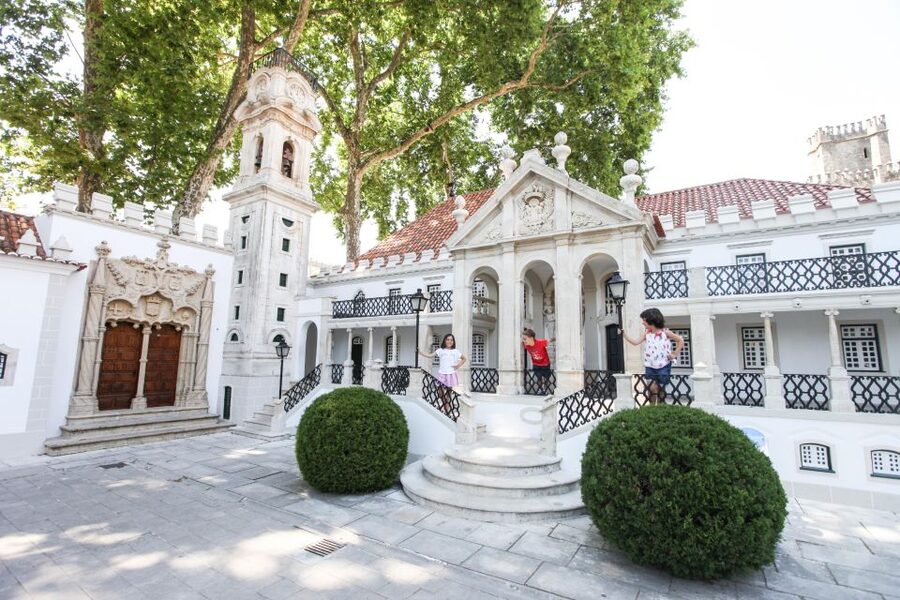
Guided tours are not included with the entry ticket. If you want a guided experience, you need to book directly with the park, and tours are made by appointment only subject to availability. There is also an additional fee that varies depending on group size.
So when is it worth it? If your group includes people who really want context and commentary, a guided tour can help connect the dots between Portugal regions and the Lusophone world sections. It can also help if you run into placard gaps, because a guide can provide explanations in real time.
But if you are happy to explore freely, you may not need a guide. The park’s entire design supports independent wandering, and you can still get a strong sense of the “Portugal then world” idea without paying more.
Timing: how long to plan and when to arrive
Your listed duration is about 1 hour, which is a good target for a first pass. If you love architecture details or you have kids who get stuck reading every small thing, plan for longer. The park itself allows for that, since you can decide how long to stay.
Also note the operational rhythm. The park is closed on Christmas Day, and the last entries happen 30 minutes before closing. That last-entry window is key. If you want time to actually enjoy the walk, arrive with enough buffer that you are not racing at the end.
Who should book this, and who might prefer something else
I think this is ideal if you want cultural context without a stressful schedule. If your travel style includes short, meaningful stops where you can learn something quickly and still have fun, this fits well.
It also works nicely for families. Kids get visual variety, and adults get an organized theme. The park is meant to be accessible and enjoyable across ages.
Where it might be less ideal is if you expect a fully up-to-date, high-tech museum experience everywhere. Some electronic placards can be unreliable, and parts of the experience can feel like they need clearer labeling. If you strongly dislike self-guided spaces and you want constant explanations, you may want to budget for a guided tour option.
My booking verdict: should you get Portugal dos Pequenitos tickets?
If you like architecture, comparison, and kid-friendly learning, I’d book Portugal dos Pequenitos. For about $17, you get a walkable miniature version of Portuguese heritage that expands into the Portuguese-speaking world, with interactive moments to keep it from feeling purely “static.”
I’d skip it only if you are looking for a polished, fully digital experience with no informational gaps. If you’re okay reading signs, watching details, and taking your time at the places that grab you, this park is an efficient, fun way to see a lot of Portugal’s cultural footprint in one visit.
What Coimbra sent us most recently
- Coimbra: Barca Serrana Traditional Boat Trip
★ 4.6 · 127 reviews - Schist Villages at Lousa Mountain
★ 5.0 · 127 reviews - Conimbriga and The Roman Tour
★ 5.0 · 132 reviews - Joanina Library & Coimbra University | Private Former Alumni Tour
★ 5.0 · 135 reviews - Coimbra: Guided tour with a local student
★ 5.0 · 170 reviews - Coimbra’s Timeless Tracks: An Enchanting Train Tour
★ 3.8 · 224 reviews - Coimbra: Mondego River Kayaking Tour
★ 4.7 · 324 reviews - Guided tour of the University and city of Coimbra.
★ 5.0 · 377 reviews
Coimbra Tours, compared.

University of Coimbra guided tours without queue
Read our review →
Guided tour of the University and city of Coimbra.
Read our review →
Coimbra’s Timeless Tracks: An Enchanting Train Tour
Read our review →

Joanina Library & Coimbra University | Private Former Alumni Tour
Read our review →
Browse the lists this tour appears in