
Reviewed · CITY TOURS
Tavira: Tuk-Tuk City Tour
Tavira looks different when you roll in by tuk-tuk. This 1-hour electric ride is a fast, friendly way to cover the spots that shape the town, including the salt pans of Tavira and the church-filled lanes that make Tavira feel layered and alive. I love how the guide connects landmarks to what actually matters in the city’s story. I also love the practical pacing, with short stops that help you see a lot without baking on foot.
One possible drawback is time. With just an hour and several brief photo windows, you will likely want to circle back later for anything that really grabs you.
In This Review
- Key takeaways before you hop in
- Meeting Maria’s TukTuk: Rua Gonçalo Velho, Not the Biggest Landmark
- The Electric Tuk-Tuk Loop: Comfortable, Quick, and Built for Hot Tavira Days
- Alto de São Brás: Chapels, Courtyards, and the Church of Nossa Senhora do Carmo
- Atalaia Salt Pans Stop: Bernardas Convent and Former Prison in One Breath
- São Sebastião: The 5-Minute Photo Stop That Teaches You How to Look
- Through the In-Between Streets: Barracks, São Francisco, São José, and the Street of Liberdade
- Historic Core Stops: Graça, Santiago, Santa Maria, Misericórdia, and the Castle Window
- Price and Value: Is $45 Worth It for One Hour?
- Who This Tuk-Tuk Tour Fits Best (And When It Does Not)
- Should You Book This Tavira Tuk-Tuk City Tour?
- FAQ
- How long is the Tavira tuk-tuk city tour?
- How much does the tour cost?
- What is included in the price?
- Where do I meet Maria’s Tuk Tuk?
- What vehicle is used for the tour?
- Is the tour wheelchair accessible?
- What languages are the guides available in?
- What stops are part of the tour?
- Are food, drinks, or alcohol included, and can I bring luggage?
- Can I cancel or book with flexible payment?
Key takeaways before you hop in

- 100% electric tuk-tuk means an easy ride in town, even when the streets feel steep
- Salt pans stop (5 minutes) keeps the experience short but memorable, in the Atalaia area
- Church stop after Alto de São Brás sets context fast, especially with Nossa Senhora do Carmo
- Photo breaks at São Sebastião and the castle give you chances to frame the views
- Private group vibe feels calmer, especially if you have questions or want specific angles
Meeting Maria’s TukTuk: Rua Gonçalo Velho, Not the Biggest Landmark
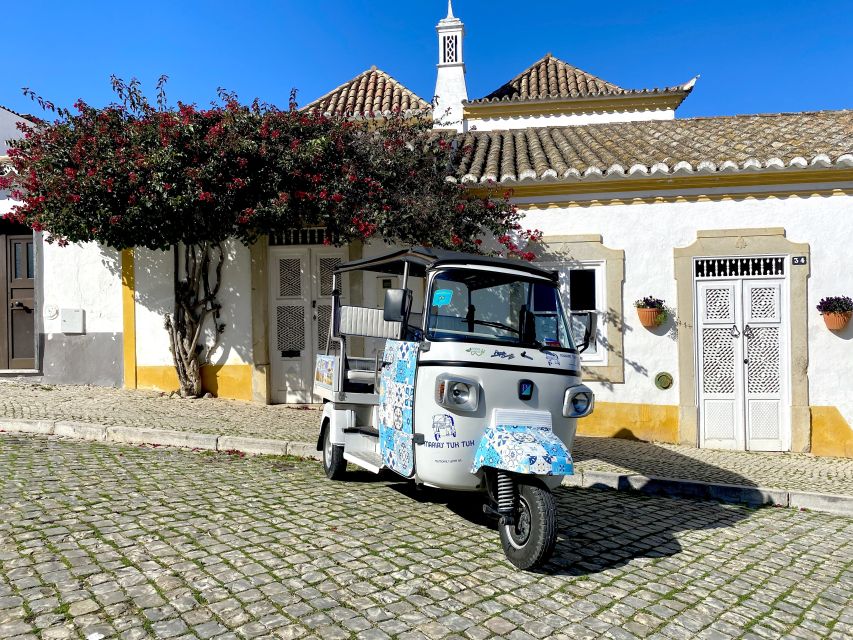
The meeting point is at R. Gonçalo Velho 7, with a sign for Maria’s Tuk Tuk near Aguarela Café. It is the kind of start that works best when you show up a few minutes early and confirm you are at the right sign, not just the right street.
This is a private-group tour, which usually means less waiting and more back-and-forth with the guide. You also get a live guide in English, French, Spanish, and Portuguese, so you are not stuck with hand-waving and a smile.
Before you go, check what you can carry. Large bags or luggage are not allowed, and there is no alcoholic drink in the vehicle. If you are traveling light, you are set. If you brought a full beach setup, consider leaving it for later in your hotel room.
A few more Algarve days, taken slowly
- Albufeira: Guided Tour by Tuk-Tuk★ 4.8 · 344 reviews
- Albufeira: Tuk Tuk Ride with Old Town and Beaches★ 5.0 · 291 reviews
- Albufeira: Tuk-tuk Sightseeing Tour★ 4.8 · 140 reviews
- True 4Hour Private Tuk Tuk Tour: Discover Lisbon with a Local!★ 5.0 · 8,008 reviews
The Electric Tuk-Tuk Loop: Comfortable, Quick, and Built for Hot Tavira Days
You ride a 100% electric tuk-tuk, which makes the whole experience feel less stressful than walking a route full of hills. On hot days, that matters more than you might think. One reason people love this format is that it creates a bit of a breeze while still letting you look around.
The tour is designed like a city “read” in one pass. You start by getting oriented, then you get the history threaded through the places you pass. If this is your first day in town, that context pays off later when you come back on your own.
Also, the stops are timed. That can feel quick, but it is the point. You get a taste, you get photos, and you learn what is worth returning to. If you are the type who loves to linger, plan on revisiting after the tour.
Alto de São Brás: Chapels, Courtyards, and the Church of Nossa Senhora do Carmo
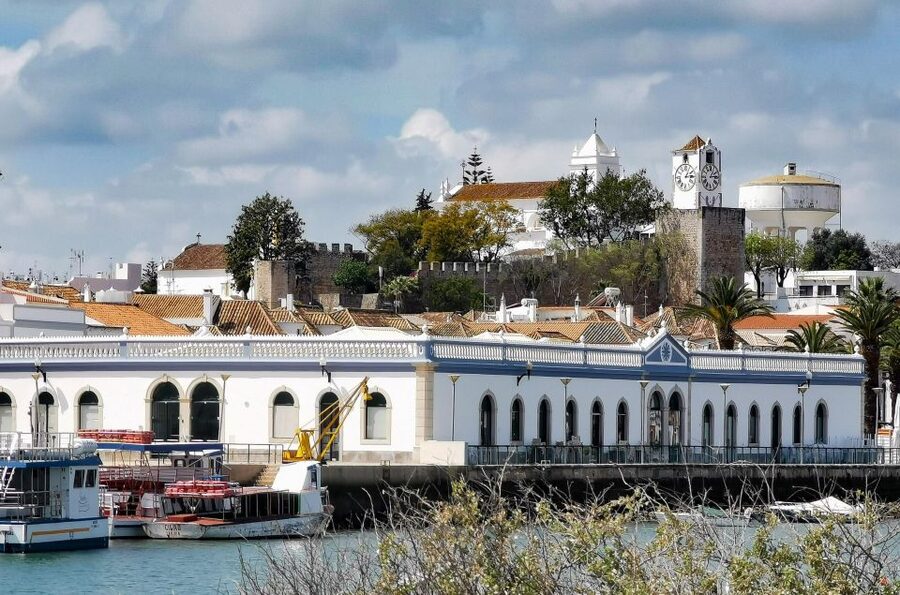
Early on, you head through the Alto de São Brás area. This is where Tavira starts to explain itself, because the town’s religious landmarks are not just pretty buildings. They are markers for how different communities organized their lives over time.
You pass by the chapel of São Brás, then continue to the Church of Nossa Senhora do Carmo, described as the largest church in the city. That size detail matters. Big churches usually mean bigger influence, more resources, and a focal point for the town’s public life.
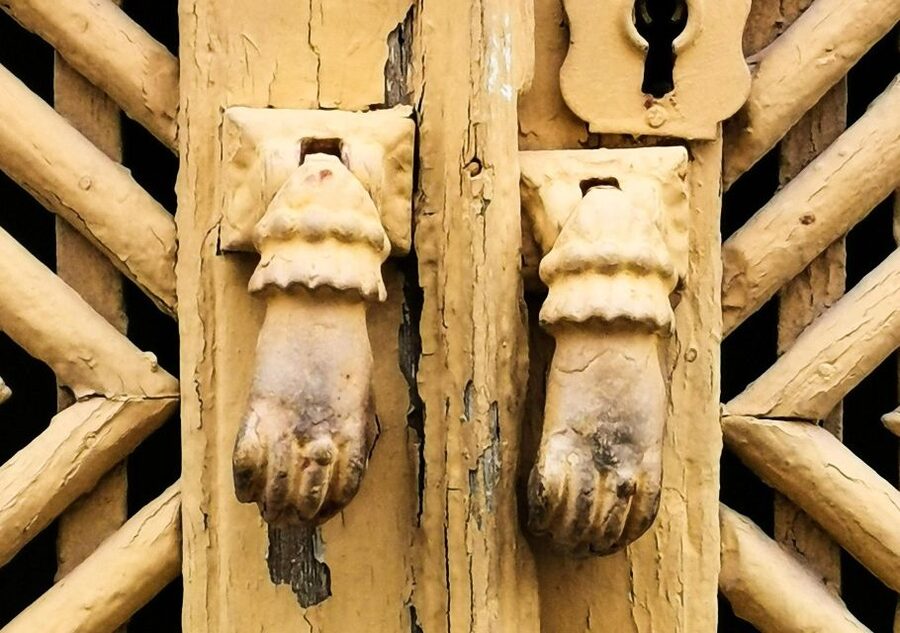
Even if you only catch part of the building from the street, you still get something useful: a sense of why these churches show up again and again in people’s daily routes. The guide also helps you notice the little things, like how door decorations and symbols can mean more than they look like at first glance.
Atalaia Salt Pans Stop: Bernardas Convent and Former Prison in One Breath
Next comes one of the most memorable moments: a stop at the salt pans. You have about 5 minutes here, in the Atalaia area. It is short, so you will want your camera ready and your questions queued.
This is not just a scenic detour. Salt was a real business for this region, and the landscape reflects that. One of the fun ideas I picked up from past guests is that this stop can turn into a souvenir moment. Some guides even help you connect what you see in the pans to what you can buy, including salt from the salt area.
In this stop area, you are also pointed toward the Convent of Bernardas and the former prison. That combination is striking, because it places daily work and institutional power side by side. You are looking at sites that imply jobs, rules, and routines, not just leisure.
If you care about practical history, this is a good moment to ask the guide how salt shaped Tavira’s economy. You get the “why” behind the scenery fast.
São Sebastião: The 5-Minute Photo Stop That Teaches You How to Look
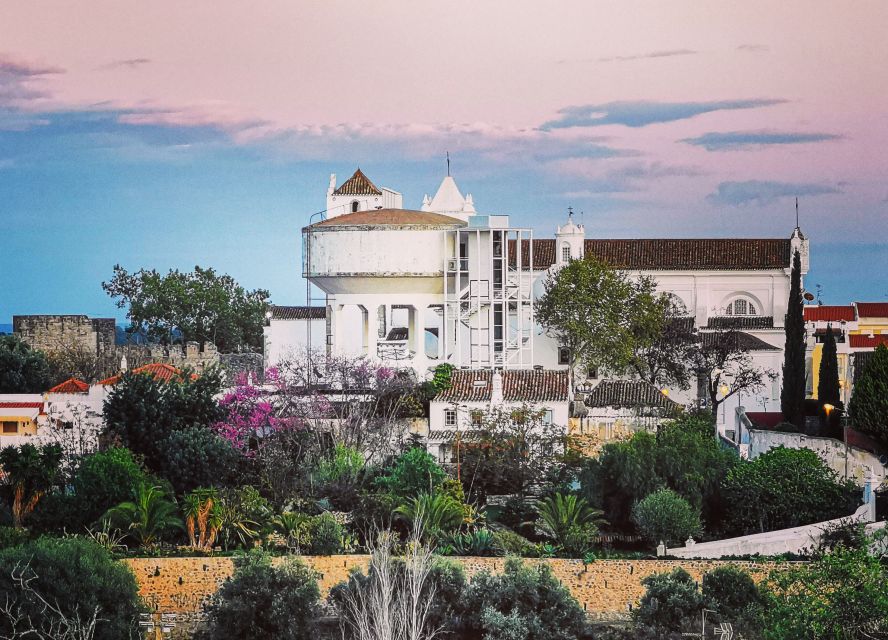
Then you hit the church of São Sebastião for about 5 minutes. It is designed as a quick photo window, but the value is in what the guide points out so you photograph with intention.
Tavira has a lot of visual texture: churches, small lanes, and the way stone and color shift block to block. With only a short stop, you learn how to choose angles that show more than one building at a time. You also learn what details are worth zooming in on later.
This is a solid stop for people who want a few strong images without turning the tour into a sprint of long museum-like visits. If you are traveling with someone who tires easily, that timed pacing is a real perk.
More Things to Do in the Algarve


Through the In-Between Streets: Barracks, São Francisco, São José, and the Street of Liberdade
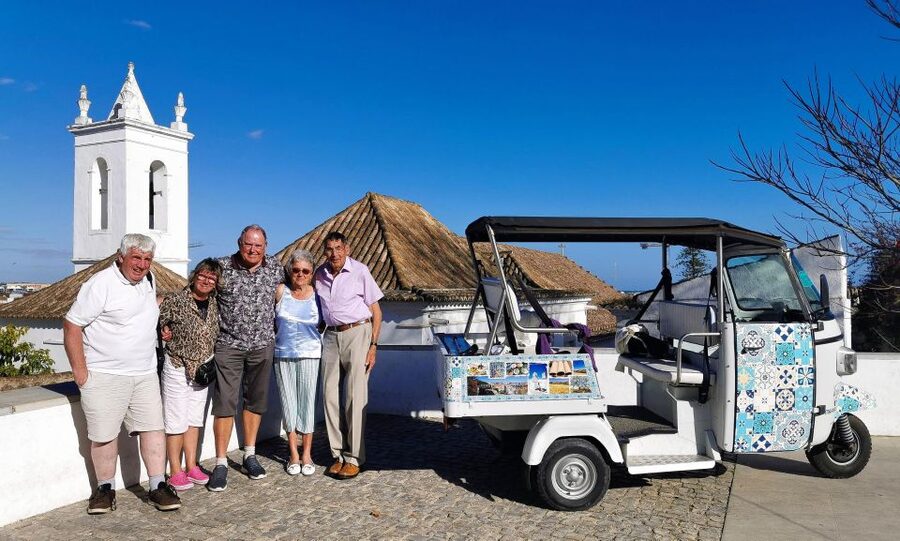
After the early highlights, the route threads through key “in-between” areas. You pass through military barracks and then on to churches like São Francisco and São José. You also ride past the street of Liberdade and reach Praça de República, the city center.
These stops matter because they show you the rhythm of Tavira: a city that mixes sacred space with civic and working space. Churches are not isolated monuments here. They sit inside a living layout where people still move through the day.
I like this section because it helps you understand the town’s structure. When you later walk the streets on your own, you are less likely to feel lost, because you have already “seen the connections” from the tuk-tuk window.
There is also a comfort factor. You do not have to hop on and off repeatedly just to move between these points. You watch from the vehicle, then you get a short, focused step-out when it counts.
Historic Core Stops: Graça, Santiago, Santa Maria, Misericórdia, and the Castle Window
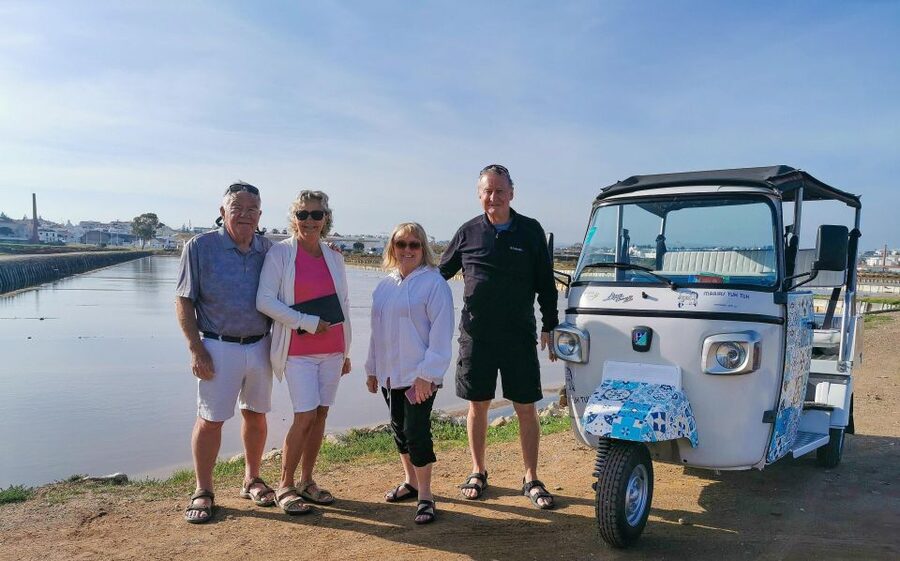
Now you move into what feels like the heart of the route. This is the historic area that pulls everything together: Convent of Graça, Santiago church, Santa Maria church, Misericórdia church, and finally a quick stop at the castle for about 5 minutes.
Even if you are not planning to do a full castle visit right then, that quick break is worth it. The goal is a view and a sense of place: you can see how Tavira’s old center fits together, and you understand why people settled here in the first place.
This is also where the best guides shine. Past guides, like Lori and Laurie, have been praised for turning big structures into stories you can hold in your head. Some explanations connect layers of influence, including how ancient peoples helped shape what you see now in architecture and the surrounding terrain.
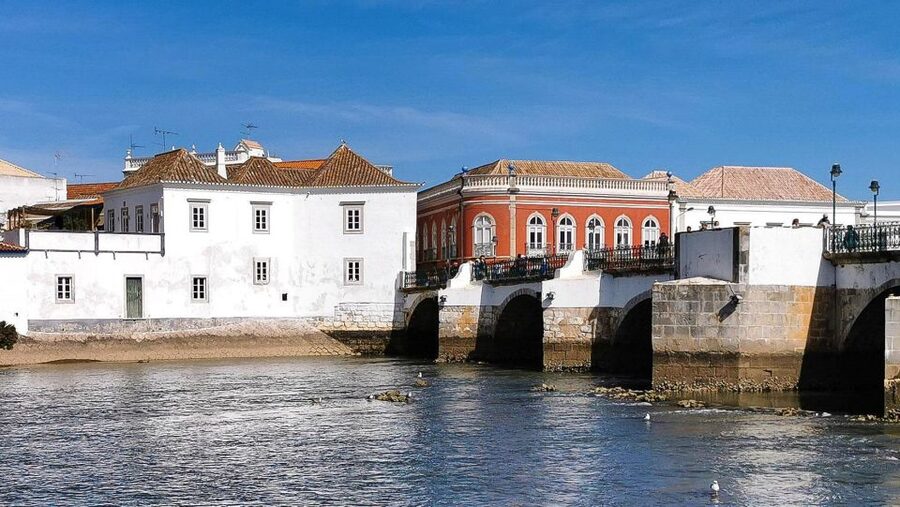
If you love folklore, you might also hear anecdotes tied to older structures such as the Roman bridge. And if you are the type who likes to learn symbols, several guests highlighted the meaning behind hand decorations on doors. That kind of detail is exactly why the tour helps you move from sightseeing to understanding.
Price and Value: Is $45 Worth It for One Hour?
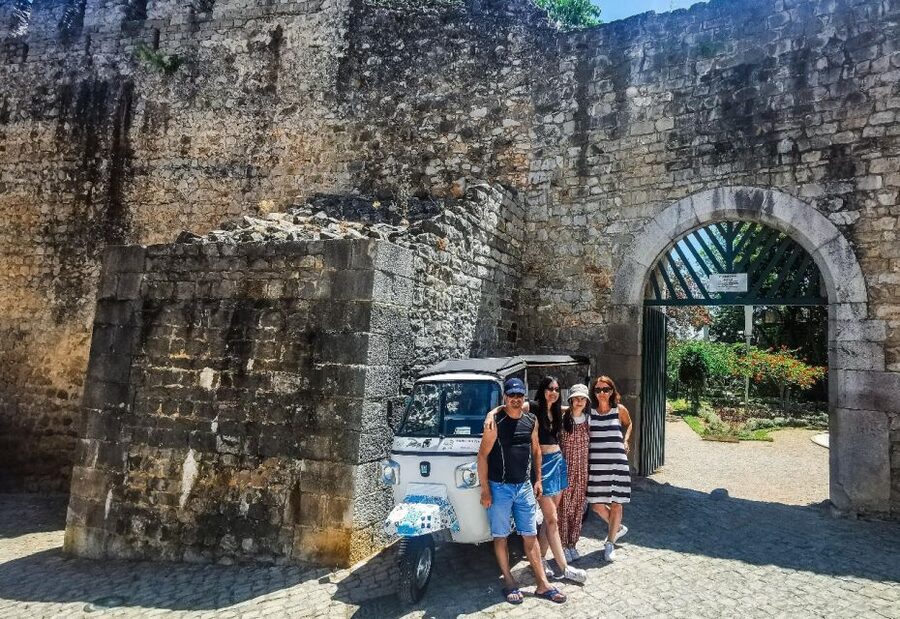
At $45 per person for a 1-hour tour, the value depends on what you want from your first day in Tavira. I think it is a strong buy if you want three things at once: orientation, curated stops, and a guide to connect the dots.
You are not paying for a slow crawl with long entrances. You are paying for smart sequencing, timed photo windows, and a living explanation while you sit comfortably on a 100% electric vehicle. That can save you energy and help you plan the rest of the week more confidently.
Also, a good guide can turn brief stops into useful takeaways. People consistently praised guides such as João, Joél, and Maria’s team for making the walk-through feel like a conversation, not a script. You get photo prompts, and you can ask questions that you would not ask if you were wandering alone.
If you are the kind of traveler who loves to research and plan each church you visit, this might feel a bit “fast.” But for most people, it is a great way to decide what you should return to once you know what you are looking at.
Who This Tuk-Tuk Tour Fits Best (And When It Does Not)
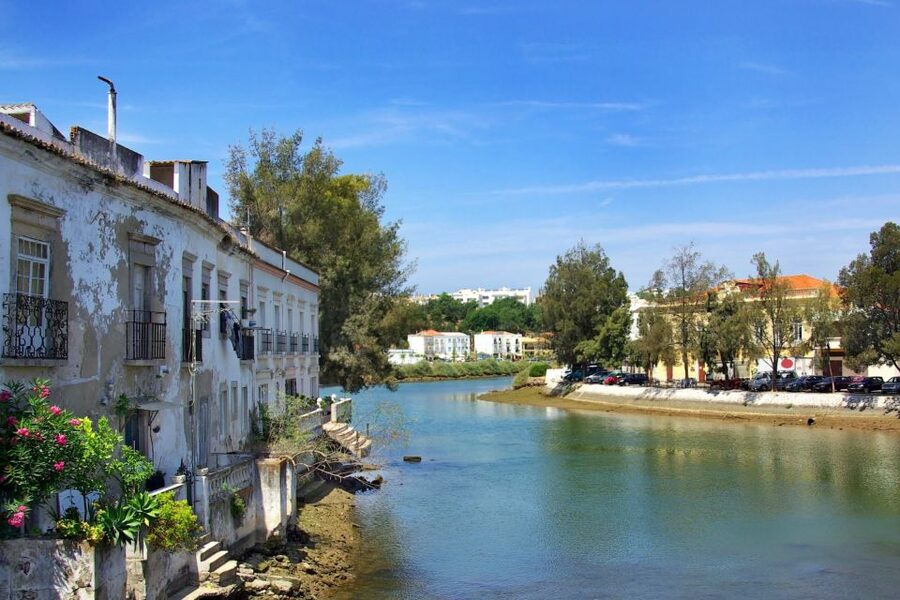
This is a great fit for first-time visitors who want to get bearings quickly. If you are staying nearby and only have limited time in Tavira, a private group tuk-tuk tour gives you a structured sampler without committing your whole morning or afternoon.
It is also a good pick for travelers who want less walking. Several people specifically mentioned how it helped them enjoy Tavira on hot days, including families traveling with an elderly parent. The ride reduces uphill stress while still letting you see the churches and viewpoints that define the town.
Where it might not fit is if you want long stops inside every site. You get quick windows, not full guided time in each building. You will probably leave with a list of places to revisit, which is not bad. It is just a different travel style.
Timing-wise, hot season is when the electric ride can feel like a cheat code. But any day works if you are comfortable with short stop durations.
Should You Book This Tavira Tuk-Tuk City Tour?
Yes, I would book it if you want an efficient, guide-led way to understand Tavira fast. For the $45 price, you get the kind of overview that helps you explore smarter afterward, especially if you plan to revisit highlights like the salt pans and the castle area.
Skip it only if you strongly prefer slow, unstructured wandering or you want long, inside-only time at each historic site. Otherwise, this is exactly the sort of tour that makes a town feel clearer, funnier, and more personal soon after you arrive.
FAQ
How long is the Tavira tuk-tuk city tour?
The tour lasts 1 hour.
How much does the tour cost?
The price is $45 per person.
What is included in the price?
The tour includes 1-hour tuk-tuk transportation with a live tour guide.
Where do I meet Maria’s Tuk Tuk?
Meet at R. Gonçalo Velho 7. There is a sign for Maria’s Tuk Tuk nearby Aguarela Café.
What vehicle is used for the tour?
The tour is carried on a 100% electric tuk-tuk.
Is the tour wheelchair accessible?
Yes, the tour is wheelchair accessible.
What languages are the guides available in?
The live tour guide is available in English, French, Spanish, and Portuguese.
What stops are part of the tour?
You will visit areas that include Alto de São Brás, the salt pans in Atalaia, the church of São Sebastião, and the historic area with stops such as the Convent of Graça, Santiago church, Santa Maria church, Misericórdia church, plus a castle stop.
Are food, drinks, or alcohol included, and can I bring luggage?
Food and drinks are not included. Alcoholic drinks are not allowed in the vehicle, and luggage or large bags are not allowed.
Can I cancel or book with flexible payment?
You can cancel up to 24 hours in advance for a full refund. You can also reserve now and pay later.
What Algarve sent us most recently
- Albufeira, Olhão, Faro : Seven Hanging Valleys Guided Hiking
★ 4.8 · 117 reviews - Welcome to Carrapateira Horse Riding Tour
★ 5.0 · 124 reviews - Lagos and Cabo São Vicente Guided Tour
★ 4.2 · 124 reviews - Portimão: Caves, Benagil and Algarve Coastline Boat Tour
★ 4.5 · 127 reviews - Jet Ski Rental in Vilamoura
★ 4.5 · 129 reviews - Sagres: Sunset Tour
★ 5.0 · 129 reviews - Lagos: Guided Scuba Diving Trip for Beginners
★ 4.3 · 131 reviews - Coasteering Adventure with Snorkeling
★ 5.0 · 133 reviews
City Tours, compared.
The Unvanquished Tour in Porto City Center
Read our review →
Lisbon City Center Tour – The Unmissable Lisbon
Read our review →
Daytime/Sunset/Night City Sailboat Tour with Drink
Read our review →
City Highlights 3-Hour Guided Electric Bike Tour
Read our review →

Browse the lists this tour appears in