
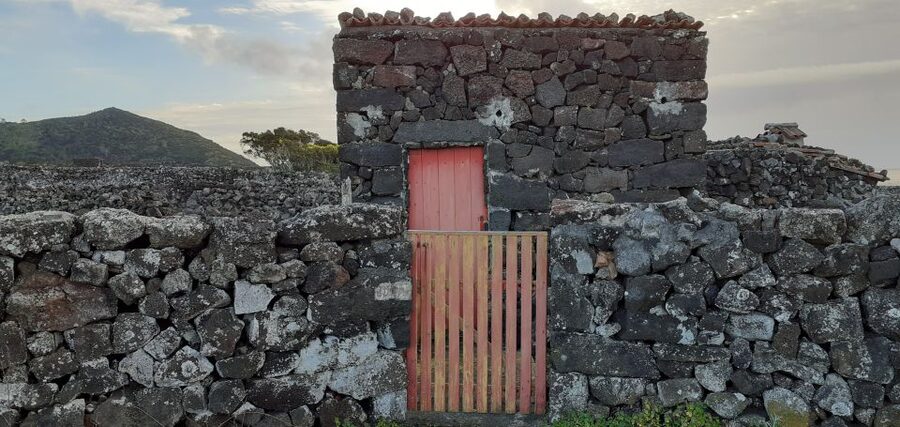
Reviewed · THINGS TO DO IN THE AZORES
Tours on Pico Island – Cultural and Natural Landscape
Pico Island has a way of changing your mind fast. In one 8.5-hour drive, you get the UNESCO wine-growing story, plus the island’s whaling past and raw volcanic scenery. I especially like the balance of stops between Pico’s Vineyard Culture and the whaling sites, and how you still get time to look around at each place. The main drawback is simple: food and drinks are not included, so you’ll need a lunch plan.
With a small group capped at 8 participants, this tour feels less like a checklist and more like a guided route you can actually enjoy. One guide name that comes up often is Norberto, and the consistent theme is a calm pace, safe driving, and enough breathing room at viewpoints. If you hate time on winding roads, you might find the long day tiring, but the stops are what keep it moving.
In This Review
- Key Things That Make This Pico Day Work
- Pico in One Day: Why This Route Makes Sense
- Getting Rolling: Pickup, Timing, and the Road Along Estrada Regional
- Madalena, São Roque do Pico, and Lajes do Pico: The Villages as Anchors
- Lagoa do Capitão: Endemic Plants and a Nature Break
- UNESCO Pico Wine Culture: What the Vineyard Story Really Means
- Whaling Culture on Pico: Museum Stops and the Mistérios Thread
- Volcanic Pico by the Seashore: Cachorro, Lajido, and Lava Fields
- A Guide Who Sets the Pace: Norberto’s Style
- Price and Value: Is $111 a Fair Trade on Pico?
- What to Bring, Where to Go Easy, and How to Enjoy the Full Day
- Should You Book This Pico Tour?
- FAQ
- How long is the Pico Island tour?
- What is the group size?
- What does the tour include?
- Are food and drinks included?
- What language is the guide?
- Which places will the route cover?
- Does the tour focus on UNESCO sites?
- Is the tour good if I do not want to rent a car?
- Is free cancellation available?
- What is the price?
Key Things That Make This Pico Day Work
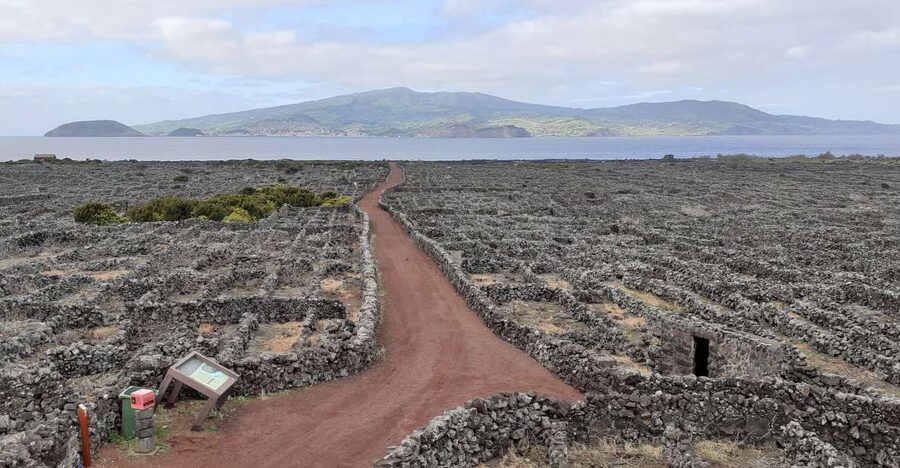
- UNESCO vineyard culture stops that connect wine production to how locals live on Pico
- Whaling Museum and culture sites that explain an important part of island survival and trade
- Lagoa do Capitão for endemic plants and an easy walk through island nature
- Cachorro and Lajido viewpoints plus seashore stops over broad lava fields
- Small group of up to 8 for more flexible timing and less crowd energy
- Hotel pickup and drop-off plus handling transfers tied to public transportation
Pico in One Day: Why This Route Makes Sense
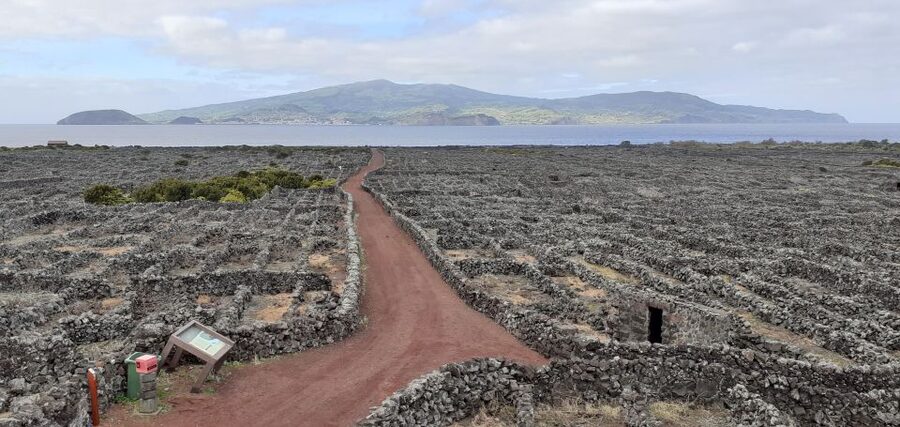
Pico is not a place you truly understand from one photo. You need the mix. This tour does that by pairing human stories with the physical forces that shaped them.
On Pico, wine is not just a product. It is a landscape manager, a land-use system, and part of community identity. Pair that with volcanic ground, scattered villages, and the island’s historic whaling connections, and the day starts to feel like you are learning the island from multiple angles at once.
That mix is what I like most about this experience. You see how people adapted, traded, built, farmed, and navigated the sea and the land. You’ll also get a guide who can turn stops like Lagoa do Capitão, lava fields, and the Whaling Museum into a single story line, instead of separate tourist moments.
The practical tradeoff is time. You are out for most of the day, riding along Pico’s main coastal roads. It is a full-day commitment, but at least the route is built around variety, not long dead stretches.
More Things to Do in the Azores
- From Ponta Delgada: Whale and Dolphin Watching Trip★ 4.7 · 4,109 reviews
- Azores: Whale Watching & Islet Boat Tour w/ Marine Biologist★ 4.7 · 2,945 reviews
- São Miguel West: Full-Day Van Tour with Lunch★ 4.9 · 1,948 reviews
- São Miguel West Full Day Tour with Setes Cidades Including Lunch★ 5.0 · 1,605 reviews
Getting Rolling: Pickup, Timing, and the Road Along Estrada Regional
This is an 8.5-hour tour built around comfort and logistics. You get hotel pickup and drop-off, plus transfers related to public transportation. That matters on Pico because public transport exists, but it is not always friendly if you want a full island loop in one day.
After pickup, you start following the main coastal roads, including Estrada Regional 1 and 2, which run along both sides of the island. The benefit of that approach is simple: you are not guessing where to go next. The drive itself becomes part of the orientation, because you start to recognize how the north and south coasts feel different.
Group size also helps. With a small group limited to 8 people, you are less likely to get swallowed by crowd time. In several experiences like this, the biggest frustration is being stuck behind other groups at viewpoints. Here, you are more likely to be able to move when you want, and your guide can adjust the pace to visibility and weather.
If you are short on time on Pico, this is the kind of tour that gives you an island baseline. Later, you can choose a second day for slower wandering and one or two places you liked best.
Madalena, São Roque do Pico, and Lajes do Pico: The Villages as Anchors
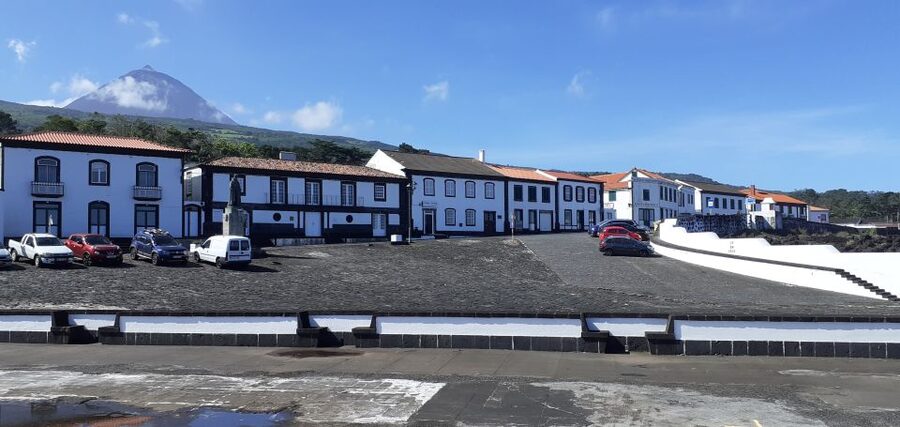
A good island day needs anchors. This one uses three village stops: Madalena, São Roque do Pico, and Lajes do Pico. Think of them as the island’s chapters.
- Madalena is often your first major context clue. It is tied to the island’s wine culture and daily rhythms. Even if you only take in a short walk, you start to understand why wine-growing history matters on Pico, not just as a UNESCO label.
- São Roque do Pico gives you a sense of how communities sit beside volcanic ground. It is a place where the island’s natural conditions feel close, not abstract.
- Lajes do Pico rounds out the day with a different mood. You get a sense of the island’s wider coastline life, plus how people live with sea access and land limitations.
The practical value here is orientation. You stop in places you can later revisit on your own. And because the guide keeps connecting village life to vineyards, volcanic terrain, and whaling-era history, the towns are not just pretty backdrops. They become part of the explanation.
One thing I like is the promise of time. In similar small-group experiences, being rushed turns villages into drive-bys. Here, the tone from guide feedback you can expect is unhurried exploration at stops, which helps if you want photos without sprinting.
Lagoa do Capitão: Endemic Plants and a Nature Break
After time among towns, the day includes Lagoa do Capitão. This is one of those stops where your eyes and your mind both get a reset.
You go there for the endemic vegetation of Pico. That means plants you will not find elsewhere, tied to this island’s specific conditions. Even without a long hike, a nature stop like this gives you a more grounded view of what makes Pico different.
A note for planning: if you are someone who likes to linger, this is a good moment. The attraction is not a single landmark you rush past. You will likely want to look at what grows around you, and you may want to pause for photos.
Weather can also matter on Pico. If you end up with fog or low visibility, your guide may shift the timing or adjust the day’s order so you do not lose the whole experience. That flexibility is part of what makes a small-group format worth it.
UNESCO Pico Wine Culture: What the Vineyard Story Really Means
The headline heritage for this day is Pico’s Vineyard Culture, classified as UNESCO World Heritage. This stop is more than a quick look at vines.
On Pico, wine culture developed as an answer to the island’s volcanic reality. Volcanic ground brings challenges, like different soil conditions and the way water behaves. Yet communities turned that problem into an approach to land management and cultivation. When your guide explains the system, you start to see why the vineyards are not just agriculture. They are a cultural strategy shaped over generations.
This is also where many visitors begin to understand the emotional logic of the island. Winegrowing is hard work, but it connects families, schedules, and identity. You see it in how people talk about the land, and you feel it in the way the day connects villages to vineyard areas.
If you care about heritage that is still alive, not frozen behind a fence, this part is a strong match. And because this day does not treat UNESCO as a photo stop only, you usually walk away with a clearer understanding of what UNESCO is protecting and why it matters today.
When the light changes over the Azores, try these:

Whaling Culture on Pico: Museum Stops and the Mistérios Thread
Pico’s whaling story is not an abstract chapter in a textbook. It connects to survival, trade, and the ocean relationship that shaped island life.
This tour includes visits to emblematic whaling culture places, including the Whaling Museum. For me, museum stops work best when the guide connects them to what you see outside, like coastline settings and how communities historically depended on the sea.
You will also hear about Mistérios, described as a shaping force for Pico. The way your guide frames it is the value here. Instead of treating misty legend as random trivia, the tour uses it to explain how the island’s identity formed. It is a chance to understand what people think shaped their world, and how those stories live alongside real-world history.
One more thing: this section is where the cultural learning tends to click. You go from farms and volcanic ground to ships, seasons, and the jobs that came with whaling-era life. Then it all ties back to how people adapted over time.
If you are curious about maritime history, or you just like understanding why a place is the way it is, this part gives the day real depth without making it feel heavy.
Volcanic Pico by the Seashore: Cachorro, Lajido, and Lava Fields
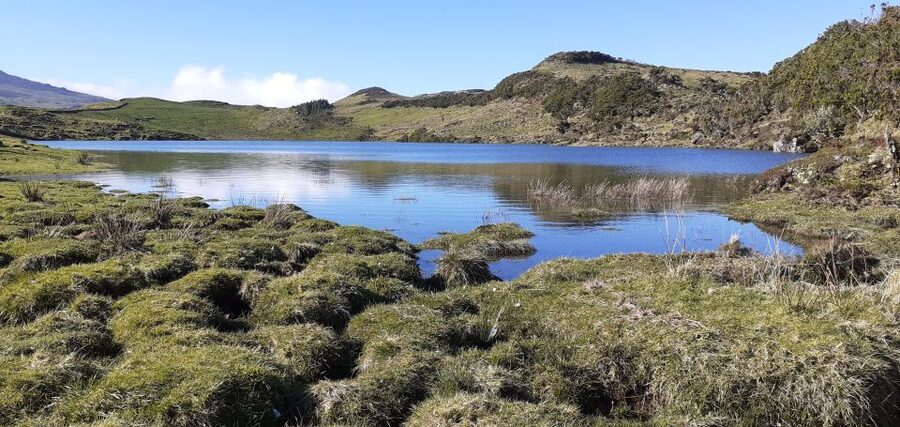
Pico’s volcano story is visible. You do not need a lecture to understand it, but a guide makes the visibility meaningful.
This tour routes you through popular places including Cachorro and Lajido, and then along the seashore for the island’s volcanic particularities, especially the presence of vast lava fields. This is where the island stops feeling like a scenic backdrop and starts feeling like a giant, slow-moving creation.
The value of doing this with a guide is that you see more than the obvious. A good explanation turns lava into clues: where it came from, how it changed the coast, how people built and navigated around it. Even if you keep it simple in your mind, you still walk away with a better sense of the island’s logic.
Here is a practical consideration: lava-field views can be windy and exposed, and seashore stops can be wet if weather turns. Wear something you can layer, and plan for short walking stretches that can be slippery depending on conditions.
If you love geology, even in a casual way, you will likely enjoy this part more than you expected. Lava fields are one of those features that feel dramatic once you are standing near them, even if you did not plan to care that much before the tour.
A Guide Who Sets the Pace: Norberto’s Style
A big part of why this tour earns such strong marks is the people driving it. A name that shows up frequently is Norberto.
From the feedback you can use to set your expectations, the recurring strengths are:
- He is courteous and very friendly, not just repeating facts.
- He shares island history tied to daily life, not just isolated trivia.
- He drives safely and keeps the group comfortable.
- He tends to give time at stops, so you do not feel like you are sprinting from one photo to the next.
- He is flexible with pick-up and can meet you in a way that fits the day, even when you are connecting through public transportation.
One practical bonus is lunch flexibility. Since food and drinks are not included, your guide helps solve a real visitor problem: where to eat without wasting time. In one example, a lunch option was a buffet at about 13 euros per person including drinks. Your exact choice will depend on timing and what is open, but you can count on your guide to suggest places and keep you on track.
For some people, the comfort level is also a deciding factor. A roomy van and a calm driving pace can make a long day feel manageable.
Price and Value: Is $111 a Fair Trade on Pico?
At about $111 per person for an 8.5-hour outing, the price is not “cheap,” but it can be good value if you hate logistics. You are paying for:
- Hotel pickup and drop-off
- A small-group format capped at 8
- Entry visits to included sites
- Insurance
- A live guide in English and Portuguese
- Transfers connected to public transportation
The biggest value lever is that you skip the effort of renting a car, figuring out routes, and managing parking. On Pico, that can be a time saver and a sanity saver, especially if you only have a short stay and you want a first loop.
The other value lever is learning. If you like to understand what you are seeing, a guided day can beat self-driving because you are not stopping blindly. Instead, you stop because there is a story behind each place, from vineyards to whaling culture to volcanic ground.
The price downside is also clear: no food and drinks. If you planned to buy nothing and snack lightly, you will still want to budget for lunch. Bring water, and plan for lunch costs at the places your guide recommends.
What to Bring, Where to Go Easy, and How to Enjoy the Full Day
You are out most of the day, so pack like you are doing a serious sightseeing loop, not a quick hop.
Bring:
- A light layer for wind, especially at the seashore and lava-field areas
- Comfortable shoes for uneven ground around viewpoints and any short walks
- Sun protection, since coastal weather can shift fast
- A small plan for lunch since it is not included
The best way to enjoy this day is to accept that you are getting breadth, not total depth. You are seeing a lot of Pico, and the tradeoff is that each stop is a taste. If you fall in love with one area, that is your cue to come back later for a slower follow-up.
If you are traveling solo, this tour can still work well. One recurring theme in feedback is that solo travelers were accommodated, sometimes even without a full van load. With small-group tours, that matters because it can reduce waiting and keep the day from feeling cramped.
If you have limited mobility or you are traveling with someone who needs extra help, ask your operator directly. The good sign here is that there is a track record of helping people move through stops with care.
Should You Book This Pico Tour?
Book it if you want a smart first visit to Pico. This is one of those rare island days that connects culture and geology instead of treating them as separate attractions. If UNESCO vineyards, whaling culture, and volcanic seashore scenery are on your priority list, you will get real value from one 8.5-hour route.
I would skip it only if your idea of a great day is very slow, with minimal driving. Also skip if you dislike museums and cultural sites, because the Whaling Museum and culture stops are a core part of the experience.
Also, do not underestimate the small-group format. A cap of 8 participants plus an attentive guide can change everything, especially when weather affects visibility on Pico.
FAQ
How long is the Pico Island tour?
The duration is about 8.5 hours.
What is the group size?
It is a small group limited to 8 participants.
What does the tour include?
It includes hotel pickup and drop-off, transfers from and to public transportation, entry visits, insurance, and a tour guide.
Are food and drinks included?
No. Food and drinks are not included.
What language is the guide?
The live tour guide is available in English and Portuguese.
Which places will the route cover?
The tour includes Madalena, São Roque do Pico, Lajes do Pico, Lagoa do Capitão, Cachorro, Lajido, and whaling culture sites including the Whaling Museum.
Does the tour focus on UNESCO sites?
Yes. It includes the Pico Vineyard Culture area, classified as UNESCO World Heritage.
Is the tour good if I do not want to rent a car?
This tour is designed to show a lot of Pico in one day with pickup and drop-off, so it can be a good alternative to self-driving.
Is free cancellation available?
Yes, you can cancel up to 24 hours in advance for a full refund.
What is the price?
The price is listed at $111 per person.
What the Azores sent us most recently
- Full-Day 4×4 Nordeste Azores Tour from Ponta Delgada
★ 4.8 · 39 reviews - Ponta Delgada: Fat Dolphin Food Tours
★ 4.8 · 39 reviews - Sanguinho Hike from Ponta Delgada
★ 5.0 · 40 reviews - São Miguel: Majestic North Tour (Local Lunch Incl.)
★ 5.0 · 40 reviews - Full-Day Private Tour of Faial
★ 5.0 · 40 reviews - Private Sailing Sunset Tour PDL
★ 5.0 · 41 reviews - Cave Tour in Terceira
★ 5.0 · 41 reviews - Terceira Island Airport Transfer
★ 5.0 · 41 reviews
Things to Do in the Azores, compared.

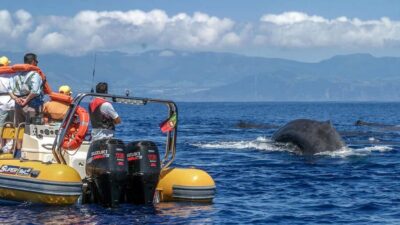
Whale Watching & Islet Boat Tour w/ Marine Biologist
Read our review →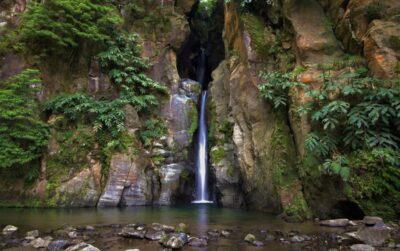
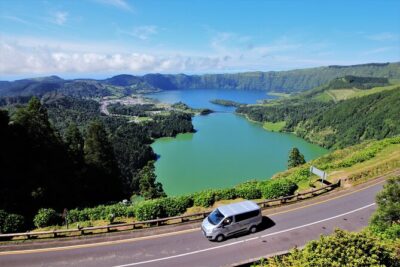
São Miguel West Full Day Tour with Setes Cidades Including Lunch
Read our review →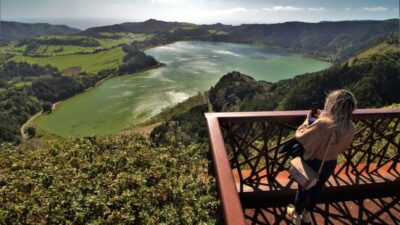

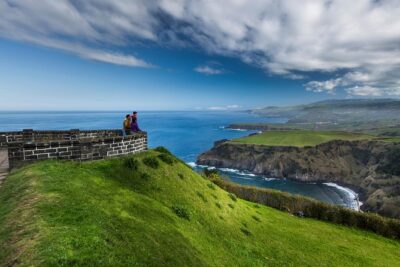
São Miguel East Van Tour with Lunch: Furnas & Nordeste
Read our review →
Browse the lists this tour appears in