
Reviewed · MUSEUMS
Visit to Gil Eannes hospital Ship Museum
A hospital ship on icy seas, finally still. I love how this museum ship makes medical care feel tied to real weather, real boats, and real risk. Walking its restored spaces, you get a strong sense of life on the cod-fishing fleet off Newfoundland and Greenland.
Two things I especially like are the way the layout takes you from ship work to patient care, and the honest feeling that this vessel had multiple jobs, not just one. One consideration, though: this visit is not suitable for mobility impairments or for people with visual impairments, because you are moving through ship interiors and museum rooms.
If you want a quick history lesson that turns into a lived-in experience, Gil Eannes works. At $6 per person for a full day of exploring, it is very good value for the amount of space you cover and the detail you see on board.
In This Review
- Key things to know before you go
- Gil Eannes Hospital Ship Museum, the concept that hits fast
- The walking route: from bridge to operating theatre
- A ship that did everything, so patients could get help
- What it feels like to see 1950s hospital life, not a textbook
- Price and value: $6 for a whole day of ship spaces
- Tickets, meeting point, and how to avoid surprises
- The kids add-on can be confusing
- Who should book, and who might want a different plan
- Language and on-board context: making sense of what you see
- The bottom line: should you book Gil Eannes?
- FAQ
- How much does the Gil Eannes Hospital Ship Museum cost?
- How long should I plan to spend?
- Where do I present my voucher?
- What languages are available during the visit?
- Is it possible to add discounted child tickets?
- Is this experience suitable for people with mobility impairments?
- Is this experience suitable for visually impaired people?
- Can I cancel and get a full refund?
- Can I reserve now and pay later?
- Who provides and manages the experience?
Key things to know before you go
- A ship built in 1955 to support the cod-fishing fleet, then turned to multiple roles, including hospital duty
- Restored areas that match real ship tasks, from bridge and engine room to galley and bakery
- On-board medicine you can walk through, including an operating theatre and radiology room
- A clear connection to harsh 1950s living, especially through cabins and day-to-day spaces
- Watch the kids add-on rules, since the option can be confusing at purchase time
- Value for money: you pay around a few dollars to spend a full day touring a whole floating complex
Gil Eannes Hospital Ship Museum, the concept that hits fast
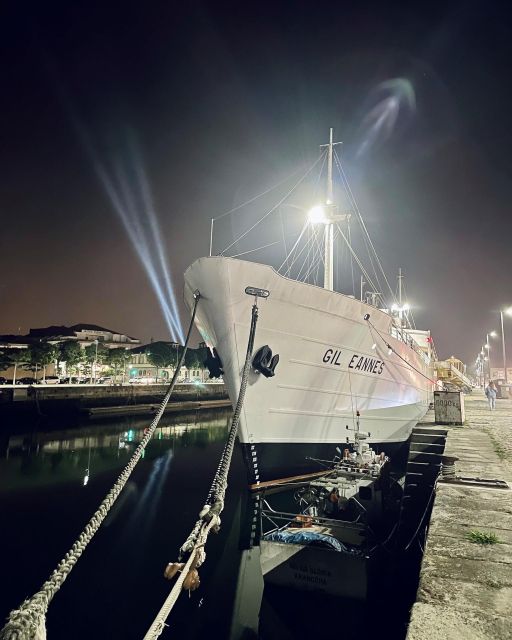
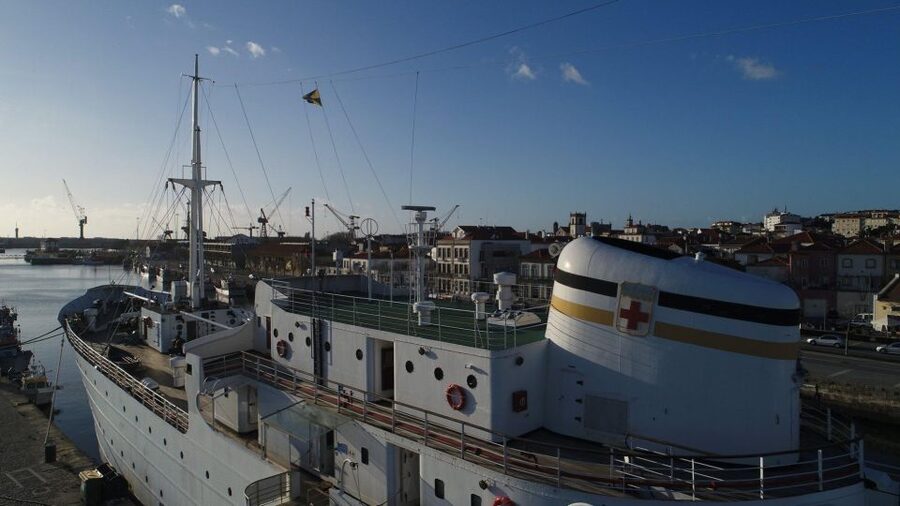
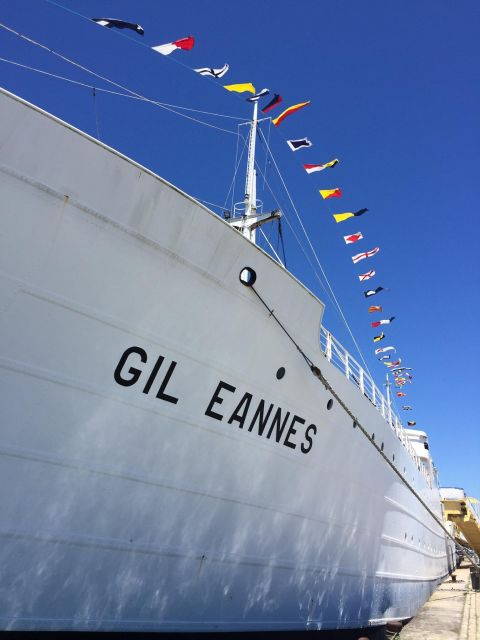
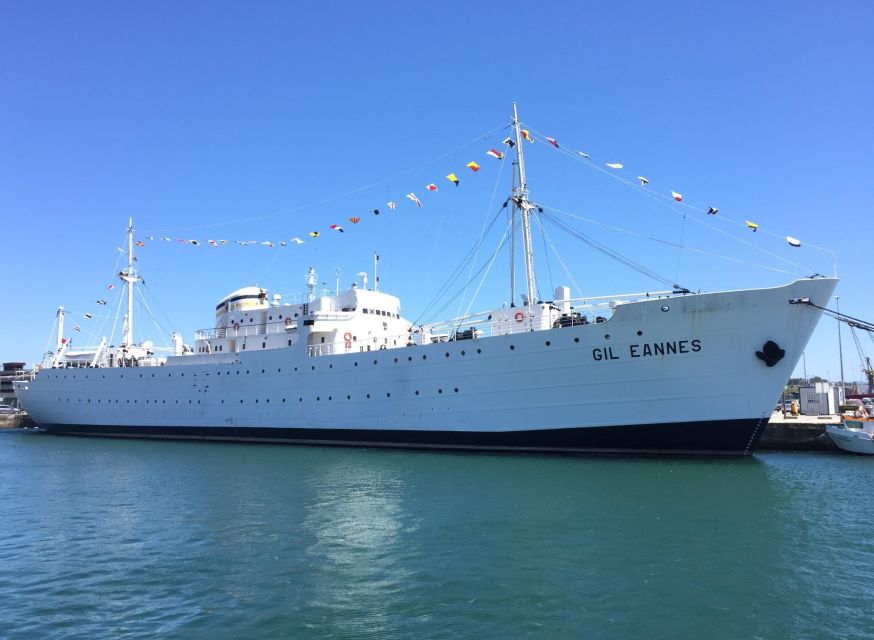
This is not a typical museum that sits calmly on land. Gil Eannes was built in the mid-1950s in the Viana do Castelo shipyard to aid the cod-fishing fleet operating off Newfoundland and Greenland. In your head, you can picture the ship at sea: freezing conditions, long stretches of work, and the constant need for medical help, supplies, and logistics.
What makes the experience click is how the ship’s purpose is both narrow and wide at the same time. Narrow, because it was designed for hospital service for the fishing crews. Wide, because it also functioned as a flagship, mail ship, tugboat, icebreaker, and supply ship, ensuring provisions, nets, bait, and fuel kept moving toward the fleet.
I also like that the museum frames the ship’s story as a rescue from a bad ending. After decommissioning in 1984, the vessel suffered years of degradation, was moved around, and was even sold for scrap before the Vianense community fought to bring it back to where it was built. That idea of local pride matters when you walk around, because you are not just viewing a relic, you are seeing something saved.
The walking route: from bridge to operating theatre
Plan for a full day, because this is a lot more than a quick peek. As you “navigate” the restored museum spaces, you move through practical ship areas and then into the places designed for care and treatment.
Start up on the bridge. Even if you do not read technical details, you can get the feel of command space, navigation thinking, and the way a working ship organizes itself. On a vessel like this, the bridge is not a backdrop, it is the control center that keeps the ship safe while it does tough work in cold waters.
Then you head into the ship’s food and operating rhythms. The galley and bakery areas show how provisions were handled. For people who like maritime history, these rooms help you understand how a long mission stays fed, stocked, and functional.
Next comes the engine room. This is where you see the physical engine of the ship, the work that makes everything else possible. It helps you connect the dots between “a hospital ship” and “a ship that must keep going,” especially when it is also acting as an icebreaker or tugboat.
From there, the museum shifts clearly into medical spaces. You can walk through an operating theatre, a doctor’s surgery room, treatment room, and a radiology room. The overall effect is practical and sobering. It is not a staged fantasy of healthcare, it is a set of rooms that were installed because something had to be done when patients were far from shore.
You also see multiple cabins. This is where the ship stops feeling like a concept and starts feeling like a place people lived. The hard living conditions theme is not just written on a panel. It becomes physical when you picture cramped spaces, routine, and the reality that the ship’s mission lasted far beyond a day trip ashore.
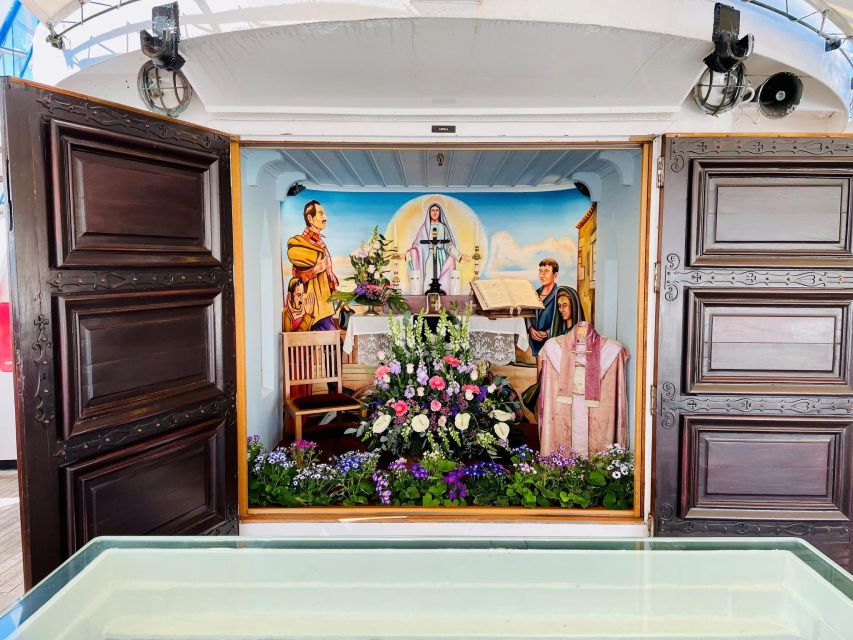
Finally, there is the chapel. A chaplain was on board to provide spiritual and religious guidance, and that is part of the story you feel as you move through the ship. For me, this is a key human note in the middle of all the machinery and medicine.
A ship that did everything, so patients could get help
One of the best ways to understand Gil Eannes is to accept that it was built for job juggling. Its main purpose was medical assistance to the cod-fishing fleet, but it also guaranteed supply and movement. The ship did not just carry patients, it helped keep the whole operation alive.
That includes roles like flagship, mail ship, tugboat, icebreaker, and supply ship. In practical terms, that means when the fishing fleet needed nets, bait, fuel, and provisions, there was a vessel meant to deliver those needs. When someone got sick or injured out on the banks, there was a medical response connected to the same logistical machine.
You also learn that the ship’s missions did not end with the cod fleet. It completed its last voyage assisting the fishing fleet in 1973. Then, in 1975, it made a final hospital-ship journey providing medical-hospital aid during the withdrawal of troops when Angola became independent.
That detail gives the visit extra weight. You are not only touring an object tied to one industry. You are touring a platform that was used again when medical needs rose in a completely different context.
What it feels like to see 1950s hospital life, not a textbook
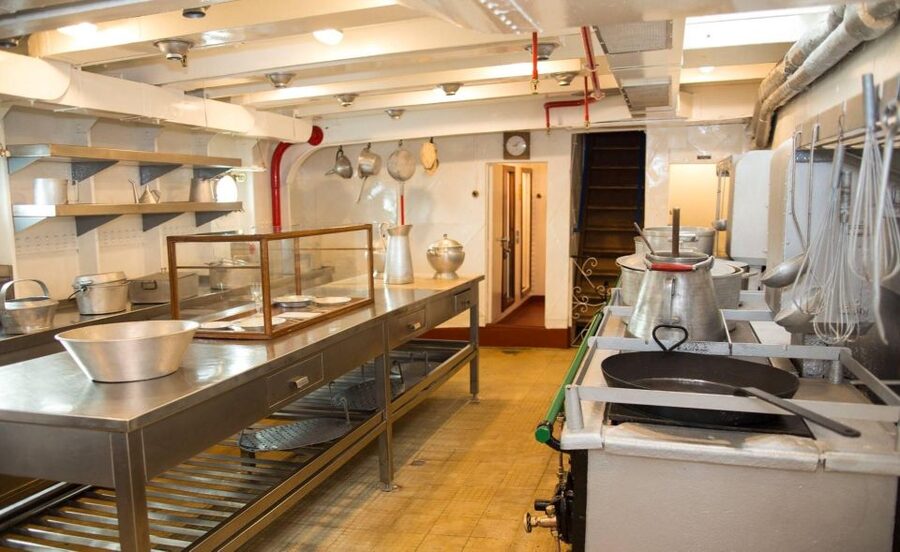
A good museum makes history concrete. This one tends to do that by showing the whole system: ship life, crew life, and patient care.
The atmosphere is one reason people love this experience. The ship layout helps you understand that hospital service was part of an operating vessel, not a separate calm zone. Even though you are visiting restored areas, the rooms still feel like they belong to ship duty.
When you look at the operating theatre, you can imagine the constraints that must have existed at sea. When you move through radiology and treatment rooms, you grasp that they were meant for decisions that could not wait until landfall. And when you look at cabins, you get the pressure-cooker background of living conditions in the 1950s, when cod fishermen and their crews worked under serious hardship.
This is also where the museum’s rescue story connects. If you see how the ship was scheduled to be dismantled and how it was brought back by local action, you start to appreciate why restoration focuses on real rooms and real functions. They did not save it to make it pretty. They saved it to keep the story usable and visitable.
Price and value: $6 for a whole day of ship spaces
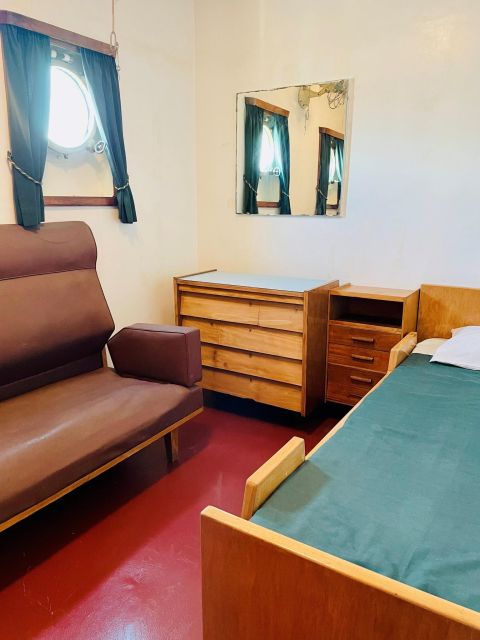
At about $6 per person for entry, this is strong value. Why? Because you are not paying for a short “walk past a few items” kind of tour. You are paying to spend a day moving through many restored ship zones, including the bridge, engine room, operating theatre, surgery and treatment rooms, radiology, chapels, cabins, and exhibit areas.
Also, the ticket price aligns with what you get: a complete, physical sense of the ship as a working system. That is hard to replicate in a land museum without a much bigger footprint.
If you are traveling on a budget, Gil Eannes can fit nicely as a meaningful half-to-full-day stop. If you are not on a strict schedule, it can also be a calm, low-stress activity because you are exploring at your own pace through connected spaces.
One practical value note: the ship includes an option to add children at a reduced cost, but it is tied to buying two tickets and limited to certain ages. If that matters to you, read that part carefully before you assume the pricing will be the same as other attractions.
Tickets, meeting point, and how to avoid surprises
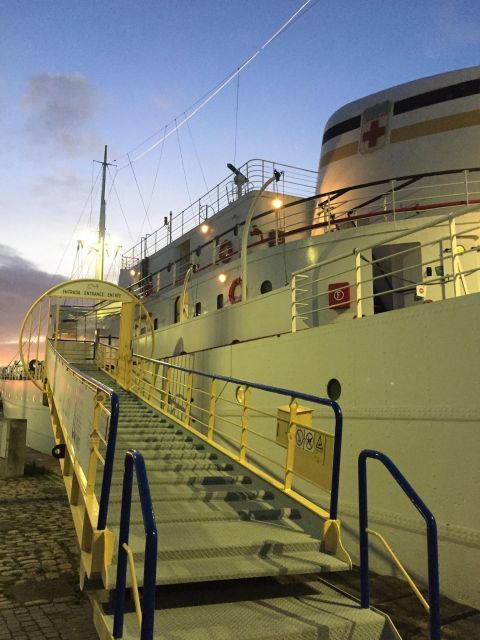
You need to present your voucher at the ticket counter before the visit begins. That is the key step to plan for, because it sets the rhythm for your entry.
The activity is valid for one day, and you should check availability for starting times. In other words, it is not a vague “sometime today” thing. You will want to pick a start window that works with your day in northern Portugal.
The kids add-on can be confusing
Here is a consideration I would treat seriously if you are traveling with family. If you buy two tickets, you may add up to four children ages 7 to 16 for only 2€ extra, and that extra is paid directly at the ship entrance on arrival. Double check the age limits and the “up to four children” cap before you show up, so you are not stuck sorting it out at the counter.
Who should book, and who might want a different plan
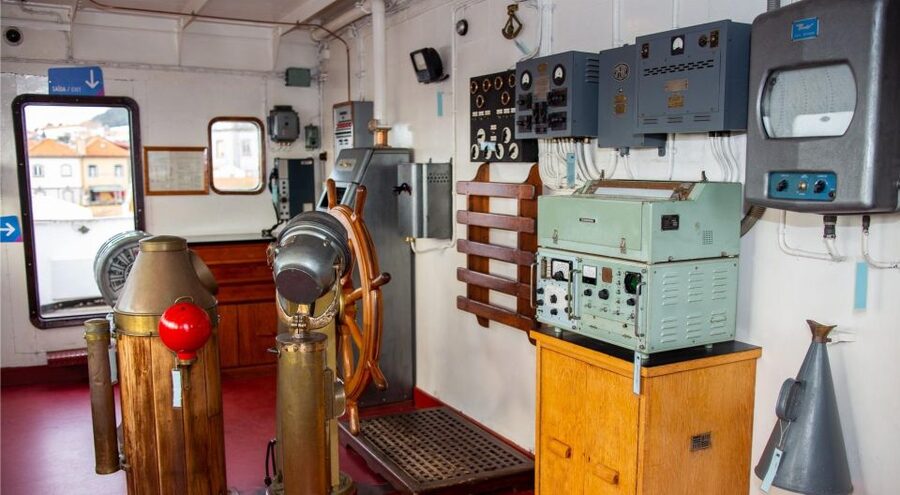
This museum ship is a good fit if you like maritime life, working ships, and the way “practical systems” connect across industries. It also works well if you are interested in how medicine functioned in constrained environments, far from land.
You should consider skipping it if you need accessibility support for mobility impairments or if you rely on visual accommodations. The activity is not suitable for mobility impairments, and it is also not suitable for visually impaired people. I am mentioning that early because ship interiors can be tricky, and you deserve a plan that matches your needs.
Who tends to enjoy it most:
- People who like hands-on museum spaces where you can walk room to room
- Travelers who want something different from standard city sightseeing
- Families with older kids, as long as the children ticket add-on details fit your situation
Language and on-board context: making sense of what you see
The ship museum offers languages in Portuguese, Spanish, and English. That matters because you will get more from rooms like the engine room and the medical spaces when you can read and understand the explanations.
Even without perfect translation, the layout tells a story. Ship spaces explain work. Medical spaces explain care. Cabins and chapels explain the human side.
If you are the kind of traveler who likes context while you walk, you will find this approach useful. It is not just about facts, it is about seeing how one vessel carried multiple responsibilities.
The bottom line: should you book Gil Eannes?
Yes, I think you should book this one if you want a day that feels real, not scripted. For around $6 per person, you get a large, restored ship to explore, with clear links between cod-fishing life, medical care at sea, and how a community saved the vessel from scrap.
Book it if:
- You want a maritime experience with real room-by-room detail
- You like museums that show how systems work, ship systems and medical systems
- You can handle walking through ship interiors
Skip or reconsider if:
- Accessibility needs make the ship layout a problem
- You need a fully visual-friendly experience
If you match those points, Gil Eannes is the kind of stop that leaves you thinking about how hard life was at sea, and how organized care had to be even when the world was frozen around you.
FAQ
How much does the Gil Eannes Hospital Ship Museum cost?
Tickets cost $6 per person.
How long should I plan to spend?
Plan for about 1 day.
Where do I present my voucher?
You must present your voucher at the ticket counter before the visit begins.
What languages are available during the visit?
The available languages are Portuguese, Spanish, and English.
Is it possible to add discounted child tickets?
If you buy 2 tickets, you can add up to 4 children aged 7 to 16 for only 2€ extra, paid directly at the ship entrance on arrival.
Is this experience suitable for people with mobility impairments?
No, it is not suitable for people with mobility impairments.
Is this experience suitable for visually impaired people?
No, it is not suitable for visually impaired people.
Can I cancel and get a full refund?
Yes, you can cancel up to 24 hours in advance for a full refund.
Can I reserve now and pay later?
Yes, you can reserve now and pay later, meaning you can book your spot without paying today.
Who provides and manages the experience?
The experience provider is Fundação Gil Eannes, FP.
Azulejos & Quiet Galleries
- Porto: Cálem Cellar Tour, Interactive Museum & Wine Tasting
★ 4.5 · 4,113 reviews - Lisbon: Luz Stadium Tour & SL Benfica Museum Entry
★ 4.7 · 4,102 reviews - FC Porto: Museum & Tour
★ 4.6 · 3,807 reviews
Museums, compared.
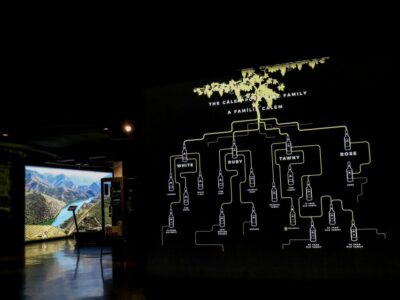
Cálem Cellar Tour, Interactive Museum & Wine Tasting
Read our review →


The Wine Experience, Best Wine Museum in the World
Read our review →

Banksy Museum Permanent Exhibition Entry Ticket
Read our review →
Belem, Jeronimos Monastery, and Coach Museum Tour
Read our review →
Browse the lists this tour appears in