Reviewed · THINGS TO DO IN PORTO
Discovering Porto in an eco-friendly vehicle
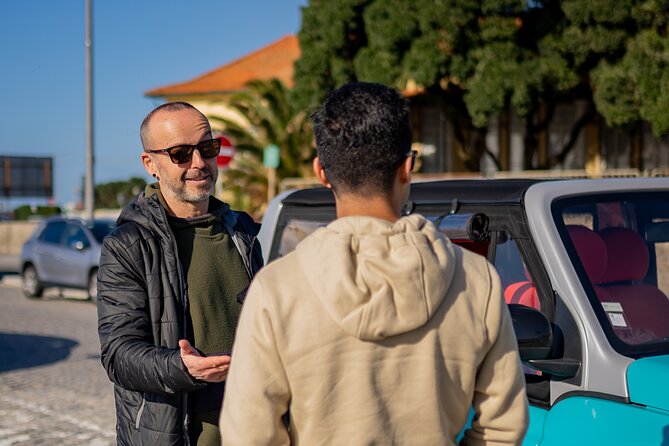
Porto by eco-car is a smart way to start. You glide through tight streets without the usual hassle, then hop out for the big visual hits like Serra do Pilar and Sao Bento Station. I like how this tour keeps moving, but still gives you small moments to look, photograph, and ask questions instead of rushing past everything.
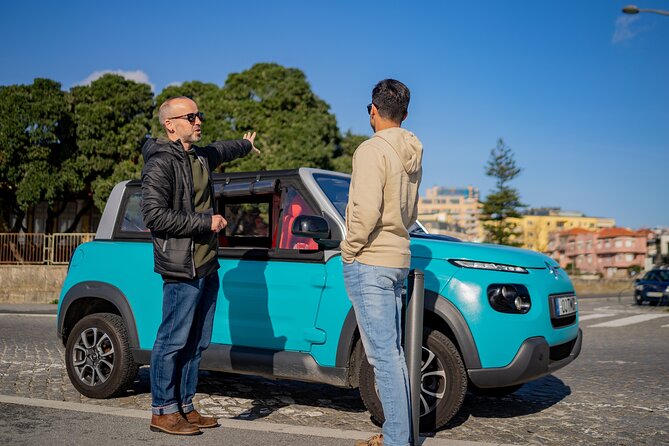
Two things I really like: first, the vehicle is genuinely comfortable, with window coverings and a roof you can open or close, so weather and crowds do not control your day. Second, the guide, often Ricardo (and sometimes Gonçalo), mixes big-picture context with practical local tips you can use right away. One possible drawback: lunch is not included, so you’ll want a plan for after the tour.
In This Review
- Key highlights worth making time for
- Why Porto by eco-car feels efficient from minute one
- Your guide makes it, especially when the city gets messy
- Comfort on hills: roof controls, good visibility, and less fatigue
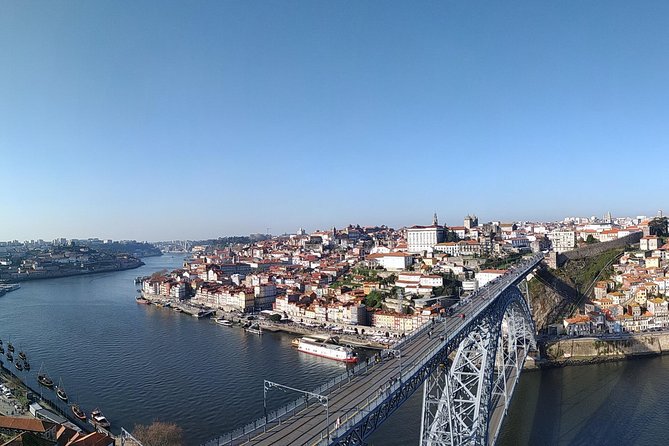
- Stop 1: Miradouro Serra do Pilar and that Gaia viewpoint moment
- Passing Lello Bookstore without stopping, and why that can be smart
- Stop 2: Sao Bento Railway Station tiles that tell Portugal’s story
- Fort S. João Batista: old defense walls, now cultural space
- The best part beyond the listed stops: coast views and Gaia energy
- Porto tasting: what’s included and how to do it without rushing
- Price and value: why $71.35 can make sense on a first day
- What you’ll do in the real world: pacing, timing, and weather
- Who this tour is perfect for (and who should reconsider)
- My decision guide: should you book this Porto eco-car tour?
- FAQ
- How long is the eco-friendly Porto tour?
- Where does the tour start?
- Is this a private tour?
- What is included in the price?
- Is lunch included?
- Is the tour in English?
- What if the weather is bad?
Key highlights worth making time for
- Serra do Pilar viewpoint for skyline photos across the river in Gaia
- Sao Bento Station tile panels that turn Portuguese history into something you can see
- Local driving around hills and tight streets without the “stuck in traffic” feeling
- Fort S. João Batista as a 16th-century defense site now used for cultural events
- Port wine included, plus chances to enjoy it with a view near the water
- Private, just-your-group format, so the pace can match your interests
Why Porto by eco-car feels efficient from minute one
Porto is steep, streets are narrow, and most first-day plans try to do too much on foot. This tour solves the first problem by getting you moving quickly, and it solves the second by using a vehicle sized for real city driving. You’ll see more in 2 hours 30 minutes than most people manage by hopping between tram stops and staircases.
The eco-friendly angle also matters in a practical way. You’re not sitting in a smoky, loud ride, and you feel less like you’re being dragged along. The vehicle setup, including open-air options, helps you enjoy the city as you pass through it, not just look at it through a closed window.
More Things to Do in Porto
- The Unvanquished Tour in Porto City Center★ 5.0 · 26,497 reviews
- From Porto: Douro Valley w/ Boat Tour, Wine Tasting & Lunch★ 4.7 · 19,061 reviews
- Complete Douro Valley Wine Tour with Lunch, Wine Tastings and River Cruise★ 5.0 · 12,920 reviews
- Porto: Six Bridges Cruise★ 4.2 · 11,680 reviews
Your guide makes it, especially when the city gets messy
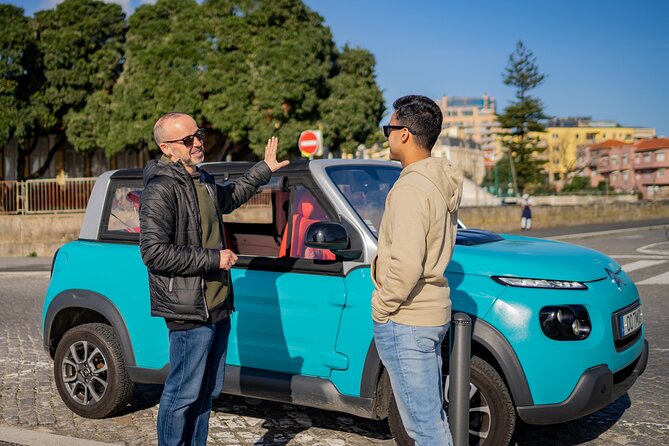
This is a private tour, meaning it’s just your group, not a mixed crowd. That changes everything: you get room to ask questions, and the guide can adjust the route without having to “stick to the script.”
I’ve seen how guides handle surprises, like a marathon causing street closures. In those moments, the guide improvises so you still get the key sights and the right rhythm. That flexibility is a big deal in Porto, where plans can get nudged by events, rain, or road work.
And yes, the guide energy stands out. Ricardo, for example, comes across as friendly, proud of his hometown, and genuinely helpful with real recommendations. You’ll also get the kind of context that turns the city from a set of photos into a place with reasons behind it.
Comfort on hills: roof controls, good visibility, and less fatigue
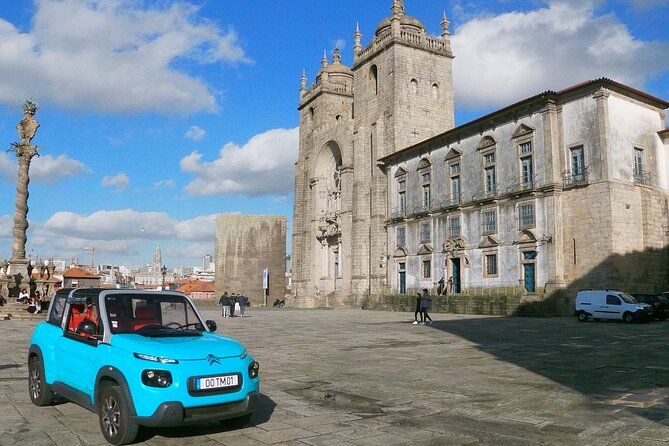
Porto’s hills can drain you faster than you expect. The vehicle in this experience is set up to keep the ride comfortable, with window coverings and a roof that can be open or closed depending on weather. I love that because it means you do not have to choose between photos and staying comfortable.
Visibility is another underrated factor. You can see out easily, which matters when you’re passing viewpoints and older streets where the details are half the fun. It also helps for quick photo stops, since you are not getting in and out repeatedly for every turn.
If you’ve been considering a tuk-tuk style tour, this can feel like a calmer option. Several people highlighted how it’s more comfortable than the bumpy, cramped rides you sometimes see in Porto’s center.
Stop 1: Miradouro Serra do Pilar and that Gaia viewpoint moment
You start with a short stop at Miradouro Serra do Pilar. This is one of those places where the timing is simple: step out, look across the river, take your photos, then get back in the car before the best light passes you by.
From Serra do Pilar, you get the sense of Porto’s layout in one glance. You see how the river curves, how the city folds around it, and why Gaia is not just “the other side,” it’s part of the same visual story. Even with a brief stop, it gives you a grounding view that helps the rest of the tour click into place.
Practical tip: bring your phone camera settings ready. You only have about 10 minutes here, so do not waste time fiddling with power and apps. If the weather is fine, this stop is an easy win.
Passing Lello Bookstore without stopping, and why that can be smart
You will pass by the famous Lello Bookstore, but you do not stop. That sounds like a compromise until you remember what Porto days can be like: queues, ticket lines, and time lost to getting in and out.
The value of passing by is that you still get the moment of recognition, and you can choose your own follow-up later. If you care about going inside, you can plan it on your own schedule when you are not balancing it against other major sights.
If you do not plan to enter, this is also a relief. You save time for stops that are easier to appreciate outdoors and on foot, like Serra do Pilar and Sao Bento Station.
When the light changes over Porto, try these:


Stop 2: Sao Bento Railway Station tiles that tell Portugal’s story
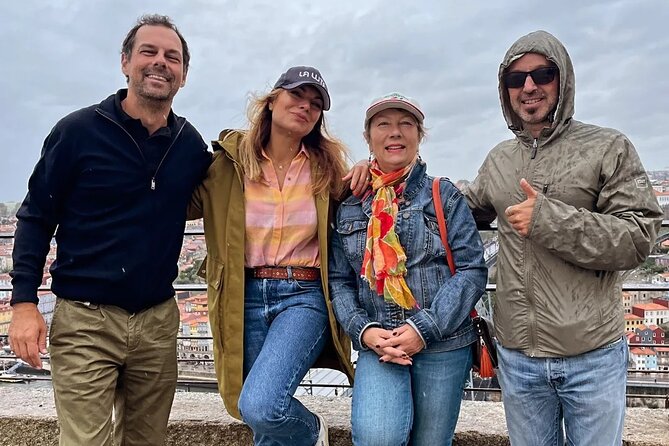
Sao Bento Railway Station is the standout indoor stop. The entrance hall is where you’ll slow down, because the tile panels cover the walls with scenes that help tell part of Portugal’s history. Jorge Colaço is credited for the work, and you can feel why people stop here even if trains are not your focus.
The time is about 15 minutes, which is perfect if you understand the goal. You are not trying to read every tile like a textbook. You’re looking for the patterns, the scenes, the way the colors and figures create a narrative. In a short visit, you get the wow without the fatigue.
If you like photography, plan where you want to stand before you start shooting. That way you’re not rearranging yourself too much while people flow around you. And if you’re traveling with someone who hates “museum time,” this stop often works, because it feels like walking through an illustrated story.
Fort S. João Batista: old defense walls, now cultural space
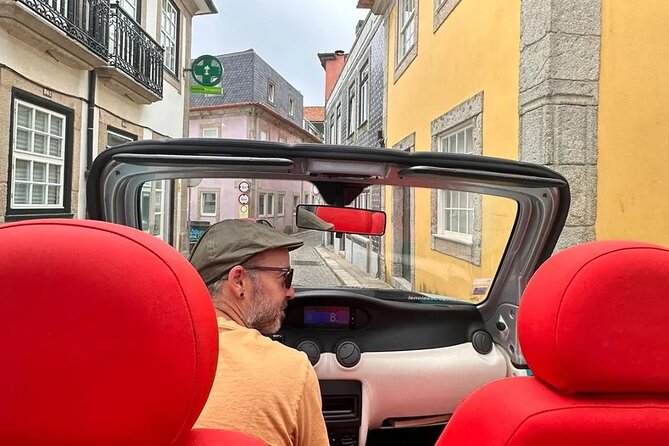
This tour also includes a pass or stop connected to Fort S. João Batista, built in the 16th century to defend the Douro bar. Today, it’s used for cultural events, which gives the site a different vibe than a “look but don’t touch” ruin.
Fort sites can be tricky on tours because you might get the quick look with no context. Here, the framing matters. You’re not just seeing stone, you’re seeing why the location mattered historically: controlling access near the river and supporting defense in a time when maritime movement was everything.
Even if you do not spend a long time inside, the fort stop connects the day’s theme. You’ve got viewpoints over the city, stories in tiles, then the river defense logic behind the architecture.
The best part beyond the listed stops: coast views and Gaia energy
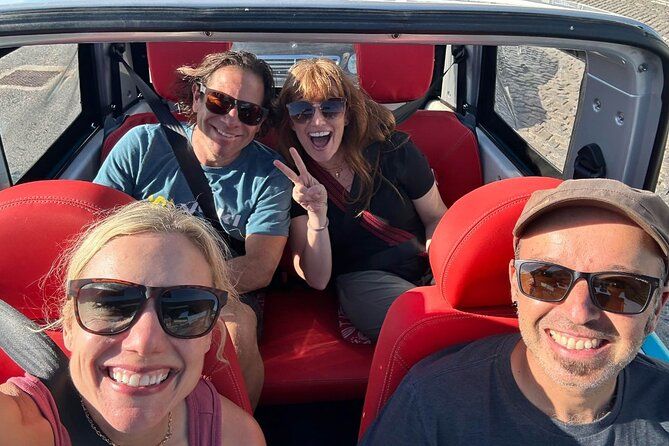
One of the big payoffs is how the route can extend beyond Porto’s center, often toward Foz and across to Vila Nova de Gaia. You’re not stuck in one neighborhood. Instead, you get a sense of Porto as a whole, including the coast where the Douro meets the Atlantic.
If you like “I didn’t know Porto went there” moments, this is your moment. Coast air changes how the city feels. The light can look different, the streets feel wider, and you get a break from the steep back-and-forth of the historic center.
Several people also mentioned extra small viewing spots, including quieter angles where you can photograph without fighting the biggest crowds. That’s exactly the kind of value you buy when you hire a guide, not a self-guided walk.
Porto tasting: what’s included and how to do it without rushing
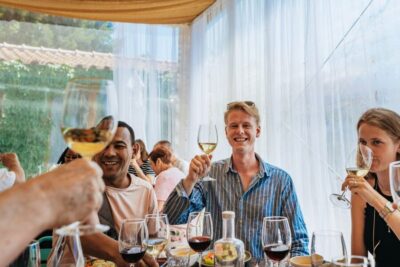
An alcoholic drink is included: a glass of Porto wine. That might sound like a small add-on, but it’s a smart one, because it gives you a taste of what Porto is about while you’re still in the city’s setting.
Some people were surprised by where the tasting fits in the day, including near the shore. I like that approach because it ties flavor to place. You’re not sipping wine in a generic room where it could be any city. You’re often pairing it with a view that makes the whole day feel connected.
Practical tip: go easy on the sip pace. It’s tempting to drink quickly and then rush back to photos. Instead, pause, look around, and enjoy it as a reset before your last sights.
Price and value: why $71.35 can make sense on a first day
At $71.35 per person, you’re paying for three things: private transportation, a guided route, and included drink service. The cost looks high if you compare it to buying a single attraction ticket. But Porto is not one ticket. It’s a city built on viewpoints, rail-station details, and hill navigation.
You also save time, and time is the currency you run out of on Day 1. With a guide, you do not have to figure out the order of neighborhoods or fight your way between distant sights. You’re using that 2 hours 30 minutes in a way that adds up.
The trade-off is that lunch is not included. So you’ll want to plan a late lunch or early dinner. The upside is flexibility, since you can match your meal plan to what you learn during the tour, including restaurant recommendations from your guide.
What you’ll do in the real world: pacing, timing, and weather
The tour is about 2 hours 30 minutes, give or take. Stops are short on purpose, which keeps the day from turning into a blur. You’ll get a mix of brief stepping-out moments and guided interior viewing.
This experience needs good weather. That doesn’t mean a storm means cancel forever. It means the operator expects you to be able to enjoy outdoor or open-air viewing parts comfortably. If weather is poor, you should expect an alternate date or a full refund.
If you know Porto rain patterns, this helps you think strategically. Bring a light layer and a small umbrella if that’s your style. Also, wear shoes you trust on slopes. Even with car stops, you’ll still walk a bit at viewpoints and stations.
Who this tour is perfect for (and who should reconsider)
I’d put this tour at the top of the list for you if:
- You want a clear first-day orientation across key areas
- You dislike long uphill walks or you’re managing limited time
- You like seeing famous sights but also want guided context and practical tips
- You want the comfort of a small eco vehicle with open-air options
It might be less ideal if:
- You plan to spend a lot of time inside attractions beyond quick stops
- You want a self-paced day with zero structure
- You’re only interested in one neighborhood, like strictly the old center
My decision guide: should you book this Porto eco-car tour?
Book it if you want a confident start. This is one of those tours that helps you understand where everything is, then gives you enough standout stops to build your own day afterward. I especially like that you get a viewpoint in Gaia territory, a tile masterpiece inside Sao Bento Station, and river-related history through Fort S. João Batista, all without burning your legs on steep routes.
Skip it only if you’re the type who hates car time and prefers to explore on your own without a plan. Otherwise, this private format makes it feel personal, and the comfort setup means you can handle Porto’s weather with less stress.
FAQ
How long is the eco-friendly Porto tour?
It lasts about 2 hours 30 minutes.
Where does the tour start?
The meeting point is R. do Infante Dom Henrique 91, 4050-297 Porto, Portugal.
Is this a private tour?
Yes. It is private, and only your group participates.
What is included in the price?
Private transportation is included, along with one alcoholic drink, a glass of Porto wine.
Is lunch included?
No, lunch is not included.
Is the tour in English?
Yes, it is offered in English.
What if the weather is bad?
The experience requires good weather. If it is canceled due to poor weather, you will be offered a different date or a full refund.
What Porto sent us most recently
- Bike or E-Bike Tour of Porto and Atlantic Coast
★ 5.0 · 39 reviews - Porto: Premium Douro Valley Small-Group Tour, Cruise & Lunch
★ 4.9 · 39 reviews - Off the Beaten Track in Porto: Private City Tour
★ 5.0 · 39 reviews - Porto: Graham’s Port Lodge Tour and Port Essentials Tasting
★ 4.9 · 39 reviews - Porto: 50-Minutes Rabelo Boat Cruise on the Douro River
★ 3.8 · 39 reviews - Port : Small-Group 6 Bridges, Douro River Sunset Cruise w/ Drink
★ 5.0 · 39 reviews - Museu das Marionetas do Porto
★ 4.5 · 39 reviews - Porto Sunset Bike Tour
★ 4.5 · 39 reviews
Things to Do in Porto, compared.
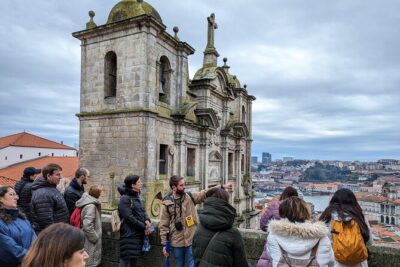
The Unvanquished Tour in Porto City Center
Read our review →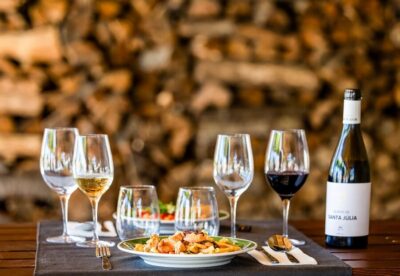
Douro Valley w/ Boat Tour, Wine Tasting & Lunch
Read our review →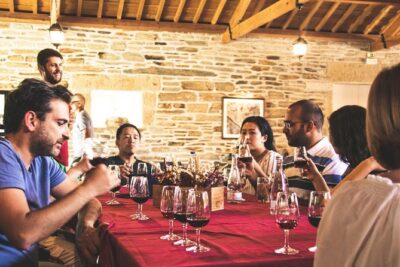
Complete Douro Valley Wine Tour with Lunch, Wine Tastings and River Cruise
Read our review →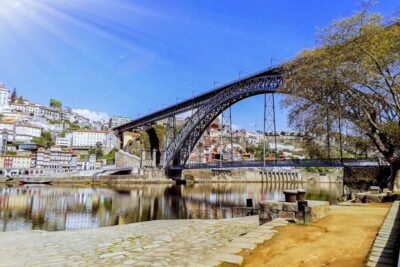
Douro Valley with Winery Lunch, Tastings & Cruise
Read our review →