
Reviewed · HISTORICAL TOURS
Jewish Sephardic history in Lisbon
Lisbon keeps a Sephardic heartbeat in plain sight. This half-day walk links Shaare Tikvah synagogue with Sephardic history around Lisbon’s old streets and key memorials.
I like two things most: you get skip-the-line entry and a guided visit inside Shaare Tikvah, and you also pass major literary and public landmarks tied to the community’s story. The one drawback to plan for is that Lisbon has few surviving visible Jewish buildings, so expect a lot of explanation while you walk.
In This Review
- Key things to know before you go
- Shaare Tikvah Synagogue, where the story starts
- Principe Real and Chiado, learning Lisbon by walking the slopes
- Bertrand bookstore and Pedro Faure, history in a normal doorway
- Praca do Comercio and the Terreiro do Paco, Portugal’s turning points
- Rossio and Praca Dom Pedro IV, the Inquisition era in public view
- Igreja de Sao Domingos and the 1506 Lisbon Massacre
- Price, time, and why the value feels fair
- The walking reality: plan for narrow streets and steps
- Dress code and the passport detail people forget
- Dress code
- Passport details for security
- Who this tour fits best
- Should you book this Lisbon Sephardic tour?
- FAQ
- Which day can I visit Shaare Tikvah Synagogue inside?
- How long is the tour?
- What is the group size and language?
- Is the tour ticket cost covered for entrances?
- What should I wear for the synagogue portion?
- What is the cancellation policy?
Key things to know before you go
- Shaare Tikvah interior access (important day restrictions), limited to Tuesdays and Thursdays
- A small group of max 8, with a guide by your side at the stops
- Entrance fees handled where they apply, so you do not stop to figure out tickets
- Storied wayfinding on foot, from Principe Real down toward Chiado and Baixa
- Memorial focus, including the April 19, 1506 Lisbon Massacre and its church epicenter
Shaare Tikvah Synagogue, where the story starts
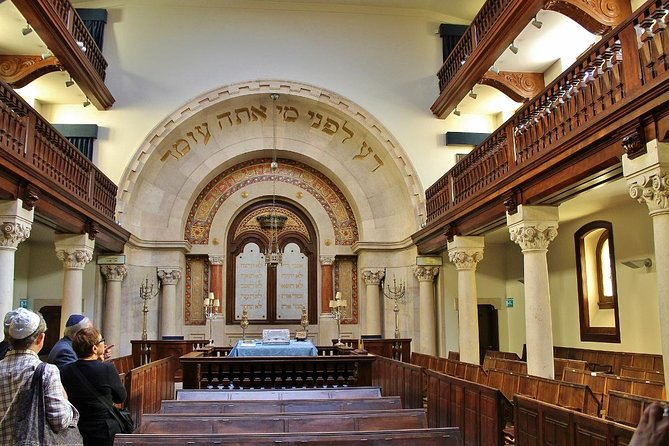
Most Lisbon walks start with views or viewpoints. This one starts with a religious space that helps you understand why Lisbon mattered to Jews for centuries, long after older communities elsewhere were forced to move.
At Sinagoga Shaare Tikvah, you begin with about 45 minutes there. The tour’s framing is clear: you are not just looking at a building, you are learning how Jewish life formed, changed, disappeared, and reappeared across the routes that brought Sephardic Jews through different lands until Portugal became part of that long journey. If you care about the human side of history, this first stop sets the tone.
Two practical points make this synagogue visit especially valuable:
- Tickets are included, and the guide helps you inside so you can focus on the story.
- You can only visit the synagogue interior on Tuesdays and Thursdays. If you book for another day, you might miss the inside access, so check your dates carefully.
In the reviews, guides are praised not just for facts, but for bringing the synagogue to life with membership context and day-to-day community history. One early introduction is credited to a synagogue team member before the walk continues, and that extra layer helps you connect the dots fast.
A few more Lisbon days, taken slowly
- Lisbon: History, Stories and Lifestyle Walking Tour★ 4.8 · 10,902 reviews
- Lisbon: Daytime or Sunset Boat Cruise with History and Wine★ 5.0 · 1,053 reviews
- Explore Lisbon by Tuk Tuk: History and Viewpoints★ 5.0 · 840 reviews
- Private Tuk Tuk Tour Through Lisbon’s Historical Streets★ 5.0 · 734 reviews
Principe Real and Chiado, learning Lisbon by walking the slopes
After the synagogue, the route turns into what Lisbon does best, walking down through neighborhoods that change character block by block.
You spend about 30 minutes in Principe Real as you move toward Chiado, using the park area and streets as a way to talk about where communities lived and what it felt like to belong in the city. This is also where the tour becomes more than “see a site.” With fewer surviving medieval Jewish structures, the guide essentially teaches you to read the city itself.
What you should know here:
- This part is about route literacy. You learn what to pay attention to when you later explore on your own.
- It is also an early warning that this is a walking itinerary. Some people finish the full tour surprised by the distance and pace, so keep your energy steady from the start.
Bertrand bookstore and Pedro Faure, history in a normal doorway
Reaching Chiado, the tour stops around Bertrand, the famous bookstore founded in 1732 by Pedro Faure. You will get about 30 minutes here, and entrance is listed as included.
Why include a bookstore in a Sephardic history tour? Because Portugal is full of stories where culture, language, and commerce overlap. A place like this helps you see how Jewish connections can show up in everyday city institutions, not just in places you would expect.
This stop is also a nice reset. After synagogue and streets, you get a structured space where you can slow down, look around, and listen.
If you love books, this is the moment you will likely appreciate most. If you do not, the landmark still works because it gives the guide an easy anchor for explaining how Portuguese cultural life developed in the long shadow of Jewish presence and the later pressures that reshaped that presence.
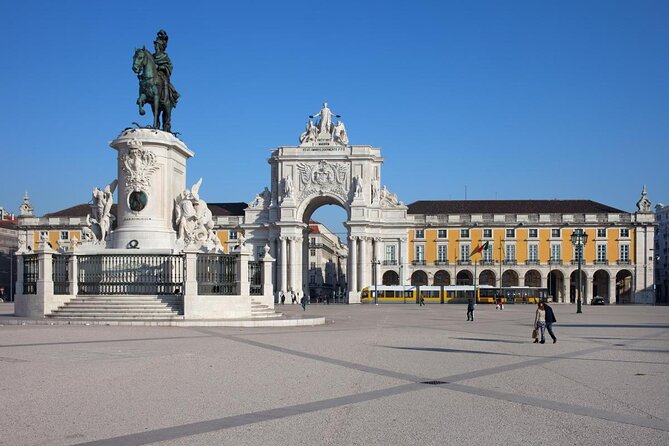
Praca do Comercio and the Terreiro do Paco, Portugal’s turning points
From Chiado, you head to the Baixa area and spend about 30 minutes at Praca do Comercio, today known commonly as Terreiro do Paco.
This is where the tour shifts from community life to national turning points. The guide explains major situations that changed Portugal’s history, tying those bigger shifts back to the lived experience of Jews and their descendants in Lisbon.
I like this stop because it prevents the walk from feeling like a side story. You see how Jewish history is connected to political and social events in Portugal, not sealed off in a separate chapter.
Praca do Comercio is also useful for orientation. After this, you will be much more confident navigating the center of Lisbon, because you have just walked from elevated neighborhoods down toward the grand square energy of the river-side district.
Rossio and Praca Dom Pedro IV, the Inquisition era in public view
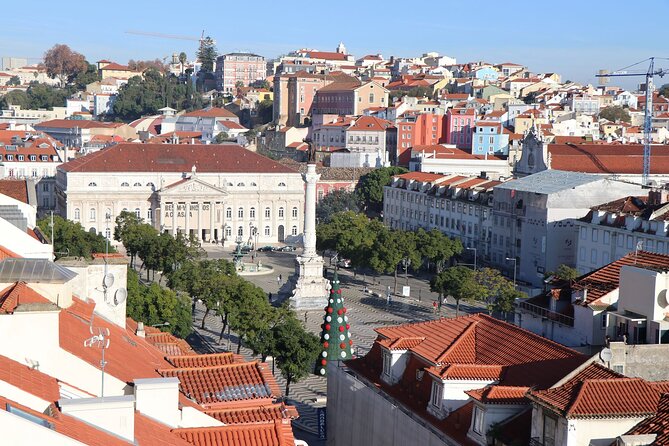
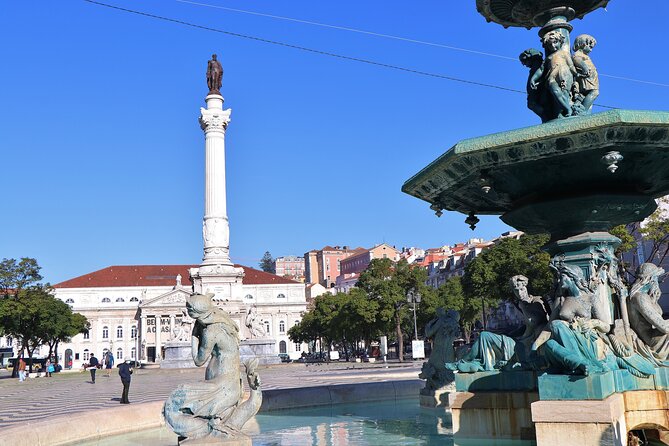
Next comes Praca Dom Pedro IV and the nearby Rossio Square area, which the itinerary connects directly to the Portuguese Inquisition history.
You spend about 1 hour around Rossio. The centerpiece is the Column of Pedro IV, nicknamed the Soldier King. At the base, you learn about the four female figures representing Justice, Wisdom, Strength, and Moderation. It is a visual history lesson, because you can actually look at the symbolism while the guide explains what it meant in the time period.
Then comes the part I think most people remember: the D. Maria II National Theatre was founded in 1842, replacing the Estaos Palace. That palace served as headquarters of the Portuguese Inquisition since the mid-fifteenth century.
Even if you do not love monuments, this stop matters because it forces a hard contrast. The Inquisition was not abstract. It shaped lives, identities, and how symbols survived or disappeared. Seeing that connection in the open makes the history easier to understand than dates on a page.
More Things to Do in Lisbon


Igreja de Sao Domingos and the 1506 Lisbon Massacre
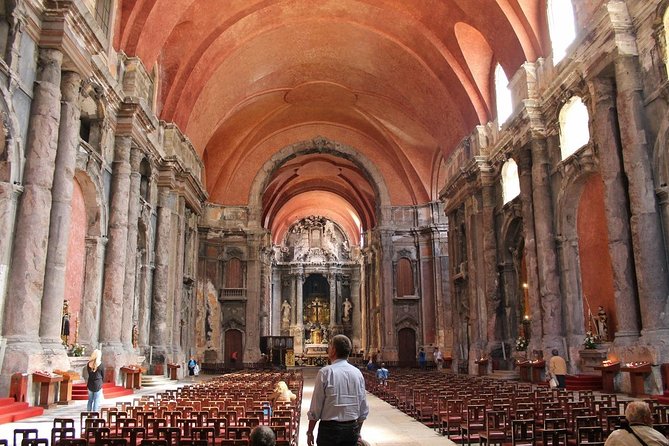
The final named stop is Igreja de Sao Domingos, and you get about 30 minutes here.
The guide passes the sightlines tied to the April 19, 1506 Lisbon Massacre, and the story is stark. That day, and in the following three days, more than 3,000 New Christians were killed in the streets. The tour points you to the church as a central epicenter of the events.
This is heavy subject matter. The tour’s value is that it does not treat it like a random tragedy. The guide explains why it happened and how it ties into the broader atmosphere created by the Inquisition era and coerced religious identity.
If you prefer lighter topics, this stop can still work because the tour balances it with earlier context. But if you are very sensitive to graphic violence, mentally prepare yourself for the emotional weight of this chapter.
Price, time, and why the value feels fair
The price is $84.10 per person for about 4 hours and a maximum of 8 travelers. That is a small-group size, and the biggest practical bonus is that you do not have to scramble to purchase separate admissions during the walk.
The tour lists:
- Sinagoga Shaare Tikvah entry inside with tickets included
- Entry handled at the Bertrand stop
- Skip ticket lines and guided access into the locations
In plain terms, you pay one price and the tour handles several “annoying moments” for you, which is worth something in Lisbon, where you can easily lose time hunting for tickets mid-walk.
Two additional value signals:
- Mobile ticket is offered.
- It is usually booked well in advance, with an average booking window of 53 days, which suggests you should not wait until the last minute if your travel dates are fixed.
The walking reality: plan for narrow streets and steps
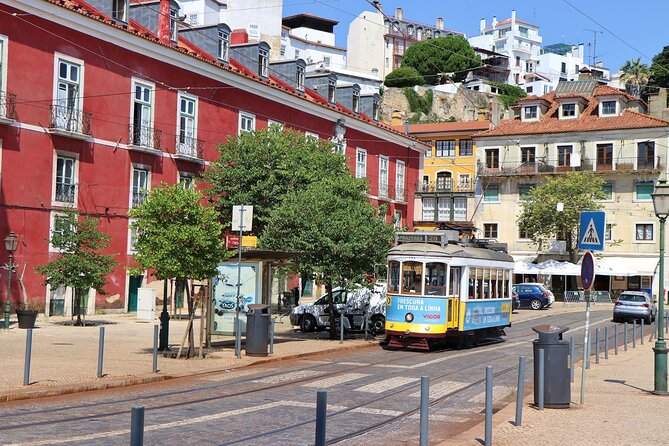
Most people expect a walking tour. What surprises some people is how physical it can feel.
The route includes neighborhood changes from Principe Real down to Chiado, then through central Lisbon toward Baixa, Rossio, and Sao Domingos. Lisbon streets include steps and narrow sections, so a moderate fitness level is listed as the requirement.
In reviews, some people specifically point out that you need to be ready to walk and keep up for more than three hours, and that weather or timing can make it feel faster. One key example: if the synagogue has scheduling constraints or events, your pace can tighten and sunset timing can push the day shorter.
My advice: wear comfortable shoes with grip and bring a light layer for wind. If you get out of breath easily, this itinerary is still doable, but you should take it slowly.
Dress code and the passport detail people forget
Two rules can catch you off guard if you assume it is just “show up and walk.”
Dress code
The tour has a clear synagogue-style dress requirement: no uncovered shoulders, and you should avoid shorts or mini-skirts. If you pack smart, you will not have any problems.
Passport details for security
You will need passport details at booking for every participant, including name, passport number, expiry date, and country. That is for security reasons connected to the synagogue and the secure handling of participants.
If you travel with a group and plan late, this can slow things down, so gather passport info right away.
Who this tour fits best
This experience is ideal if you want:
- A Sephardic and Jewish history framework that connects Portugal to Lisbon
- A guide who explains what you are seeing, since physical remnants are limited
- A route that builds navigation confidence in central Lisbon after the walk
It is less ideal if you are expecting a tour made only of intact Jewish sites. Lisbon did not preserve everything you might hope for. The 1755 earthquake, followed by fires and later pressures including the Inquisition, reshaped the city and erased or transformed a lot of what used to exist. So this tour spends time on explanation and on the meaning of locations you might otherwise pass without context.
Should you book this Lisbon Sephardic tour?
If you want one half-day experience that helps you understand Lisbon as more than postcards, I would book it. The Shaare Tikvah inside visit plus the public landmarks around Rossio and Praca do Comercio give you a strong narrative. The price also feels reasonable for a small group with guided access and included entrance fees.
Before you book, do two quick checks:
- Pick a date that includes Tuesday or Thursday if you want to see the synagogue interior.
- Plan for real walking and steps, and dress for synagogue entry.
If those two boxes work for you, this is a smart way to get past “where was the Jewish quarter” and toward “how did Jewish life actually function here, and what did it leave behind in the city.”
FAQ
Which day can I visit Shaare Tikvah Synagogue inside?
You can visit the synagogue inside only on Tuesdays and Thursdays.
How long is the tour?
The duration is about 4 hours.
What is the group size and language?
It is a small group, with a maximum of 8 travelers, and the tour is offered in English.
Is the tour ticket cost covered for entrances?
Yes. The synagogue visit includes admission, and entrances where listed (such as the bookstore stop) are included, with skip-the-line access.
What should I wear for the synagogue portion?
There is a dress code. You should avoid uncovered shoulders, shorts, and mini-skirts.
What is the cancellation policy?
You can cancel for a full refund if you cancel at least 24 hours before the experience’s start time. If you cancel less than 24 hours before, the amount paid is not refunded.
What Lisbon sent us most recently
- From Lisboa: Sintra, Cabo da Roca & Cascais Private Full Day Tour
★ 5.0 · 39 reviews - Best of Sintra and Cascais Private Full Day Tour
★ 5.0 · 39 reviews - Private Sailing tour in Lisbon – Day Time, Sunset and Night
★ 4.5 · 39 reviews - Tuk Tuk Lisboa – Sightseeing Tours
★ 4.5 · 39 reviews - Private Experience Óbidos Nazaré and Fátima or Aveiro and Óbidos
★ 5.0 · 39 reviews - Belém and Jerónimos Monastery Private Walking Tour & Ticket
★ 4.5 · 39 reviews - Lisbon Private Luxury Tour
★ 4.5 · 39 reviews - Exclusive Lisbon Progressive Dinner & Wine Tour
★ 5.0 · 40 reviews
Historical Tours, compared.
Historical Sites, Wine Experience, Lunch & Cruise
Read our review →

Daytime or Sunset Boat Cruise with History and Wine
Read our review →
Private Tour of the Historic City in a Ford T Car
Read our review →
Browse the lists this tour appears in