
Reviewed · WALKING TOURS
Lisbon: History, Stories and Lifestyle Walking Tour
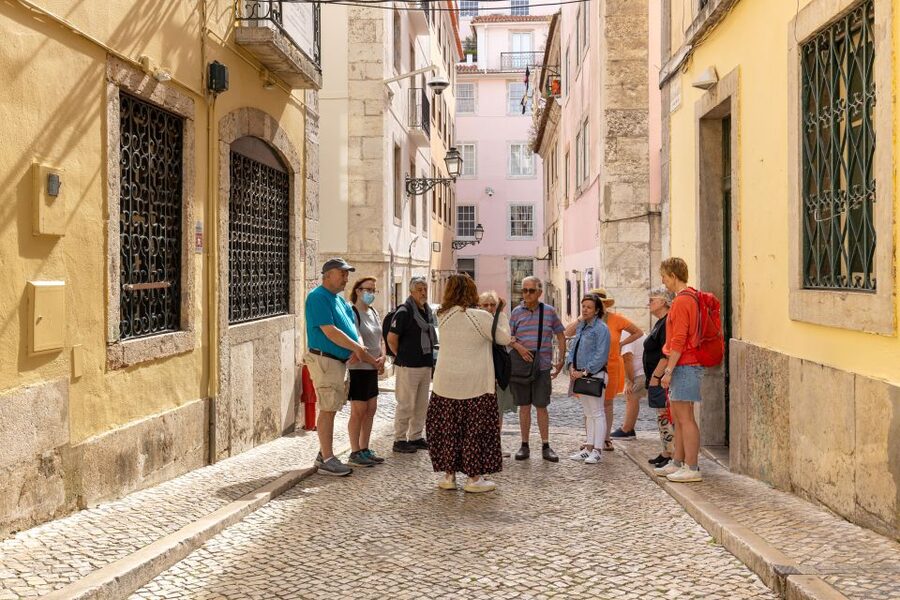
Lisbon on foot feels like a movie. This 3-hour walk threads Bairro Alto and Alfama into one clear storyline, with big viewpoints and real neighborhood texture. I like how guides such as Paulo and Ana are described as funny and story-first, not just reciting dates and street names.
Two things I’d bet you’ll enjoy right away: you get the kind of panoramic stops that make Lisbon make sense fast, and you also get a built-in break with coffee and cake. One possible drawback is that the route is hilly and includes steps, so comfortable shoes matter, even though the pace includes time to stop for photos.
In This Review
- Key points before you go
- The smart goal of this tour: history you can point at
- Bairro Alto: 16th-century beginnings and the post-earthquake shift
- Miradouro São Pedro de Alcântara: the view that teaches geography
- San Roque Church: Jesuit austerity with Mannerist and Baroque inside
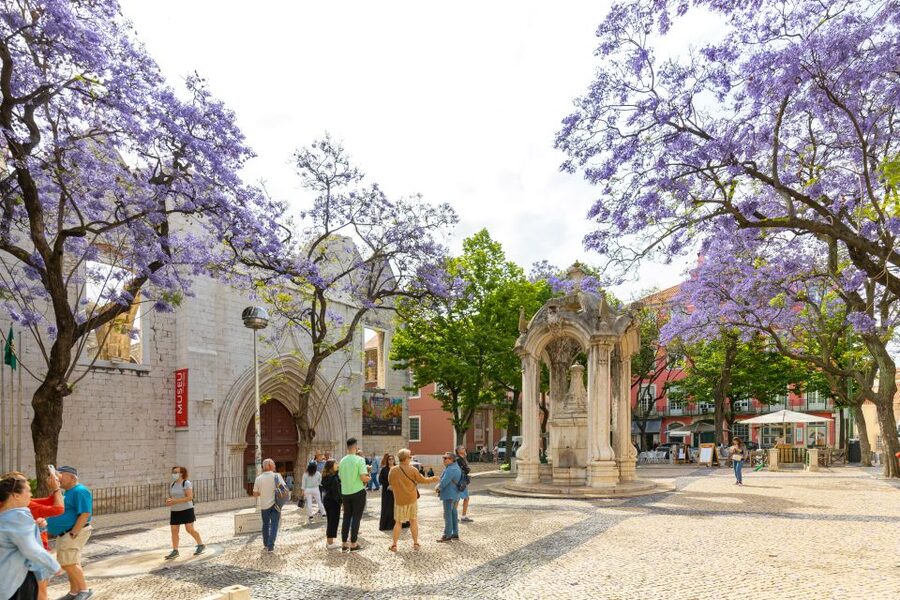
- Carmo Convent and Church: Gothic architecture tied to 1974
- Santa Justa and Baixa: the city’s rebuilt core
- Tram ride to Portas do Sol: the iconic move that changes the pace
- Portas do Sol to Alfama: monasteries, a pantheon, and the oldest streets
- Lisbon Cathedral at the finish: 1150 and a city that kept changing its mind
- Price and value: what $29 buys you in Lisbon’s most annoying part
- Who this tour suits best
- Should you book this Lisbon History, Stories and Lifestyle tour?
- FAQ
- How long is the Lisbon History, Stories and Lifestyle Walking Tour?
- Where does the tour take place?
- What is the price?
- What’s included in the tour price?
- What tram ride is included?
- Where does the tour start and end?
- Is hotel pickup included?
- What languages are available for the live guide?
- Does the itinerary include viewpoints?
- Can I cancel if my plans change?
Key points before you go
- Bairro Alto context in under 3 hours, including how the area evolved after the 1755 earthquake
- Miradouro São Pedro de Alcântara viewpoints, with views toward Baixa and the south bank of the Tagus
- Carmo convent and church, tied to the Carnation Revolution in 1974
- Santa Justa elevator area viewpoints, a Gothic Revival-style landmark on the Baixa side
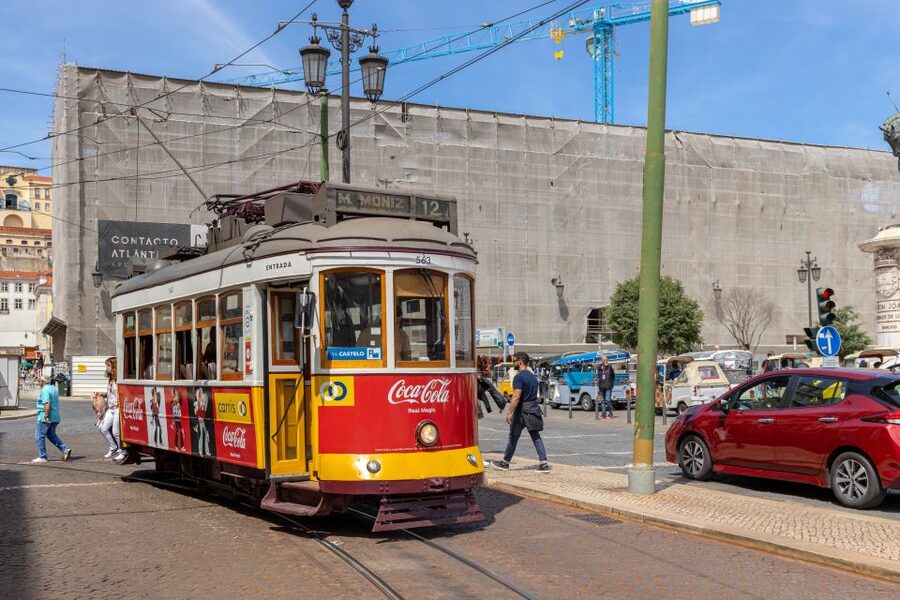
- Tram ride from the castle area up toward Portas do Sol, then into Alfama’s narrow streets
- Stops for coffee and cake, with frequent mentions of espresso and pastel de nata
The smart goal of this tour: history you can point at
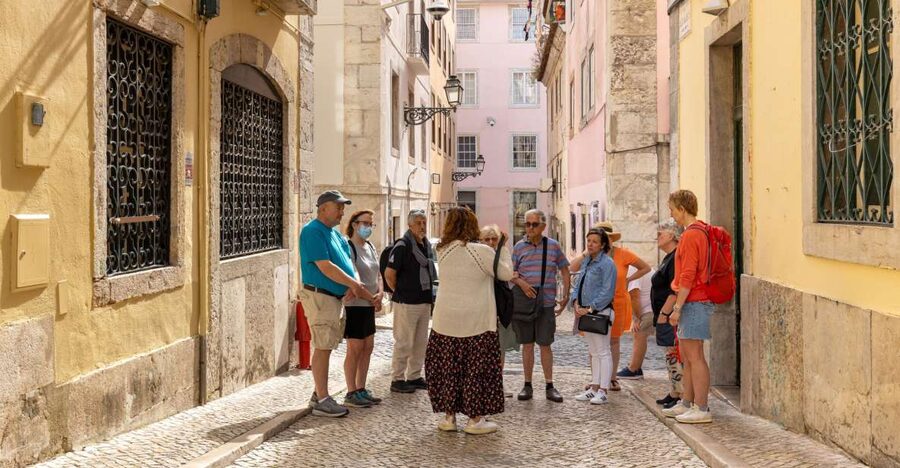
Lisbon can feel like a bunch of pretty hills unless someone gives you a map of the city in your head. This tour’s value is that it keeps moving between places that explain Lisbon’s past and present, not just photo spots. You cover multiple neighborhoods that shaped the city, so you start to understand why people built where they built, and why the view lines up the way they do.
For first-timers, that matters. When you walk out of the tour, you’re usually better at choosing what to revisit, and you stop wasting time zigzagging randomly. For repeat visitors, it still works because the route hits major turning points, like the post-1755 rebuilding story and the 1974 revolution connection.
More Walking Tours in Lisbon
- Best of Lisbon Small-Group Guided Walking Tour★ 5.0 · 4,869 reviews
- Lisbon: Food and Wine Small Group Walking Tour★ 4.9 · 4,082 reviews
- Best of Lisbon Walking Tour: Rossio, Chiado & Alfama★ 4.9 · 2,700 reviews
- Age of Discoveries Walking Tour in Belém★ 5.0 · 1,513 reviews
Bairro Alto: 16th-century beginnings and the post-earthquake shift
The tour starts in Bairro Alto, a neighborhood dating to the 16th century. This is an important pick, because it’s one of the places where you can feel Lisbon’s layering. The guide explanation helps you connect the neighborhood to what came after the 1755 earthquake, including how the area drew families from the Baixa and Bairro districts during the renewal process.
Why I think you’ll like this first step: it gives you a starting point for the city’s “why.” Lisbon’s hills can be confusing if you don’t understand what moved where after disaster and rebuilding. Starting here also sets the tone for the whole walk, because you’ll be learning while you’re climbing and descending.
Miradouro São Pedro de Alcântara: the view that teaches geography
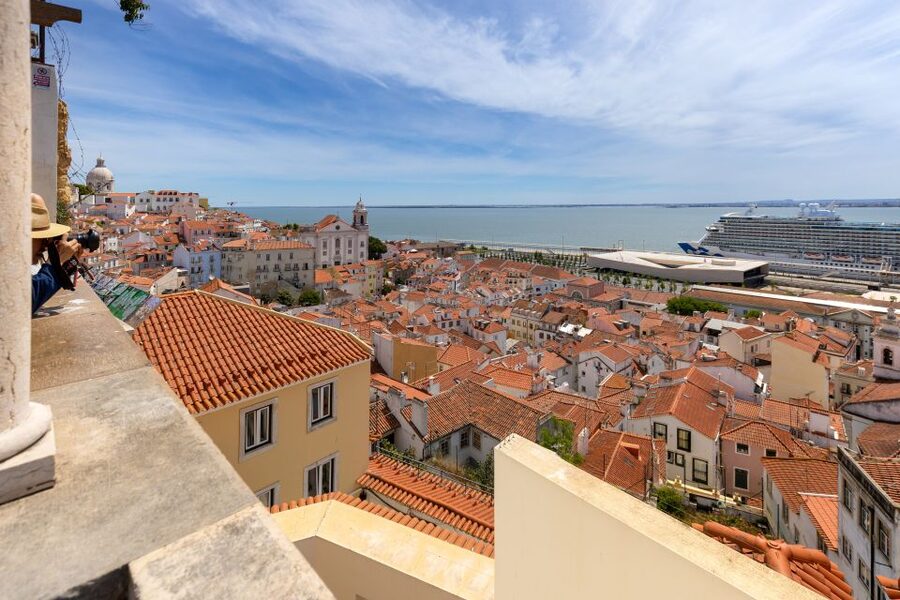
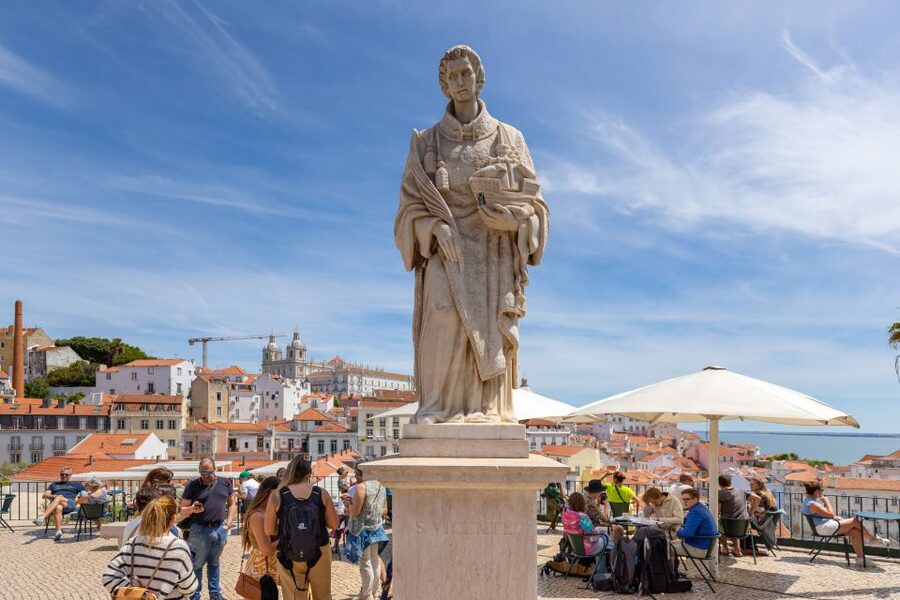
Next comes a garden stop at São Pedro de Alcântara, one of Lisbon’s well-known miradouros. You’ll get broad views toward Baixa and across the south bank of the Tagus River. On a city like this, a viewpoint is more than a pretty pause. It becomes a teaching tool, because suddenly you can “see” where the rest of the route fits.
This is where the pacing helps. Guides tend to build in time for photo angles, and you’re not forced to sprint to the next stop. You also get to mentally sort Lisbon into zones: river side, central Baixa, and the older neighborhoods up in the hills.
San Roque Church: Jesuit austerity with Mannerist and Baroque inside
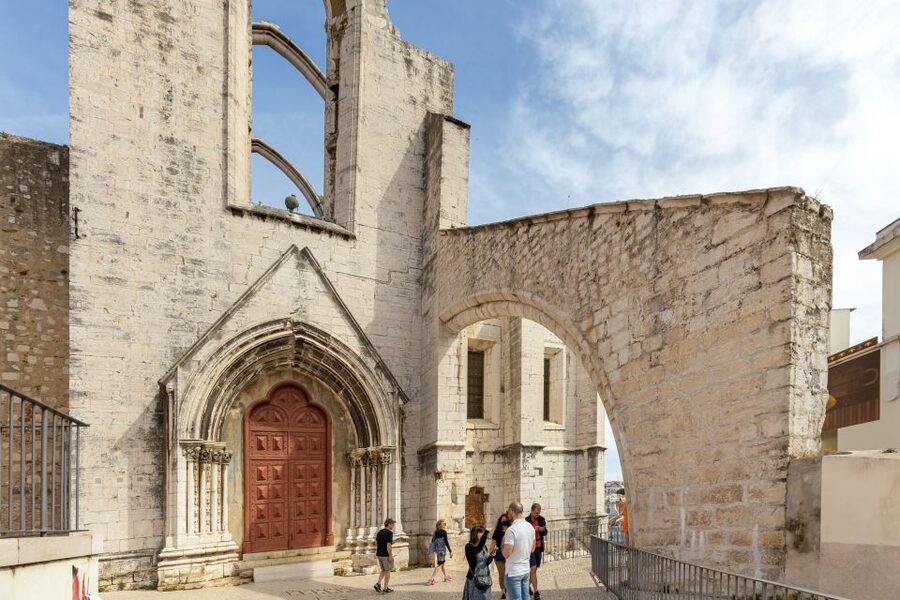
As you work your way through the hills, you’ll pass the San Roque Church, built by the Jesuits. From outside, the façade is described as austere, but the interior is the star: gilding, tiles, and paintings that bring together Mannerist and Baroque styles.
This stop is a good example of why a guided walk beats wandering alone. Without context, you might notice “pretty church.” With context, you understand why the design choices feel dramatic and why the décor leans toward visual storytelling. Even if you’re not a church person, this one can land because the contrast is so clear, outside versus inside.
Carmo Convent and Church: Gothic architecture tied to 1974

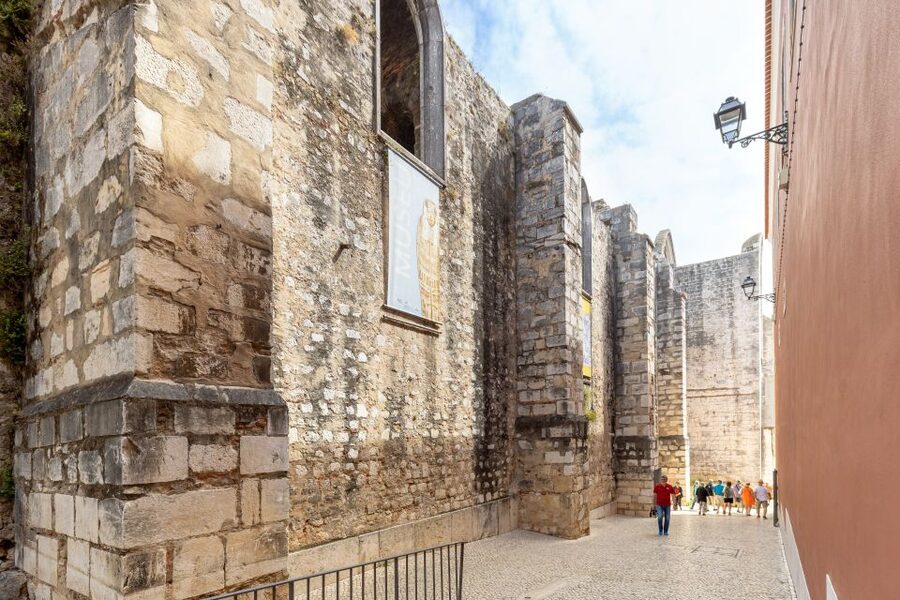
Down the hill you’ll reach the Carmo convent and church, known for Gothic architecture. What makes it unforgettable on this route is the historical tie: this is where the Carnation Revolution began in 1974, ending nearly five decades of dictatorship.
That’s a heavy topic, and the tour’s strength is that it places it in a real physical setting. You’re not learning revolution history in the abstract. You’re standing in a place with architecture and atmosphere, so the story feels more grounded. If you’ve got any interest in modern Portuguese history, this is one of the key emotional anchors of the whole tour.
More Portugal at a stroll:



Santa Justa and Baixa: the city’s rebuilt core
You’ll then arrive near Santa Justa elevator, an imposing monument built in a Gothic Revival style. Even if you do not ride it, the viewpoint aspect is the payoff. It gives you one of Lisbon’s best “from up here, I get it” moments, especially looking across the central areas.
From there, you move through Baixa, the heart of the city. This part of the tour helps connect the dots after the earthquake story you heard earlier. Baixa is about organization and rebuilding, and Lisbon’s grand geometry shows up when you’re looking at the streets from the right angles and hearing how the city reshaped itself.
Tram ride to Portas do Sol: the iconic move that changes the pace
After a short break, you hop on an iconic Lisbon tram. The route goes up from the castle area to Portas do Sol, and that shift matters. Walking uphill can be great, but it can also blur your sense of time. The tram creates a “reset,” and you get moving views without the same physical effort.
When you arrive at Portas do Sol, you’ll see major landmarks and the transition toward Alfama. This is also one of those moments where Lisbon feels like Lisbon, because the river views, the steep streets, and the layers of buildings all show up at once.
And yes, the tour includes the kind of practical flexibility that makes a difference. Some guides have had to adapt when weather shows up hard or when a tram issue interrupts the original plan. That’s not something you can control, but it’s reassuring when the tour has a reputation for staying on track with calm adjustments.
Portas do Sol to Alfama: monasteries, a pantheon, and the oldest streets
From Portas do Sol, you’ll visit or see the Monastery of São Vicente de Fora and the National Pantheon. Then the walk continues into Alfama, Lisbon’s oldest and most traditional neighborhood.
Alfama is a web of narrow streets that climbs toward the river. In the tour context, it makes sense why fado lives here, and why local religious festivals, especially saint festivals like St. Anthony, are such a big deal. These aren’t random cultural notes. They explain the daily rhythm of a neighborhood where tradition is part of the street design.
If you’re trying to understand fado culture, Alfama is a logical place to learn, because the area’s layout keeps performances tied to community spaces. You’ll also start seeing why people come back to Alfama again and again after the initial orientation.
Lisbon Cathedral at the finish: 1150 and a city that kept changing its mind
The tour ends at Lisbon Cathedral, built in 1150, just three years after the city was taken back from the Moors. Over time, the cathedral has gone through architectural changes, so it becomes a mix of styles, not one single snapshot in time.
This finish is satisfying because it ties to the idea of Lisbon as a living city. You began in a neighborhood shaped by 16th-century growth and the aftermath of the 1755 earthquake. You end with a cathedral that reflects centuries of changing power and taste.
It’s also a practical landing spot. If you want to keep exploring afterward, the cathedral area can be a natural hub for your next move.
Price and value: what $29 buys you in Lisbon’s most annoying part
At about $29 per person for a 3-hour experience, the value is that you’re buying three things at once: a guided walking route, a tram ride, and included refreshments. Coffee and cake are included, and guides tend to steer that stop toward Lisbon’s comfort-food rhythm, often tied to espresso and pastel de nata style breaks.
You’re also paying for someone to connect dots that would take you much longer to piece together on your own. In Lisbon, the “cost” of sightseeing is often time, plus the effort of getting from hill to hill. This tour compresses multiple key neighborhood lessons into one route, with pacing and frequent stops built in.
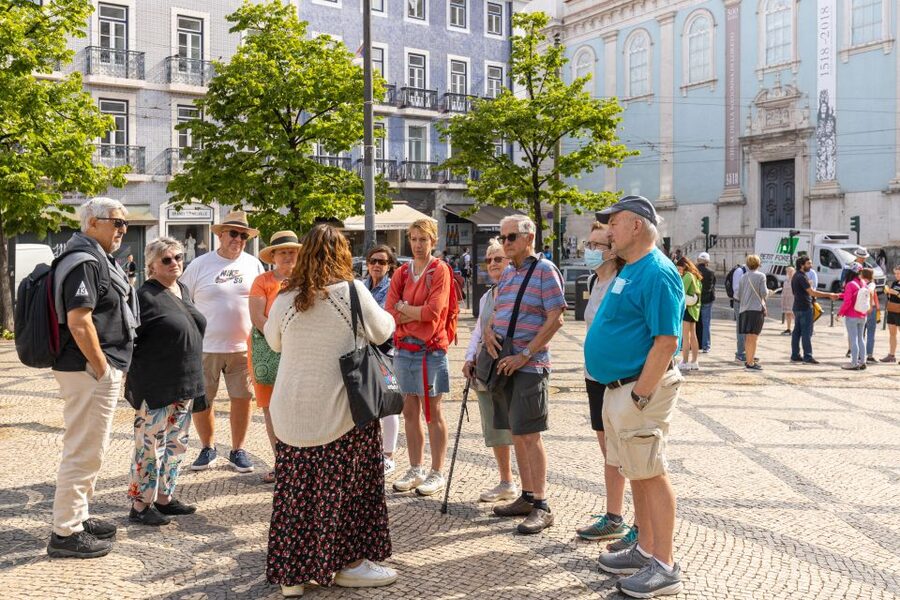
One more value point from real-world experience: small group formats are available, and some departures have been tiny, like groups around 3 people, while others have been closer to 8. Smaller groups generally mean you get more room for questions, and the guide can slow down when needed.
Who this tour suits best
This tour is a great fit if you want a fast orientation with meaningful stops. It’s especially strong for:
- First-time visitors who want neighborhoods explained in plain language
- History-minded travelers who like modern events tied to real places, like the 1974 Carnation Revolution start point
- People who want a structured route that still leaves space for photos
It can also work if you are not chasing a workout. One review specifically called out that it’s accessible with lots of stopping and photo opportunities. Still, plan on walking and steps because the neighborhoods are on hills.
If you already know Lisbon deeply and want only offbeat detours, you might find this tour too “big highlights.” But if your priority is a clean, confident first pass through major sights, this one is built for that job.
Should you book this Lisbon History, Stories and Lifestyle tour?
I’d book it if you want Lisbon explained while you’re seeing it, not after you’ve already missed the connections. The mix of Bairro Alto, viewpoints like Miradouro São Pedro de Alcântara, churches with strong visual identities, the Carnation Revolution link at the Carmo, and the Alfama approach via tram creates a route that teaches as it entertains.
Hold off if your ideal day is minimal walking and you hate hills. Also, if you only want one neighborhood and zero history, you might feel it’s more than you asked for.
If you do book, do one practical thing: wear shoes you trust on uneven stone and steep steps. Then bring curiosity. Lisbon rewards that combo.
FAQ
How long is the Lisbon History, Stories and Lifestyle Walking Tour?
It lasts 3 hours.
Where does the tour take place?
It’s in Lisbon, within the Lisbon District, Portugal.
What is the price?
The price is $29 per person.
What’s included in the tour price?
You get a live guide, a walking tour, a tram trip, coffee, and cake.
What tram ride is included?
A tram ride is included in the experience as part of the route, including travel up from the castle area to Portas do Sol.
Where does the tour start and end?
The meeting point can vary depending on the option booked, and the tour ends at Lisbon Cathedral.
Is hotel pickup included?
No, hotel pickup and drop-off are not included.
What languages are available for the live guide?
The tour offers Portuguese, Spanish, Italian, German, French, and English.
Does the itinerary include viewpoints?
Yes. You’ll visit viewpoints including Miradouro São Pedro de Alcântara and see Santa Justa elevator for one of the best viewpoints in the city.
Can I cancel if my plans change?
You can cancel up to 24 hours in advance for a full refund, and there is also a reserve now and pay later option.
More Historical Tours in Lisbon
- Lisbon: Daytime or Sunset Boat Cruise with History and Wine
★ 5.0 · 1,053 reviews - Explore Lisbon by Tuk Tuk: History and Viewpoints
★ 5.0 · 840 reviews - Private Tuk Tuk Tour Through Lisbon’s Historical Streets
★ 5.0 · 734 reviews
What Lisbon sent us most recently
- 3 Hour Lisbon Private Guided Tour via Tuk Tuk
★ 5.0 · 116 reviews - Lisbon: Private Boat Trip, Guided Walking Tour, Bike & Tram
★ 4.8 · 116 reviews - Lisbon Market and Food Tour with Cooking Class and Lunch
★ 5.0 · 117 reviews - Lisbon: Tagus Estuary Nature Reserve Birdwatching Boat Tour
★ 4.9 · 117 reviews - From Lisbon: Sintra and Cascais Private Day Tour
★ 4.8 · 117 reviews - Lisbon: Private Half-Day Tour with Hotel Pickup
★ 4.8 · 117 reviews - Sintra Private Tour from Lisbon
★ 5.0 · 118 reviews - Pastel de Nata Cooking Class in Lisbon
★ 5.0 · 118 reviews
Walking Tours, compared.

Best of Lisbon Small-Group Guided Walking Tour
Read our review →

Porto Walking Tour, Lello Bookshop, River Cruise and Cable Car
Read our review →

Best of Lisbon Walking Tour: Rossio, Chiado & Alfama
Read our review →
Experience Porto’s Charm: 3-Hour Guided Walking Tour
Read our review →
Enjoy a Guided Levada Walk in the Rabaçal Valley
Read our review →
Browse the lists this tour appears in