
Reviewed · WALKING TOURS
Experience Porto’s Charm: 3-Hour Guided Walking Tour
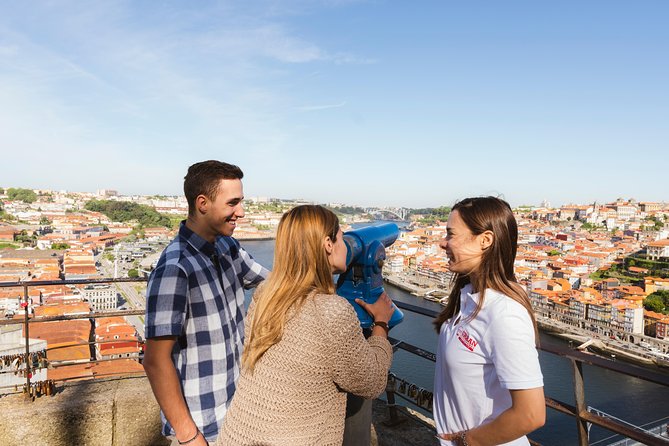
Porto makes sense fast. This 3-hour guided walk strings together UNESCO Porto sights with the big payoff views from Dom Luis I.
I especially like how the tour hits classic landmarks without turning into a museum marathon.
My favorite part is the human one: you walk with a local Storyteller, and guides such as João, Diogo, and Maria are known for clear, story-driven explanations. You also get a tight, practical route that helps you orient for the rest of your trip.
One thing to plan for: there is rain and there is walking. If hills are tough for you, bring comfortable shoes and check the weather before you go.
In This Review
- Key highlights you’ll feel right away
- Starting Point in Central Porto, and How the Tour Sets the Scene
- UNESCO Historic Center: Roman Roots, Moorish Tiles, and a City That Keeps Rewriting Itself
- Porto Cathedral and the Art of Looking Closely
- São Bento Railway Station Tiles: The Quick Stop That Teaches You a Porto Visual Language
- Cafe Majestic Area Break: A Taste Test for Porto’s Classic Coffee Culture
- Mercado do Bolhão: Neoclassical Market Energy With Local Everyday Focus
- Clerigos Tower: Baroque Drama and a Signature Porto Silhouette
- Lello & Irmão Bookstore: When Porto’s Streets Spark Pop Culture
- Aliados Avenue, Liberdade Square, and King Peter IV: The City’s Power Stories in Stone
- Ponte Dom Luis I Over the Duoro: The Eiffel Touch and a Photo That Actually Explains Porto
- Gaia Cellars and Cais de Gaia: Port Wine, Fortified Wine, and Why the River Matters
- Ribeira Square Finish: Where the Walk Ends, and Your Evening Can Start
- Price and Logistics: Does $35.07 Actually Deliver Value?
- When This Porto Walking Tour Is the Right Fit
- The One Decision Point Before You Book
- Should You Book Porto’s Charm 3-Hour Guided Walking Tour?
- FAQ
- How long is the Porto walking tour?
- How much does the tour cost?
- Is the tour in English?
- Are entrance fees included?
- Where do I meet, and where does the tour end?
- Does the tour run in the rain?
- Can I cancel and get a full refund?
Key highlights you’ll feel right away
- UNESCO historic center framing: Roman outpost to later Moorish and Castilian influence, then the 19th century shifts.
- São Bento azulejo stop: famous tile panels at the station, plus a quick orientation on why it matters.
- Photo-ready Porto Cathedral and Clerigos Tower: major architecture moments built into the flow.
- Gaia and the Duoro storyline: rabelo boat history, then what fortified port is and how cellars fit in.
- Small-group vibe (max 15): more questions, less waiting, and easier pacing on cobblestones.
Starting Point in Central Porto, and How the Tour Sets the Scene
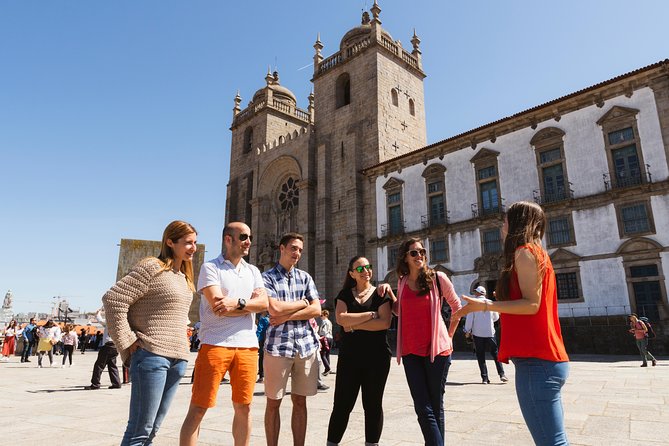
You meet in central Porto at R. de Alexandre Herculano 251, then get a quick briefing before the walk begins. The format is simple: live guide, a steady route, and enough stops to connect the dots between neighborhoods.
What I like about this setup is that you are not just collecting sights. You are learning a timeline, so the city looks different the moment you step outside. Porto’s story is not one chapter, it’s a stack of layers, and the guide’s job is to point out what survived.
Also, the tour runs in English, and you get a mobile ticket, which is handy if you are juggling multiple things on your phone. The group cap is 15 travelers, so you can actually hear answers when you ask.
More Walking Tours in Porto
- Porto Walking Tour, Lello Bookshop, River Cruise and Cable Car★ 5.0 · 3,354 reviews
- Porto: 3-Hour Guided City Highlights Walking Tour★ 4.8 · 2,050 reviews
- Porto: Wine Tasting with Tapas Walking Tour★ 4.4 · 1,541 reviews
- Porto: Historic City Center Walking Tour★ 4.7 · 1,172 reviews
UNESCO Historic Center: Roman Roots, Moorish Tiles, and a City That Keeps Rewriting Itself
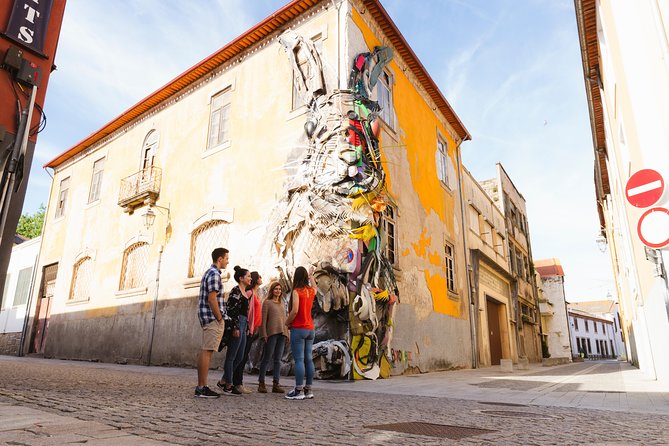
Early on, you enter the UNESCO World Heritage-listed historic center and start tracing Porto’s origins. The guide typically starts with the Roman roots, then moves through Moorish rule and later invasions tied to the region’s bigger struggles.
This matters because Porto’s architecture is not random beauty. It’s evidence. When you learn that older walls and cathedral foundations sit under later changes, you stop seeing buildings as standalone monuments. You start seeing them as edits made across centuries.
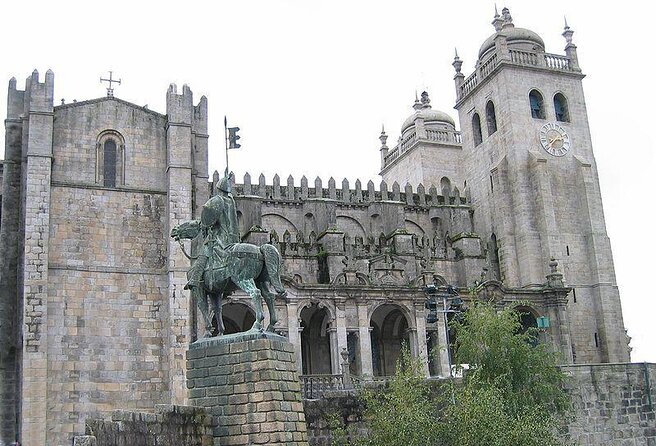
A key stop here is the Porto Cathedral area. You’ll be able to spot the cathedral as one of the oldest monuments in Portugal, and the guide’s explanations help you understand why this area became a center of power and identity. You’ll also see old Romanesque-style walls along the route, the kind of details that you would otherwise walk right past.
Porto Cathedral and the Art of Looking Closely
At the Porto Cathedral, you’re not trying to sprint through. The pacing gives you time to look up, notice materials, and take photos without feeling rushed.
The best “value” of a guided stop at a place like this is context. Without it, a cathedral is a cathedral. With it, the cathedral becomes a clue to how Porto’s religious and political life shaped the city.
If you like architecture, this is one of the moments where the guide’s descriptions turn into something you can actually see. Think carvings, wall types, and the way the building fits into the surrounding streets.
São Bento Railway Station Tiles: The Quick Stop That Teaches You a Porto Visual Language
Next up is São Bento Railway Station. You are likely to spend about ten minutes here, but it’s one of the most efficient stops you can make in Porto because of the famous azulejo tile panels inside.
You’ll also get useful context on the building itself. It connects the Minho and Douro Valley railway lines, and the station was designed by Portuguese architect José Marques da Silva, inaugurated October 5, 1916. There are also noted French architecture traces, which helps explain the station’s distinct feel compared with older medieval streets.
Here’s how to get more out of a short station stop: slow down at the tiles. Look for repeated themes, and let the guide’s explanations give you a way to “read” the scenes. Even if you do not go deep into everything at the station, you’ll leave with a mental reference point you’ll notice later.
Cafe Majestic Area Break: A Taste Test for Porto’s Classic Coffee Culture
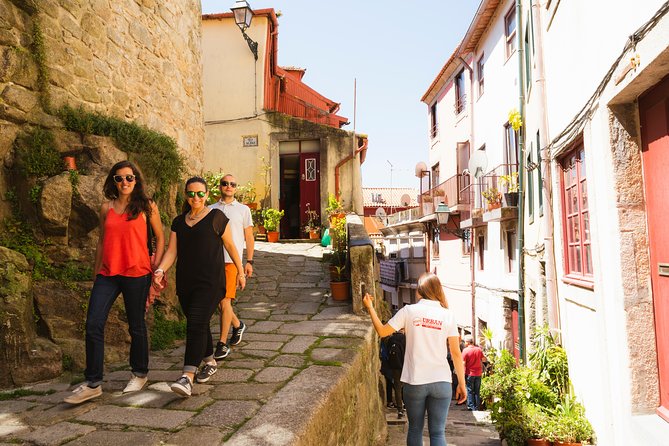
You’ll pass by Cafe Majestic as part of the route, with time built in for a coffee break nearby. Cafe Majestic is known for its Belle Epoque-inspired vibe, with carved wood, mirrors, and chandeliers, and it was considered one of the most beautiful coffee shops in the world in 2011.
You are not required to shell out big money at the famous name. A practical tip from the way some tours handle the break: you can often grab a café con leite and a pastry like pastéis de Belém for far less just a short distance away. One example shared by a past group put a nearby option around €3.8 versus Majestic around €12.5.
So treat this stop as a reset, not a performance. Use it to refill water, check the weather, and ask your guide what neighborhoods and viewpoints are best depending on what time you’ll have later.
More Portugal at a stroll:



Mercado do Bolhão: Neoclassical Market Energy With Local Everyday Focus
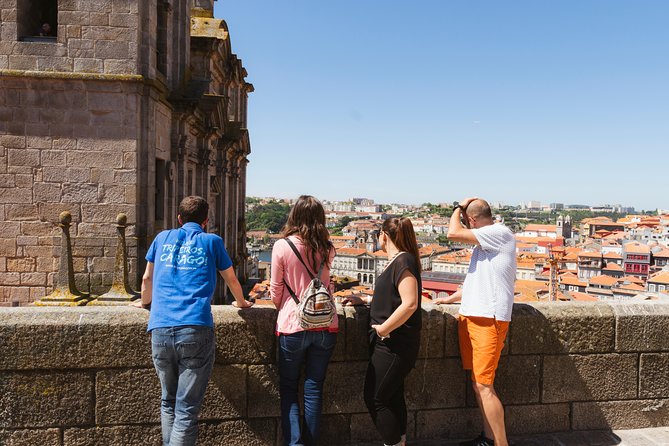
Then you reach Mercado do Bolhão. This is one of Porto’s emblematic markets, housed in a neoclassical building.
What makes it worthwhile on a short walking tour is how it grounds the trip in daily life. The market is organized by product areas, including fish, meat, vegetables, fruits, and flowers. Even if you do not plan to shop, walking through the space gives you a feel for how Porto eats and buys.
If you are the type who enjoys people-watching, this is a good stop. You’ll get a sense of what’s local and fresh right now, not just what’s famous for tourists.
Clerigos Tower: Baroque Drama and a Signature Porto Silhouette
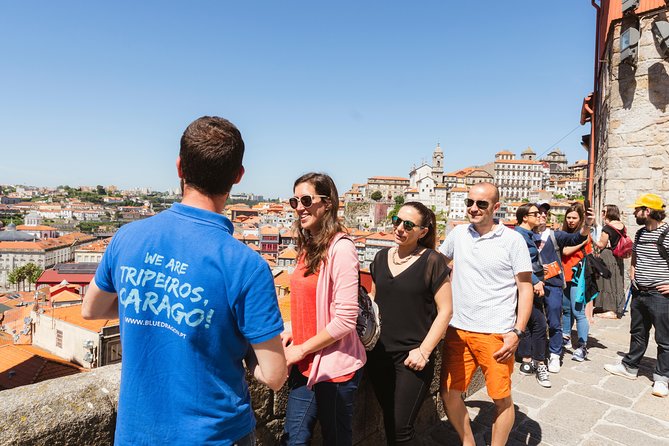
Torre dos Clerigos is next. The church and tower are major examples of 18th century architecture, and the tower is often described as the city’s trademark.
You’ll learn that the buildings are Baroque in style and that the architect Nicolau Nasoni designed them. They’ve been part of Portugal’s National Monuments since 1910, which is a big reason Porto keeps the area protected and cared for.
Even if you do not go inside, you can still use the stop for what matters: the angle, the scale, and how the tower acts like a visual anchor in the city. If you take photos here, try different viewpoints instead of just one straight-on shot. The tower looks different depending on the street line.
Lello & Irmão Bookstore: When Porto’s Streets Spark Pop Culture
You’ll also pass by Lello & Irmão Bookstore. It’s been described as one of the most beautiful bookstores in the world, and the stairways have been tied to the inspiration behind the Hogwarts staircases in the Harry Potter books.
There’s also a Porto connection that fans love: J.K. Rowling lived in Porto. On a walking tour, this kind of stop does one smart thing. It gives you an extra thread to follow later, especially if you plan to explore further on your own.
One caution: a pretty facade is not the same as a quick inside visit. If you want to go in, expect that you might need separate planning and budget, since entrance fees are not included.
Aliados Avenue, Liberdade Square, and King Peter IV: The City’s Power Stories in Stone
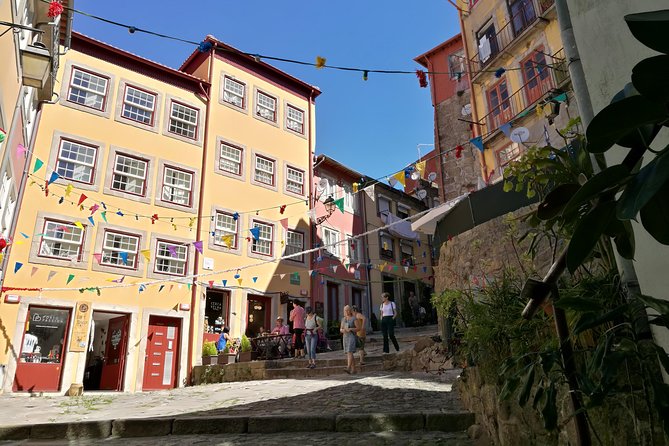
After the historic center core, you move into broader avenues and squares. You’ll walk along Aliados Avenue and reach Liberdade Square, where you can hear locals and feel the city’s rhythm change from old lanes to wider streets.
A major highlight here is the monument to King Peter IV of Portugal. The guide explains why it exists, including the fact that he was known as The Liberator and that he was the first ruler of Brazil.
This stop is useful even if you’re not a “statues person.” It gives you a concrete name to anchor all the earlier history you heard. Porto’s identity is tied to political power, migration, and empire in ways that show up in how the city commemorates leaders.
Ponte Dom Luis I Over the Duoro: The Eiffel Touch and a Photo That Actually Explains Porto
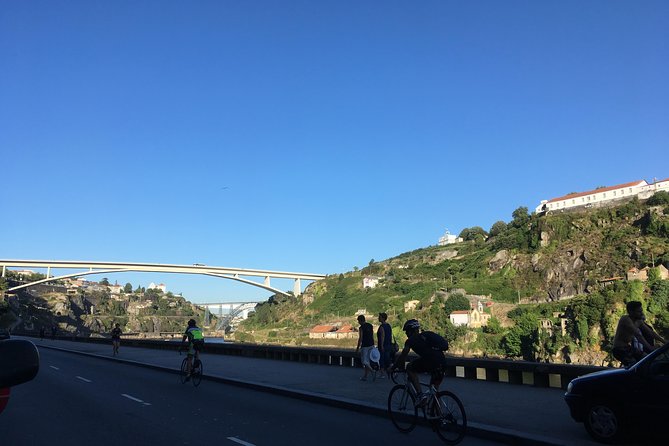
Then comes the big view payoff: Ponte Dom Luis I. The bridge is a double-decker structure built between 1881 and 1888, linking Porto and Gaia. It’s described as having an Eiffel touch, designed by Gustave Eiffel’s protege.
You get time to pause and take in the Duoro River, and the guide ties the bridge to what came before it. This is where the walk stops being “just city sightseeing” and becomes Porto as a river port.
A helpful detail you’ll hear: traditional wooden rabelo boats once transported grapes to the cellars. When you look at the water after hearing that, you understand how the river shaped the economy.
If you’re photographing, aim for a spot where you can capture both the river and the bridge structure. The story the guide shares helps you frame the shot, not just point and shoot.
Gaia Cellars and Cais de Gaia: Port Wine, Fortified Wine, and Why the River Matters
After the bridge, you promenade along Cais de Gaia. This area is lined with cellars, and the tour explains how port wine fits into Porto’s economy and identity.
You’ll learn what port is, especially the fortified-wine concept, and how the cellar tradition developed around river transport. Even if you are not doing a formal tasting during this walking tour, the guide’s explanation makes it easier to choose which cellar experience to book later.
Here’s the practical value: if you plan to spend time in Gaia after the tour, you’ll know what to ask. You can look at the cellars and understand what you’re actually seeing, not just admire storefront signage.
Also, markets and shop areas appear along the way. The goal is not shopping, it’s context. You’re learning where trade happens and why those streets exist where they do.
Ribeira Square Finish: Where the Walk Ends, and Your Evening Can Start
You finish around Ribeira Square. Ribeira is one of Porto’s oldest areas, and it’s part of the UNESCO listing because it’s tied to the riverfront historic zone.
This is a smart ending because it puts you in the exact place you’ll likely want to eat and wander later. Once the tour ends, you’ll have the “why” behind the riverfront, plus a short list of what to explore next.
If you want maximum value, use the final moments to ask your guide how long to stay in Ribeira versus when to head up to higher viewpoints. Porto can be a lot of stairs, so having someone steer you toward an efficient route matters.
Price and Logistics: Does $35.07 Actually Deliver Value?
At $35.07 per person for about three hours, this tour is priced like a good orientation plus major sights package. You’re paying for live commentary, guided pacing, and someone local connecting monuments to history.
The biggest value for the money is how many “big-name Porto” stops you get without paying for every ticket on the spot. Entrance fees are not included, so you’re not paying full price for museum entries you might not even want. Instead, you get exterior and stop-based learning at multiple landmarks, plus a bridge and riverfront storyline.
The tour also caps at 15 travelers, which usually means you get more listening time and fewer delays. If you’ve ever done a large-group city walk, you know what a difference that makes.
And because it operates in the rain, it’s built for real Porto weather. That doesn’t mean you’ll be drenched the whole time, but you should plan for it by bringing a rain layer. Comfortable shoes still matter most, since the route involves some ups and downs.
When This Porto Walking Tour Is the Right Fit
This is a great choice if you want a first-day plan that helps you navigate Porto fast. The route is designed to show you the historic center, key architecture stops, and the Dom Luis I bridge plus Gaia riverfront.
It’s also a good fit if you like story-based city understanding. Guides with names like João, Diogo, Maria, Ana, Ramon, and Igor are often praised for mixing history with clear explanations and practical tips.
If you’re traveling with limited time or you want to skip guessing where to start, this tour is an efficient way to build a mental map. You can then pick which places deserve a longer visit on your own.
The One Decision Point Before You Book
Before you book, ask yourself one question: do you want history plus orientation, or do you want deep entry ticket time?
This experience leans toward orientation. You’ll see and learn at many places, including Porto Cathedral, Clerigos Tower, São Bento station, and the Dom Luis I bridge. But entrance fees are not included, so if your goal is to go inside every major monument, you will need extra planning beyond this walk.
Should You Book Porto’s Charm 3-Hour Guided Walking Tour?
Book it if you want a strong first pass at Porto with local storytelling, major UNESCO center stops, and the Duoro view from Ponte Dom Luis I within a single morning or afternoon block. The price feels fair for what you get, especially with a small group cap and frequent guidance moments.
Skip it or pair it carefully if you hate hills, plan to move slowly, or expect a tour with lots of paid interior time. Also, if rain really disrupts you, bring gear and keep your mindset flexible since this tour runs in wet weather.
If you book, I’d do one thing right away: wear shoes you trust and decide your top two interests before the walk begins. With that in place, this tour becomes more than sightseeing, it becomes a shortcut to knowing where to spend your next hours in Porto.
FAQ
How long is the Porto walking tour?
The tour is about 3 hours.
How much does the tour cost?
The price is $35.07 per person.
Is the tour in English?
Yes, it is offered in English.
Are entrance fees included?
No. Entrance fees are not included.
Where do I meet, and where does the tour end?
You meet at R. de Alexandre Herculano 251, 4000-053 Porto, Portugal. The tour finishes in Ribeira Square area.
Does the tour run in the rain?
Yes, it operates in the rain, so you should check the weather and dress accordingly.
Can I cancel and get a full refund?
Yes. You can cancel up to 24 hours in advance for a full refund. If you cancel less than 24 hours before the start time, the amount paid is not refunded.
What Porto sent us most recently
- Douro Tour with Wine Tasting, River Cruise and Visit to Lamego
★ 5.0 · 118 reviews - From Porto: Full-Day Douro Historical Tour
★ 4.6 · 120 reviews - Porto: Sunset Cruise on the Douro River & Iconic Bridges
★ 4.1 · 122 reviews - 4-hour Guided Porto Pub Crawl with 6 drinks and VIP CLUBentry
★ 4.5 · 124 reviews - From Porto with view to Gaia: Private Bike Tour #DuckSideOfPorto
★ 5.0 · 124 reviews - Douro Valley Half-Day Tour with Winery and Lunch From Porto
★ 5.0 · 125 reviews - Porto Food Half-Day Tour
★ 5.0 · 124 reviews - MagicTrain Tour and Port Wine Cellar Visit & Tasting
★ 3.0 · 125 reviews
Walking Tours, compared.
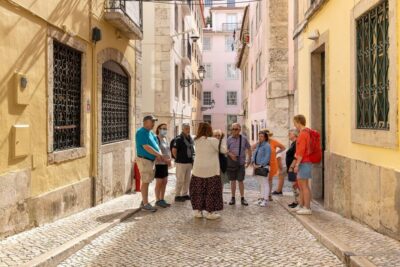

Best of Lisbon Small-Group Guided Walking Tour
Read our review →
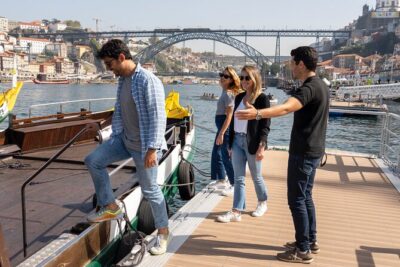
Porto Walking Tour, Lello Bookshop, River Cruise and Cable Car
Read our review →
Best of Lisbon Walking Tour: Rossio, Chiado & Alfama
Read our review →
Enjoy a Guided Levada Walk in the Rabaçal Valley
Read our review →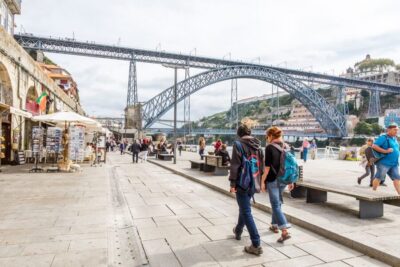
Browse the lists this tour appears in