
Reviewed · COOKING CLASSES
Lisbon: 2-Hour Pastel de Nata Cooking Class
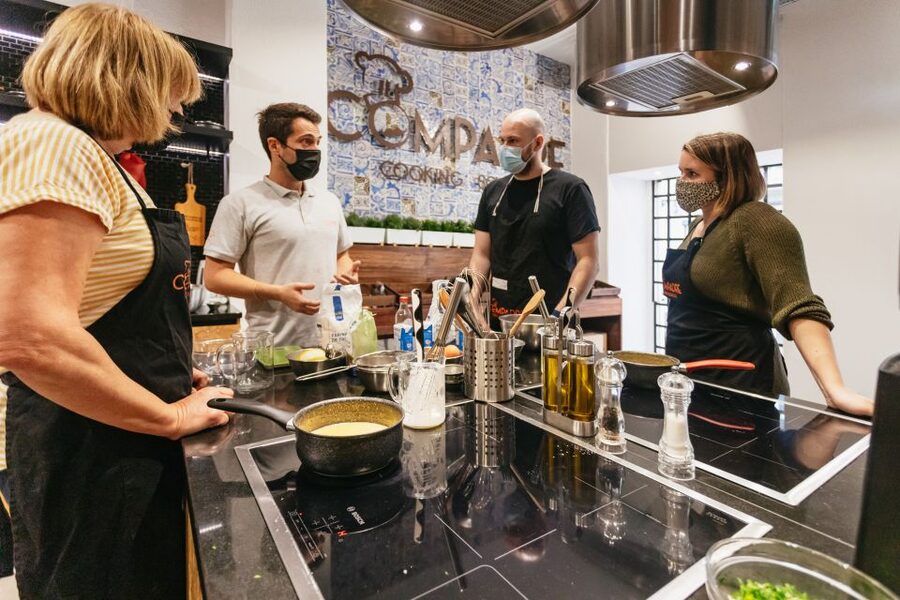
Pastel de Nata is the easy sell. In this hands-on Lisbon class, I like that you do the real work with pastry and custard, not just watch. You also make two Portuguese desserts in about 2 hours, with step-by-step help from the kitchen team, including Anna and Marta. The biggest thing to plan around is that you will stand most of the session, so it may be rough if your back is an issue.
I also like the practical vibe in the kitchen. The facility is described as clean and well equipped, and the pacing is friendly even if you’re not a “baker person.” One possible drawback: some parts are simpler than a total from-scratch workshop, with dough often starting pre-made and the custard kept straightforward, so serious pastry nerds might want more technique depth.
In This Review
- Quick highlights
- Pastel de Nata in Lisbon, where you actually make it
- Meet Anna and Marta, and how the class stays beginner-friendly
- The real Pastel de Nata workflow, from custard to baking
- Your second Portuguese recipe, and why variety is a plus
- After baking, the light meal and the tea moment
- What the kitchen setup and pace are really like
- Price and value, why $64 can be fair in Lisbon
- Dietary needs and safety notes you should not ignore
- Should you book Compadre Cooking School’s Pastel de Nata class?
- FAQ
- How long is the Lisbon Pastel de Nata cooking class?
- What recipes will I learn to make?
- Is pickup or drop-off included?
- Are cooking equipment and ingredients provided?
- What language is the class taught in?
- Does the class include tea or coffee?
- Is the class vegan friendly?
- Is this class suitable for people with back problems?
- What should I bring?
- Where do I meet for the class?
- Is cancellation free if I change my plans?
Quick highlights
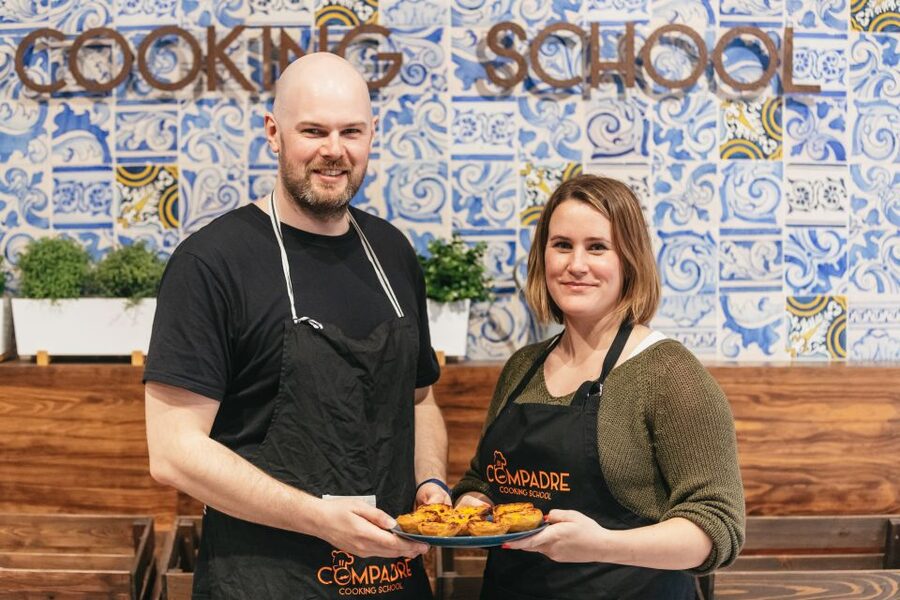
- Hands-on Pastel de Nata with English instruction and clear guidance
- Two Portuguese recipes in one session, not just one tart
- History mixed in while you cook, with Anna and Marta leading the flow
- Take-home recipes so you can recreate the method later
- Plan for standing time (about 1h20) and wear comfortable shoes
Pastel de Nata in Lisbon, where you actually make it
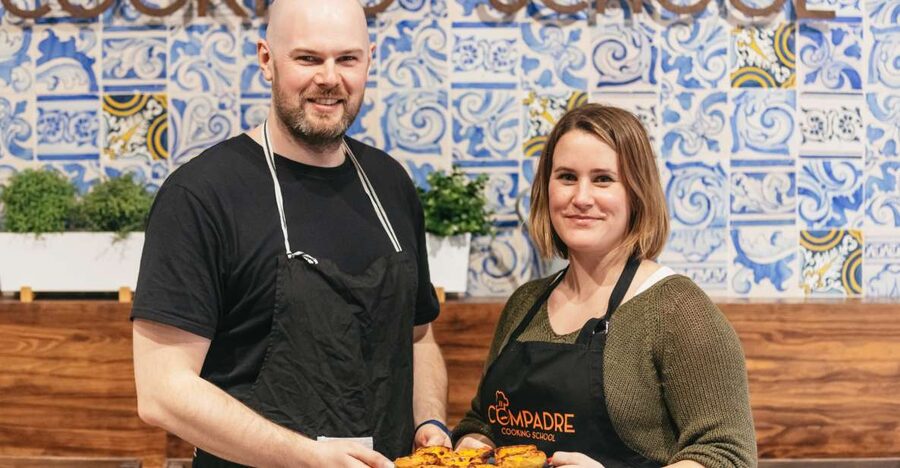
Lisbon’s most famous egg tart, the Pastel de Nata, has a fan club for a reason. It’s flaky on top, creamy in the middle, and built for that first hot bite. What makes this cooking class worth your time is that you’re not treated like a spectator. You get into the process, working in the kitchen alongside the instructors and picking up repeatable steps.
The setting matters too. This is a kitchen-based experience, meeting in the local partner’s kitchen location in Lisbon. That gives the class a grounded feel: fewer distractions, more focus on the food. For me, that’s where value lives, because you leave with a method you can use again, not just a photo of a pastry case.
And with a stated duration of 2 hours, it fits neatly into a trip schedule. You’re not signing up for a whole day of cooking logistics. You’re doing a fast, practical skill session built around one iconic tart and one additional Portuguese treat.
More Cooking Classes in Lisbon
- Lisbon: Pastel de Nata Baking Class★ 4.9 · 2,106 reviews
- Lisbon: Traditional Portuguese Cooking Class★ 4.9 · 592 reviews
- Lisbon Portuguese Cooking Class with 3-Course Dinner★ 5.0 · 445 reviews
- Traditional Portuguese Cooking Class in Lisbon★ 5.0 · 287 reviews
Meet Anna and Marta, and how the class stays beginner-friendly
The instructors named in the experience include Anna and Marta, and the tone they use comes through clearly in how the class is described. Expect step-by-step direction, with lots of energy and a casual feel that still stays organized. Even people who say they are bad at cooking describe the experience as easy to follow because you’re guided through each stage.
I like that the class doesn’t just stop at recipe instructions. You also get story and context about Pastel de Nata while you work. That makes the tart more than a snack. You’re not only learning what to do, you’re learning why the flavors and texture matter in Portuguese pastry culture.
One more detail that helps: the class is taught in English. If you’re traveling from the UK, Australia, the US, Canada, or anywhere else where English is your working language, this cuts down on friction. It’s easier to ask questions and to catch the small technique notes that make the tart come out better.
The real Pastel de Nata workflow, from custard to baking
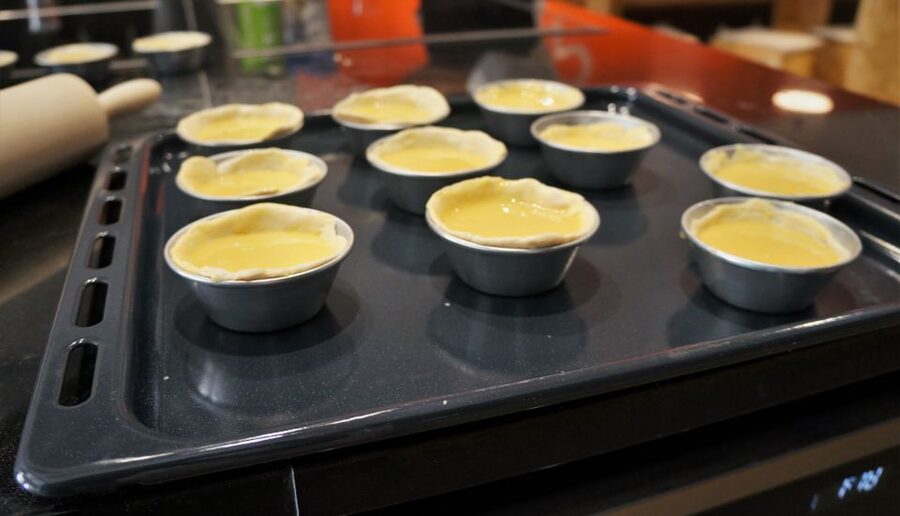
Here’s the part you’ll actually remember when you’re back home. The class is centered on making your own Pastel de Nata, which is Portugal’s iconic egg tart. You work with the pastry shells and custard, then bake and learn what gives the classic finish.
A helpful expectation setting: some participants note that the process includes components that are not completely from scratch. In particular, the dough can be pre made, and the custard described as very simple. That’s not a deal breaker. For many travelers, it’s actually the smart design choice, because it keeps the time tight and makes sure you leave with a tart that works.
What you should focus on in the hands-on part is timing and assembly. The instructions are geared toward helping you get a tart that looks right and tastes right, including tips for the custard consistency and the proper pastry handling. People also mention learning tricks for a near perfect tart, which tells me the instructors spend effort on the details that matter most, even if not everything starts from raw ingredients.
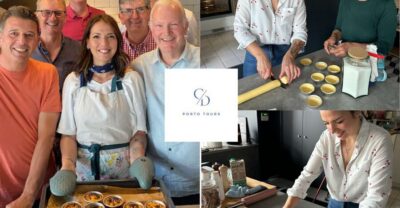
One practical bonus: because you’re working in a group, you get multiple chances to see the same technique from slightly different angles. If someone is confused, the instructor is likely repeating the key step in real time. That repetition is great for beginners, and it makes the kitchen feel like a small lesson, not a performance.
Your second Portuguese recipe, and why variety is a plus
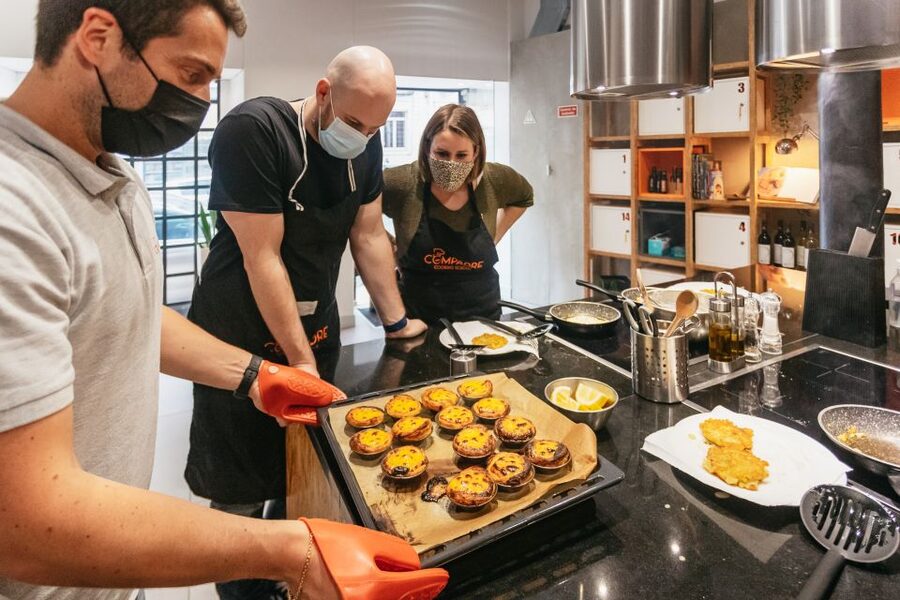
This class includes Pastel de Nata plus another traditional Portuguese recipe. The exact second dessert or treat may vary, but the range shows up clearly in how participants describe their experience.
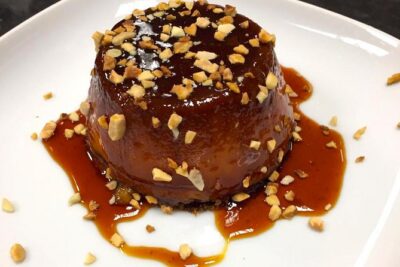
Some reports mention farófios, a Portuguese-style dessert made with meringue and custard. Others mention a merengue dessert with custard. There are also mentions of cod fritters and bacalhau cakes (Portuguese cod preparations) as part of the extra element.
That variety is worth paying attention to for one reason: it changes what you learn beyond pastry tarts. Pastel de Nata teaches technique around pastry shells and baked custard. The second item, whether it’s farófios or something savory like cod fritters, broadens your Portuguese cooking toolkit.
If you’re deciding whether this class is for you, think about what you want to recreate at home. If you want a signature Lisbon dessert, Pastel de Nata is your guaranteed anchor. If you want a second recipe that adds range to your cooking, this class is designed for that.
After baking, the light meal and the tea moment
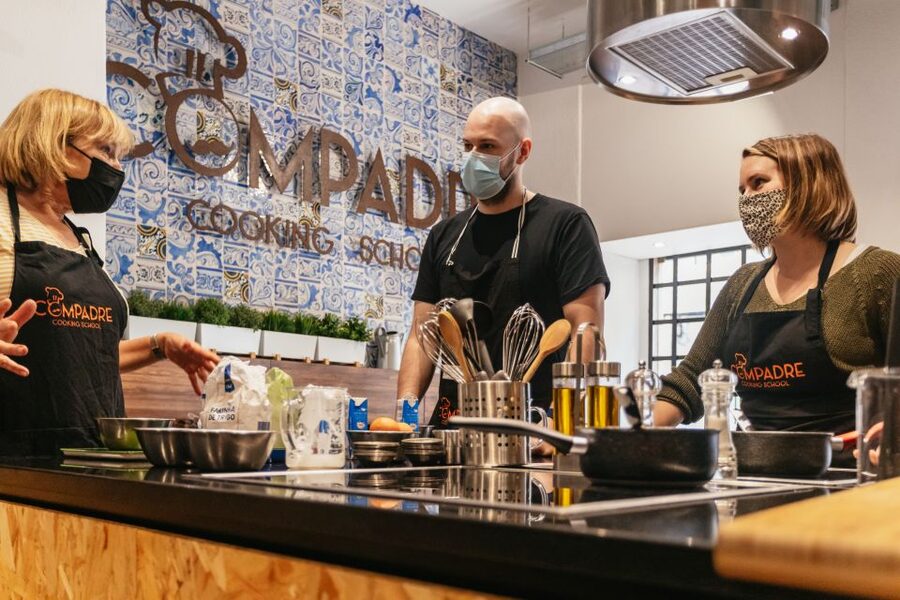
In a cooking class like this, the end of the session is where you finally relax and taste your work. After you cook, you enjoy a light meal to share. The description includes tea and coffee, which is typical for a kitchen class meal break.
One small heads-up: a couple of participants report that tea and coffee were not offered as expected, or that water appeared instead. That does not mean you will have a problem, but it does suggest you should come with the mindset that the main included refreshment is the light meal with tea, and anything else is not something you should bet your whole afternoon on.
Still, the shared tasting part is one of the best pieces of the whole format. You sit down, compare results, and get immediate feedback by taste, not just by watching your own tart rise in the oven. And if you’re traveling solo, this is also one of those activities where you can talk to people naturally, because you have a common project in front of you.
More custard tarts from your own oven:



What the kitchen setup and pace are really like
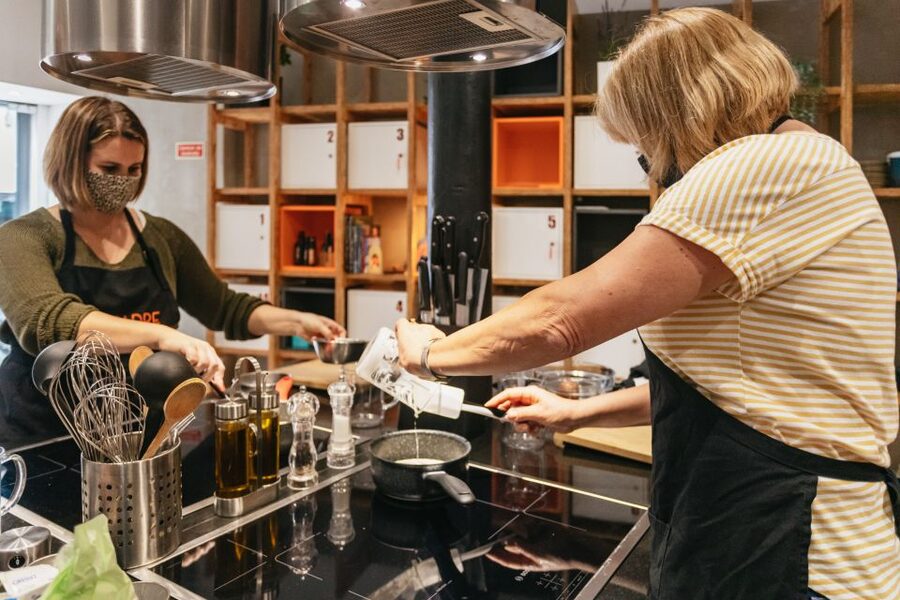
This class is short, so you move. You should plan for standing about 1h20 during the session. The instruction also notes it is not recommended for people with back problems. If you know standing is painful for you, skip this one or look for a more seated cooking option.
Comfort matters. Wear comfortable shoes, and don’t dress like you’re walking around Lisbon’s viewpoints for a long day. This is a work-in-progress kitchen morning or afternoon.
The kitchen itself is described as clean and modern in participant accounts, with some mention of air conditioning being a comfort in warmer months. That little detail can be more important than it sounds. Portugal can be sunny and warm, and if your class is during hot weather, air flow can make the last stretch feel far less exhausting.
Finally, keep expectations realistic about how much you do. If you go in wanting to learn every pastry technique from scratch, you might feel the class is more guided assembly than full craft training. If you go in wanting a rewarding, doable way to make Lisbon’s best-known tart and bring home repeatable steps, the pace and structure are a strong match.
Price and value, why $64 can be fair in Lisbon
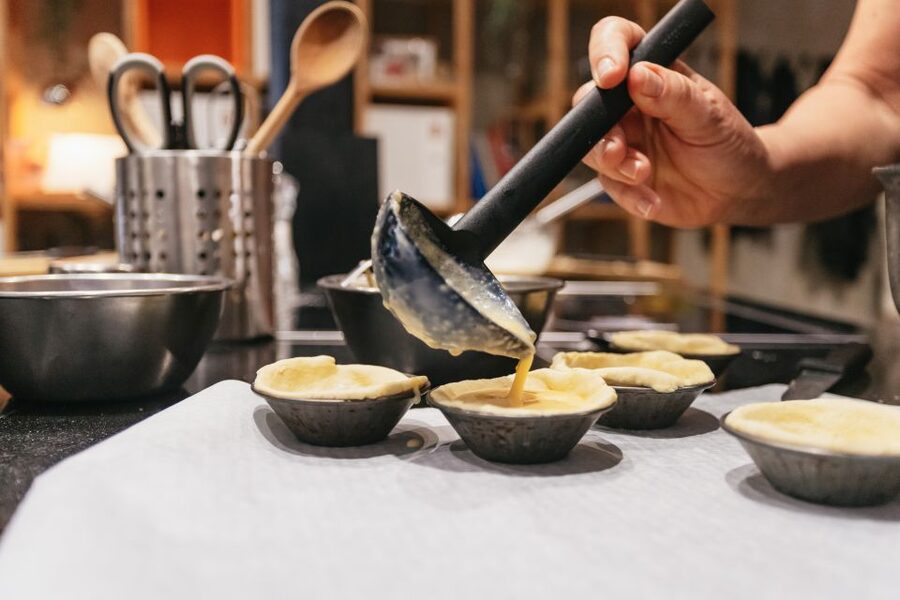
At $64 per person for a 2-hour class, the question is value: what do you get for the money, and does it replace other trip costs?
Here’s what’s included based on the experience details:
- Cooking equipment, utensils, and ingredients
- An instructor in English
- Insurance
- Two different recipes
- Tea
That’s a lot of “you don’t need to plan” for one short session. You’re not buying ingredients you may never use again. You’re not figuring out kitchen access. You’re not translating a foreign recipe. You’re paying for instruction, tools, and ingredients wrapped into one time window.
Also, Pastel de Nata is relatively cheap when bought by the piece. But eating them is one thing. Learning to replicate the method is another. When you leave with recipes and the know-how to produce your own tarts, your per-person cost starts to look more reasonable, because the skill can last beyond the meal you eat in Lisbon.
One tradeoff: pickup and drop-off are not included. If you’re staying far from the meeting location, add the cost and time of getting there. Still, because the class is only 2 hours, you can usually slot it into a day without turning it into a half-day commute.
If you love food as an experience, this price makes sense. If you’re only buying sweets for a snack, there are cheaper ways to eat in Lisbon. This class is about technique plus culture, not just sugar.
Dietary needs and safety notes you should not ignore
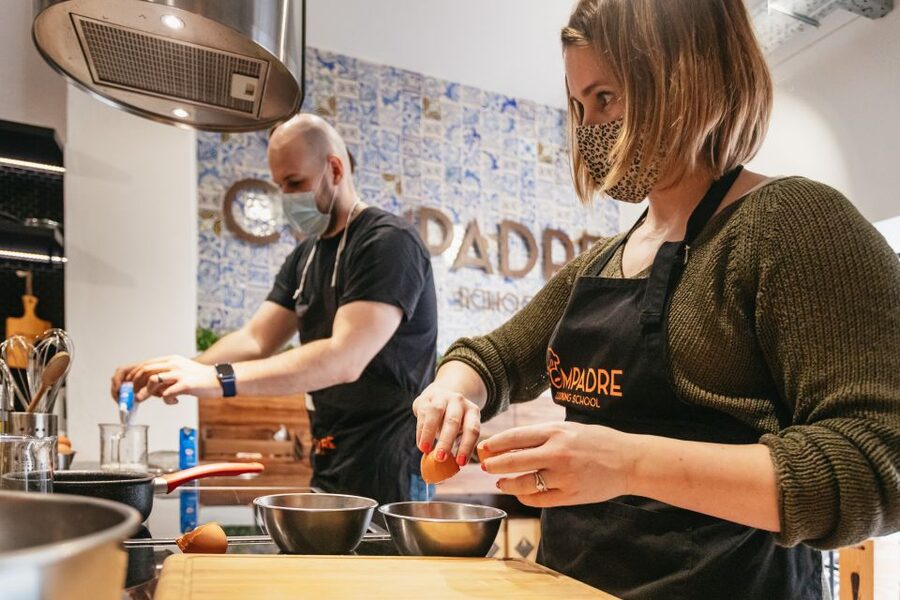
Portuguese cuisine is not very vegan friendly. If you are vegan, the experience notes you should contact the local supplier beforehand. That’s not me being cautious. It’s a practical reality because egg-based custards are a core part of Pastel de Nata.
For other restrictions, here’s what’s explicitly stated:
- Pets are not allowed
- Smoking is not allowed
For comfort and safety:
- Bring comfortable shoes
- Plan for mostly standing time
- If you have back problems, this class is not recommended
Also, the class uses English, which helps with communication in the kitchen. That matters for things like texture checks and timing, because those are the moments where being able to ask questions can make the difference between a tart that works and one that doesn’t.
Should you book Compadre Cooking School’s Pastel de Nata class?
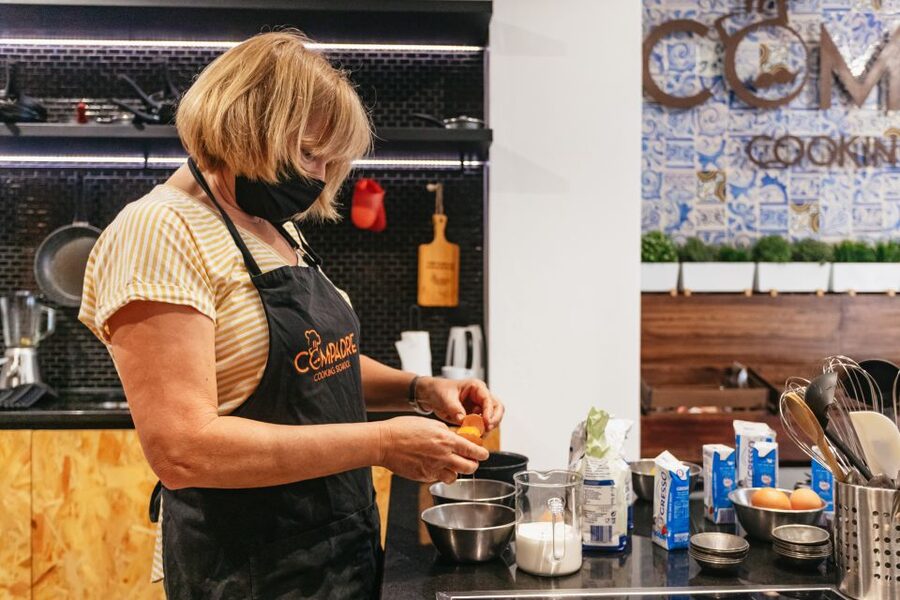
If you want a hands-on way to understand Lisbon through food, I think you should book this. The setup is built for short-term results: make Pastel de Nata, make a second traditional Portuguese recipe, eat what you made, and take recipes home. You’ll likely enjoy the social side too, because everyone has something to compare and talk about at the table.
Book it if:
- You want a Lisbon food skill you can repeat at home
- You like guided cooking with clear step-by-step help
- You can stand comfortably for about 1h20
- You prefer English instruction
Skip it or reconsider if:
- Standing is hard for your back
- You need a fully vegan experience without prior confirmation
- You’re hoping for a fully from-scratch pastry training where every component is made with raw ingredients from start to finish
My take: this is a strong “do it while you’re there” experience. It’s not a long, complicated program. It’s a focused, guided session that teaches you the heart of Portugal’s most famous egg tart and leaves you with the tools to make it again.
FAQ
How long is the Lisbon Pastel de Nata cooking class?
The class lasts 2 hours.
What recipes will I learn to make?
You’ll make Pastel de Nata and another traditional Portuguese recipe.
Is pickup or drop-off included?
No, pickup and drop-off are not included.
Are cooking equipment and ingredients provided?
Yes. The class includes cooking equipment, utensils, and ingredients, plus an instructor.
What language is the class taught in?
The instructor teaches in English.
Does the class include tea or coffee?
The experience description says you’ll enjoy tea and coffee with a light meal after cooking.
Is the class vegan friendly?
Portuguese cuisine is not very vegan friendly. If you’re vegan, you should contact the local supplier beforehand.
Is this class suitable for people with back problems?
No. It involves standing for about 1h20 and is not recommended for people with back problems.
What should I bring?
Bring comfortable shoes.
Where do I meet for the class?
You meet in the kitchen of the local partner’s meeting location in Lisbon.
Is cancellation free if I change my plans?
Yes. You can cancel up to 24 hours in advance for a full refund.
More Workshops in Lisbon
- Lisbon: Azulejos’ Design Create Your Own Tile Workshop
★ 4.9 · 420 reviews - Lisbon: 1.5-Hour Surf Lesson
★ 4.8 · 275 reviews - Lisbon Surf Guide – Surf class & Pick Up
★ 5.0 · 210 reviews
Kitchens With the Door Ajar
- Pasteis de Nata Baking Class from Lisbon
★ 5.0 · 248 reviews - Portuguese Cooking Class in Lisbon
★ 5.0 · 141 reviews - Portuguese Cooking Experience in Lisbon
★ 4.5 · 140 reviews
What Lisbon sent us most recently
- 3 Hour Lisbon Private Guided Tour via Tuk Tuk
★ 5.0 · 116 reviews - Lisbon: Private Boat Trip, Guided Walking Tour, Bike & Tram
★ 4.8 · 116 reviews - Lisbon Market and Food Tour with Cooking Class and Lunch
★ 5.0 · 117 reviews - From Lisbon: Sintra and Cascais Private Day Tour
★ 4.8 · 117 reviews - Lisbon: Tagus Estuary Nature Reserve Birdwatching Boat Tour
★ 4.9 · 117 reviews - Lisbon: Private Half-Day Tour with Hotel Pickup
★ 4.8 · 117 reviews - Pastel de Nata Cooking Class in Lisbon
★ 5.0 · 118 reviews - Sintra Private Tour from Lisbon
★ 5.0 · 118 reviews
Cooking Classes, compared.

Pastel de Nata Cooking Class with Grandma’s Recipe
Read our review →
Pastel de Nata Cooking Class with Port Wine – Sé
Read our review →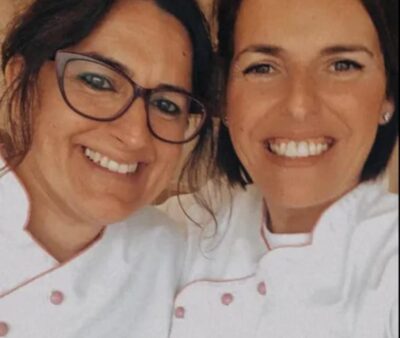
Lisbon Portuguese Cooking Class with 3-Course Dinner
Read our review →
Pastel de Nata Cooking Class with Porto Wine (Sé do Porto)
Read our review →
Traditional Portuguese Cooking Class in Lisbon
Read our review →Browse the lists this tour appears in