
Reviewed · COOKING CLASSES
Porto: Pastel de Nata Cooking Class from Scratch
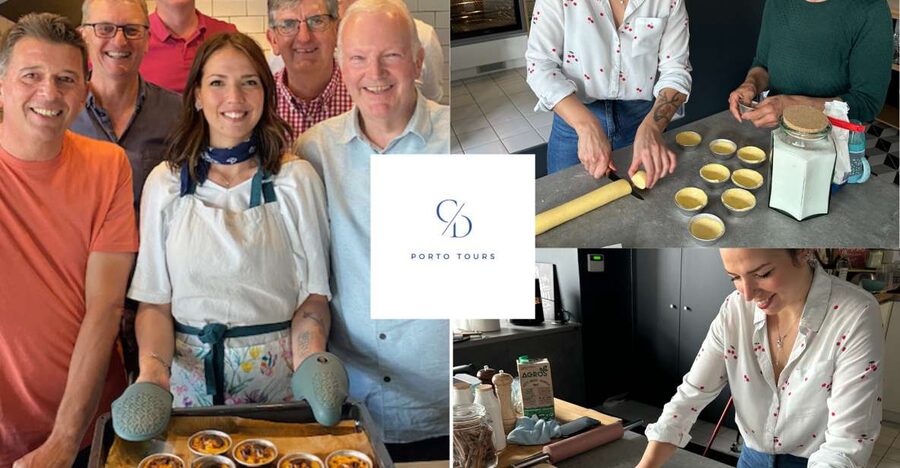
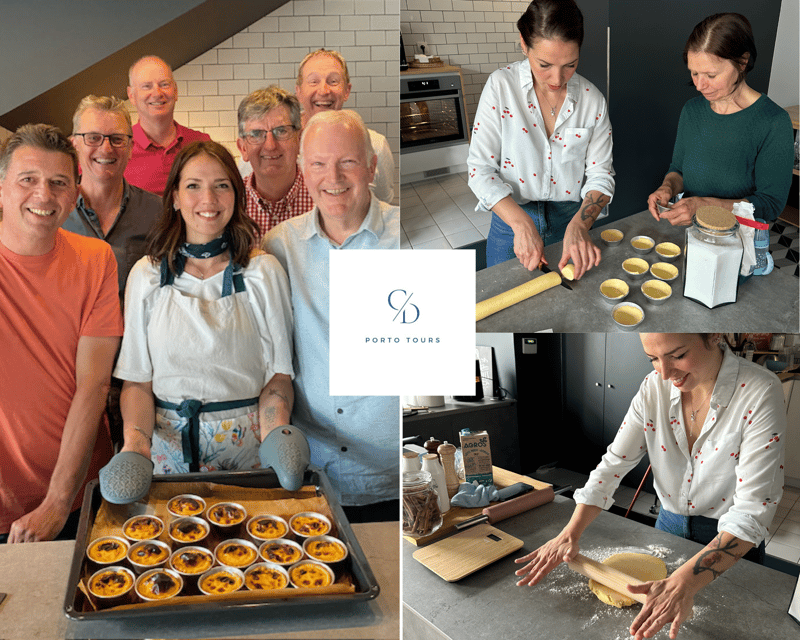
Porto’s Pastel de Nata class is for people who like their sweets with a lesson attached. You will learn the pastry’s story and secrets, then actually make your Pastel de Nata from scratch, including the dough. It is a hands-on 2.5-hour workshop built around doing, not just watching.
I also love how the sessions are set up so you get pulled into each phase of the process. In classes led by hosts like Vanessa, Clara, Mariah, and Ana, the vibe is friendly and focused, so even if you are not a baker you still feel capable when the warm pastries come out.
One drawback to consider: this is adult-focused and timing is strict. Entry is not allowed once the workshop starts, and kids under 15 are not permitted for safety and logistical reasons (plus there are gluten and lactose limits).
In This Review
- Key takeaways before you go
- Porto’s Pastel de Nata class: make Portugal’s most famous pastry your way
- What a 2.5-hour workshop feels like, from pastry history to warm pastries
- Making the dough yourself: why this is more than a recipe handout
- The instructor factor: how these classes keep you moving (and laughing)
- Wine and Portuguese pastry talk: a pause that actually makes sense
- Group size, comfort, and the modern kitchen setup
- Price and value: does $50 buy you skill, not just dessert
- Timing and logistics you should take seriously
- Dietary limits: who should and should not book
- Who this Porto Pastel de Nata class fits best
- What you take home: confidence, warm pastries, and a recipe you can use
- Should you book this Porto Pastel de Nata workshop?
- FAQ
- How long is the Porto Pastel de Nata cooking class?
- How much does the class cost?
- Is wine included, and is there an age requirement?
- What language is the class taught in?
- Does the price include pickup from your hotel?
- Can children under 15 join the group class?
- Can I join if I arrive after the workshop starts?
Key takeaways before you go
- You make the dough too, so you understand what makes the texture work, not just the filling.
- Turn-taking format keeps everyone involved through different steps of the pastel de nata process.
- Portuguese wine and food chat add context beyond the recipe.
- English live guide makes the steps easy to follow and repeat at home.
- Strict start time rules mean arrive early, or you will miss it.
Porto’s Pastel de Nata class: make Portugal’s most famous pastry your way
Porto has plenty of wine tastings and seafood stops, but this kind of cooking class gives you something different. You go from seeing Pastel de Nata in bakeries to understanding why they taste the way they do. The big hook here is that you do not just assemble pastries, you create them from scratch, including the dough.
That matters because Pastel de Nata is not one single magic trick. It is technique, timing, and a few decisions about thickness, rolling, and how everything comes together in the oven. When you make the dough yourself, you start to notice what good dough feels like and how it behaves while working it. That is what turns this from a fun activity into a skill you can repeat later.
More Cooking Classes in Porto
- Porto: Pastel de Nata Cooking Class with Port Wine – Sé★ 4.8 · 888 reviews
- Porto: Pastel de Nata Cooking Class with Porto Wine (Sé do Porto)★ 5.0 · 340 reviews
- Porto Local Market Visit & Cooking Class / Showcooking★ 5.0 · 206 reviews
What a 2.5-hour workshop feels like, from pastry history to warm pastries
The format is simple and well paced, which is exactly what you want on vacation. You start at your scheduled time with your English-speaking instructor. Then you get a blend of practical baking instruction plus conversation about Portuguese pastry culture and the history behind Pastel de Nata.
After that, you move into production mode. The workshop is designed so participants alternately join different phases, meaning you are not stuck doing only one tiny task for the entire class. Depending on the session, you may spend time making the dough, preparing or combining the filling, and shaping the pastries. The kitchen work is interactive, and the instructor keeps explaining what you are doing and why it matters.
Once the pastries are ready, it is time for the best part: eating them warm. You get to taste what you made while it is still fresh from the process. That warm bite is where the learning clicks, because you can connect flavor and texture to the steps you just practiced.
Making the dough yourself: why this is more than a recipe handout
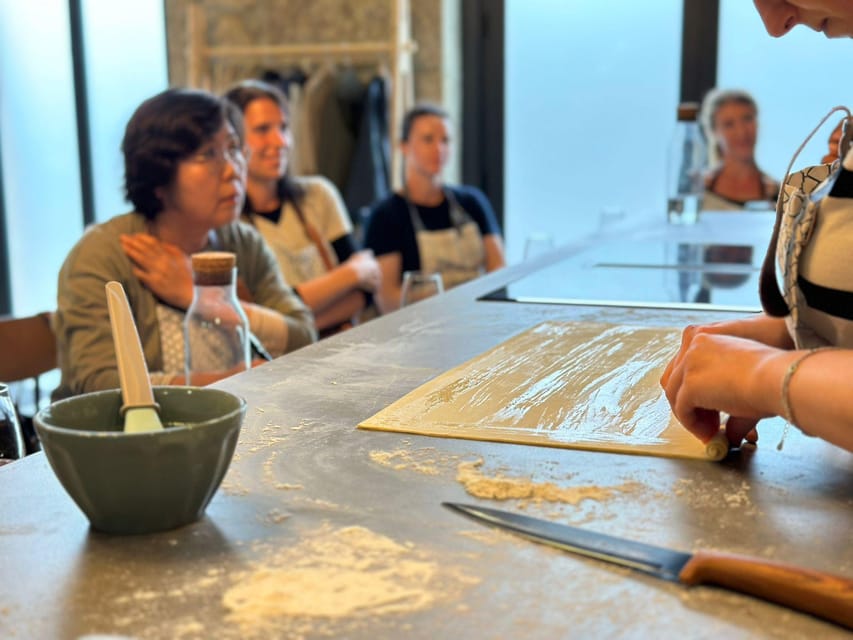
Plenty of cooking classes give you a recipe card and a brief demonstration. This one goes further because you make the dough too, and that changes the whole experience.
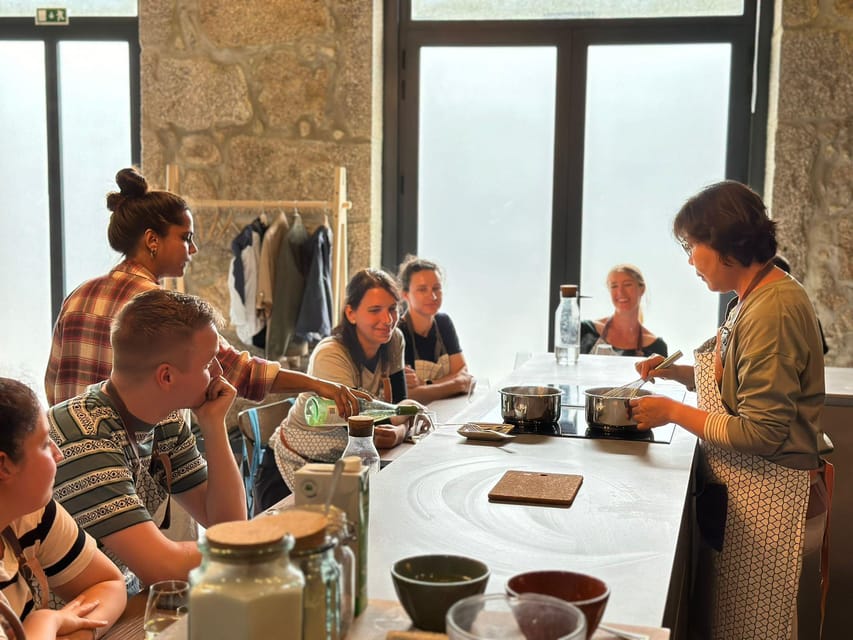
I like this approach because it removes the mystery. Instead of thinking Pastel de Nata is only for pros, you learn that the pastry is built on controllable steps. As you work, your instructor guides you step by step, and you get hands-on chances to participate rather than standing back.
You also pick up technique “tells” that you can use later at home. For example, you learn to pay attention to texture and consistency at each stage, since that affects how the finished pastry bakes. Instructors like Clara and Anna are praised for keeping instructions clear and breaking the process down into manageable parts, which is a relief if you are nervous about baking.
The instructor factor: how these classes keep you moving (and laughing)
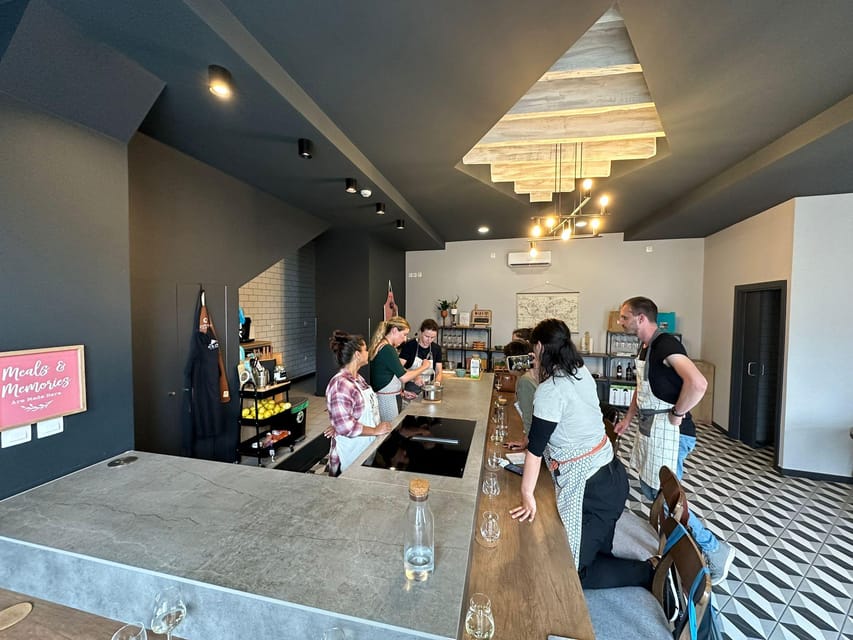
The quality of a class like this usually comes down to the host. And in this workshop, the host is part teacher, part stage manager, part cheerleader.
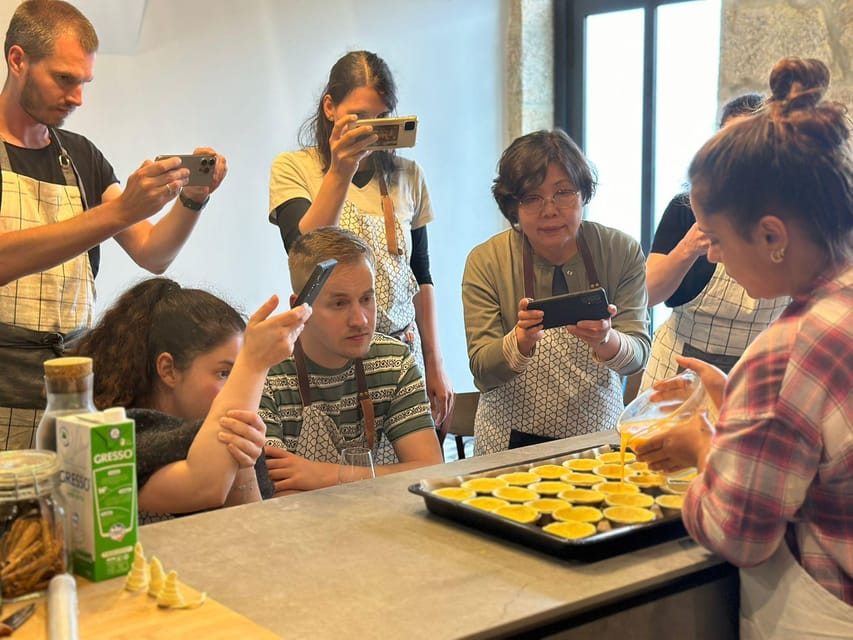
From what you can expect, the instructors keep the group rolling by giving people turns at different phases of the baking. Several sessions are described as fun and inclusive, with hosts encouraging everyone to try their part. That is a big deal because Pastel de Nata has multiple steps, and the lesson works best when you share that workload.
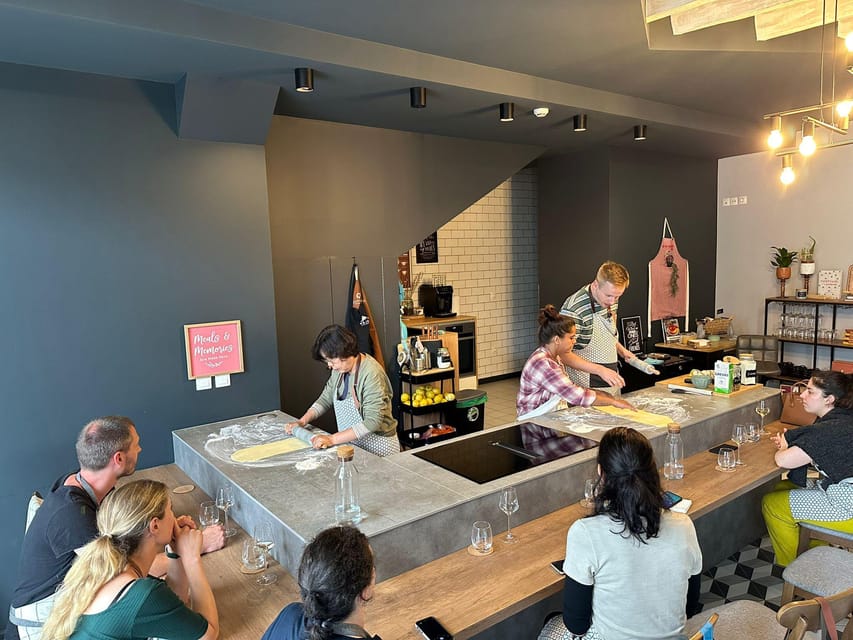
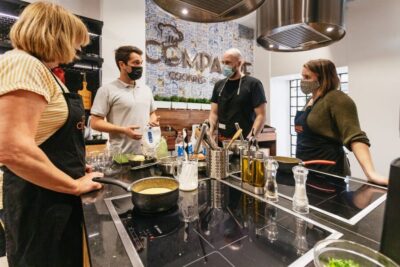
You might also notice a strong “small group” feel. The class can have up to 12 participants, and many sessions feel personal because everyone sits and works together. In a modern studio kitchen, you are not hidden behind glass, you are at the work table with the group. That means you can ask questions in the moment and actually watch your pastry go from dough to pastry.
Wine and Portuguese pastry talk: a pause that actually makes sense
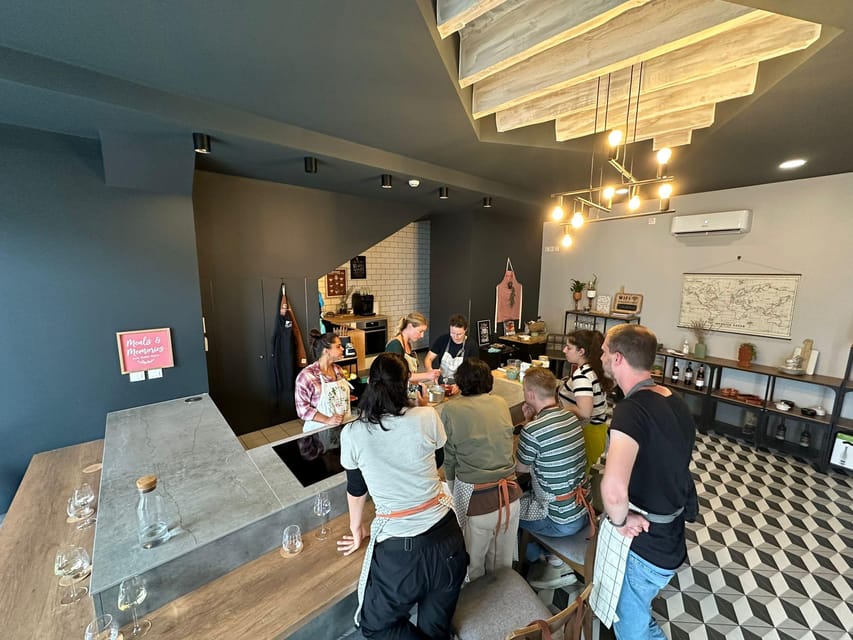
This class includes a glass of wine, served alongside the baking experience. The idea is not a loud party, but a relaxed rhythm. While pastries bake and you transition between steps, you get a gastronomic conversation about Portuguese culture and history related to pastry.
For me, this kind of pairing works because it slows you down at the right time. You are not forced to keep sprinting through tasks. Instead, you get a break in the workflow, and the conversation makes the story of Pastel de Nata feel connected to the place you are in.
One more practical note: Portugal’s legal drinking age is 18. So if you are not yet 18, plan to enjoy the baking and skip the wine.
More custard tarts from your own oven:


Group size, comfort, and the modern kitchen setup
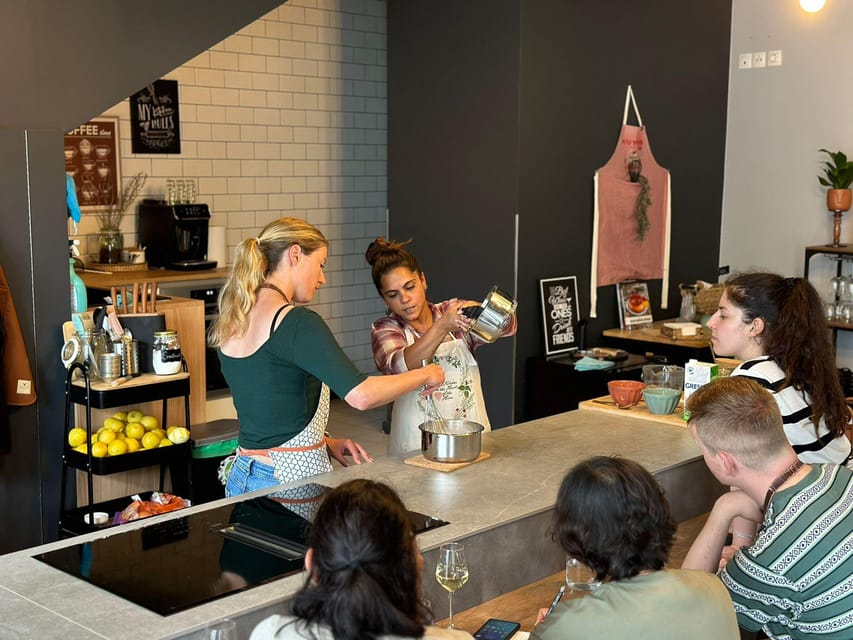
This is a group workshop for adults, with groups up to 12. That size is big enough to feel lively, but small enough that the instructor can keep track of what everyone is doing.
Several people highlight how the kitchen setup supports interaction. A shared work table setup helps the group collaborate, and it also makes the process feel more like a team baking session than a classroom lecture. You take turns, you watch, you jump back in. If you like hands-on activities, you will probably feel right at home.
A practical tip: bring your patience. Dough work is physical, and pastry time needs consistency. The class structure helps with that, because the instructor runs the pace and reminds you what you should be focusing on at each stage.
Price and value: does $50 buy you skill, not just dessert
At $50 per person for about 2.5 hours, the value is strongest when you treat this as a learning experience. You are paying for:
- A live instructor in English
- Hands-on instruction that includes making the dough
- Pastries to eat during the class
- A glass of wine
So the question is not just whether you get pastries. You do. The real value is that you leave with a process you can repeat. Multiple sessions emphasize that participants leave feeling confident to recreate Pastel de Nata at home, because the steps were explained clearly and practiced directly.
You might also get a recipe afterward in digital form. Some sessions mention a QR code for the recipe. That is useful, especially if you want to repeat the technique without relying on memory.
If you only want a quick snack, a bakery stop is cheaper. If you want an authentic Porto experience that gives you a real takeaway skill, this price can make sense fast.
Timing and logistics you should take seriously
This workshop runs on schedule, and that is not a suggestion.
Entry after the start time is not possible. For logistical reasons, the door is closed at the scheduled time and entry will not be permitted, with no exceptions. If you are the type who likes to wander nearby until the last minute, shift your plan. Arrive a bit early, check the meeting point information for your booked option, and get inside before the class begins.
Also note that there is no hotel pickup and drop-off included. That means you are on your own for getting there, so build in a little buffer for walking time and local navigation.
Companions are not allowed in the workshop space, regardless of age. So if you are thinking about bringing someone to watch, plan on them sitting this one out and doing their own thing nearby.
Dietary limits: who should and should not book
This class is not suitable for everyone.
It is listed as not appropriate for:
- People with gluten intolerance
- People with lactose intolerance
If either of those applies to you, you should look for a different option. Since Pastel de Nata is a pastry and includes dairy components in the traditional form, you cannot assume substitutions will be offered.
It is also not for pets, and smoking indoors is not allowed. If you have any accessibility needs or special requirements, check in before booking because the session is run as a working kitchen with safety and logistics rules.
Who this Porto Pastel de Nata class fits best
You will probably love this class if:
- You want a hands-on Porto activity, not just a tasting
- You like learning techniques you can use at home
- You enjoy interactive group experiences where you take turns doing the work
- You want a cozy break from walking and crowds
It is also a good rainy-day plan because it is indoors, timed, and structured.
You should skip it if:
- You have children under 15 traveling with you
- You need gluten-free or lactose-free pastries
- You are worried about not being able to join late, because the timing rule is strict
- You were hoping companions could sit in with you
What you take home: confidence, warm pastries, and a recipe you can use
The class ends with you eating the result while it is warm. Pastel de Nata is at its best right out of the oven, and getting to taste your own batch right after baking is part of why the learning works.
Many sessions also describe receiving guidance and tips that make you feel confident recreating it at home. If your goal is to bring back a “skill souvenir,” this is that kind of class.
And for repeat success, having the recipe in digital form can help. Some sessions mention a QR code for the recipe, which you can access after you return home and want to bake again.
Should you book this Porto Pastel de Nata workshop?
Book it if you want more than a pastry. This is a practical baking lesson in Porto, where you make the dough too and get guided step-by-step instruction in English. The interactive format, small group size, and the included glass of wine make it an easy yes for couples, friends, and solo travelers who enjoy hands-on experiences.
Skip it if your priority is convenience or flexibility. The workshop has a strict start time and does not allow entry after it begins. It is also adult-focused, with limits on children under 15 and restrictions for gluten and lactose needs.
If you can meet those conditions, this is one of the better ways to spend a couple of hours in Porto, because you leave with warm pastries now and real technique for later.
FAQ
How long is the Porto Pastel de Nata cooking class?
It lasts about 2.5 hours.
How much does the class cost?
The price is listed as $50 per person.
Is wine included, and is there an age requirement?
A glass of wine is included. In Portugal, the minimum age to consume alcoholic beverages is 18 years old.
What language is the class taught in?
The live tour guide offers instruction in English.
Does the price include pickup from your hotel?
No. Hotel pickup and drop-off are not included.
Can children under 15 join the group class?
No. Children under 15 are not allowed for logistical and safety reasons. Families with children should request a private workshop.
Can I join if I arrive after the workshop starts?
No. It is not possible to enter once the workshop has started. The door closes at the scheduled time and no exceptions are made.
More Workshops in Porto
- Porto: Tile Painting Workshop with Porto Wine – Sé do Porto
★ 4.9 · 1,095 reviews - Matosinhos: Surfing Lesson with Equipment
★ 4.8 · 926 reviews - Porto: Small Group Surf Lesson with Transportation
★ 4.9 · 594 reviews
Kitchens With the Door Ajar
- Porto: Pastel de Nata Cooking Class with Grandma’s Recipe
★ 5.0 · 1,565 reviews - Lisbon: Traditional Portuguese Cooking Class
★ 4.9 · 592 reviews - Lisbon: 2-Hour Pastel de Nata Cooking Class
★ 4.8 · 461 reviews
What Porto sent us most recently
- Douro Tour with Wine Tasting, River Cruise and Visit to Lamego
★ 5.0 · 118 reviews - From Porto: Full-Day Douro Historical Tour
★ 4.6 · 120 reviews - Porto: Sunset Cruise on the Douro River & Iconic Bridges
★ 4.1 · 122 reviews - 4-hour Guided Porto Pub Crawl with 6 drinks and VIP CLUBentry
★ 4.5 · 124 reviews - From Porto with view to Gaia: Private Bike Tour #DuckSideOfPorto
★ 5.0 · 124 reviews - Douro Valley Half-Day Tour with Winery and Lunch From Porto
★ 5.0 · 125 reviews - Porto Food Half-Day Tour
★ 5.0 · 124 reviews - MagicTrain Tour and Port Wine Cellar Visit & Tasting
★ 3.0 · 125 reviews
Cooking Classes, compared.
Pastel de Nata Cooking Class with Grandma’s Recipe
Read our review →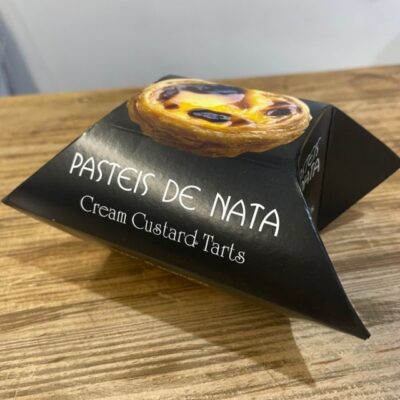
Pastel de Nata Cooking Class with Port Wine – Sé
Read our review →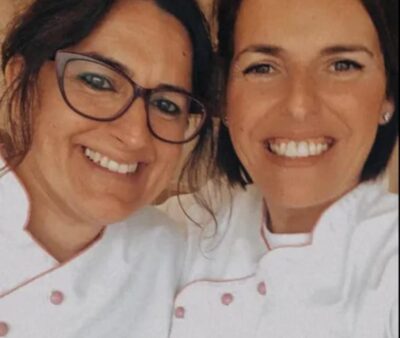
Lisbon Portuguese Cooking Class with 3-Course Dinner
Read our review →
Pastel de Nata Cooking Class with Porto Wine (Sé do Porto)
Read our review →
Traditional Portuguese Cooking Class in Lisbon
Read our review →Browse the lists this tour appears in