
Reviewed · CITY TOURS
Lisbon City of Spies Tour
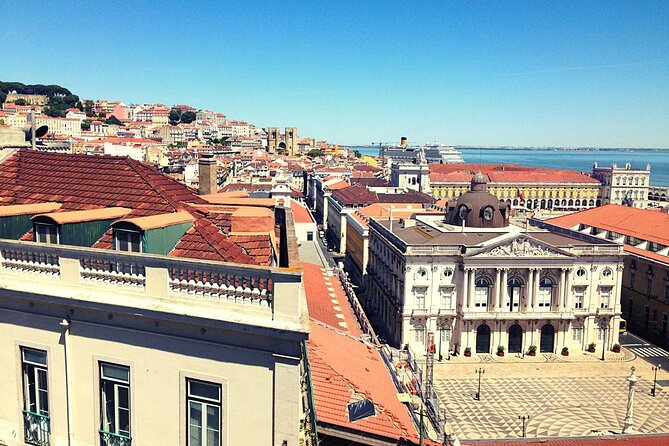
Lisbon has spy stories on every corner. This walking tour turns downtown squares into a real-life intelligence saga, with a small group that makes it easy to ask questions as you walk.
I like the way it connects the legend of a real-life James Bond to actual Lisbon locations, including the spy-hotels trail you can point to on a map. The tour is led by a professional art historian, so the stories come with context, not just theatrics.
The main drawback is simple: you’re on your feet for about 2 to 3 hours, outdoors for much of the time. Bring comfortable shoes and a rain layer, even if Lisbon looks calm at first.
In This Review
- Key points worth your attention
- Starting at Cervejaria Antártida, you get your bearings fast
- Praca do Comercio, Lisbon’s power center in plain language
- Municipal Square, and how the Republic took hold
- Praca da Figueira, the real James Bond connection
- Dom Pedro IV, refugees and European fashion trends
- Jewish gold and tungsten traffic, the wartime economy angle
- The spy hotels part, where names become locations
- Praca dos Restauradores, Garbo and a double-agent story
- Price and timing, and whether $30.17 makes sense
- What it feels like on the ground, small group energy
- Who should book this Lisbon City of Spies tour
- Should you book it? A quick decision guide
- FAQ
- How much does the Lisbon City of Spies tour cost?
- How long is the tour?
- What language is the tour offered in?
- What is the maximum group size?
- Where does the tour start and where does it end?
- Do I need to print a ticket?
- Is there a free cancellation option?
Key points worth your attention
- Real spy stories tied to downtown squares instead of vague generalities
- James Bond inspired by real people and places in Lisbon
- Fewer people, more guidance time, up to 15 travelers
- Spy-hotel and key-location spotting as part of the walk
- WWII, plus Portugal’s 20th-century political backdrop when your guide shares it
Starting at Cervejaria Antártida, you get your bearings fast
Your tour starts at Cervejaria Antártida Lisboa, on the Praça do Comércio side of the Palácio Real area (Ala Poente do Palácio Real, Praça do Comércio, R. C 20-23). If you like meeting points that are easy to find, this one is in the heart of Lisbon’s downtown activity.
Expect your guide to set the tone right away: this is not just a list of famous names. You’ll get a sense of why Lisbon mattered to intelligence networks, and how the city’s geography, political position, and bustling streets made it useful to all kinds of people.
One thing I appreciate about this format is the pace. The group size is capped at 15, which usually means you do not get lost in the crowd, and you can hear the story without constantly craning your neck.
More Things to Do in Lisbon
- Lisbon City Center Tour – The Unmissable Lisbon★ 5.0 · 22,234 reviews
- Lisbon: Sintra, Pena, Regaleira, Cabo da Roca & Cascais★ 4.7 · 19,656 reviews
- Lisbon Card: 24, 48, or 72-Hour Pass★ 4.5 · 17,944 reviews
- Lisbon: Jerónimos Monastery Entrance Ticket★ 4.1 · 14,164 reviews
Praca do Comercio, Lisbon’s power center in plain language
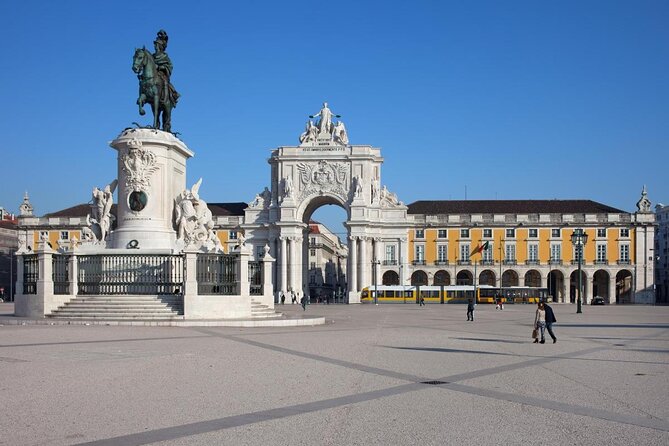
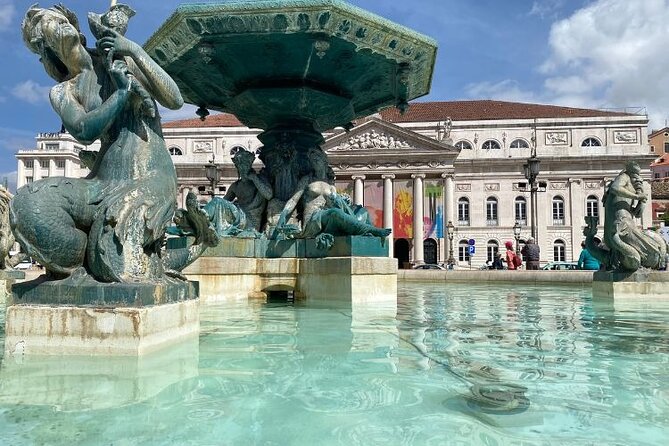
The walk’s first stop is Praca do Comercio (Terreiro do Paco), described as the everlasting centre of power. This square is a good place to begin because it lets your guide frame Lisbon as more than a postcard.
From here, the tour typically flows into the idea that power is rarely only military. It is trade, information, visas, communications, money, and timing. Even if you only know Lisbon through its riverfront views, you’ll start seeing the city as a chessboard.
What makes this stop useful for you: it anchors the rest of the walk. When later stories mention networks, meetings, or influence, you will have a mental map of where the power was concentrated.
A small consideration: since this is the first major concentration area, arriving a few minutes early helps. You want to be settled before your guide starts connecting dots.
Municipal Square, and how the Republic took hold
Next comes Municipal Square, focused on the beginning of the Republic in Portugal. This stop adds a different layer to the spy story. It shows you that intelligence work does not live in a vacuum. Political change creates new opportunities, new anxieties, and new reasons people share or hide information.
Even if your interest is strictly WWII espionage, this kind of political framing matters. It explains why Lisbon could become a magnet for outsiders, and why local institutions and social life affected what happened on the street.
Praca da Figueira, the real James Bond connection
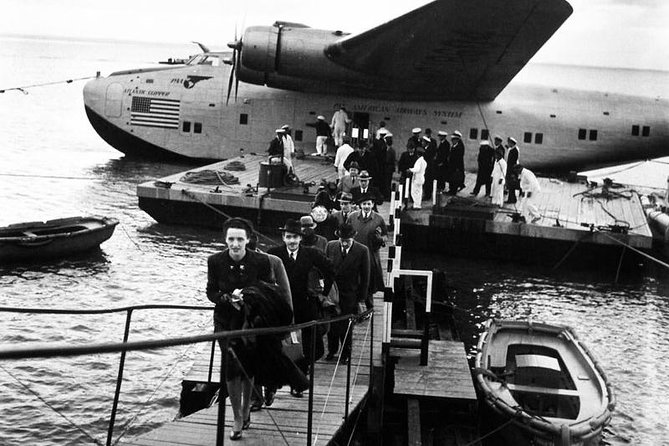
At Praca da Figueira, the theme shifts to the story of the real James Bond. This is one of the highlights, and it’s also a smart programming choice. Your guide can point at the square, talk through the networks, and connect that to the kind of spy imagery that later became pop-culture shorthand.
The best part of this kind of stop is when it goes beyond the headline. You want the how and why, not only the who. Guides on this tour tend to treat the Bond idea as a way to explain real mechanisms of espionage, persuasion, and survival in wartime Europe.
If you enjoy walking tours that help you understand modern Lisbon better, this stop often does that. It gives you a lens for the city: old places still carry old signals, even when the streets look ordinary today.
Dom Pedro IV, refugees and European fashion trends
At Praca Dom Pedro IV, you’ll hear about refugees and European fashion trends. This may sound like a curveball if you came for strict WWII spy intrigue only. But it works, because intelligence history includes what people wore, where they looked for help, and how they presented themselves.
Fashion and displacement are not just social trivia in this context. Your guide can use these details to explain how identities could be performed and how newcomers navigated a city under pressure. You also get a more human Lisbon, not only an action-movie Lisbon.
A drawback to keep in mind: if you are not in the mood for social and cultural context, you might find this part lighter on direct espionage. Still, it tends to make the bigger story click, especially if your interest includes Portugal’s unusual position during the war.
A few more Lisbon days, taken slowly

Jewish gold and tungsten traffic, the wartime economy angle
Between major squares, the tour introduces the Jewish gold and the tungsten traffic. This is where the walk leans into the wartime economy and the darker, harder parts of the story.
This segment is valuable because it shows how spies did not only chase secrets like passwords. They tracked materials, routes, and financial systems. Tungsten, in particular, is a reminder that modern warfare runs on industry, not just spies in trench coats.
I recommend giving this section your full attention. If you skim it, the rest of the tour can feel more like a trivia chase. If you listen, Lisbon becomes understandable as a hub where money, commerce, and fear collided.
Tip for you: have your questions ready. A small group helps here. If something in this segment feels unclear, you’ll have a chance to ask.
The spy hotels part, where names become locations
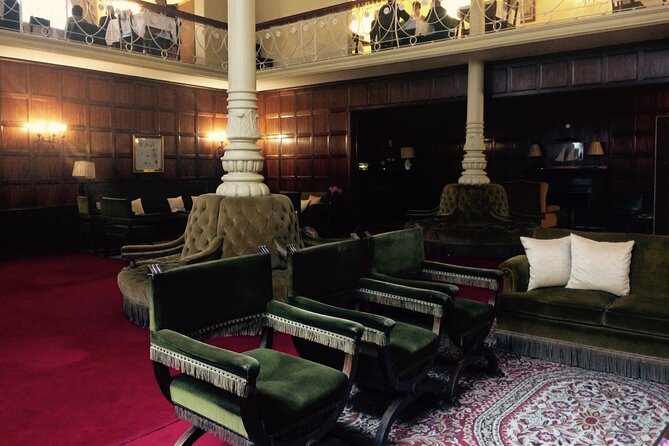
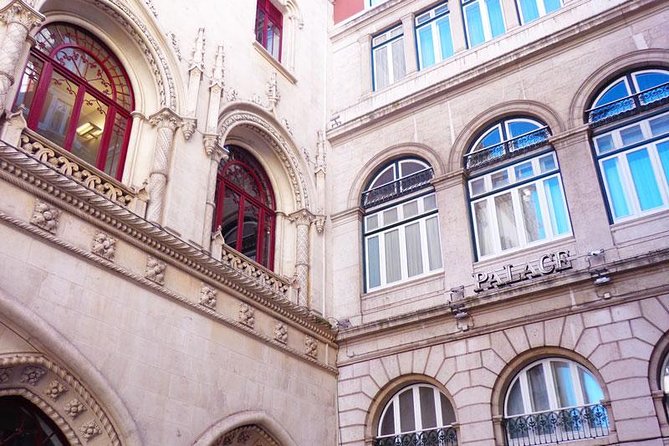
Later, you’ll reach the most famous spy Hotels in Lisbon and key locations. This is not an abstract story. The tour’s structure helps you actually see where people could plausibly meet, hide, blend in, or exchange information.
For me, the best value in this part is the combo: architecture plus narrative. Even if you do not go inside hotels, you start noticing fronts, entrances, and how the buildings sit in the city. Those details turn the story from internet knowledge into real place knowledge.
You should expect your guide to explain why these kinds of places become magnets. Hotels concentrate strangers. They move people through schedules. They offer cover, routine, and privacy. They are also where misinformation spreads quickly.
If you like detective-style travel, this is the moment you’ll enjoy most, because Lisbon starts to feel like it has hidden layers you can still walk to.
Praca dos Restauradores, Garbo and a double-agent story
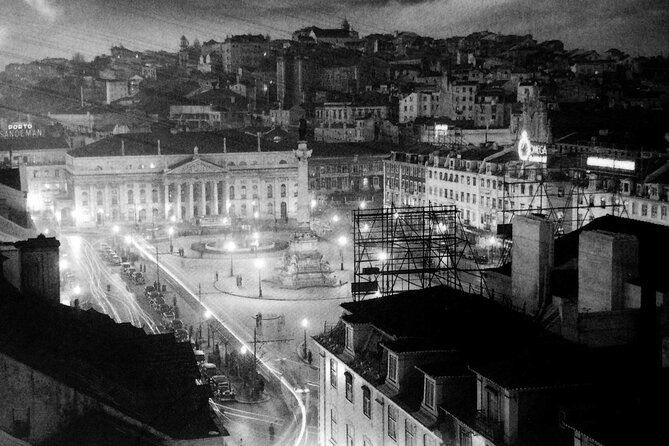
The tour ends at Praca dos Restauradores, where you’ll hear about the most important WWII double agent, Garbo and Arabel. This is a strong closing stop because it ties the city-level story back to the people who mattered.
What you get here is often more than plot recap. A good guide uses the double-agent theme to explain how loyalty can be manipulated, how intelligence networks manage risk, and how one person’s choices can shift what multiple governments believe.
If you’re a WWII buff, this stop is a satisfying payoff. If you’re a casual history fan, it still works because your guide can connect it to themes you’ve already learned on the walk: power, politics, displacement, and the wartime economy.
When the tour ends, you’ll be at Restauradores area (end listed at 1249-970 Lisbon). From there, you’re in a very walkable zone for grabbing a meal or continuing on foot.
Price and timing, and whether $30.17 makes sense
At $30.17 per person for a 2 to 3 hour walking tour, this is priced like a focused, story-forward activity rather than a long bus day. For your money, what matters is that you get professional guidance, a small group cap (15 travelers), and stop-based storytelling around downtown locations.
Value-wise, I think this tour earns its price when you want three things at once:
- a downtown orientation you can repeat later
- WWII espionage explained with local context
- a walk you can remember because you can point to the squares and buildings
One timing note you should take seriously: it’s often booked about 29 days in advance on average. If you travel in peak seasons or want a specific day, booking earlier helps you lock in a spot.
What it feels like on the ground, small group energy
This tour’s size is a big part of why people seem to enjoy it. A cap of 15 changes the whole experience. You’re not shouting over street noise for every question. You’re also more likely to hear the details your guide chooses to include, like how Lisbon’s wartime role developed and how it was viewed from Portugal.
The tone can also be flexible. Guides on this tour have been described as engaging storytellers, and they tend to connect espionage to life in Portugal, including how the dictatorship shaped daily reality and what came afterward. If your interest runs beyond WWII, this is a bonus.
If you’re traveling with mixed ages, the short stop durations and walkable route usually make it easier to pace. Still, the outdoors time is real, so plan your footwear and water.
Who should book this Lisbon City of Spies tour
You’ll be happiest with this tour if:
- you like walking tours that tell stories at real locations
- you care about WWII espionage but also want the Portuguese context behind it
- you enjoy spotting spy-hotel settings and learning why these places matter
- you prefer small groups and interactive explanations
You might think twice if you:
- need a mostly indoor experience
- want only pop-culture spy references with zero political or social context
- dislike being outside for extended periods
Should you book it? A quick decision guide
Book this Lisbon City of Spies tour if you want Lisbon explained through the lens of spies, hotels, and wartime trade, with a guide who connects the story to the city you can actually see. It is a strong pick for first-timers who want downtown orientation and for history fans who like their facts tied to place.
Skip it only if you prefer attractions that stay strictly in museums or you cannot handle outdoor walking for roughly 2 to 3 hours.
If you do book, do it with comfortable shoes and a curious mind. Lisbon rewards that combination.
FAQ
How much does the Lisbon City of Spies tour cost?
The price is $30.17 per person.
How long is the tour?
The tour lasts 2 to 3 hours (approx.).
What language is the tour offered in?
The tour is offered in English.
What is the maximum group size?
The tour has a maximum of 15 travelers.
Where does the tour start and where does it end?
It starts at Cervejaria Antártida Lisboa, Ala Poente do Palácio Real, Praça do Comércio, R. C 20-23, 1100-038 Lisboa, Portugal. It ends at Restauradores, 1249-970 Lisbon, Portugal.
Do I need to print a ticket?
No. It’s a mobile ticket.
Also, service animals are allowed.
Is there a free cancellation option?
Yes. You can cancel for a full refund up to 24 hours in advance of the experience start time. Cancellation less than 24 hours before the start time is not refunded.
What Lisbon sent us most recently
- From Lisboa: Sintra, Cabo da Roca & Cascais Private Full Day Tour
★ 5.0 · 39 reviews - Best of Sintra and Cascais Private Full Day Tour
★ 5.0 · 39 reviews - Private Sailing tour in Lisbon – Day Time, Sunset and Night
★ 4.5 · 39 reviews - Tuk Tuk Lisboa – Sightseeing Tours
★ 4.5 · 39 reviews - Private Experience Óbidos Nazaré and Fátima or Aveiro and Óbidos
★ 5.0 · 39 reviews - Belém and Jerónimos Monastery Private Walking Tour & Ticket
★ 4.5 · 39 reviews - Lisbon Private Luxury Tour
★ 4.5 · 39 reviews - Exclusive Lisbon Progressive Dinner & Wine Tour
★ 5.0 · 40 reviews
City Tours, compared.
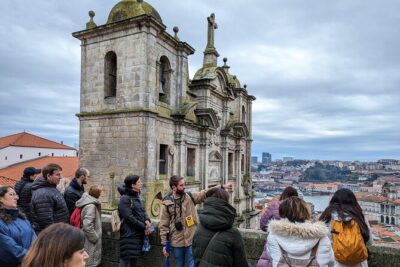
The Unvanquished Tour in Porto City Center
Read our review →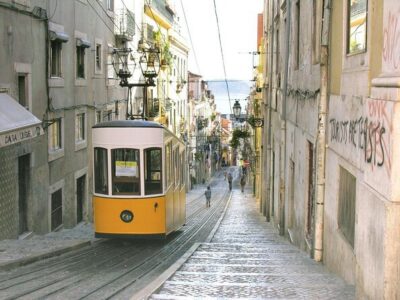
Lisbon City Center Tour – The Unmissable Lisbon
Read our review →
Daytime/Sunset/Night City Sailboat Tour with Drink
Read our review →
City Highlights 3-Hour Guided Electric Bike Tour
Read our review →
Browse the lists this tour appears in