Reviewed · TICKETS
Lisbon: Entry Tickets to Mosteiro de São Vicente de Fora
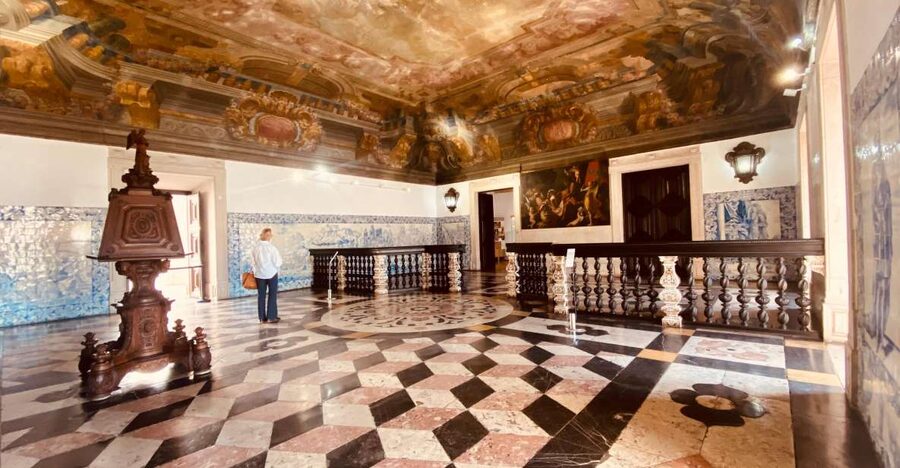
The azulejos hit you fast. At Mosteiro de São Vicente de Fora, I love how the monastery pairs huge, blue tile work you can see in its original setting with a panoramic view over the city and river. One thing to keep in mind: this is mostly a self-paced visit, with no guided tour and no audio guide.
If you care about how Portugal’s power and art evolved, you will like the story baked into the building. You get the Bragança Dynasty royal presence through the Royal Pantheon, and you also get an exhibition based on Jean de La Fontaine fables told through glazed-tile panels.
In This Review
- Key highlights worth planning around
- Mosteiro de São Vicente de Fora: what your $9 ticket really buys
- Where to start: ticket office inside the Church of São Vicente de Fora
- Self-guided flow: how to move through the monastery without getting lost
- Entering the tile world: baroque glazed panels in their original place
- A monastery built in layers: from Afonso Henriques to Filipe I
- The medieval cistern and the marble-inlaid sacristy
- Bragança Dynasty power in the Royal Pantheon
- La Fontaine fables on glazed tiles: a clever exhibition stop
- Panoramic view over Lisbon and the river
- Price and logistics: simple ticket, no frills (and that can be good)
- What to expect in the practical rules (and how to plan around them)
- Who this monastery ticket suits best
- Should you book? My honest decision guide
- FAQ
- How long is the experience?
- Where do I get my ticket?
- Is this a guided tour?
- Is an audio guide provided?
- What is included with the ticket?
- Are all areas of the monastery included?
- Are there language options?
- Can I bring luggage or large bags?
- Can I cancel and get a refund?
Key highlights worth planning around
- In-situ baroque glazed tiles: a major tile collection still in its original place
- Cistern with a real job: a medieval cistern that still works
- Marble-inlaid sacristy: walls decorated with inlaid marbles
- Royal Pantheon of Bragança: final resting place of the last Portuguese royal family
- La Fontaine fables in tile form: 38 fables displayed through glazed panels
- Panoramic viewpoint: city and river views from the monastery grounds
Mosteiro de São Vicente de Fora: what your $9 ticket really buys
For about $9 per person, this ticket is a strong value because it does not charge extra for “the good parts.” Your entry covers access to the monastery areas and the exhibitions, plus you get practical support like informative panels, a flyer with a map, and a bathroom on site.
This is also one of those places where you can go slow without feeling like you are paying per room. The monastery is designed for discovery, not for being rushed by a group.
The big tradeoff is that you are on your own for the storytelling. There is no guided tour and no audio guide included, so if you want a live narration, you would need a separate plan.
More Things to Do in Lisbon
- Lisbon City Center Tour – The Unmissable Lisbon★ 5.0 · 22,234 reviews
- Lisbon: Sintra, Pena, Regaleira, Cabo da Roca & Cascais★ 4.7 · 19,656 reviews
- Lisbon Card: 24, 48, or 72-Hour Pass★ 4.5 · 17,944 reviews
- Lisbon: Jerónimos Monastery Entrance Ticket★ 4.1 · 14,164 reviews
Where to start: ticket office inside the Church of São Vicente de Fora

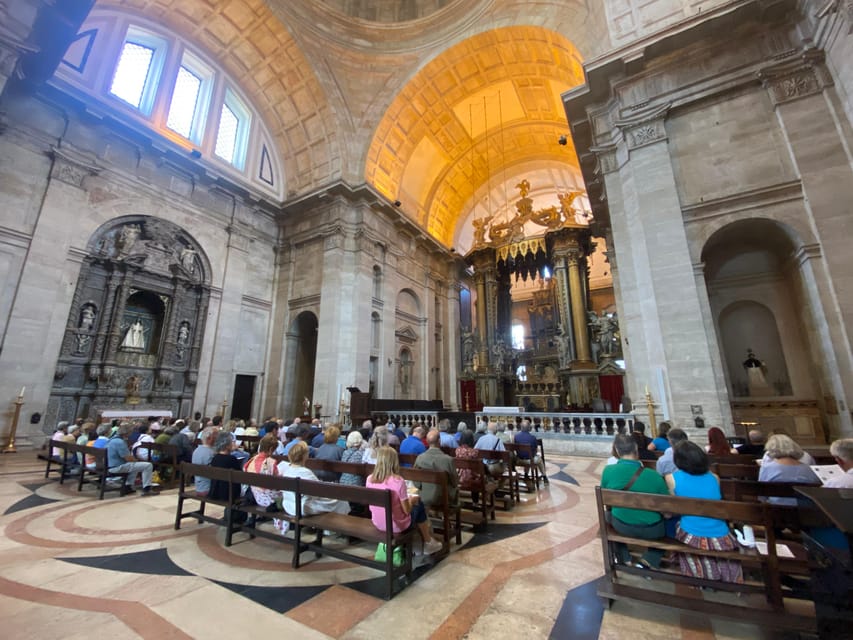
Your meeting point is straightforward: the ticket office is inside the Church of São Vicente de Fora. When you arrive, treat the church area as your orientation hub. Pick up your ticket, grab the provided map flyer, then start moving at a relaxed pace.
If you prefer calm sightseeing, this matters. A lot of Lisbon monuments can feel like a line with buildings attached. This one is specifically noted as a not-crowded monument, which helps you actually look at details instead of doing the fast-scan.
Self-guided flow: how to move through the monastery without getting lost
You are not stuck in a rigid tour script. The ticket gives you access to the areas that are part of the circuit, with explanation panels sprinkled throughout. You can skim panels when you want, then spend your time where your eyes grab you.
Here is the order I recommend, based on the key spaces listed for the visit:
1) Start with the church and tile-rich areas, so your first impressions are the strongest
2) Then move through rooms tied to royal and religious life
3) Save the exhibitions and viewpoint for when you have built up the context
If you want to get the most out of the history, do not just chase the biggest rooms. Spend a little extra time with the panels. They connect the why, not only the what.
Entering the tile world: baroque glazed panels in their original place
This is the heart of the experience. The monastery is especially known for having the largest collection of baroque glazed tiles in Portugal that are still in their original setting, in situ. That phrase matters because it changes how you experience tiles.
If tiles are just decorative backdrops, you see art. If they are installed as part of a functioning space across centuries, you start to see how art supported power, devotion, and everyday identity.
You will likely notice two things quickly:
- The tiles are not “one room, one design.” They are spread across meaningful spaces.
- The colors and patterns feel purposeful because they sit inside architecture, not behind glass.
You do not need to be a tile nerd to enjoy this. Just give yourself time to walk slowly and look from different angles. Even the best photos can’t show how the surfaces relate to walls and light.
A monastery built in layers: from Afonso Henriques to Filipe I
The building’s story starts with the 12th century. It was founded by D. Afonso Henriques, then rebuilt in the 16th century by D. Filipe I, who is also II of Spain. That timeline helps you understand why the monastery feels both medieval and later refined.
Today, it is considered a strong example of the Mannerism style in Portugal. Mannerism can sound like art-school talk, but in practical terms it means the design feels intentional, controlled, and slightly dramatic.
As you move through rooms, watch for how the later additions and re-use by different dynasties seem to “grab the frame” and fill it with their own symbols. That is what makes the tile collection and royal spaces feel like more than decoration.
A few more Lisbon days, taken slowly



The medieval cistern and the marble-inlaid sacristy
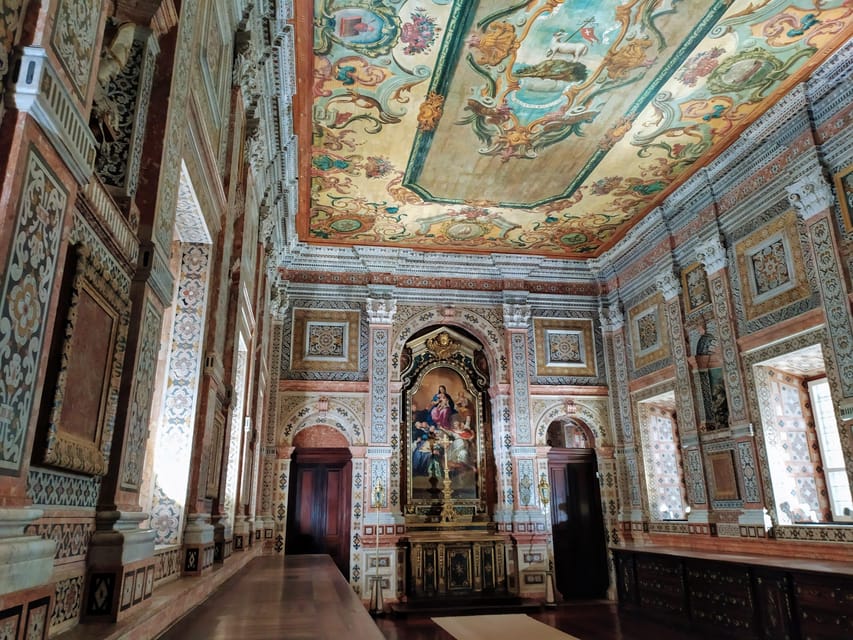
Two standout spaces are surprisingly different in feel, which is a good thing during a self-guided visit.
First is the medieval cistern, described as a cistern from the 12th century that still works. When a place like this is still functional in some way, it adds weight to your visit. You are not only touring a museum-like shell, you are seeing infrastructure that once mattered for daily life.
Second is the sacristy, where the walls are fully decorated with inlaid marbles. Instead of tiles, you get marble patterns and a different kind of craftsmanship. It is a real contrast, and it breaks up the tile-heavy portions so you do not get visual fatigue.
If you are short on time, do not skip either. Together, they show the monastery’s range: water, ritual space, and art all living under one roof.
Bragança Dynasty power in the Royal Pantheon
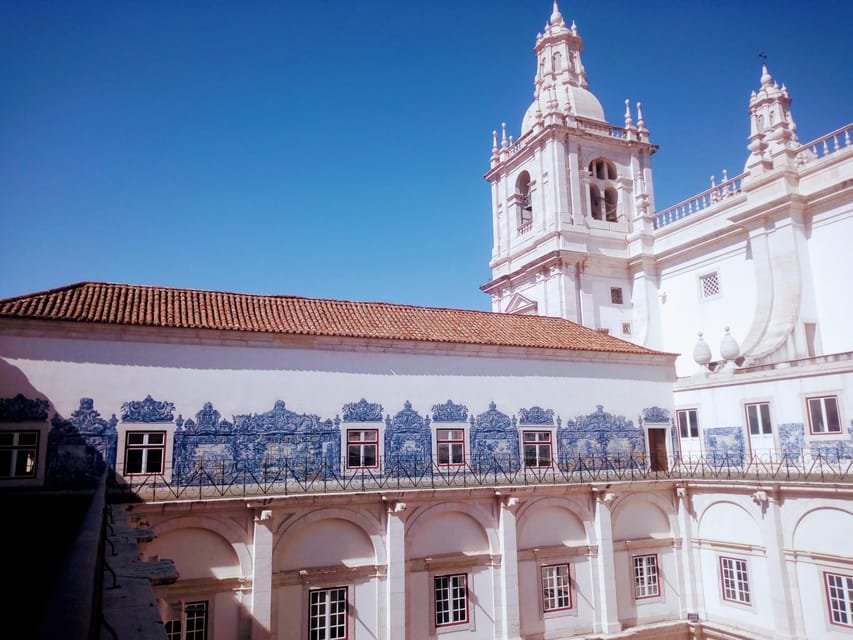
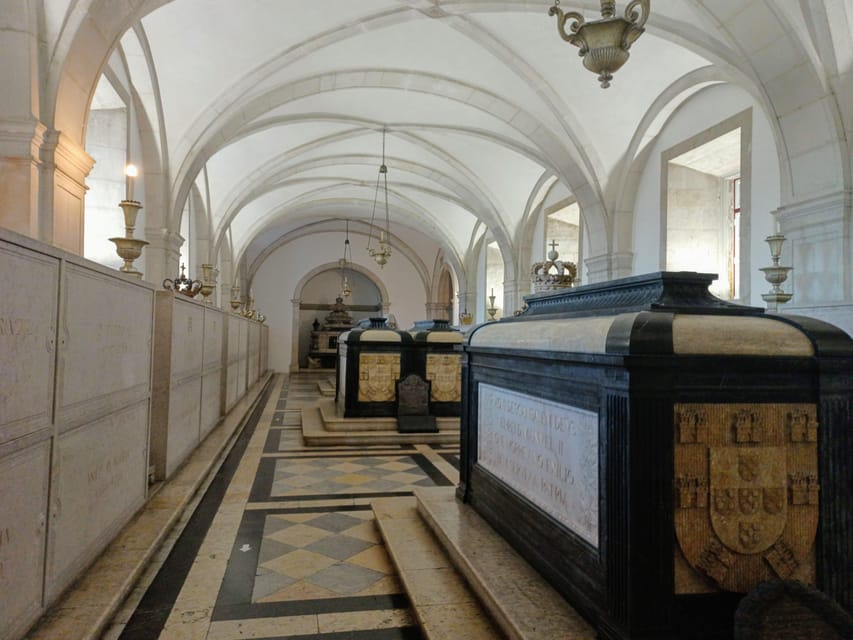
This is where the monastery becomes a statement about Portuguese ruling power. Through the Royal Pantheon of the Bragança Dynasty, you connect directly to the last Portuguese royal family being entombed there.
Even if royal history is not your hobby, this section gives you a clear sense of why these spaces were treated with care and symbolism. It is not just “royals are here,” it is “royals are part of the building’s purpose.”
I like to treat this stop like a pause button. Slow down, read the explanatory panels, then look around. The building’s tone changes when you move from art and architecture into memorial space.
La Fontaine fables on glazed tiles: a clever exhibition stop
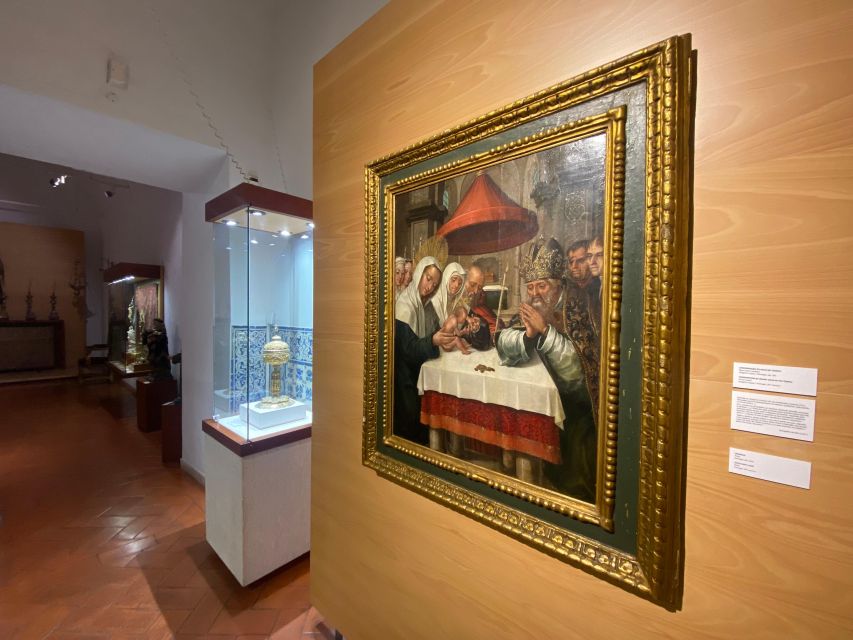
One of the best surprises is the exhibition presenting 38 fables by Jean de La Fontaine through glazed tile panels. This part can feel like a change of pace, but it actually fits the monastery well.
Tiles are often thought of as religious or decorative. Seeing a literature theme translated into glazed art helps you understand the broader role of tile work in Lisbon culture.
Practical tip: give yourself time here to read the panels as you look. If you skip the text, you will miss the point of why these fables were chosen and how the scenes are designed.
Panoramic view over Lisbon and the river
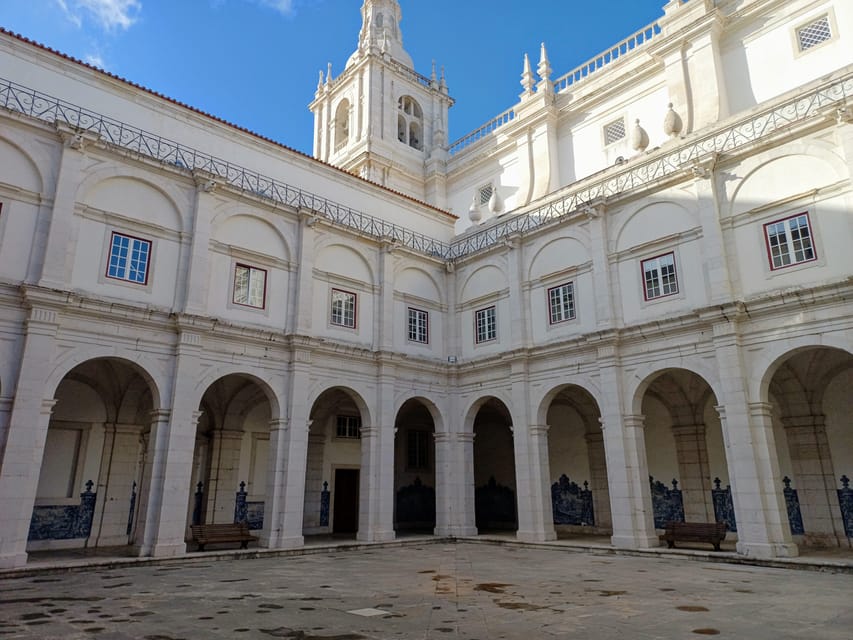
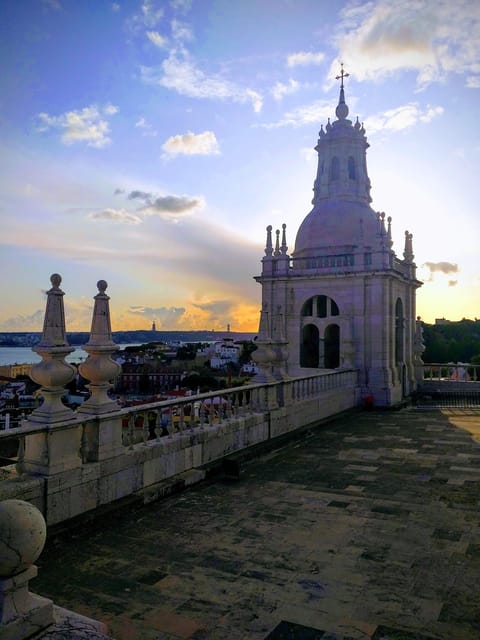
Then there is the view, and it is not a throwaway. The monastery includes a panoramic view over the city and the river, and this is one of the reasons the ticket feels complete.
After you spend time indoors with tiles, stone, and memorial spaces, the outdoor perspective helps you reset your brain. You get a sense of how this monastery fits into Lisbon’s geography.
For best results, take the view in stages:
- First, look for the broad shape of the river and major city areas
- Then, scan for where you think your route might go next
- Finally, return to details around you, because the monastery itself is part of the composition
Price and logistics: simple ticket, no frills (and that can be good)
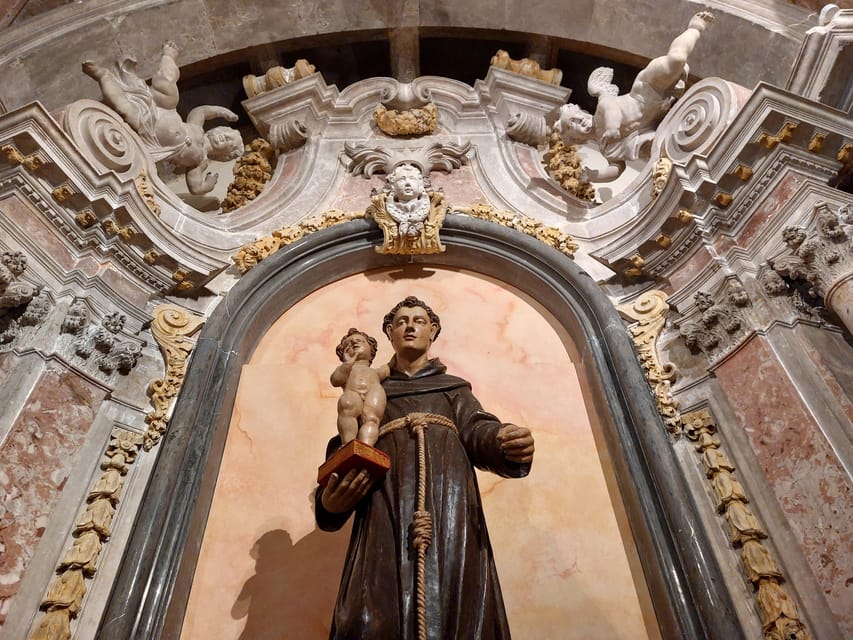
Let’s talk value. $9 is budget-friendly for a monument that includes access to exhibitions and multiple major spaces, plus panels and a map flyer. You are not paying extra for a timed entry tour, and you are not required to join a group.
The only “cost” is that you supply your own context. Because there is no guided tour and no audio guide, the experience depends on how much you enjoy reading those explanatory panels and following your own pace.
This ticket is also limited to areas within the circuit. If you were hoping to wander into restricted or off-path areas, that is not part of what the ticket includes.
What to expect in the practical rules (and how to plan around them)
This is a working heritage site, so there are clear restrictions. No smoking, no food and drinks, and no luggage or large bags are allowed. Alcohol and drugs are also listed as not allowed.
So how do you plan smoothly?
- Travel light. If you have a bigger bag, you may want to rethink what you carry into the monument
- Keep water and snacks out of the visit plan, since you cannot bring food and drinks in
- Expect to use the provided bathroom on site rather than counting on quick breaks elsewhere
Also, the tour includes bathroom access, which is a real quality-of-life point for a 1-day ticket.
Who this monastery ticket suits best
I think this is a great fit if you:
- Love azulejos and want them in context, not as souvenirs
- Want a monument tied to Portuguese history, from early founders to the Bragança era
- Prefer a calmer visit where you can linger, not shuffle
- Like mixing architecture, art, and a small exhibition you can absorb at your own pace
You might want a different option if you strongly prefer guided interpretation. With no guide and no audio guide, you will rely on panels and your own curiosity.
Should you book? My honest decision guide
Book it if you want a cost-effective Lisbon highlight that covers multiple “best of” themes in one stop: tiles in original place, Portuguese royal history, a working medieval cistern, and a viewpoint over the river.
Skip it or add a guide elsewhere if you need a narration-heavy experience. This is self-guided by design. If you enjoy reading and wandering, that is a plus. If you get bored without live commentary, you may feel like parts are missing context.
If you are choosing between spending money on a pricier tour or buying a simple ticket, this one offers a lot for the price: you get entry to the main spaces and exhibitions, plus you are not forced into a group schedule.
FAQ
How long is the experience?
The duration is 1 day, and the ticket is valid for 1 day.
Where do I get my ticket?
The ticket office is inside the Church of São Vicente de Fora.
Is this a guided tour?
No. A guided tour is not included, so you will explore the monastery on your own.
Is an audio guide provided?
No. An audio guide is not included.
What is included with the ticket?
Your ticket includes entry to the Monastery, access to all exhibitions and areas, bathroom access, informative and explanatory panels, and a flyer with a map and brief descriptions.
Are all areas of the monastery included?
Access is provided for the areas within the regular circuit. Access to areas out of the circuit is not included.
Are there language options?
Yes. A host or greeter is available in English, Spanish, French, Portuguese, and Italian.
Can I bring luggage or large bags?
No. Luggage or large bags are not allowed.
Can I cancel and get a refund?
Yes. Free cancellation is available up to 24 hours in advance for a full refund.
What Lisbon sent us most recently
- From Lisboa: Sintra, Cabo da Roca & Cascais Private Full Day Tour
★ 5.0 · 39 reviews - Best of Sintra and Cascais Private Full Day Tour
★ 5.0 · 39 reviews - Private Sailing tour in Lisbon – Day Time, Sunset and Night
★ 4.5 · 39 reviews - Tuk Tuk Lisboa – Sightseeing Tours
★ 4.5 · 39 reviews - Private Experience Óbidos Nazaré and Fátima or Aveiro and Óbidos
★ 5.0 · 39 reviews - Belém and Jerónimos Monastery Private Walking Tour & Ticket
★ 4.5 · 39 reviews - Lisbon Private Luxury Tour
★ 4.5 · 39 reviews - Exclusive Lisbon Progressive Dinner & Wine Tour
★ 5.0 · 40 reviews
Tickets, compared.



Livraria Lello Entry Ticket & Foundation Option
Read our review →
Quinta da Regaleira Skip-the-Ticket-Line Entry & Audioguide
Read our review →