
Reviewed · PORT WINE LODGES & TASTINGS
Port Wine Lodges Tour Including 7 Port Wine Tastings (English)
Seven sips, three cellars, one afternoon.
What makes this tour click is the way it ties Port houses to real Porto landmarks, then finishes with views and a tasting workshop. You start near the D. Luis Bridge area, head into Vila Nova de Gaia’s cellars, and come out with a clearer sense of how Port works, not just how it tastes.
I especially like the 7 Port tastings, because they are spread across multiple styles instead of repeating the same pour. I also like the 3 port houses approach, so you see how different producers present their history and aging methods.
One consideration: you’re on your feet for about 4 hours, with a maximum walk stretch of around 800 m, so plan breaks mentally between tastings.
In This Review
- Key highlights and what they mean
- Meeting By D. Luis Bridge and Getting Oriented Before You Sip
- Vila Nova de Gaia Cellars: The Real Stage for Port
- Touring a Prestigious Producer’s Museum and Cellar Stop
- Reserve White and Reserve Tawny Tastings, Plus How Port Families Work
- The Old Cellar Interactive Center: Barrels, Cork Production, and Ruby Port
- Interactive Douro Valley Interpretation and Terrace Views Over Porto
- The Wine Workshop: Pair Port With Food, Not Just With Opinions
- Value Check: 7 Tastings, 3 Houses, and a 62.88 Price Tag
- Who This Port Wine Lodge Tour Is Best For
- Should You Book This Porto Walkers Port Wine Tour?
- FAQ
- How long is the Port wine lodges tour?
- How far do you walk during the tour?
- What time does the tour start?
- Where do I meet the tour?
- Where does the tour end?
- Is the tour offered in English?
- What does the tour include?
- Is lunch or food included?
- What is the minimum drinking age?
- Can I cancel and get a full refund?
Key highlights and what they mean
- 7 tastings in one afternoon: you learn by tasting, not by reading.
- Three different Port houses: you get perspective on how producers explain their process.
- Guided cellar and museum time: you see barrels and storage methods up close.
- Interactive visitor centers: cork production and Douro Valley education are built into the visit.
- Terrace views over Porto: the scenery gives your brain a breather between sips.
- Food pairing workshop: you leave knowing what to eat with Port, not only what to drink.
Meeting By D. Luis Bridge and Getting Oriented Before You Sip
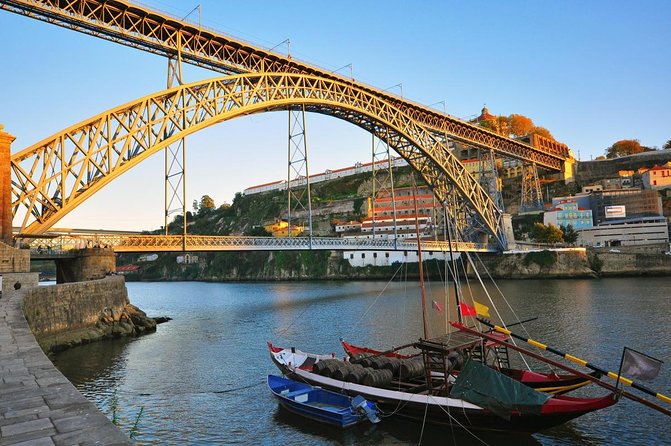
Your tour starts at 3:00 pm on the Porto side, by the pillars of the old Pensil bridge next to the D. Luis Bridge (lower level). Look for a guide in a red jacket that says porto walkers. If you arrive early, take a minute just to orient yourself along the riverfront, since the walk is designed to connect the city with the cellars in Vila Nova de Gaia.
From the start, the pacing feels practical. The first part of the experience is an orientation walk, with your guide setting up what you’re going to see and taste. That matters because Port can seem confusing at first, especially if you only know a few names from bottles at home.
This is also where you’ll get the rhythm of the tour, all walking, with no long bus transfers. The farthest walk is listed as about 800 m, so it’s not a hike. Still, plan to wear comfortable shoes, because cellars and museums have their own floors and stairs.
More Wine Tours in Porto
- From Porto: Douro Valley w/ Boat Tour, Wine Tasting & Lunch★ 4.7 · 19,061 reviews
- Complete Douro Valley Wine Tour with Lunch, Wine Tastings and River Cruise★ 5.0 · 12,920 reviews
- Porto: Douro Valley with Winery Lunch, Tastings & Cruise★ 4.7 · 7,002 reviews
- Porto: Live Fado Show with Glass of Port Wine★ 4.8 · 6,498 reviews
Vila Nova de Gaia Cellars: The Real Stage for Port
Port is made in the Douro Valley, aged and sold through the business network centered in Vila Nova de Gaia. That’s why starting on this side of the river is smart. You’re not just sightseeing Porto rooftops, you’re in the working world where Port is stored, aged, bottled, and interpreted for visitors.
As you move along, you’ll get the feel of why these areas are cool and shaded. Port maturation depends on temperature stability, and the architecture of the cellars is built for it. Even before you reach the tastings, you’re learning how the “place” is part of the product.
A lot of the tours that sound great on paper fall flat if they stay too generic. Here, the walking orientation acts like a storyboard. When you later see barrels and cork production, it won’t feel random, because your guide has already connected each stop to the story of Port.
Touring a Prestigious Producer’s Museum and Cellar Stop
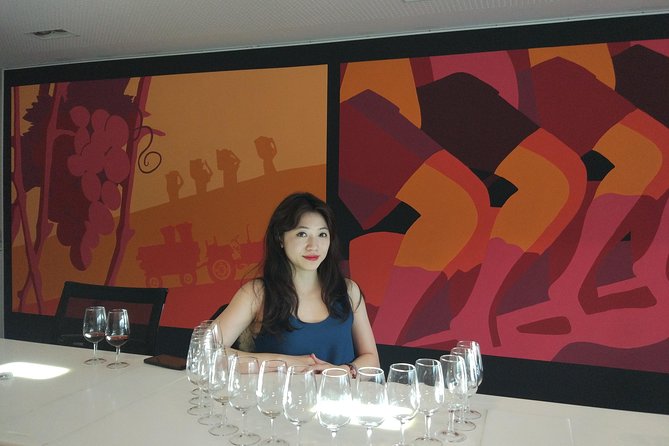
One of your Port house visits includes a museum and cellar tour at a major, well-known producer in Vila Nova de Gaia. This is the kind of stop that helps you understand Port as an organized system: where wine becomes Port, how it’s matured, and how the house presents its approach.
You’ll get guided time inside the museum and then in the cellar itself. That pairing is useful because it reduces the “mystery box” effect. Museum time gives context. Cellar time gives proof, meaning you see storage setups and the physical reality of aging.
This portion also sets you up for the tasting styles later. When a guide explains what Reserve White and Reserve Tawny are supposed to taste like, you’ll have already seen how cellars and aging practices fit into the final flavor. It’s an easier way to learn than tasting first and guessing second.
Reserve White and Reserve Tawny Tastings, Plus How Port Families Work
Tasting is the heart of this tour, and you’re not thrown a single pour and sent along. You’re guided through Reserve White and Reserve Tawny tastings, with your guide explaining the difference between Port wine families and what makes Port distinct from other wines.
Reserve White is often a great starter if you want something less “heavy” in your mind. Tawny Reserve is usually where people’s tastes shift, because the aging approach tends to bring caramel-like notes and softer structure compared with some other styles. The key is that you’re learning the logic behind those differences, not memorizing brand names.
If you’ve ever felt like Port labels are written in code, you’ll appreciate how this tour turns categories into something you can taste. One guide approach that shows up in feedback is the way hosts explain Port in a clear, playful way. Names like Alex, Kevin, and Cyril come up often as guides who can make the rules feel easy to remember.
Practical tip: between tastings, don’t rush your notes. If something clicks, jot down what you notice, like texture (light versus rich) or aroma direction (fruit, nuts, spice). Later, when you’re choosing bottles, you’ll remember the feeling faster than you’ll remember the lecture.
The Old Cellar Interactive Center: Barrels, Cork Production, and Ruby Port
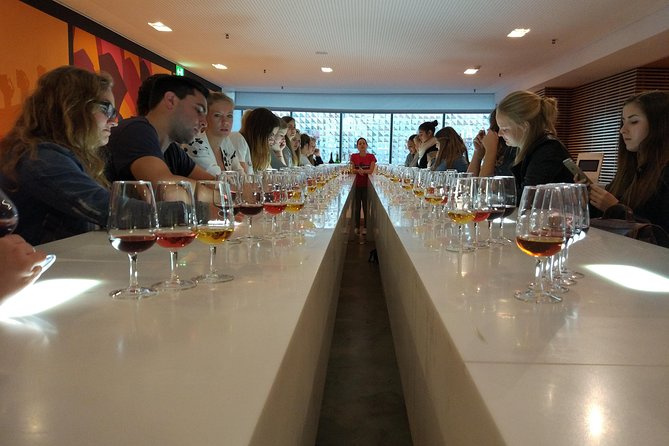
Next comes an old cellar transformed into an interactive visiting center. This is where the tour adds hands-on learning and visual explanation. You’ll learn about the barrels used to store Port wine, and you’ll also learn how the cork is produced. That cork piece matters more than people think, because cork type and closure handling are part of quality control and aging outcomes.
Then you move into a tasting of young Ruby Port. Ruby is often the style people associate with bold fruit character. It’s a useful contrast to the Reserve White and Reserve Tawny you’ve already sampled. If you’re trying to learn Port as a “family” of styles, Ruby is a strong anchor point.
This stop also tends to be where the pacing can feel more presentation-driven. One criticism I saw in feedback described a less interactive, more classroom-style moment at a tasting setup. So here’s my straight advice: if you like to ask lots of questions, hold your biggest questions for the guide when you’re walking between places, not during the quiet moments.
Even with that caution, the overall design still works, because you’re not stuck in one room. Cork, barrels, tasting, then movement again. It keeps your attention moving, even if a single segment leans more informational.
More port lodges across the river:

Interactive Douro Valley Interpretation and Terrace Views Over Porto
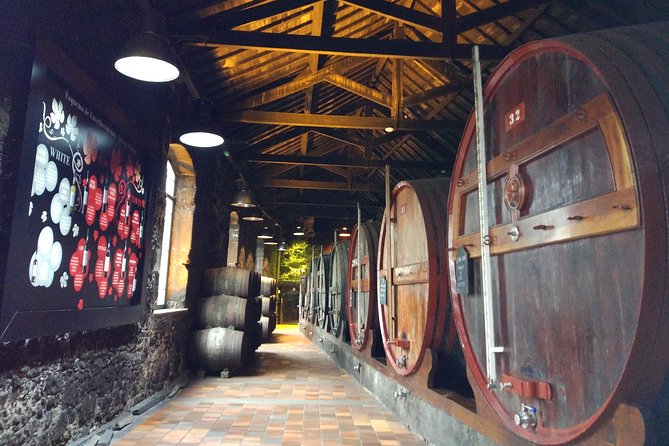
Another highlight is the interactive Port wine interpretation center dedicated to teaching about the Douro Valley, described as the oldest wine region in the world. You’re not just tasting Port as a product, you’re learning the origin story and the regional identity that shapes the wine.
This part also sets up why Port behaves differently than many other European wines. The Douro is tied to a specific climate, grape style, and winemaking approach. When you understand that origin, Port doesn’t seem like a random dessert wine category. It looks like a carefully defined tradition.
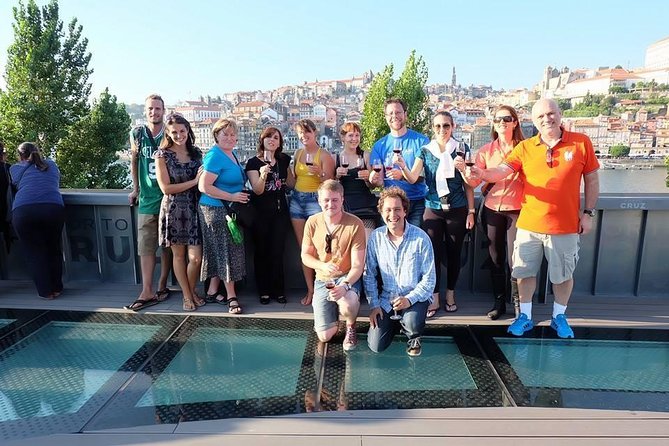
Then comes the terrace. You’ll end the tour with scenic views over Porto from the terrace area at the center. That’s a small detail, but it’s a big deal in practice. After tasting multiple styles, a quick visual break helps you reset. It also makes the tour feel like more than a “run from place to place” tasting spree.
The Wine Workshop: Pair Port With Food, Not Just With Opinions
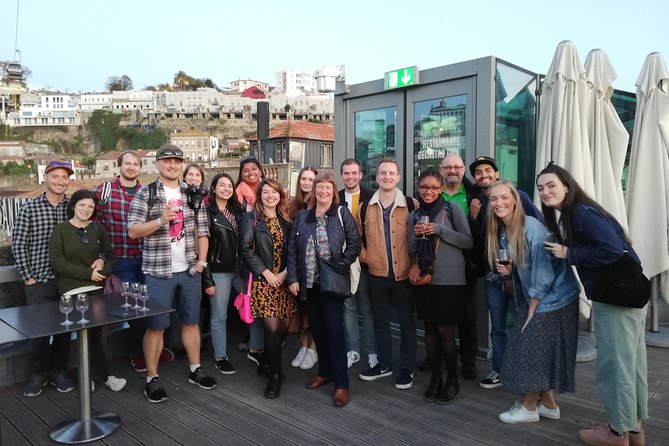
Toward the end, you’ll join an exclusive wine tasting workshop featuring different wines, and you’ll also learn how best to pair Port with food. This is where the experience becomes personally useful, especially if you plan to eat well during the rest of your Portugal trip.
Pairing advice is often too vague in wine tourism. Here, the workshop format helps you connect Port style with food logic. Expect instruction on what kinds of dishes work with Port sweetness, acidity, and aging character. This is perfect if you’re going to try Portuguese meals after the tour, or if you want a smarter way to order wine at dinner instead of defaulting to whatever looks easiest.
If you’re a Port novice, this workshop is a confidence builder. If you already love Port, it gives you a framework for experimenting without guessing. Either way, it’s the kind of learning that actually travels home with you.
Value Check: 7 Tastings, 3 Houses, and a 62.88 Price Tag
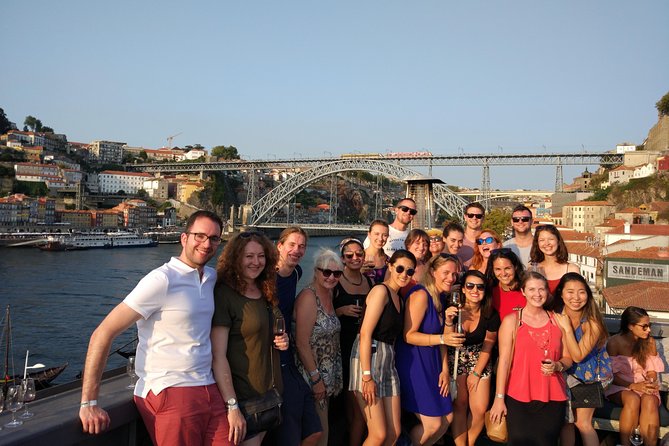
At $62.88 per person, this tour is priced like a true “taste and learn” activity, not a cheap city walk with a single sample. The value comes from the math: 7 tastings plus guided access to three port houses and multiple learning stops, all within about 3.5 to 4 hours.
What makes that pricing feel fair is how much variety you get. Reserve White and Reserve Tawny are different enough that you learn something real from the contrast. Adding young Ruby later reinforces the concept of Port families. Then the workshop expands your palate into pairing logic and additional tasting options.
You’re also walking in a structured loop that keeps travel time low. There’s no hotel pickup and no lunch included, so you should treat it as a late afternoon tasting block rather than a full-day meal plan. If you start hungry, you’ll feel it by the later tastings.
My practical advice for best value: eat a solid meal before the tour, and carry a small snack if you’re the kind of person who gets sluggish without food. Since food and snacks are not included, it can save your mood if one tasting room doesn’t offer anything to nibble.
Group size is capped at a maximum of 18 travelers, which usually helps with the guide experience. Smaller groups tend to mean fewer awkward pauses, and it’s easier to hear explanations without craning your neck.
Who This Port Wine Lodge Tour Is Best For
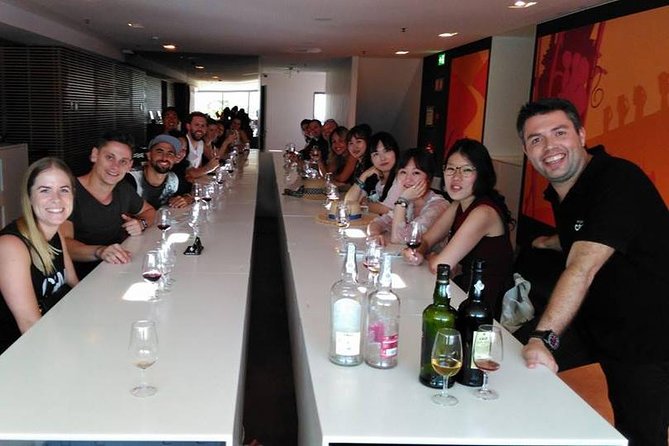
This is a great fit if you want a guided Port education that still feels relaxed. The tour is built for people who like real footsteps, cellars, and practical learning. If you enjoy history but also want a sensory payoff, this balances both.
It’s especially good for:
- First-time Port drinkers who need help sorting styles into a simple mental map.
- Wine lovers who already know some categories and want a tasting framework plus pairing guidance.
- Anyone staying in Porto who wants a half-day activity that ends in scenic spots on the Gaia side.
If you hate walking at all, or if you want long seated time with minimal moving, you might find the pacing a bit brisk. The maximum farthest walk is about 800 m, but the tour is still described as all walking.
Also consider the tasting environment. The tour includes multiple cellar and visitor center stops, and at least one setup can feel presentation-heavy. If you prefer purely social tastings with lots of free-flow discussion, you may want to plan to ask your questions as you move between venues.
Should You Book This Porto Walkers Port Wine Tour?
Book it if your goal is to understand Port by tasting it across styles, and if you want a guided route through real Vila Nova de Gaia cellars and visitor centers. I think the biggest reasons to choose this tour are the 7 tastings, the mix of Port houses, and the way the workshop covers pairing so you can use what you learn right away.
Skip it or compare if you’re sensitive to presentation-style moments, or if you’re expecting food to be part of the ticket. This is a tasting-focused afternoon, not a meal experience. Go prepared with water, comfortable shoes, and ideally a snack, and you’ll get the most out of the cellars, the interactive learning, and the terrace views over Porto.
FAQ
How long is the Port wine lodges tour?
The tour is listed at about 3 hours 30 minutes (approx.), with a 4-hour tour duration noted as all walking.
How far do you walk during the tour?
All walking is part of the experience, and the farthest walk is listed as 800 m.
What time does the tour start?
The start time is 3:00 pm.
Where do I meet the tour?
Meet at Pilares da Ponte Pênsil, Ribeira, 4000-509 Porto, Portugal, by the pillars of the old Pensil bridge next to the D. Luis Bridge (lower level) on Porto’s side.
Where does the tour end?
It ends on the Gaia side at Av. de Diogo Leite 135, Vila Nova de Gaia, Portugal, at a Port tasting venue.
Is the tour offered in English?
Yes, it is offered in English.
What does the tour include?
It includes 7 Port wine tastings, a local English-speaking guide, all fees and taxes, wine lodge entry tickets, and visits to 3 Port houses.
Is lunch or food included?
No. Lunch, food, and snacks are not included.
What is the minimum drinking age?
The minimum drinking age is 18 years.
Can I cancel and get a full refund?
Yes. Free cancellation is available if you cancel at least 24 hours in advance for a full refund. If you cancel less than 24 hours before, the amount paid is not refunded.
Adegas, Pouring Slowly
- From Porto: 2 Wine Regions, Farm-to-Table Lunch & Boat
★ 4.9 · 5,724 reviews - Douro Valley: Historical Sites, Wine Experience, Lunch & Cruise
★ 5.0 · 5,133 reviews - Authentic Small Group Douro Wine Tour with Lunch & River Cruise
★ 5.0 · 4,775 reviews
What Porto sent us most recently
- Douro Tour with Wine Tasting, River Cruise and Visit to Lamego
★ 5.0 · 118 reviews - From Porto: Full-Day Douro Historical Tour
★ 4.6 · 120 reviews - Porto: Sunset Cruise on the Douro River & Iconic Bridges
★ 4.1 · 122 reviews - 4-hour Guided Porto Pub Crawl with 6 drinks and VIP CLUBentry
★ 4.5 · 124 reviews - From Porto with view to Gaia: Private Bike Tour #DuckSideOfPorto
★ 5.0 · 124 reviews - Porto Food Half-Day Tour
★ 5.0 · 124 reviews - Douro Valley Half-Day Tour with Winery and Lunch From Porto
★ 5.0 · 125 reviews - MagicTrain Tour and Port Wine Cellar Visit & Tasting
★ 3.0 · 125 reviews
Port Wine Lodges & Tastings, compared.
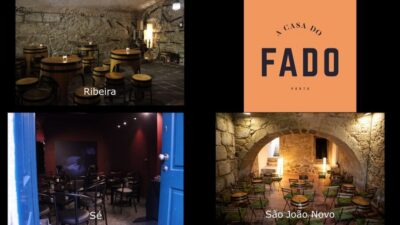

Live Fado Show with Port Wine at Lisboa em Fado
Read our review →
Bridges Cruise & Sunset & Port Wine Cellar Option
Read our review →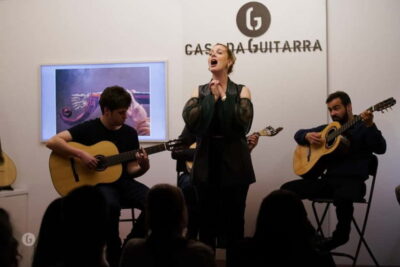
Fado & Port Wine in Traditional Portuguese Music Shop
Read our review →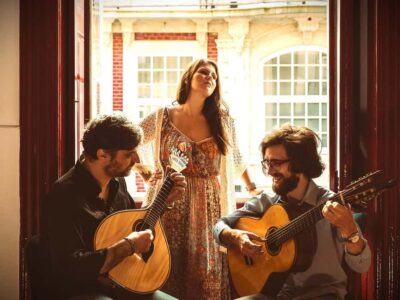
What is Fado? Commented Live Concert with Port Wine
Read our review →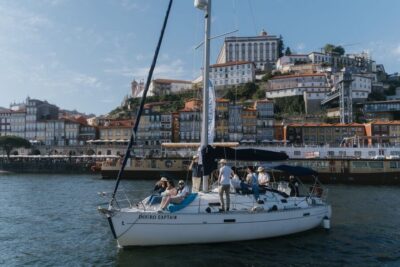
Charming Sailboat Cruise with Port Wine,Sunset Option
Read our review →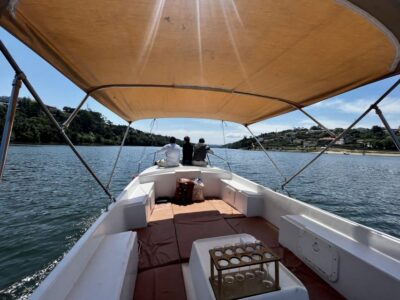
Douro River Boat Cruise with Port Wine Tasting
Read our review →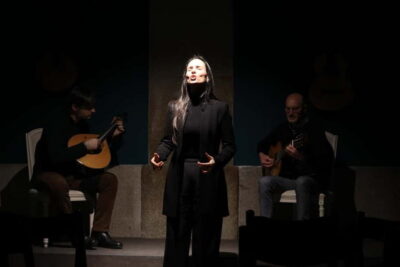
Intimate Fado Show & Port Wine in Trindade Noble Hall
Read our review →Browse the lists this tour appears in