
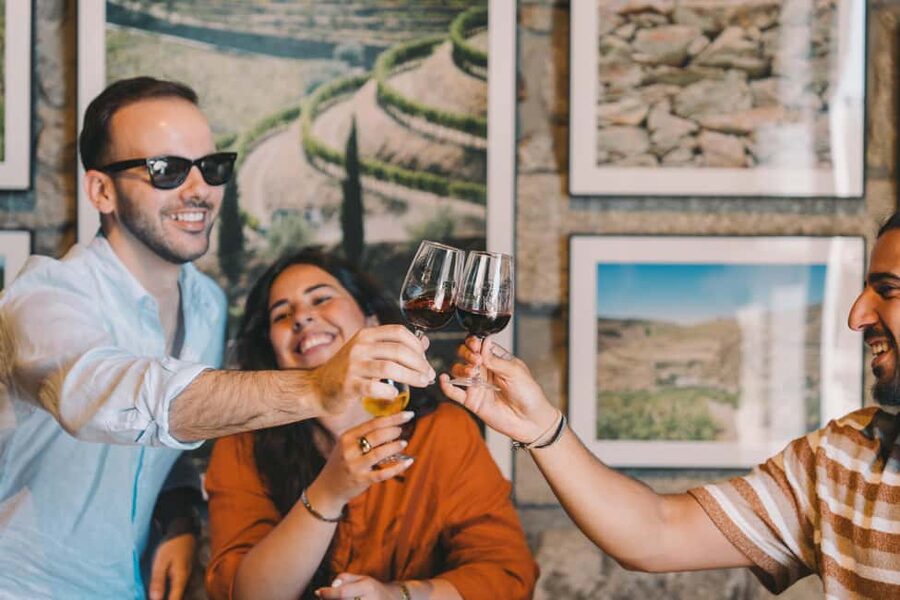
Reviewed · WINE TOURS
Porto: Port Cellar Visit and Wine Tasting at Fonseca
Bin 27 tastes like Porto itself. In Fonseca’s cellars, you follow the Port story from the Douro Valley to what’s in your glass, with views over the river and Dom Luís I bridge. It’s a self-guided visit that still ends with a proper tasting moment.
I especially like the 200-year-old cellars and the museum-style explanations that make the process easy to follow at your pace. I also like that the tasting experience centers on Fonseca’s signature Bin 27, paired with an extra dry white pour and plenty of staff support in the tasting room.
One thing to consider is that this is a self-guided walk on uneven, steep surfaces, so if walking is hard, this may not be your best Porto plan.
Key points to know before you go
- 200-year-old Fonseca cellars with a self-guided route and audio help
- History back to 1815, tied to how Port is made
- Douro Valley and Quinta do Panascal explained as the origin story
- City and bridge views from the tasting area window
- Bin 27 plus an extra dry white pour in the included tasting
- QR code info in multiple languages, great if you prefer reading
In This Review
- Fonseca Cellars in Porto, where Port meets big-city views
- A self-guided audio tour with QR code support in 6 languages
- What 1815 history and Port-making basics look like in real life
- Douro Valley uniqueness, explained for people who are not wine academics
- The tasting finale: Bin 27 and a crisp Siroco extra dry white
- The window moment over Porto and Dom Luís I bridge
- Value check: $18 for a Port crash course plus tasting
- Practical tips so your visit stays easy and enjoyable
- Should you book the Porto Fonseca Port Cellar Visit?
- FAQ
- How long is the Fonseca Port Cellar Visit and Wine Tasting?
- What is included in the tasting?
- Is the tour guided or self-guided?
- What languages are available for the audio guide?
- What are the opening hours?
- Is this experience suitable for people with mobility issues?
Fonseca Cellars in Porto, where Port meets big-city views
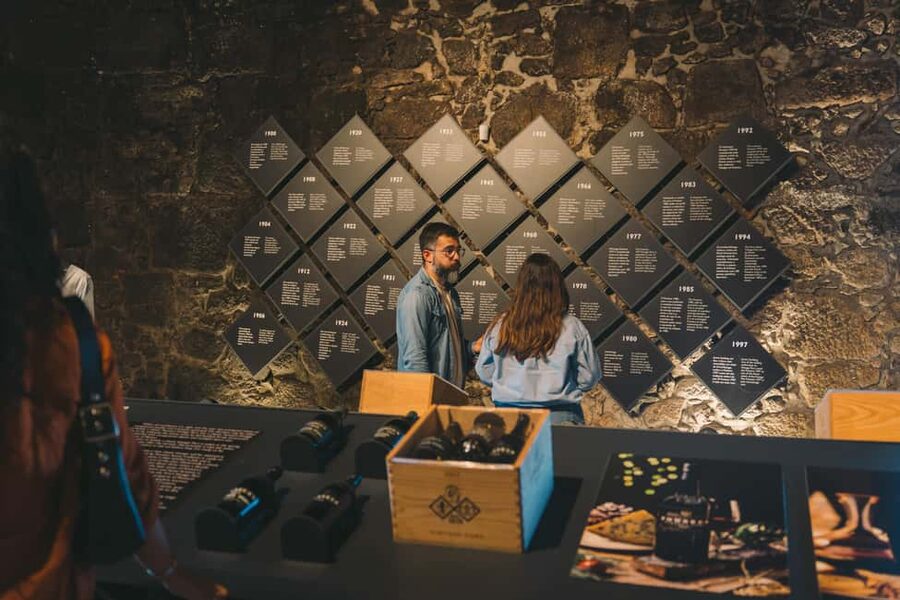
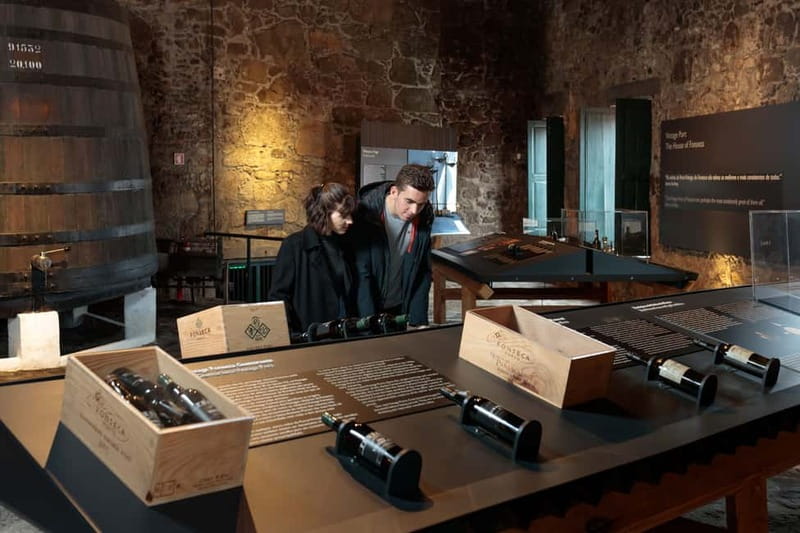
Port houses in Porto can feel like two things at once: a wine museum and a scenic viewpoint. At Fonseca, you get both, because the visit route leads you through working-style cellar spaces and then ends with a tasting where the Dom Luís I bridge and river views show up right where you can see them.
Fonseca is also one of those names you hear even if you are not a hardcore wine person. The visit frames the brand as serious and long-running, with roots dating back to 1815, so you are not just tasting something good. You are tasting something with continuity.
You should also know the vibe here is not rush-rush. The experience is self-guided on your selected date and hour, so you can slow down for the photos, the objects, and the little learning moments that make Port feel real rather than mysterious.
A self-guided audio tour with QR code support in 6 languages
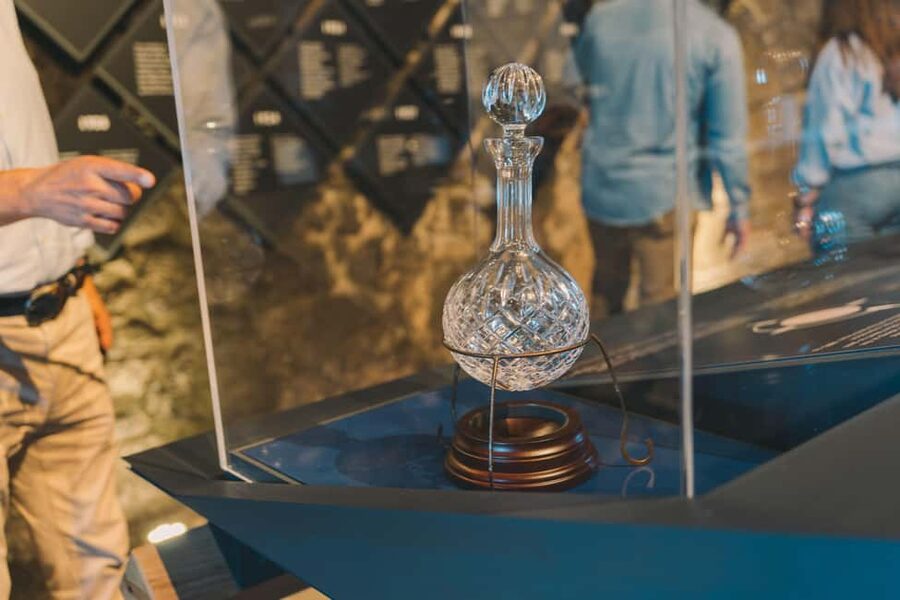
This is not a sit-and-listen lecture for a whole hour. You walk a route through the Fonseca cellars using the included audio guide in Portuguese, English, French, Spanish, German, and Korean.
You also get information displayed in Portuguese and English, with QR codes that bring up more language options like French and Spanish. That matters because Porto can throw you into crowds quickly, and having reading and audio backup lets you choose what works best for you in the moment.
The structure is designed for independent pacing. You decide how long you stay at each stop, whether that is the history displays, the production explanation sections, or the parts that focus on how Fonseca’s Port connects to the Douro Valley.
One practical note: self-guided can be a plus or a minus. The explanations are detailed, and if you prefer quick tours with short stops, you might find some segments a bit lengthy. It is still manageable because you control your pace, but it is good to go in knowing it is more “walk through a well-built exhibit” than “grab-and-go tasting.”
More Wine Tours in Porto
- From Porto: Douro Valley w/ Boat Tour, Wine Tasting & Lunch★ 4.7 · 19,061 reviews
- Complete Douro Valley Wine Tour with Lunch, Wine Tastings and River Cruise★ 5.0 · 12,920 reviews
- Porto: Douro Valley with Winery Lunch, Tastings & Cruise★ 4.7 · 7,002 reviews
- Porto: Live Fado Show with Glass of Port Wine★ 4.8 · 6,498 reviews
What 1815 history and Port-making basics look like in real life
The Fonseca experience is built around the full Port chain of story, from where the grapes originate to what happens during aging. The visit specifically highlights the Douro Valley, and it also points you to Quinta do Panascal, described as the place where Fonseca’s Port wine is born.
You are not guessing what you are seeing. The tour explains the production process of Port wine, including the origin in the Douro and then the aging process, so the cellar spaces make sense instead of feeling like storage rooms.
It also covers sustainable winemaking practices, with Fonseca’s role framed as significant in sustainability. Even if you are not here to judge farming methods, it is useful context because Port is not just a drink, it is a regional product shaped by land management.
And yes, there is a “museum feel” to it. The displays use photography, objects, and the kind of structured layout that helps you build a coherent picture. A few people also mention interactive touches like scent guessing games, which can make the learning section more fun than it sounds on paper.
Douro Valley uniqueness, explained for people who are not wine academics
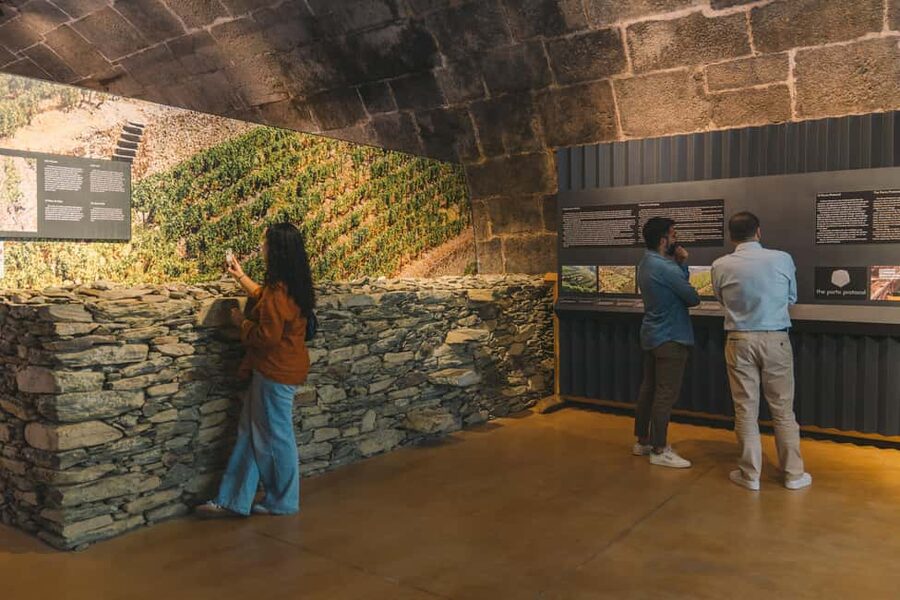
The Douro Valley has a reputation that sounds like it belongs in a geology textbook. Here, the experience tries to translate that reputation into something you can actually understand while walking.
The tour explains what makes the Douro Valley unique, and it ties that uniqueness to Fonseca’s Port origins. You do not need to be a wine expert to follow along, because the narrative stays focused on the origin story and how it impacts the final wine.
This matters for value. If you are skipping a Douro Valley day trip and still want to understand what people mean when they talk about the region, Porto cellars are a good compromise. You get the story in a compact format, without spending a whole day in transit.
If you do plan to visit the Douro later, this can also work like a warm-up. You will arrive with familiar terms like Douro Valley and Quinta do Panascal, and that makes vineyard visits feel less like information overload.
The tasting finale: Bin 27 and a crisp Siroco extra dry white
The tasting part is where the visit becomes memorable, not just educational. At the end of your self-guided walk, you sit down for a commented tasting tied to Fonseca’s signature styles.
The included tasting focuses on Fonseca Bin 27 Port and Siroco extra dry white Port. The visit description also references Terra Prima as part of the tasting experience. Either way, the point is consistent: you are sampling iconic Fonseca expressions that represent different Port styles and sweetness levels.
Bin 27 is the one people talk about. Even if you usually do not reach for Port, this tasting tends to convert people. The experience frames it as iconic, and the reaction is often simple: you taste, you understand what makes it distinctive, and then you want to bring a bottle home.
You will also benefit from staff presence in the tasting room. Several accounts highlight friendly, humorous guidance from the tasting expert. One name that comes up is Cristiano, praised for humor and clear explanations. That kind of human interaction is exactly what you want at the end of a self-guided museum walk.
If you travel with kids, there is a built-in option: grape juice from the Douro Valley for children aged 8 to 17. It keeps the experience inclusive without turning it into a kid-only activity.
The window moment over Porto and Dom Luís I bridge
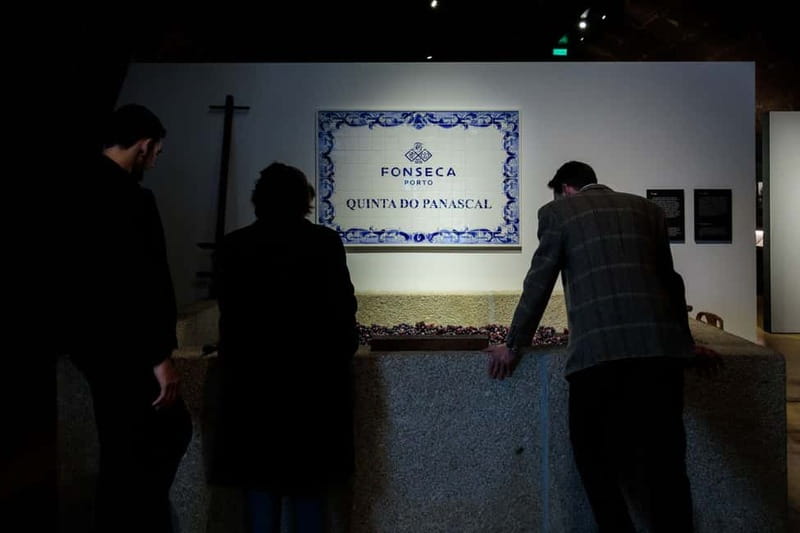
There is a reason people end up lingering after the tasting. In the tasting area, you can sit facing the river and Dom Luís I bridge, which makes your Port moment feel like part of Porto’s postcard.
This is not a minor detail. It changes the whole emotional tone of the visit. Instead of finishing with a plain room and a checkout counter, you end with a visual reward that anchors the wine experience to the city you are actually visiting.
It is also where the “relaxed” feel shows up. You are not racing to the next stop. You take a breath, sip, and look at Porto moving in the background.
And for comfort, there are practical perks, like clean restrooms reported by visitors, so you can focus on tasting and not on logistics.
More Portuguese adegas pouring slowly:
Value check: $18 for a Port crash course plus tasting
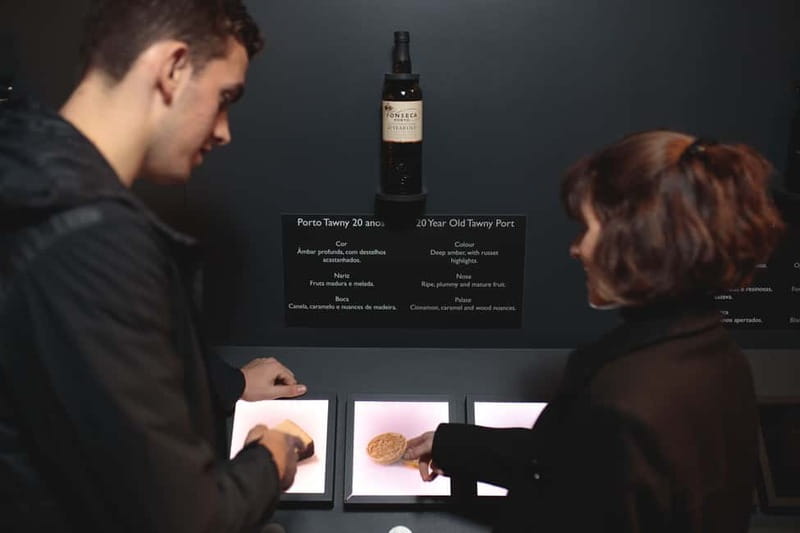
At about $18 per person, this is priced for travelers who want real wine context without paying for a full Douro Valley day trip. The visit includes the self-guided cellar route and your included tasting pours, plus audio guide access and multilingual support.
Here is how I think about the value: you are paying for three things at once. First, access to a well-known Port house with cellar spaces and brand history. Second, a guided learning structure that connects Fonseca to the Douro Valley. Third, time in a tasting room where you can actually taste the wines you just learned about.
If you are comparing it to skipping Port entirely, it is a good deal. If you are comparing it to a vineyard visit, it is not the same thing, but it is a smart alternative when time is tight.
Also, the shop is part of the payoff. People report that bottles are reasonably priced for what you are buying, and one account mentions the signature wine costing around 14 euros per bottle. Prices can vary by season, but the key takeaway is that the tasting does not feel like a one-way ticket. It feels like a place where you can reasonably stock up if you liked what you tasted.
Practical tips so your visit stays easy and enjoyable
Plan your timing around the daily opening window. The Fonseca Experience runs daily from 11:00 to 06:00 pm, with the last entrance in the afternoon. Because you choose an entry time and the tour is self-guided, it helps to book a slot that does not squeeze you between other Porto must-dos.
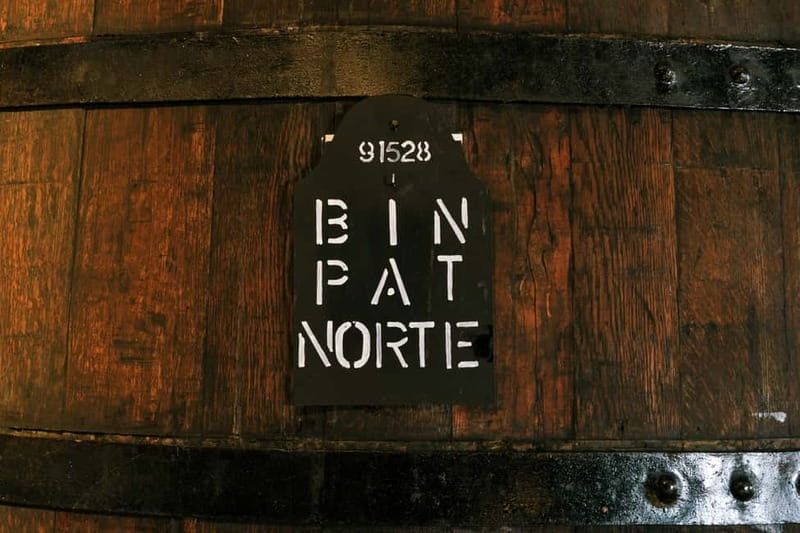
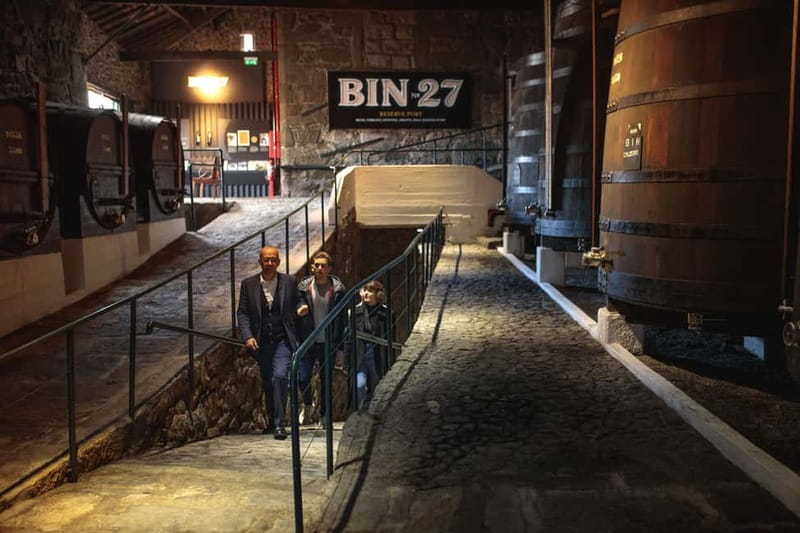
Wear walking shoes. The route includes uneven and steep surfaces, and the experience is not suitable for people with mobility impairments. If you are unsure, treat this as a “walk a lot on stone and slopes” kind of attraction.
If you like structure, use the audio guide from the start. If you prefer reading, lean on the signs and the QR codes for extra language support. Either way, it is worth deciding your approach before you enter, so you do not bounce between audio and boards too much.
One more tip: if you enjoy food pairings, keep an eye out for the modern suggestions mentioned in the tasting context. Port tasting can get abstract fast, and pairing ideas help you translate what you taste into what you would actually do at home.
Should you book the Porto Fonseca Port Cellar Visit?
Book it if you want an easy, efficient way to understand Port in Porto, without the full logistics of the Douro Valley. This is especially good for first-time Port drinkers who want Bin 27 and a comparison style pour like Siroco extra dry white, plus a credible production story tying it all back to the Douro Valley and Quinta do Panascal.
Skip it if walking on steep, uneven surfaces is a problem for you. Also skip it if you hate self-guided experiences that rely on audio and information boards, because this tour does more “read, walk, and listen” than “quick guided show.”
If those two checks work for you, you will likely end up with a very Porto-style souvenir, good wine in hand, and the kind of bridge-and-river view that makes the whole experience feel like more than just a tasting.
FAQ
How long is the Fonseca Port Cellar Visit and Wine Tasting?
The experience is listed as lasting 1 day, and you enter at a selected date and hour. It is self-guided, so your time will depend on how long you take exploring the cellars before the tasting.
What is included in the tasting?
Your included tasting features Fonseca Bin 27 Port and Siroco extra dry white Port. The experience also includes grape juice from the Douro Valley for children aged 8 to 17.
Is the tour guided or self-guided?
It is self-guided. You explore the Fonseca cellars at your own pace using the included audio guide.
What languages are available for the audio guide?
The audio guide is available in Portuguese, English, French, Spanish, German, and Korean.
What are the opening hours?
The Fonseca Experience is open daily from 11:00 to 06:00 pm, with the last entrance in the afternoon.
Is this experience suitable for people with mobility issues?
No. Due to uneven and steep surfaces, it is unsuitable for anyone who has difficulty walking and it is not suitable for people with mobility impairments.
Portugal, Fork First
- Porto: Cálem Cellar Tour, Interactive Museum & Wine Tasting
★ 4.5 · 4,113 reviews - Douro Valley Small-Group Tour with Wine Tasting, Lunch and Boat
★ 5.0 · 3,642 reviews - Porto: Cálem Cellar Tour, Fado Show & Wine Tasting
★ 4.4 · 3,530 reviews
What Porto sent us most recently
- Douro Tour with Wine Tasting, River Cruise and Visit to Lamego
★ 5.0 · 118 reviews - From Porto: Full-Day Douro Historical Tour
★ 4.6 · 120 reviews - Porto: Sunset Cruise on the Douro River & Iconic Bridges
★ 4.1 · 122 reviews - 4-hour Guided Porto Pub Crawl with 6 drinks and VIP CLUBentry
★ 4.5 · 124 reviews - From Porto with view to Gaia: Private Bike Tour #DuckSideOfPorto
★ 5.0 · 124 reviews - Douro Valley Half-Day Tour with Winery and Lunch From Porto
★ 5.0 · 125 reviews - Porto Food Half-Day Tour
★ 5.0 · 124 reviews - MagicTrain Tour and Port Wine Cellar Visit & Tasting
★ 3.0 · 125 reviews
Wine Tours, compared.
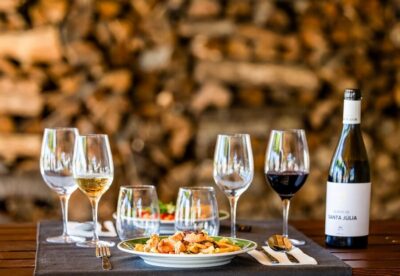
Douro Valley w/ Boat Tour, Wine Tasting & Lunch
Read our review →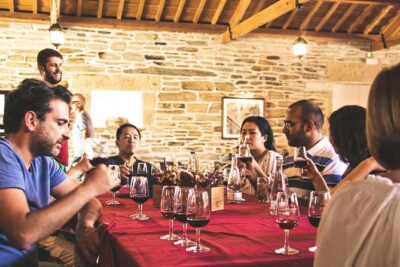
Complete Douro Valley Wine Tour with Lunch, Wine Tastings and River Cruise
Read our review →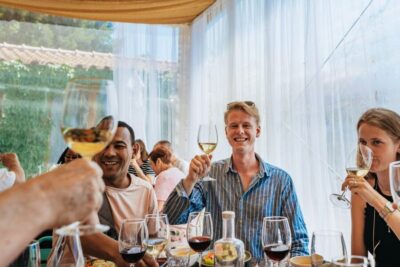
Douro Valley with Winery Lunch, Tastings & Cruise
Read our review →
Winner 2025 Undiscovered Lisbon Food & Wine Tour by Eating Europe
Read our review →
Historical Sites, Wine Experience, Lunch & Cruise
Read our review →
Live Fado Show with Port Wine at Lisboa em Fado
Read our review →Browse the lists this tour appears in