Reviewed · THINGS TO DO IN PORTO
Porto: Tile Painting and Cocktails in Downtown Porto
Porto has a bigger story than buildings. This tile painting and cocktail workshop turns azulejo history into a souvenir you make with your own hands. You start with the background of Portugal’s iconic tiles, then get to paint one that matches the vibe you just learned.
I love how the class keeps it calm, social, and un-rushed. When hosts like Daniella or Danielle guide you, you get practical help and plenty of reassurance, even if you think you cannot draw a straight line.
One thing to plan for: your tile may need extra time to dry, so if you take your time or want extra polish, you might need a follow-up pickup depending on how quickly you finish.
In This Review
- Key highlights worth planning for
- Why This Workshop Works So Well in Porto’s Center
- Finding Boiler Studio Near São Bento, the Cathedral, and the Bridge
- The Azulejo Story You Hear Before You Paint
- What You Actually Do With Your Hands in the Workshop
- The Cocktail Break That Makes It Feel Like a Real Porto Afternoon
- What You Take Home, and How to Transport It
- Price, Value, and Whether It Feels Worth It
- Who This Workshop Is Best For (and Who Might Skip It)
- Timing Tips to Get the Best Experience
- Book It If You Want Porto You Can Hold
- FAQ
- How long is the Porto tile painting workshop?
- How much does the workshop cost?
- Where do I meet for the workshop?
- What is included in the price?
- What languages are offered?
- Is the workshop wheelchair accessible?
- Is there an age limit?
- Can I take my painted tile home?
- Is there free cancellation?
Key highlights worth planning for
- Downtown location by the Cathedral on Rua Chã 77, near São Bento and major sights
- Azulejo history explained in plain terms, from early influences through later Portuguese styles
- Design choices that fit your comfort level, including premade stencils or using your own photo
- Cocktails included, often a Porto-style tonic or a white port and tonic mix
- Beginner-friendly guidance, with patient support so your tile looks good
- Take-home ceramic souvenir, packed in paper so you can transport it easily
Why This Workshop Works So Well in Porto’s Center
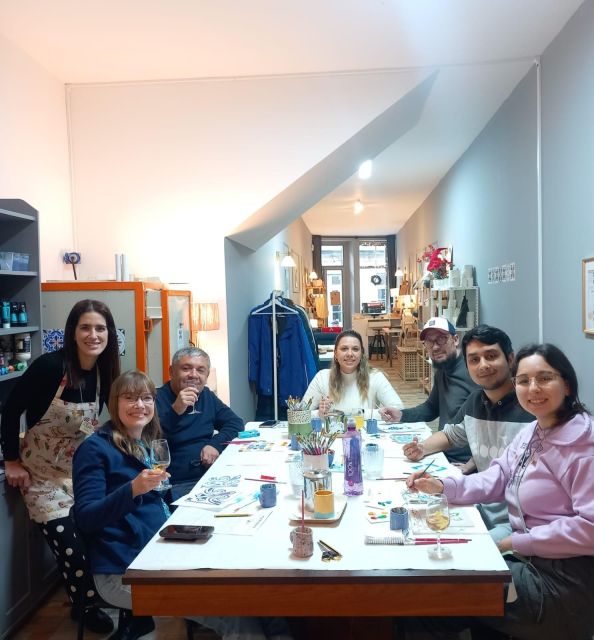
If you are sightseeing all day, you need a break that feels worthwhile. This is not just a craft session in a random room. It sits right in downtown Porto, on Rua Chã 77, in a typical street right in front of the Cathedral area, close enough that you can build it into almost any day plan.
The big win for me is the pacing. The history part gives meaning to what you see outside, then the painting part gives you something physical to remember. You also get a cocktail during the session, which makes it feel like an actual afternoon in Portugal, not a checklist activity.
You will find it handy for rainy days too. Several people booked for grey weather and said it hit the spot, because the workshop itself is relaxed, with calm music and a steady rhythm.
More Things to Do in Porto
- The Unvanquished Tour in Porto City Center★ 5.0 · 26,497 reviews
- From Porto: Douro Valley w/ Boat Tour, Wine Tasting & Lunch★ 4.7 · 19,061 reviews
- Complete Douro Valley Wine Tour with Lunch, Wine Tastings and River Cruise★ 5.0 · 12,920 reviews
- Porto: Six Bridges Cruise★ 4.2 · 11,680 reviews
Finding Boiler Studio Near São Bento, the Cathedral, and the Bridge
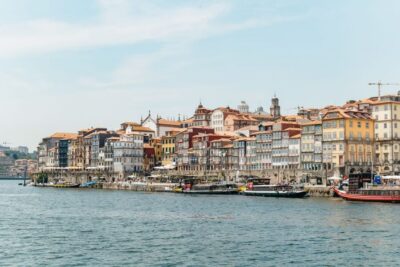
You meet at Boiler Studio, Rua Chã 77. It’s a straightforward walk if you are coming from the São Bento Train Station or the riverside sights like Luís I Bridge. Even if you are starting near Time Out Market, you can reach it by foot without stressing your schedule too much.
The studio sits in a very recognizable area: the Cathedral is your anchor point. Once you have that in your mind, navigation gets simple. You can also treat it like a light city pause. Walk in, drop your bag, then focus on painting and sipping for the next two hours.
One extra practical detail: Boiler Studio is also a shop. Before or after your class, you can browse handmade products from local artists, which is a nice bonus if you want a small extra gift without leaving the area.
The Azulejo Story You Hear Before You Paint
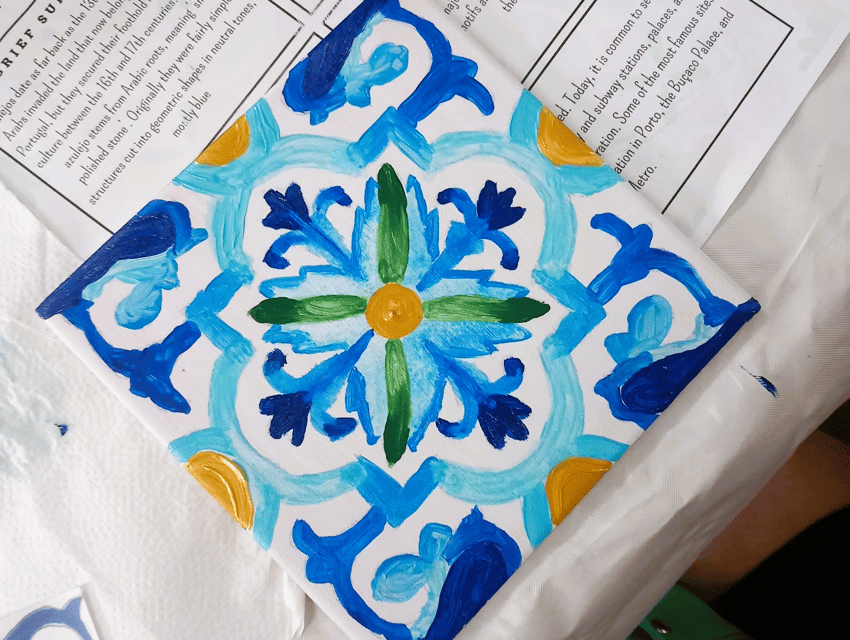
This is the part I think makes the workshop more than a cute craft. You get a workshop summary with texts about Portuguese tile history. The timing is smart too: you learn before you paint, so your tile choice feels intentional instead of random.
Here is what the session covers, in the details you will actually care about when you look at buildings later:
- Azulejos go back to the 13th century, with early forms tied to Arab influence after the Arabs invaded the Iberian peninsula.
- The Arabic roots matter. The word azulejo comes from Arabic and roughly means small polished stone.
- Portuguese style becomes especially solid between the 16th and 17th centuries, when tilework gained a firm foothold in local culture.
- Early tilework started fairly simple, often with geometric shapes and neutral tones, especially blues.
- You also move through colors, seasonal ideas, and different cities, which helps you notice patterns instead of just seeing decorative walls.
Why this matters: once you understand that these tiles are not only art but also cultural storytelling, you start looking at Porto differently. You notice repeats, you recognize style shifts, and you understand why so many facades feel like they have memory built into them.
What You Actually Do With Your Hands in the Workshop
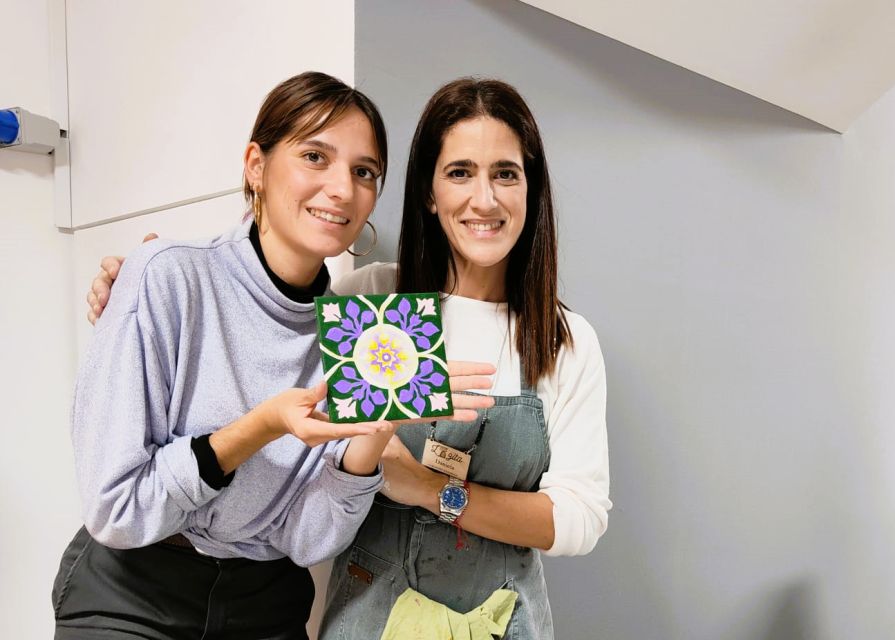
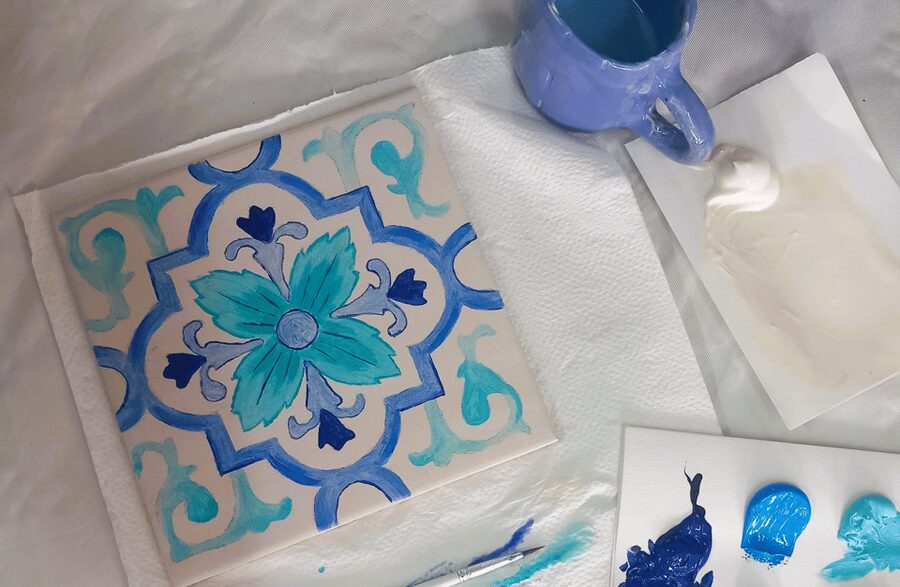
When you sit down, you are not left alone to figure it out. You have a clear structure and enough tools to get going quickly. Included materials are a ceramic tile, acrylic paints, and stencils or design options, plus paper packaging for taking your work home.
Design choices are part of the fun. Some people went in nervous and still walked out with something they liked, mainly because they were guided through the process. You can usually pick from premade designs, and in some cases you can bring a photo idea. The staff can print it for you so you can transfer it to your tile, which is great if you want something personal without needing artistic skill.
The hosts also tailor help to the person. People praised the guidance as hands-on, patient, and detailed. That matters because acrylic paint on ceramic is not the same as paint on paper. The right approach helps the final tile look cleaner and more even.
Expect to feel the session shift into a gentle rhythm. There is time to paint, time to ask questions, and the calm vibe makes it easier to focus. In reviews, a lot of people called it relaxing and said it was a great break from walking and climbing.
The Cocktail Break That Makes It Feel Like a Real Porto Afternoon
The highlight list mentions cocktails, and you should expect that to be more than a token sip. A cocktail is included with the workshop, and many people referenced drinks like a Porto Tonic or a white port with tonic.
I like this pairing for one simple reason: Porto tilework is a long visual tradition, and the workshop gives you a tasting rhythm that matches it. You are not rushed. You get your drink while you work, and it turns the whole thing into an evening you remember, not just a transaction.
If you are wondering whether the cocktail takes over the experience, it does not. The main focus remains the tile. The drink supports the mood. It is the kind of detail that makes the room feel Portuguese without distracting you from the craft.
When the light changes over Porto, try these:



What You Take Home, and How to Transport It
This is one of those rare activities where the souvenir is the point. You paint a tile, then you take it with you. Your tile also comes in paper packaging, which is exactly what you want for moving through a city on foot.
That said, pay attention to timing. Some people mentioned they could pick up their tile after the workshop, especially if their tile needed extra drying time. Others said they had the finished tile to take away right away or within an hour depending on how quickly they completed the work.
My practical advice: plan the workshop as your main craft stop, not something you slot in between trains with no wiggle room. If your schedule is tight, ask when you will get the finished tile so you do not get surprised.
Also, if you are traveling with fragile items, treat your packaged tile like a small museum piece. It is not huge, but it matters enough that you will want it secured in your bag or carried carefully.
Price, Value, and Whether It Feels Worth It
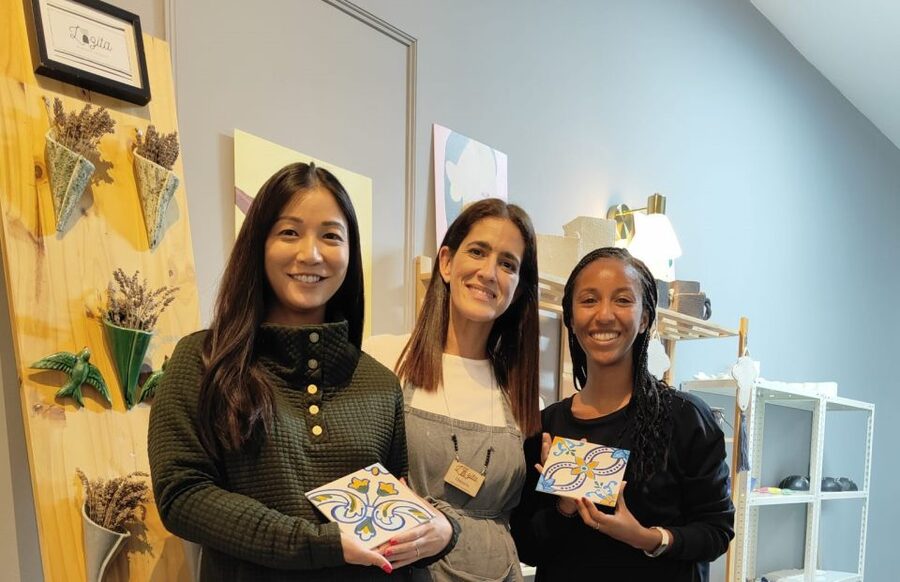
The price is $41 per person for 2 hours. That includes the ceramic tile, acrylic paints, paper packaging, the workshop summary texts about tiles, and the cocktail.
For value, I look at three things: time, included materials, and how much culture you absorb. You get:
- a full two-hour activity that fills a real chunk of your day
- the materials needed to make the souvenir, so you are not paying separately for tools
- a guided explanation of azulejo history that turns the souvenir into a story
If you are the type who likes “learn and do” activities, this is strong value. You are paying for a crafted experience, not just entry to a viewpoint.
If you hate guided learning and want only hands-on fun, you might still enjoy it, but the history component is part of the product. On the other hand, that history is also what makes the end result feel like it belongs in Porto.
Who This Workshop Is Best For (and Who Might Skip It)
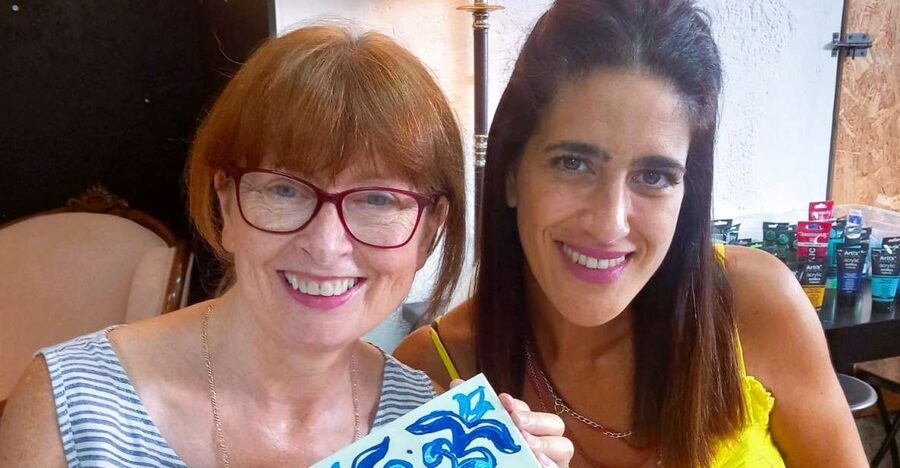
This is not suitable for children under 10. If you have younger kids, you will need a different Porto activity.
For everyone else, it is a great fit if you want:
- a calmer break in the middle of sightseeing
- an activity that works for mixed skill levels
- a souvenir that is personal and culturally connected
- a chance to meet other people in a structured but relaxed setting
I especially like it for couples, solo travelers, and small groups who want something memorable without needing to book a half-day tour. Reviews also suggest it works well on rainy afternoons, since you are indoors and the atmosphere is steady.
If you hate being in a group at a table, this might feel less your style. But if you can handle a workshop vibe, it is friendly and supportive.
Timing Tips to Get the Best Experience
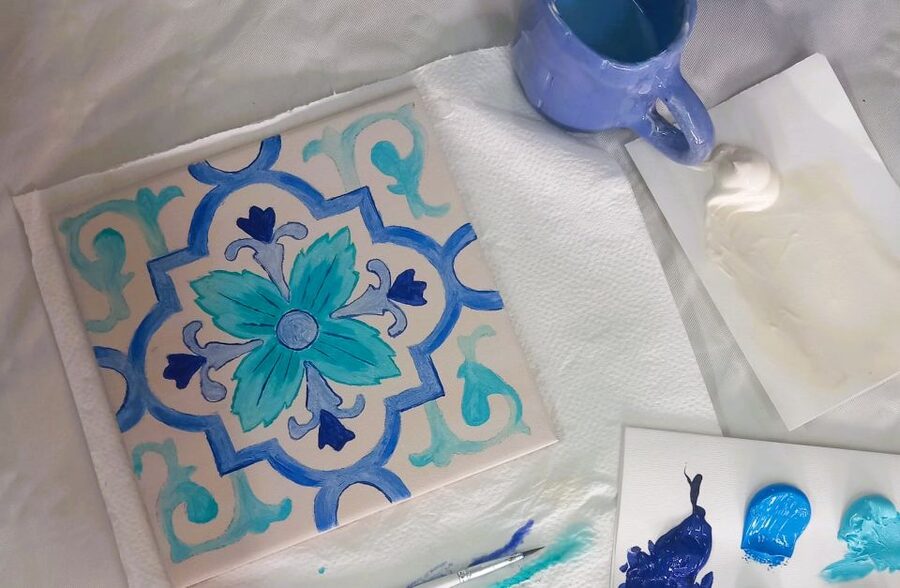
Because the class is two hours, the best strategy is to go in slightly under-scheduled. You will paint more smoothly if you are not sprinting between attractions.
A few practical tips:
- If you have a morning or afternoon window, choose the time when you are least likely to feel rushed.
- Wear or bring clothes you do not mind getting a little paint on during hands-on work.
- If you are planning a meal right after, think about whether you might need extra minutes for your tile to dry before pickup.
Language is English and Portuguese, so it is easy to follow. Hosts like Daniella and others described in the session tend to explain clearly and help directly when you need support.
Book It If You Want Porto You Can Hold
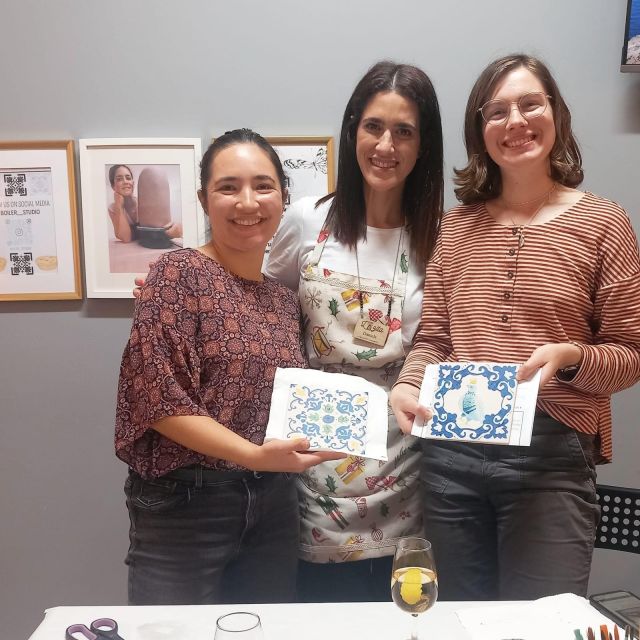
Should you book this tile painting and cocktail workshop? Yes, if you want something that connects Porto’s famous azulejos to a personal keepsake. It is one of those activities that feels small at first glance, then turns into a story you carry home.
You should book it especially if:
- you love cultural details, like where tiles came from and why the styles look the way they do
- you want a souvenir that is not just a postcard
- you appreciate a relaxed pace with patient guidance
- you are traveling with someone who might not think they are artistic
Skip it if you only want big-ticket sights and you are not interested in a workshop format, or if you cannot accommodate the possibility of tile drying time and a later pickup.
If you can spare two hours in downtown Porto, this is a fun, meaningful use of time, with an end product that actually makes sense as a memory.
FAQ
How long is the Porto tile painting workshop?
It lasts 2 hours.
How much does the workshop cost?
The price is $41 per person.
Where do I meet for the workshop?
You meet at Boiler Studio, Rua Chã 77, in downtown Porto near the Cathedral area.
What is included in the price?
The workshop includes the tile history workshop summary texts, a ceramic tile, acrylic paints, paper packaging, a cocktail, and all materials for the activity.
What languages are offered?
The instructor speaks English and Portuguese.
Is the workshop wheelchair accessible?
Yes, it is wheelchair accessible.
Is there an age limit?
It is not suitable for children under 10.
Can I take my painted tile home?
Yes. You paint a tile and take it with you, with some people needing a bit of extra drying time before pickup.
Is there free cancellation?
Yes. You can cancel up to 24 hours in advance for a full refund.
What Porto sent us most recently
- Douro Tour with Wine Tasting, River Cruise and Visit to Lamego
★ 5.0 · 118 reviews - From Porto: Full-Day Douro Historical Tour
★ 4.6 · 120 reviews - Porto: Sunset Cruise on the Douro River & Iconic Bridges
★ 4.1 · 122 reviews - 4-hour Guided Porto Pub Crawl with 6 drinks and VIP CLUBentry
★ 4.5 · 124 reviews - From Porto with view to Gaia: Private Bike Tour #DuckSideOfPorto
★ 5.0 · 124 reviews - Douro Valley Half-Day Tour with Winery and Lunch From Porto
★ 5.0 · 125 reviews - Porto Food Half-Day Tour
★ 5.0 · 124 reviews - MagicTrain Tour and Port Wine Cellar Visit & Tasting
★ 3.0 · 125 reviews
Things to Do in Porto, compared.
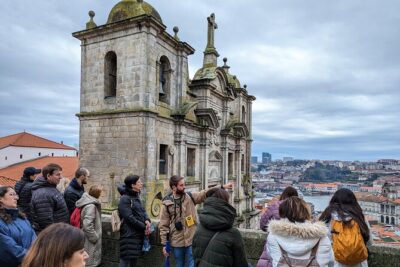
The Unvanquished Tour in Porto City Center
Read our review →
Douro Valley w/ Boat Tour, Wine Tasting & Lunch
Read our review →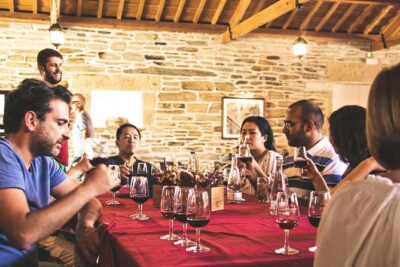
Complete Douro Valley Wine Tour with Lunch, Wine Tastings and River Cruise
Read our review →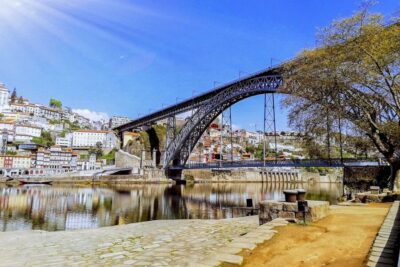

Douro Valley with Winery Lunch, Tastings & Cruise
Read our review →