Reviewed · THINGS TO DO IN LISBON
Lisbon’s Post-Colonial Feast
A single bite can carry a whole history. This 5-hour walk connects Lisbon food to Portuguese-era colonial routes, then pairs it with stops across the city’s neighborhoods. I like that it is not just tasting, it also gives you the background on slavery, repression, and exploitation tied to Portugal’s past.
Two things I especially loved were the focus on post-colonial influences in the food, and the way the group stays small enough to actually talk with your guide and meet friendly people. One drawback to keep in mind: the theme is heavy, and you will want good energy for history plus eating, not just a casual snack crawl.
In This Review
- Key things to know before you go
- Post-colonial food in Lisbon, what that means in practice
- Price and value: what you’re paying for in a 5-hour walk
- Logistics that make the day feel easy: where you start and how it runs
- The walk itself: stop-by-stop through Lisbon’s streetscapes
- Paço da Rainha, where the story begins
- Campo dos Martires da Patria, culture and history in motion
- Avenida da Fonte Luminosa, theme check and a clearer lens
- Jardim do Torel, next best bite in a calmer setting
- Largo de São Domingos, specialties in the square to finish strong
- The food you’ll taste, and why it connects to bigger stories
- The guide, Celia, and what makes the explanation click
- Who should book this and who should skip it
- Pacing and comfort tips for a 11:00 am start
- Should you book Lisbon’s Post-Colonial Feast?
- FAQ
- What is the duration of the Lisbon’s Post-Colonial Feast tour?
- How much does the tour cost?
- How big is the group?
- What language is the tour offered in?
- Where does the tour start?
- What time does the tour start?
- Do I need a printed ticket?
- Is it convenient to reach the meeting point?
- Is there a cancellation option?
- What happens if the weather is bad?
Key things to know before you go
- Small group size (max 7), so the experience feels personal instead of rushed.
- Food with a purpose, including chocolate and a hearty chorizo stew stop.
- A guide-led story, covering Portugal’s role in colonization and the consequences.
- Multiple city stops that change the feel of your walk every 45 minutes or so.
- Good weather matters, since the tour requires it to run.
Post-colonial food in Lisbon, what that means in practice
This tour is built around a simple idea: Portuguese cuisine did not develop in isolation. Lisbon absorbed ingredients, cooking styles, and tastes through Portugal’s former colonies, and those links still show up in everyday eating. You are tasting the result, then learning what caused the mixing, often through hard, coercive realities.
That is why this is more than a food tour. You are also getting a guided explanation of the grim history behind the connections, including slavery, repression, and exploitation. Expect the conversation to be direct, because the tour aims to explain how power shaped culture and food.
For me, that changes the flavor of the experience. When you understand why certain ingredients or dishes traveled, you start noticing the choices behind the cooking, not just the final plate.
More Things to Do in Lisbon
- Lisbon City Center Tour – The Unmissable Lisbon★ 5.0 · 22,234 reviews
- Lisbon: Sintra, Pena, Regaleira, Cabo da Roca & Cascais★ 4.7 · 19,656 reviews
- Lisbon Card: 24, 48, or 72-Hour Pass★ 4.5 · 17,944 reviews
- Lisbon: Jerónimos Monastery Entrance Ticket★ 4.1 · 14,164 reviews
Price and value: what you’re paying for in a 5-hour walk
At $150 per person for about 5 hours, this is not a budget snack session. It is closer to a guided cultural experience where the cost covers two big things: guided storytelling at multiple stops, and a food focus that includes at least highlights like chocolate and chorizo stew.
The value also comes from the structure. You are getting repeated “reset points” every stretch of the walk, around 45 minutes at most stops, plus a longer finish at a square. That pacing matters, because it keeps your mind engaged, not just your stomach.
Also, the group cap of seven travelers is part of what you are paying for. A smaller group usually means more questions, more follow-up, and a better chance to have your guide tailor explanations to what you care about, whether that is cuisine, colonial history, or both.
Logistics that make the day feel easy: where you start and how it runs
You meet at Praça do Chile 2, 1170 Lisboa, with the tour starting at 11:00 am. The tour ends back at the meeting point, so you do not need to plan a second leg of transit afterward.
It is near public transportation, which helps if you are arriving from another part of Lisbon. You also get a mobile ticket, which is one less thing to juggle on your phone while walking.
On paper, this is a simple setup, but in real life it makes a difference. You spend your energy on the neighborhoods and the food, not on “where do we go next?”
The walk itself: stop-by-stop through Lisbon’s streetscapes
The heart of the experience is a chain of city stops that gradually build the theme. Each part has a clear role, either setting context, moving you to a new area, or guiding you to the next food moment.
Paço da Rainha, where the story begins
You start at Paço da Rainha, taking in the sites as you move along toward the day’s theme. This first stretch is about getting your bearings and letting your guide frame what you will be thinking about while you taste.
Why it works: an opening stop sets the tone. Instead of jumping straight into food, you get context early enough to make later bites feel connected.
Possible drawback: if you arrive hungry and want food immediately, you might feel the first part is more “listening and looking” than eating. But that context pays off later.
When the light changes over Lisbon, try these:



Campo dos Martires da Patria, culture and history in motion
Next is Campo dos Martires da Patria, where you take in history and culture. This is where the tour leans harder into the meaning behind the day, not just the flavor.
Why it works: the tour uses walking time to teach you how to see a city. Instead of memorizing dates, you start to understand how places hold memory.
Avenida da Fonte Luminosa, theme check and a clearer lens
At Avenida da Fonte Luminosa, the guide discusses the theme of the day and points out what to watch for as you continue. This stop is like a checkpoint: you should leave with a better idea of how Portuguese cuisine connects to former colonial regions.
If you like food history, this is a helpful moment. It gives you a lens, so you do not just eat and hope it adds up later.
Jardim do Torel, next best bite in a calmer setting
Then you reach Jardim do Torel, and this is where you move toward the next food moment. A garden setting can make a break feel natural, even though you are still in “walk and taste” mode.
Why it works: this stop helps reset your palate and your pace. It also gives your brain time to process what you learned so far before the final food and square stops.
Largo de São Domingos, specialties in the square to finish strong
You end at Largo de São Domingos, a square where you find specialties. The last stretch is about satisfaction. After the history and the build-up, you get the payoff: food-focused time in a public space where Lisbon’s street life feels present.
Why it works: finishing in a square is practical for conversation and lingering questions. You can also take a breather before heading back to the meeting point.
The food you’ll taste, and why it connects to bigger stories
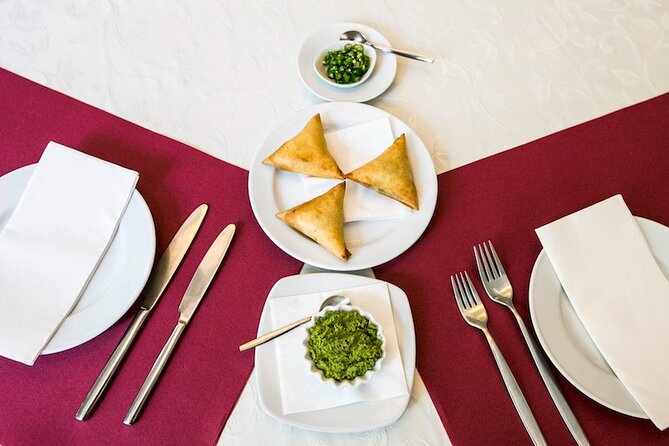
The tour’s highlights include chocolate and chorizo stew, plus a “wealth of regional delicacies” tied to influences from former Portuguese colonies.
Here is the key: you are not just trying random samples. You are sampling flavors that traveled, then got shaped by the Portuguese palate and cooking traditions. That is why the guide’s explanations matter. When you know the route, you start tasting the adaptation.
The best kind of food tour is the one that changes how you order in restaurants later. After this, you will likely look at Portuguese menus with more curiosity, especially when a dish or ingredient feels like it could have a faraway origin.
From what I’ve learned through the experience reports, people also enjoy how surprising the food connections can be. It is easy to think of Portuguese cuisine as only local, but the colonial links expand the menu categories you expect. Some people even find flavors tied to places like Brazil or Goan cuisines more interesting than they expected.
If you have dietary needs, you might want to plan around the fact that the tour emphasizes specific dishes named in the highlights. The provided details do not list dietary options, so it is worth communicating your needs to the operator when you book.
The guide, Celia, and what makes the explanation click
A standout detail from the experience reports is the quality of the guide. In at least one case, the guide was Celia, described as very lovely and effective at connecting food choices to colonial interactions.
That matters because this tour has a dual job. It must be engaging enough to keep you moving through five hours, and it must stay honest about the past. When the guide is good, you do not feel like you are being lectured. You feel like you are learning how to read Lisbon through food.
Also, in small groups, the guide can respond to your questions instead of following a script for a big crowd. That is a major part of why people recommend this tour.
Who should book this and who should skip it
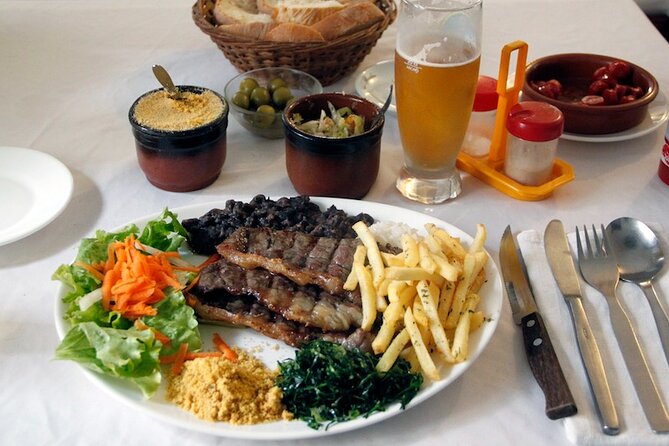
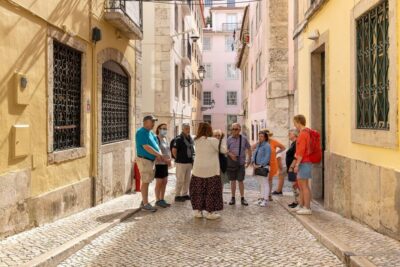
This tour is a great fit if you want a walking food experience that treats history as part of the meal, not a separate topic. You should also enjoy meeting people, because the maximum group size of seven travelers makes conversation feel natural.
It is especially suitable for:
- Food lovers who like the story behind ingredients
- History-minded travelers who prefer learning through real places
- People who want to see parts of Lisbon beyond the most obvious tourist lanes
You might skip it if:
- You only want light, feel-good eating with minimal context
- You are not ready for discussion of slavery and exploitation
- You are hoping for a purely restaurant-style tasting menu with lots of sitting time
Pacing and comfort tips for a 11:00 am start
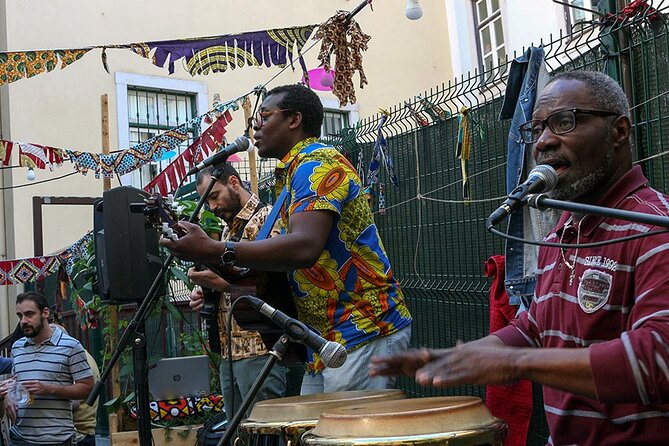
This is roughly five hours long, starting at 11:00 am. With multiple stops that each run about 45 minutes, plus a longer finish, the pacing is steady. You should expect to walk between areas and remain engaged at each stop.
The tour also requires good weather. If the forecast looks rough, plan for potential changes. In practice, that means you should bring a layer and be ready to move with Lisbon’s shifting conditions.
Comfort-wise, wear shoes you trust. This is a city-walking day, not a museum-only one.
If you get overwhelmed by heavy history topics, you can still enjoy the food, but you will want to mentally pace yourself. This tour is designed to hold both, so you should go in with realistic expectations.
Should you book Lisbon’s Post-Colonial Feast?
Book it if you want a memorable Lisbon food day that teaches you how Portuguese cuisine connects to the world, including the hard parts of the story. The combination of small group size, a clear theme, and named food highlights like chocolate and chorizo stew makes it a strong value for people who like food with context.
Skip it if you want a purely casual tasting tour with no heavy history content, or if you strongly prefer lots of seated time.
If you like the idea of learning why flavors traveled and how that shaped what you eat in Lisbon today, this is the kind of tour that can change your perspective fast, and keep it changing while you eat.
FAQ
What is the duration of the Lisbon’s Post-Colonial Feast tour?
It runs for about 5 hours.
How much does the tour cost?
The price is $150.00 per person.
How big is the group?
The tour has a maximum of 7 travelers.
What language is the tour offered in?
It is offered in English.
Where does the tour start?
The meeting point is Praça do Chile 2, 1170 Lisboa, Portugal.
What time does the tour start?
Start time is 11:00 am.
Do I need a printed ticket?
No. The tour uses a mobile ticket.
Is it convenient to reach the meeting point?
The meeting point is near public transportation.
Is there a cancellation option?
Yes, free cancellation is available. You can cancel up to 24 hours in advance for a full refund.
What happens if the weather is bad?
The experience requires good weather. If it is canceled due to poor weather, you will be offered a different date or a full refund.
What Lisbon sent us most recently
- From Lisboa: Sintra, Cabo da Roca & Cascais Private Full Day Tour
★ 5.0 · 39 reviews - Best of Sintra and Cascais Private Full Day Tour
★ 5.0 · 39 reviews - Private Sailing tour in Lisbon – Day Time, Sunset and Night
★ 4.5 · 39 reviews - Tuk Tuk Lisboa – Sightseeing Tours
★ 4.5 · 39 reviews - Private Experience Óbidos Nazaré and Fátima or Aveiro and Óbidos
★ 5.0 · 39 reviews - Belém and Jerónimos Monastery Private Walking Tour & Ticket
★ 4.5 · 39 reviews - Lisbon Private Luxury Tour
★ 4.5 · 39 reviews - Exclusive Lisbon Progressive Dinner & Wine Tour
★ 5.0 · 40 reviews
Things to Do in Lisbon, compared.
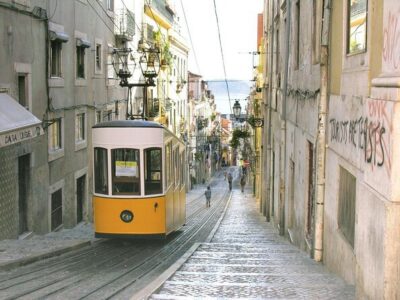
Lisbon City Center Tour – The Unmissable Lisbon
Read our review →
Sintra, Pena, Regaleira, Cabo da Roca & Cascais
Read our review →

Sunset Boat Party Cruise with DJ and Open Bar
Read our review →
Sintra, Pena, Regaleira, Cabo da Roca, and Cascais
Read our review →