
Reviewed · PORT WINE LODGES & TASTINGS
Port Wine class with 3 or 5 Port tasting and pairings
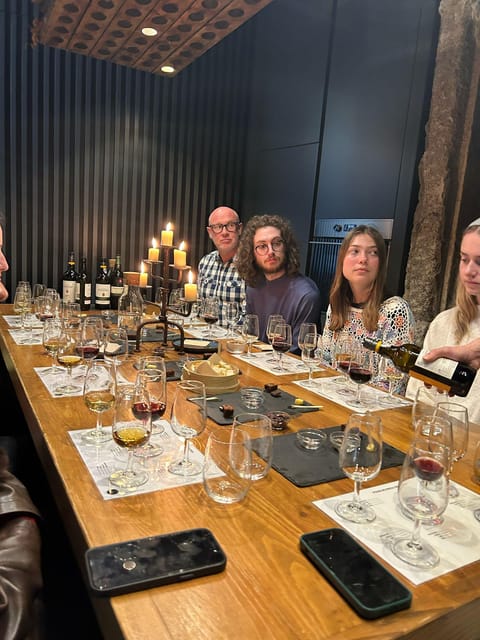
Port tastes better when explained right. In Porto’s center, this small-group Port wine class takes place inside a shop across from Palácio da Bolsa, so you get context plus tastings without going far. I also like that you are not stuck listening to a lecture, the host works the room and keeps it fun, with guides such as Rui and João often leading the session.
What I love most is the lineup: you taste 3 or 5 different Port styles and the pours come with Portuguese snacks, so you learn how flavors and textures work together. The other big plus is the pace, usually around 45 minutes for 3 Ports and about 1h15 for 5 Ports, with time for questions so it does not feel rushed.
One possible drawback to consider: this is not a cellar tour. If you came only for dramatic underground storage and long walks, you may prefer a classic Douro Valley or Gaia cellar visit instead of a city-center tasting room.
In This Review
- Quick hits before you go
- Port wine class in Porto’s city center, across from Palácio da Bolsa
- What you taste: 3 or 5 Port styles and what each one means
- A tight 45 to 90 minute class, built for real conversation
- Snack pairings that actually help you remember the wines
- Port 101, plus the details that make you sound confident
- Picking 3 ports vs 5 ports without regretting it
- Price and value: what $23 buys you in Porto
- Logistics tips to make your tasting day smoother
- Who should book this Port class, and who might skip it
- Should you book this Port wine class in Porto?
- FAQ
- How many Port wines will I taste?
- Where is the meeting point?
- How long does the class take?
- Is this tasting held in a cellar?
- What language is the host?
- What snacks are included with the tasting?
Quick hits before you go
- Port history first, then tastings, so you understand why these styles exist
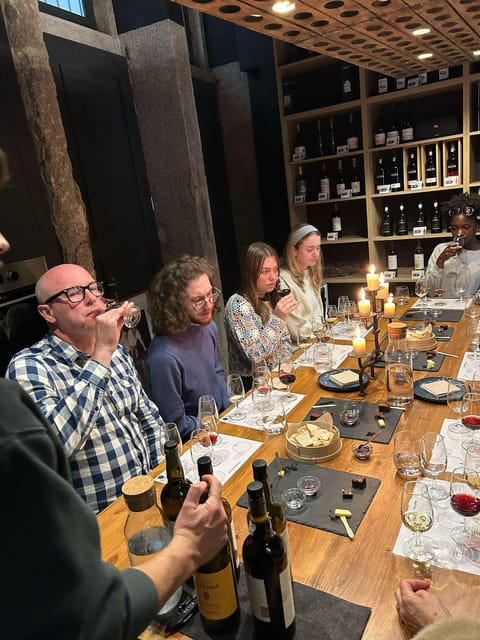
- Maximum groups of 10, which makes it easier to ask questions and compare notes
- City-center location across from Palácio da Bolsa, easy to fit into a day
- 3-Port or 5-Port option, including White Port, Tawny, Ruby Reserve, and LBV on the 5 option
- Portuguese snack pairings with every sip (olives, fruits, chocolate, cheese, brownie)
Port wine class in Porto’s city center, across from Palácio da Bolsa
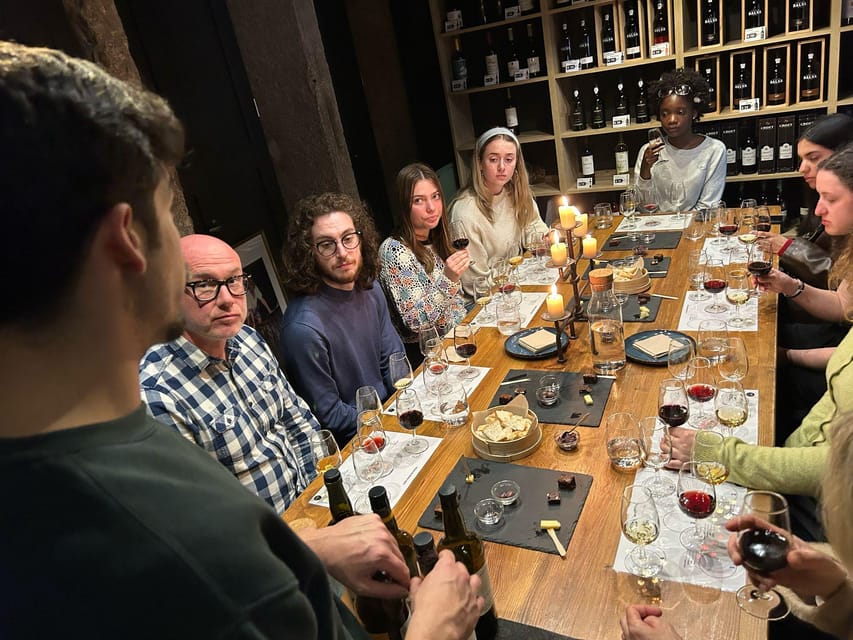
This is a smart choice if you want a Port experience that starts fast and stays central. The tasting happens inside the shop area in Porto city center, not in a cellar, right across the street from Palácio da Bolsa. The location is practical, especially if you have limited time and you want to keep your day walkable.
Finding it is pretty straightforward. The meeting point is the shop in front of Palácio da Bolsa. For check-in, you’re directed to the tourist office, because the class room sits in the same building. Once you get oriented, it is simple.
Inside, it is designed for an intimate class format. Groups are capped at 10 people, and the host guides you in English. If you need step-free access, this experience is wheelchair accessible, which is a real advantage in older European city centers where “easy access” is often a gamble.
More Wine Tours in Porto
- From Porto: Douro Valley w/ Boat Tour, Wine Tasting & Lunch★ 4.7 · 19,061 reviews
- Complete Douro Valley Wine Tour with Lunch, Wine Tastings and River Cruise★ 5.0 · 12,920 reviews
- Porto: Douro Valley with Winery Lunch, Tastings & Cruise★ 4.7 · 7,002 reviews
- Porto: Live Fado Show with Glass of Port Wine★ 4.8 · 6,498 reviews
What you taste: 3 or 5 Port styles and what each one means
The tasting is built around Port categories that show how the style changes with age, method, and bottling decisions. For the 5 Port option, the included pours are clear: 2 White Port, 1 Tawny Port, 1 Ruby Reserve Port, and 1 LBV (Late Bottled Vintage) Port. With the 3 Port option, you will taste 3 different types, selected from the same Port universe, paired with Portuguese snacks.
Here is what each style typically teaches you, in plain terms:
- White Port: lighter and more aromatic than many people expect, sometimes with notes that feel closer to orchard fruit. Since you get two White Ports, you can compare them and start learning how producers create different expressions inside the same “white” label.
- Tawny Port: aged in wood, which often brings warmer, nutty, caramel-like flavors and a smoother finish. It’s a good style for beginners because it tends to feel approachable and mellow.
- Ruby Reserve Port: fruit-forward and youthful compared to Tawny. This is where you taste Port that feels more about berry character than wood influence.
- LBV (Late Bottled Vintage): a Vintage-style Port bottled later, usually with a blend of youthful fruit and some developed character. It helps you understand how “vintage” ideas can still look different depending on aging and bottling timing.
You learn faster when you taste at least a few different styles back-to-back. By the end of the session, the host’s comparisons (and your own sip-to-sip notes) help you separate what is “Port” from what is “this specific style.”
A tight 45 to 90 minute class, built for real conversation
Timing is one of the best things about this experience. The class starts with a Port wine introduction that covers how Port wine was invented, why it took off, and how it evolved over time until today. After that comes the tasting portion.
For the 3 Port option, plan for about 45 minutes of tasting time. For the 5 Port option, it runs closer to 1h15. The exact flow can stretch if the group has questions, but the host clearly manages the pacing so you never feel stuck waiting around.
Because the group stays small, the class does not feel like a one-way performance. Even when there are several people, the host invites interaction, and you can ask practical questions like what to look for when you see labels, or why one style tastes sweeter or lighter than another. Solo visitors are often comfortable here too, since the format is built around conversation rather than teamwork games.
There is also a chance for a surprise finish. Multiple sessions end with something extra beyond wine and food, with examples including musical moments. One person even mentioned an upbeat performance element involving guitar and singing. Don’t plan your entire evening around it, but it is a nice bonus when it happens.
Snack pairings that actually help you remember the wines
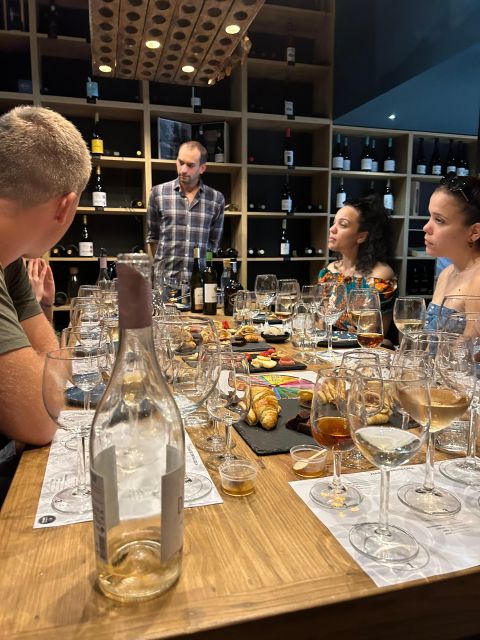
The tastings are not just wine in tiny glasses. Each pour is paired with Portuguese snacks, and the food matters because it changes the way the wine tastes in your mouth.
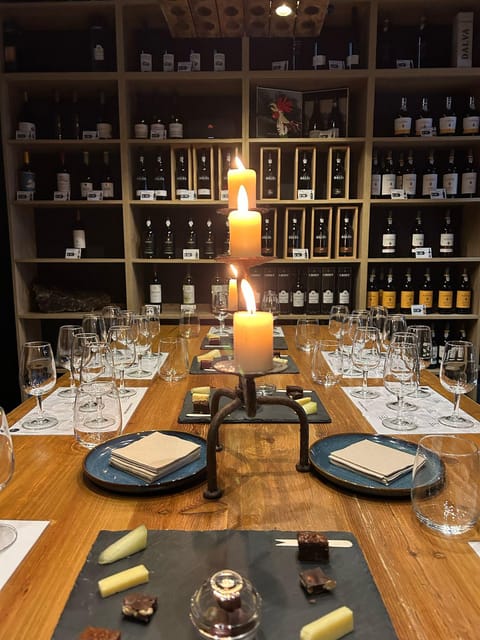
For the included pairings, you get olives, fruits, chocolate, cheese, and brownie. That mix covers salty, fresh, creamy, bitter, and sweet flavors, so your palate has something to reset between sips. In other words, the snack selection is doing its job, helping you taste more clearly instead of just tasting alcohol.
How to use the pairing without overthinking it:
- Take a sip, then pause for a few seconds.
- Take a bite of the snack paired with that pour.
- Notice what changes: sweetness level, bitterness, texture, and aroma.
Olives and cheese can help tame the edges for some styles, while chocolate and brownie bring a dessert bridge that can make sweeter, more developed ports feel smoother. Fruits can lighten the palate and keep the session from becoming one long flavor note.
You do not need to be a foodie to enjoy it. The host explains enough so you understand what you are tasting, and the variety of snacks gives you multiple “anchor points” for memory.
Port 101, plus the details that make you sound confident
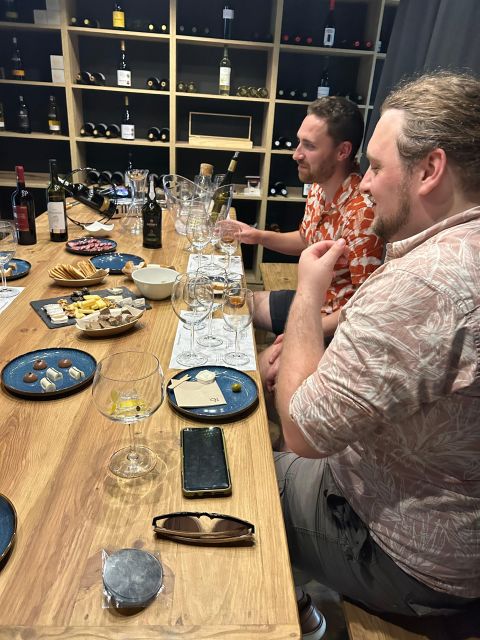
The intro part is short but high value. You start with a history overview that explains how Port wine was created, why the method caught on, and how the styles evolved. That background helps you make sense of the tasting lineup instead of treating it like random sampling.
Here are the kinds of things the host typically emphasizes in a class like this:
- Why Port is different from regular table wine (fortification and style effects)
- How aging influences flavor (wood vs time in the bottle)
- What category names are trying to tell you, especially the difference between white, tawny, ruby, and LBV
You also get practical guidance on tasting technique. You learn how to swirl and smell, how to sip slowly, and how to compare one style to another without mixing them up in your mind. The host approach is a major part of the experience. People mention guides such as Rui, João, Pedro, Jose, and Ruan, and the common theme is clear explanations delivered with humor.
If you are the type who wants to leave with something you can use later at a shop, you’ll like that angle. It is not just drinking. It is learning enough to make a smarter choice next time you see bottles in Porto or at home.
More port lodges across the river:


Picking 3 ports vs 5 ports without regretting it
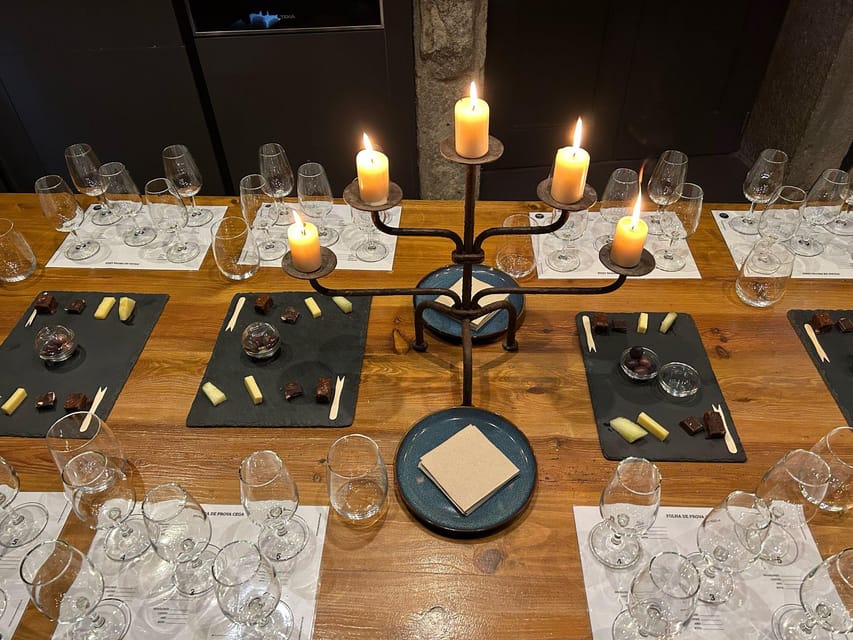
The choice is simple, but you should match it to your goals.
Choose the 3 Port option if:
- You have a busy day and want a shorter session
- You mostly want the basics and a quick feel for Port styles
- You want something that fits well before dinner in central Porto
Choose the 5 Port option if:
- You want stronger comparison between styles
- You want the full set, including the two White Ports, plus Tawny, Ruby Reserve, and LBV
- You like the idea of “more variety for the same class structure”
One recurring regret from people is that they wished they had selected the 5-Port option. That makes sense. When you can compare five categories instead of three, it is easier to identify what you personally enjoy, and it gives you more flexibility when you shop afterward.
If you’re drinking Port for the first time, five pours can feel like a guided crash course. If you’re already a Port fan, three pours might still be satisfying, but you will probably want the extra style contrast that the 5 option delivers.
Price and value: what $23 buys you in Porto
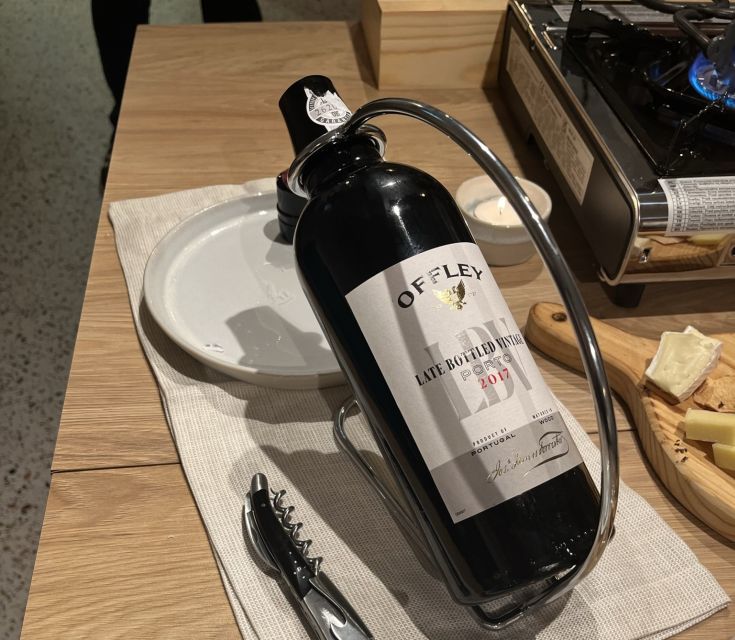
At $23 per person, the value comes from three places: multiple tastings, snack pairings, and an expert-guided format in a top location.
You are not paying only for wine. You are paying for a structured experience that includes:
- 2 White Port, 1 Tawny Port, 1 Ruby Reserve Port, and 1 LBV (on the 5 option)
- Portuguese snacks like olives, fruits, chocolate, cheese, and brownie
- A guided explanation that connects the history to what is in your glass
- A small group limit of 10 participants
That matters because a lot of tastings elsewhere can turn into either rushed pours, minimal context, or expensive add-ons. Here, the pairing is part of the format, and the host steers you through the differences instead of dumping five glasses in front of you and hoping you figure it out.
Also, the central location helps value. You are not spending half your day commuting to a remote cellar. You can fit this into a Porto itinerary that already includes walking, river views, and historic streets.
Logistics tips to make your tasting day smoother
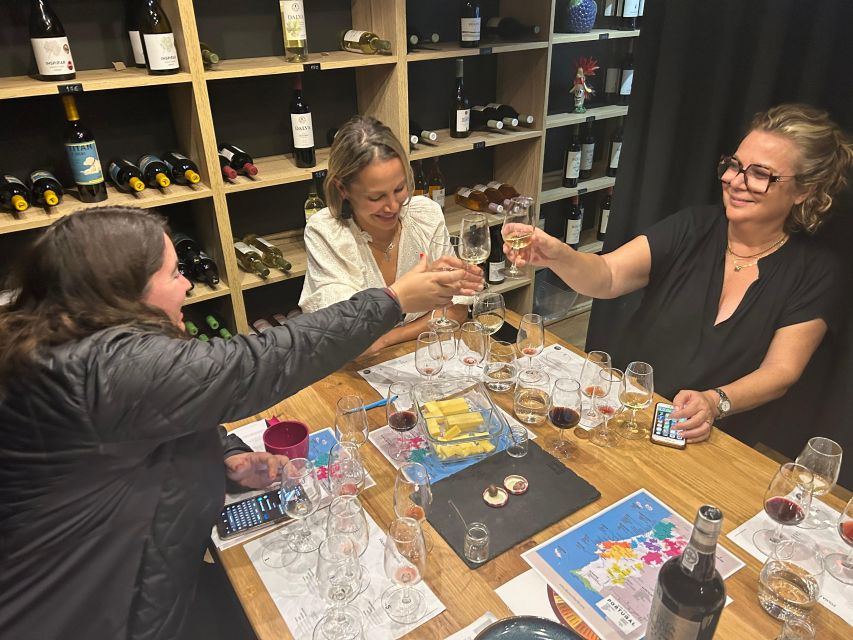
Plan to arrive with a little walking buffer. The shop is in central Porto, across from Palácio da Bolsa, and the meeting point is right out front. Still, check-in happens via the tourist office because the room is in the same building.
A few practical notes that help:
- If you are sensitive to alcohol, sip slowly and use the snacks to keep things balanced.
- If you love learning, show up with one or two questions about Port labels, since you will get time for questions during the session.
- If you want the most comfort, keep in mind that this is a shop-room setup, seating can be bench-like in some rooms, so comfortable clothes help.
The class runs indoors, so it is also a great fall-back plan when Porto weather shifts or when you want a break from sun and walking.
Who should book this Port class, and who might skip it
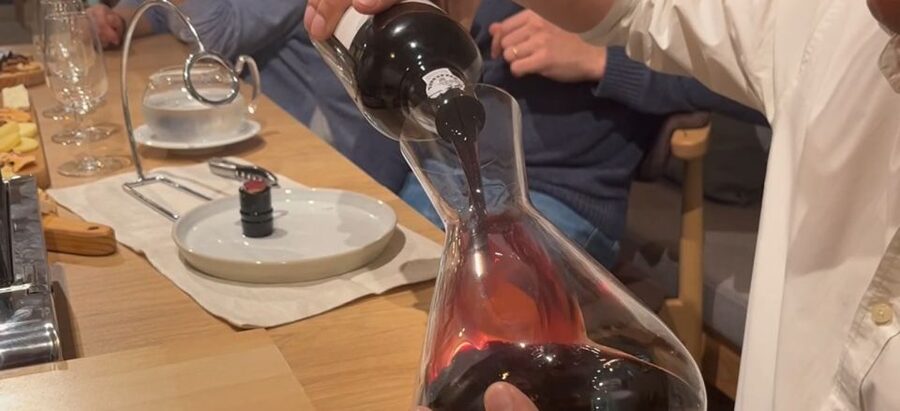
This fits best if you want Port to feel understandable, not intimidating. It is a strong option for:
- First-time Port drinkers who want a guided “what is what” introduction
- Wine lovers who want to compare styles side-by-side
- Solo travelers who want a small group format with conversation
- People who want to stay in the center of Porto and avoid transit time
It might not be the best match if you want:
- A long cellar walk with dramatic views and lots of moving between rooms
- A hands-on winemaking activity (this is a tasting and explanation class)
- A deep technical seminar focused only on viticulture details
If you want something friendly, structured, and centered on taste plus context, this is a solid pick.
Should you book this Port wine class in Porto?
I think you should book it if you want a high-value, city-center introduction to Port styles. The format makes it easy: you get Port history, then you taste 3 or 5 styles with Portuguese snacks, and the group size stays small enough to feel personal.
Pick the 5 Port option if you want the clearest sense of what you like. Choose 3 Port if you want a shorter session that still teaches you the basics and helps you shop later without guesswork.
If you are trying to plan a Port-focused day in Porto, this is also a great anchor activity. It pairs well with a walking loop around the historic core, and it avoids the logistics of traveling to a cellar. For a price point of $23, you leave with a better palate and a better label-reading brain, not just a buzz.
FAQ
How many Port wines will I taste?
You can choose either the 3 Port option or the 5 Port option. The 5 Port set includes 2 White Port, 1 Tawny Port, 1 Ruby Reserve Port, and 1 LBV.
Where is the meeting point?
The meeting point is the shop located in front of Palácio da Bolsa in Porto city center.
How long does the class take?
The duration is listed as 1 hour to 90 minutes. Tasting time is about 45 minutes for 3 Port, and about 1h15 for the 5 Port option.
Is this tasting held in a cellar?
No. The activity is held inside the shop in Porto city center, not in a cellar.
What language is the host?
The host or greeter is in English.
What snacks are included with the tasting?
The Port tastings are paired with Portuguese snacks including olives, fruits, chocolate, cheese, and brownie.
More Workshops in Porto
- Porto: Pastel de Nata Pastry-Making Workshop
★ 4.9 · 1,542 reviews - Porto: Tile Painting Workshop with Porto Wine – Sé do Porto
★ 4.9 · 1,095 reviews - Matosinhos: Surfing Lesson with Equipment
★ 4.8 · 926 reviews
Portugal, Fork First
- Porto: Cálem Cellar Tour, Interactive Museum & Wine Tasting
★ 4.5 · 4,113 reviews - Douro Valley Small-Group Tour with Wine Tasting, Lunch and Boat
★ 5.0 · 3,642 reviews - Porto: Cálem Cellar Tour, Fado Show & Wine Tasting
★ 4.4 · 3,530 reviews
Adegas, Pouring Slowly
- From Porto: 2 Wine Regions, Farm-to-Table Lunch & Boat
★ 4.9 · 5,724 reviews - Douro Valley: Historical Sites, Wine Experience, Lunch & Cruise
★ 5.0 · 5,133 reviews - Authentic Small Group Douro Wine Tour with Lunch & River Cruise
★ 5.0 · 4,775 reviews
What Porto sent us most recently
- Douro Tour with Wine Tasting, River Cruise and Visit to Lamego
★ 5.0 · 118 reviews - From Porto: Full-Day Douro Historical Tour
★ 4.6 · 120 reviews - Porto: Sunset Cruise on the Douro River & Iconic Bridges
★ 4.1 · 122 reviews - 4-hour Guided Porto Pub Crawl with 6 drinks and VIP CLUBentry
★ 4.5 · 124 reviews - From Porto with view to Gaia: Private Bike Tour #DuckSideOfPorto
★ 5.0 · 124 reviews - Douro Valley Half-Day Tour with Winery and Lunch From Porto
★ 5.0 · 125 reviews - Porto Food Half-Day Tour
★ 5.0 · 124 reviews - MagicTrain Tour and Port Wine Cellar Visit & Tasting
★ 3.0 · 125 reviews
Port Wine Lodges & Tastings, compared.

Live Fado Show with Port Wine at Lisboa em Fado
Read our review →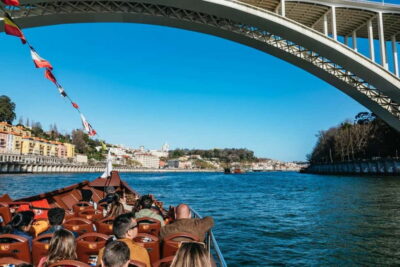
Bridges Cruise & Sunset & Port Wine Cellar Option
Read our review →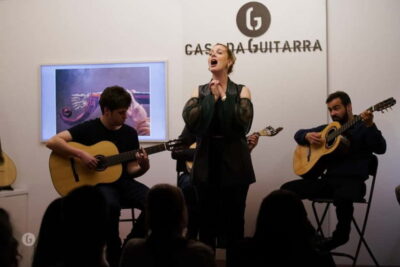
Fado & Port Wine in Traditional Portuguese Music Shop
Read our review →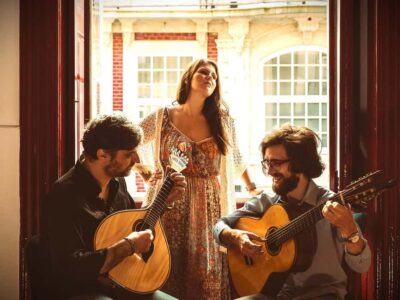
What is Fado? Commented Live Concert with Port Wine
Read our review →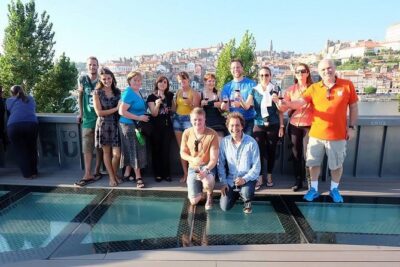
Port Wine Lodges Tour Including 7 Port Wine Tastings (English)
Read our review →
Charming Sailboat Cruise with Port Wine,Sunset Option
Read our review →
Douro River Boat Cruise with Port Wine Tasting
Read our review →Browse the lists this tour appears in