
Reviewed · HISTORICAL TOURS
Porto:Private Tour of the Historic City in a Classic Ford T
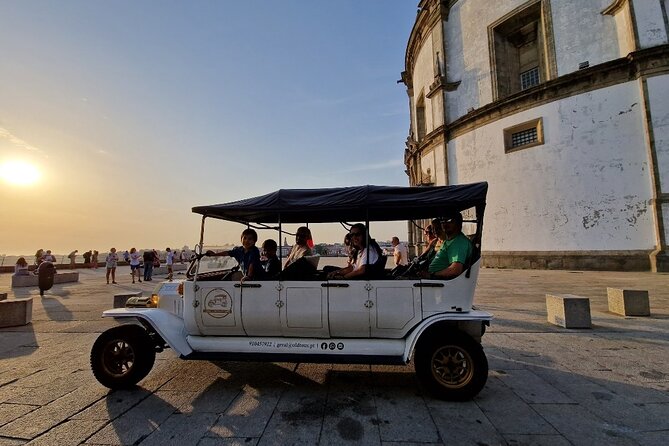
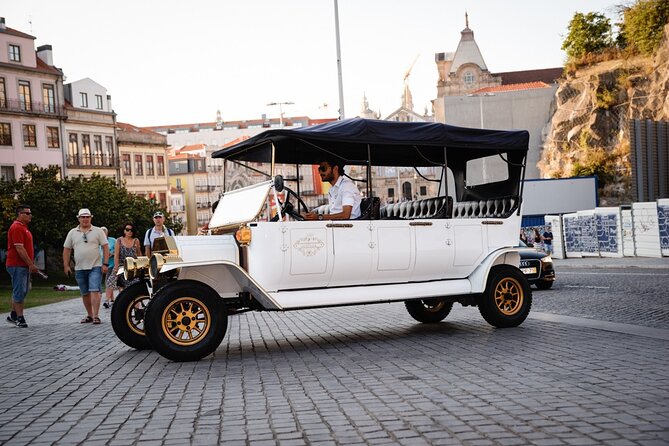
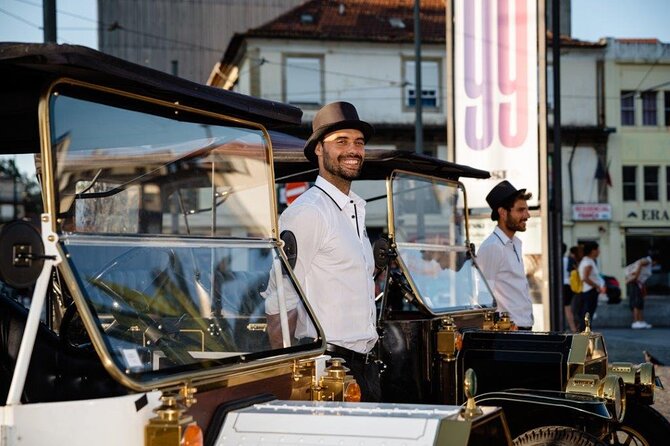
Porto is best when you can move fast and pause often. This private tour in a vintage-style classic Ford T helps you get your bearings fast while still seeing the kinds of sights you would normally skip or miss. You’ll cover major landmarks plus quieter angles, with the added bonus of photo stops that feel made for postcards.
I really like the small-group, private setup. With a maximum of 7 people per car, the guide can pace things for your questions and your walking comfort, and you do not feel herded like a bus tour. I also love the focus on viewpoints. Porto is hilly, so those short miradouros breaks are a smart way to see the Douro River and bridges without burning your legs.
One thing to consider: the route can shift because of vehicle restrictions in central Porto (noted as changing after Oct 1, 2024). That means you may spend more time on the Gaia side for driving access, with Porto views from across the river and short walks where needed.
In This Review
- Key highlights worth planning around
- A classic Ford T in Porto: why it works so well
- Getting picked up and understanding how the route may change
- São João Theatre: neoclassical Porto in one stop
- Praça da Batalha: the square that connects Porto’s daily life
- Fernandina Wall and Porta da Ribeira: medieval defenses with river views
- Serra do Pilar Monastery (UNESCO): a circular church and a view stop
- Luís I Bridge: Eiffel engineering with the right vantage
- Jardim do Morro: where you can breathe and plan your sunset
- Maria Pia Bridge: industrial Porto that still looks elegant
- Clérigos Tower and the baroque church façade you will notice
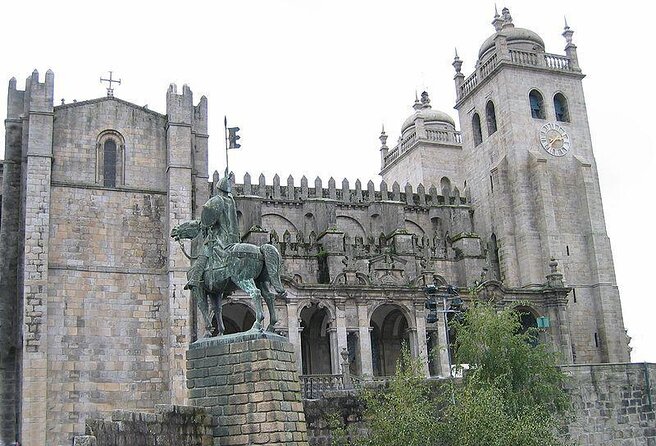
- Porto Cathedral and Miradouro da Vitória: final big views
- Price and value: what $47.18 gets you in real terms
- Who should book this tour, and who might skip it
- FAQ
- FAQ
- How long is the Porto private tour in the classic Ford T?
- Is pickup included, and where do we meet?
- What language is the guide speaking?
- How many people can be in each car?
- Are admission tickets for monuments and museums included?
- What is the cancellation policy?
Key highlights worth planning around
- Classic Ford T style vehicle for tight, historic streets
- Private tour up to 7 people per car, just your group
- Two short stops at miradouros for the best bridge angles
- UNESCO Serra do Pilar Monastery stop, with 15 minutes and free admission
- A guide-led mix of theatre, medieval walls, churches, and bridge engineering
A classic Ford T in Porto: why it works so well
Porto’s charm comes with hills, staircases, and lanes that do not always love large vehicles. A vintage-style Ford T experience makes the whole day feel lighter, because you’re not forcing yourself to power-walk every change in elevation. You can focus on looking and listening, then step out briefly for photos and perspective.
The tour is also practical in a way I appreciate. It includes private transportation with a guide or driver, plus liability and personal injury insurance. That takes away a lot of guesswork when you’re trying to cover Porto efficiently.
And yes, it’s fun. Multiple guides have been praised for keeping the ride upbeat, and one review even called the experience a treat because the guide found both prime sights and the less obvious spots. The car format also helps when you want to ask questions mid-route, instead of waiting until the end.
More Private Tours in Porto
- Discover Porto’s Highlights on a 2-Hour Private Electric Tuk Tuk★ 4.5 · 1,860 reviews
- Porto PRIVATE TOUR With Locals: Highlights & Hidden Gems★ 5.0 · 984 reviews
- Porto: Private Tour of the Historic City in a Ford T Car★ 4.8 · 932 reviews
- Porto: Private tour in the Douro (1 to 4 people) on a boat just for you★ 5.0 · 744 reviews
Getting picked up and understanding how the route may change
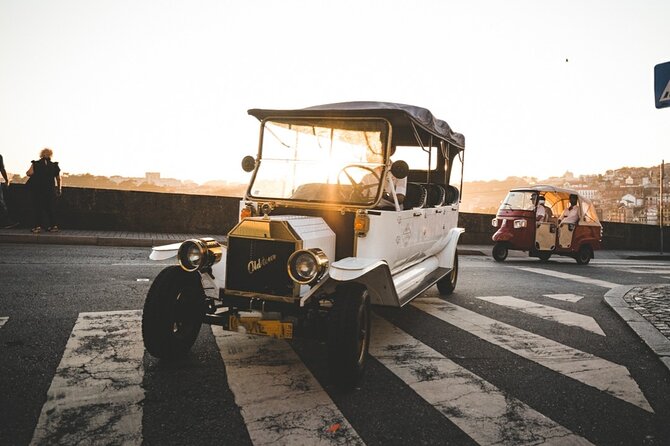
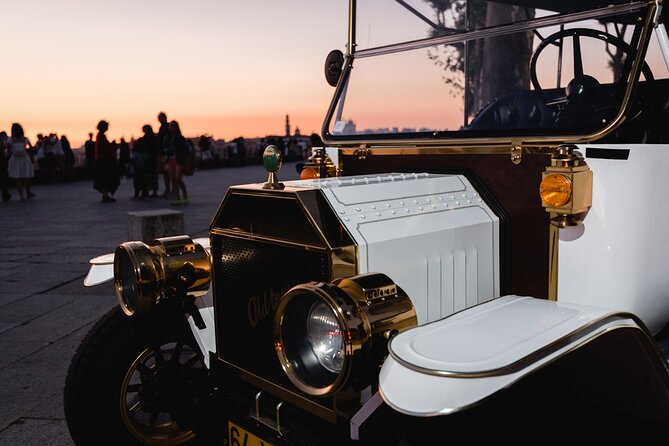
Pickup is flexible. You can meet your guide anywhere in the historic center or at one of the listed points. The guide is identified with the name Oldtour, and the car is described as black, white, or dark green, so spotting it should be straightforward.
That flexibility matters because Porto is made of neighborhoods, not one neat grid. Starting close to where you are staying usually means you lose less time to getting to a fixed meeting spot.
Here is the main heads-up. There are city-center vehicle restrictions mentioned as of Oct 1, 2024, affecting whether classic cars can drive in downtown Porto. In plain terms, the tour may not enter the very heart of central Porto by vehicle. You can still expect big views of Porto from Gaia, plus a manageable amount of walking afterward if you want to cross over.
Finally, keep expectations realistic about ride comfort. One review mentioned the car could use shocks. The upside is you get a special vehicle and a guided route, but the tradeoff is that the ride may feel a bit bouncy on uneven streets.
São João Theatre: neoclassical Porto in one stop
São João Theatre is an easy place to understand Porto’s cultural side. You’ll pause at one of the city’s main cultural attractions, set in the heart of Porto. It opened in 1898 and is known for a neoclassical design plus a decorated interior, including impressive frescoes.
Even if you do not have time for a long museum day, this stop gives you context. It shows how Porto’s wealth and taste expressed themselves in stone, symmetry, and public spaces for performances. If you love architecture, your guide should connect the dots between the theatre’s look and how Porto built its identity over time.
What I like here is the pacing. This tour is about covering enough ground to feel you learned the city, without stuffing in long ticket lines. The theatre stop fits that goal well.
Praça da Batalha: the square that connects Porto’s daily life
Praça da Batalha is one of Porto’s emblematic squares in the historic center. It’s named after battles, and it’s also where the Teatro Nacional São João and the Igreja da Santíssima Trindade sit close by.
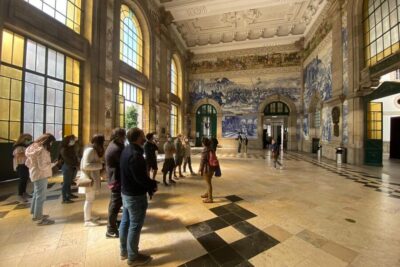
This stop is valuable for two reasons. First, it’s a quick cultural snapshot: you get the square, the buildings, and a sense of why this area matters. Second, it acts like a map marker. Your guide can use this point to connect you to nearby streets and areas you’ll want to explore later on foot, including Rua de Santa Catarina and the direction toward São Bento Station.
Even if you’re not stopping for a coffee, this is one of those places where you can stand, look around, and instantly feel the rhythm of Porto. It helps you understand where the city’s walking routes naturally want to flow.
Fernandina Wall and Porta da Ribeira: medieval defenses with river views

Porto’s Fernandina Wall is one of the clearest reminders that this city was once a place under threat, not just a postcard. Built between the 14th and 15th centuries during King Ferdinand’s reign, the fortification stretched about 3 kilometers with towers and gates.
On this tour, you’ll focus on where remnants still show up clearly, especially near Porta da Ribeira. This is a smart stop because it pairs medieval context with something current and beautiful: views over the Douro River and the city.
What to expect: you’ll likely get a guided explanation of how walls like this worked, then see the segment in a way that makes it feel real, not textbook. This is also the kind of stop that pays off later, because you start noticing Porto’s layers when you walk around after the tour.
A few more Porto days, taken slowly
Serra do Pilar Monastery (UNESCO): a circular church and a view stop
Serra do Pilar Monastery is a UNESCO World Heritage site, and this stop has two big advantages. It’s historically distinctive, and it’s timed for a comfortable break.
You’ll spend about 15 minutes here with admission listed as free. The monastery features a circular-plan church that’s described as Mannerist architecture in Portugal. You also get access to a peaceful cloister area, plus sweeping views over the Douro River and Porto.
If you want a quick but meaningful “wow,” this is it. Porto’s best viewpoints often require climbing. This is one of those rare moments where the climb payoff is built in. Even in a short window, the views help you orient yourself spatially, like you can finally see how Porto sits along the river.
Luís I Bridge: Eiffel engineering with the right vantage

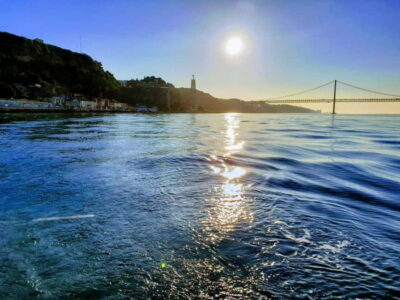
The Luís I Bridge is one of Porto’s signature landmarks, and your tour includes time to appreciate it. It opened in 1886, and it’s credited to engineer Gustave Eiffel. It has two levels, with the upper level for vehicle and pedestrian traffic.
Why it’s a highlight on a guided tour: the bridge is easier to read when someone explains its structure and why it looks the way it does. From the right angles, those iron lines do not just look pretty, they look logical.
Also, bridge stops matter for photo timing. Porto’s lighting changes quickly, and the tour adds viewpoint breaks so you are not just passing by landmarks in motion.
Jardim do Morro: where you can breathe and plan your sunset
Jardim do Morro is one of the simplest pleasures in Vila Nova de Gaia. It works as a starting point for exploring the region and connects toward the Luís I Bridge.
This is also a relax-and-reset stop. It can become a great sunset spot because of the views over Porto’s skyline. The garden is known for hosting cultural events and festivals, so even outside event times, it has a lived-in feel.
If your legs feel the climb in Porto, this stop gives you a calmer moment. It’s also useful even if you already know Porto’s famous sights, because gardens like this help you understand Gaia as more than just a bridge-viewing platform.
Maria Pia Bridge: industrial Porto that still looks elegant
Maria Pia Bridge is a standout piece of railway engineering. It was inaugurated in 1877 and designed by Gustave Eiffel. It’s described as one of the first metal plate bridges, with a length of about 350 meters and a height around 60 meters.
Your guide should help you see it as industrial heritage, not just another bridge. Even though it no longer supports trains, the structure still looks bold, and it catches the eye in a way that fits with Porto’s modern tourism.
This stop pairs well with the earlier bridge moments. After Luís I, Maria Pia helps you compare eras and purposes. You start noticing differences in design choices and how each bridge shaped travel between Porto and Gaia.
Clérigos Tower and the baroque church façade you will notice
Clérigos Tower is a must-see landmark, and your tour includes it as a guided stop. Your guide will share stories about the tower’s architecture and historical significance.
From there, you’ll also get a look at the Baroque façade and a richly decorated interior with tiles. The church portion includes background on the religious order and why the site matters.
If you have any interest in how Porto’s religious art and design evolved, this is one of the more satisfying stops. It gives you a concentrated dose of baroque drama, with visual richness from the façade to the tilework inside.
Keep in mind that ticketed entry for churches or towers is not listed as included. So if you want interiors beyond what’s visible on the stop, you may need to budget extra time and possibly extra tickets.
Porto Cathedral and Miradouro da Vitória: final big views
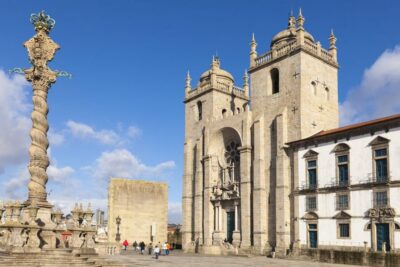
Your last major architecture stop is the Cathedral, where you can explore Gothic and Romanesque elements. The guide provides stories about the cathedral’s religious and cultural background, and the experience may include a visit to the cloisters.
Again, since monument tickets are not listed as included, I’d treat this as a guided orientation stop first. You’ll get the meaning and the design basics during the tour, then you can decide on your own whether you want to pay for deeper access on the day.
Then comes Miradouro da Vitória, one of Porto’s viewpoints where you get stunning perspectives over the Douro River. From here, you can enjoy a charming angle on the bridges and the colorful riverside buildings.
This ending matters. If you start the day with grand landmarks, your photos can feel random later. Ending with a viewpoint helps you connect the dots, so your memory of the day is anchored in where everything sits.
Price and value: what $47.18 gets you in real terms
At $47.18 per person, this tour is priced like a “smart add-on,” not a budget gamble. For that cost you get a private guide or driver, private transportation, insurance coverage, and multiple landmark stops that would take a lot longer on foot.
You also get built-in structure. The tour includes two paragens of about 10 minutes at miradouros. You get at least one major free-admission timing benefit at Serra do Pilar (15 minutes, admission free). And you get a vehicle experience that makes short stops easier because you are not immediately committed to long walking stretches.
If you’re traveling with just two or four people, the private format can be especially good value. If you’re a solo traveler, it can still be worthwhile because the guide helps you avoid aimless wandering on hills, and you get a coherent route instead of a list of landmarks.
Who should book this tour, and who might skip it
Book it if you want:
- A private, small-group orientation to Porto in a short time
- A fun vehicle ride that makes photo stops feel easy
- A guided mix of bridges, medieval remnants, and major church and theatre landmarks
- A realistic way to see both Porto and Gaia viewpoints without planning transit between areas
Skip or adjust expectations if:
- You need a heavy ticket-based day with lots of museum time. Tickets are not included for other activities, monuments, or entries.
- You expect the classic car to drive into the very center of downtown Porto during the vehicle restriction period after Oct 1, 2024. The tour itinerary may route you differently, often more Gaia-focused for driving.
For my money, this is a great first-tour choice. It helps you decide what to return to on your own later, especially viewpoints and architecture that you’ll feel motivated to photograph again.
FAQ
FAQ
How long is the Porto private tour in the classic Ford T?
It runs for about 1 hour on average, approximately. Your actual time on the ground can vary with pace and photo stops.
Is pickup included, and where do we meet?
Pickup is offered. You can meet anywhere in the historic center or at one of the listed points. The guide is identified as Oldtour, and the vintage car is described as black, white, or dark green.
What language is the guide speaking?
The tour is offered in English.
How many people can be in each car?
The maximum is 7 people per car.
Are admission tickets for monuments and museums included?
Tickets for other activities are not included. Monument and museum entry may require separate tickets, while Serra do Pilar is listed as free for 15 minutes.
What is the cancellation policy?
You can cancel for a full refund up to 24 hours in advance of the experience start time. If you cancel less than 24 hours before, the amount paid is not refunded.
What Porto sent us most recently
- Douro Tour with Wine Tasting, River Cruise and Visit to Lamego
★ 5.0 · 118 reviews - From Porto: Full-Day Douro Historical Tour
★ 4.6 · 120 reviews - Porto: Sunset Cruise on the Douro River & Iconic Bridges
★ 4.1 · 122 reviews - 4-hour Guided Porto Pub Crawl with 6 drinks and VIP CLUBentry
★ 4.5 · 124 reviews - From Porto with view to Gaia: Private Bike Tour #DuckSideOfPorto
★ 5.0 · 124 reviews - Douro Valley Half-Day Tour with Winery and Lunch From Porto
★ 5.0 · 125 reviews - Porto Food Half-Day Tour
★ 5.0 · 124 reviews - MagicTrain Tour and Port Wine Cellar Visit & Tasting
★ 3.0 · 125 reviews
Historical Tours, compared.
Historical Sites, Wine Experience, Lunch & Cruise
Read our review →
Daytime or Sunset Boat Cruise with History and Wine
Read our review →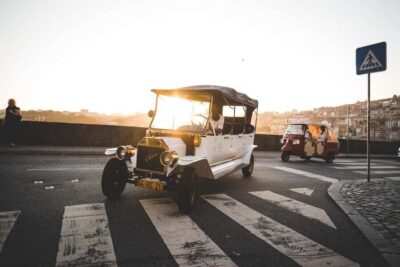
Private Tour of the Historic City in a Ford T Car
Read our review →
Browse the lists this tour appears in