Reviewed · THINGS TO DO IN LISBON
Portuguese flavors in a typical village home
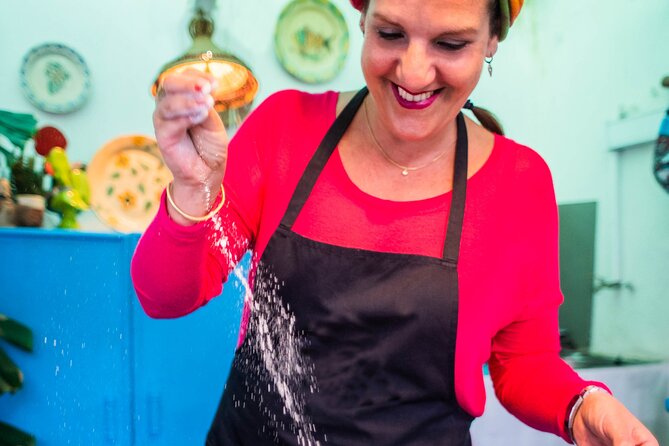
Food, stories, and a house made for lingering. This 3 hour Portuguese cooking get-together trades city sights for a small village home, where you help prepare a seasonal meal and hear the kinds of family stories you just do not get from a museum. I especially like the way the menu is adjusted to what you need, and how the work stays relaxed enough that you can actually enjoy the table, not just perform cooking moves.
The other big win for me is the setting. You start in Lisbon area and reach a picturesque valley village fast, then you eat and talk in a home that feels lived in, with Katija sharing local history around the cooking process. One possible drawback: this is an easy, friendly cooking experience rather than a technical, chef-style class, so don’t expect super complex, step-by-step training every minute.
In This Review
- Key highlights worth planning around
- A village home table, reachable from Lisbon
- Meet Katija, and settle into the cooking rhythm
- Starter hour: local couvert, olives, cheese, and jam toast
- The main course cooking: seasonal house recipe logic, not rigid formulas
- When the weather changes, the experience adapts
- Local stories around the table: why the house matters
- Dessert: picking a typical Portuguese sweet based on the day
- Drinks included: wine, tea, and how to treat it
- The price, $106.65, and where the value really comes from
- What makes this one of the better Lisbon area foodie picks
- Who should book this (and who should skip it)
- Should you book this Lisbon village meal experience?
- FAQ
- Where does the experience start and end?
- What time does it start?
- How long is the experience?
- Is transportation included?
- What is included in the lunch?
- How big is the group?
- Can the menu accommodate dietary restrictions?
- Is it offered in English, and do I get a ticket on my phone?
- What if the weather is bad?
Key highlights worth planning around
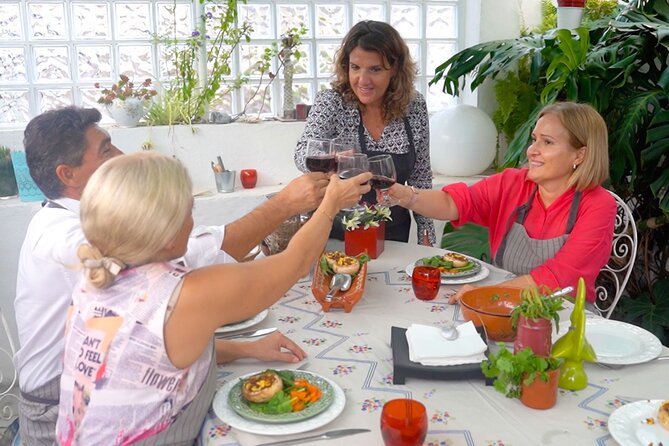
- A small group meal capped at 6 people, so you can ask questions and actually chat
- Fresh, daily selected ingredients that drive the menu choices by season
- Hands-on cooking with a relaxed pace, including tasks you can participate in
- Homegrown or garden ingredients in the mix, with tea made from picked herbs in at least one session
- Dietary preferences handled, with menu changes reported for allergies
- Lunch is the point, with appetizers, main, dessert, and wine included, not a wine tasting
A village home table, reachable from Lisbon
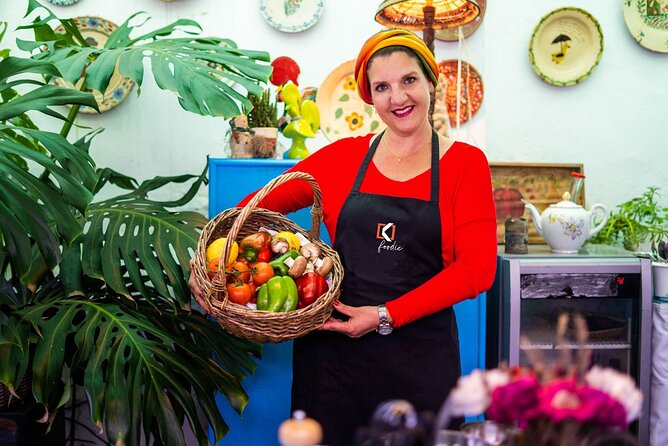
This is one of those Lisbon area experiences that feels like a mini time machine. You head out from the Igreja de São Bento de Valejas area in Barcarena around 1:00 pm, and within about 20 minutes you’re in a small, pretty village in the Lisbon region. The whole plan is built around slowing down: cook together, eat together, and hear the valley’s stories while the meal comes together.
I like that the format makes the distance from Lisbon feel less intimidating. If you are staying in Lisbon, Sintra, or Cascais, you have realistic ways to reach the meeting area, then the activity handles the rest of the “you are somewhere else now” feeling. And because it ends back at the same meeting point, you do not have to worry about complicated returns after lunch.
More Things to Do in Lisbon
- Lisbon City Center Tour – The Unmissable Lisbon★ 5.0 · 22,234 reviews
- Lisbon: Sintra, Pena, Regaleira, Cabo da Roca & Cascais★ 4.7 · 19,656 reviews
- Lisbon Card: 24, 48, or 72-Hour Pass★ 4.5 · 17,944 reviews
- Lisbon: Jerónimos Monastery Entrance Ticket★ 4.1 · 14,164 reviews
Meet Katija, and settle into the cooking rhythm
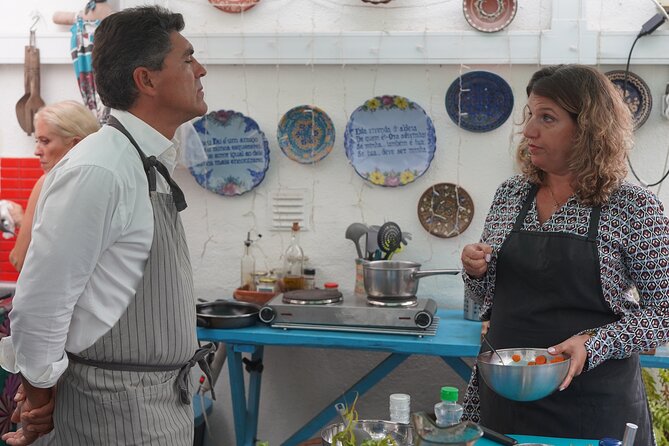
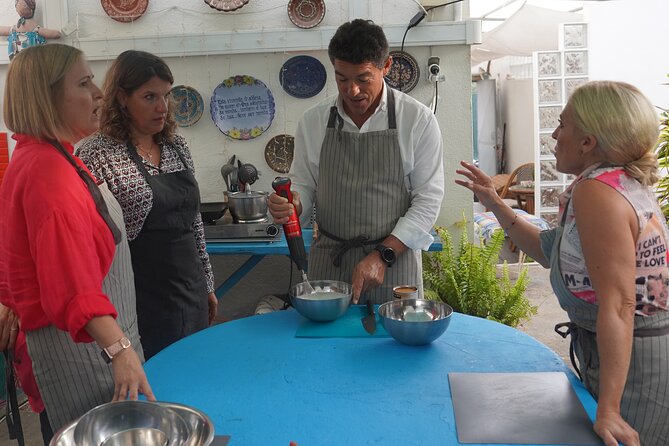
The host for this experience is Katija, and the tone is warm and personal. From what you can expect, she welcomes you into her home, shares context about Portuguese food and the meaning behind recipes, and keeps the pace friendly rather than rushed. The group stays small, which helps the conversation stay easy, especially if you want to ask questions about ingredients, traditions, or everyday Portuguese life.
Timing matters here. You are not just “watching and eating.” You are arriving, settling in, and moving into course work on a schedule that fits a roughly 3 hour afternoon. That is long enough to feel productive, but short enough that you will not burn your day with an overly long class.
Also, do not plan this like a solo chef workshop. One review noted the activity felt like an elementary level workshop, with a desire for more hands-on complexity. If you want deep technique training, you might find it lighter than you hoped. If you want a comfortable, social cooking experience that ends with a real meal, it hits the mark.
Starter hour: local couvert, olives, cheese, and jam toast
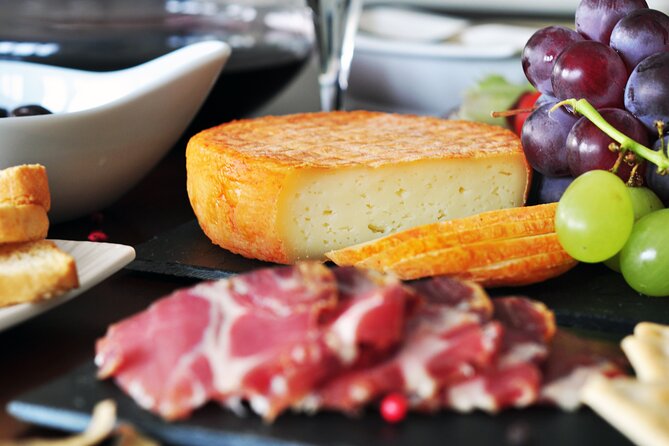
Before the main cooking really gets going, you start with a Portuguese-style welcome. This part is practical and fun: you settle in, you sip something (the included options are tea, wine, or water), and you start on typical Portuguese starter items like olives, cheese, local jam, and toasts.
This starter phase is not filler. It sets the flavor map for what comes next. You get a feel for Portuguese taste patterns right away, especially the mix of salt, fat, sweet, and simple bread. It’s also a nice moment to meet the other people in your small group, since you will likely be seated together for the meal.
If you are the type who likes to understand the “why” behind food, pay attention during this early part. Katija’s style, based on the experience described, includes stories that link the ingredients to Portuguese life and history, not just instructions to chop vegetables.
The main course cooking: seasonal house recipe logic, not rigid formulas
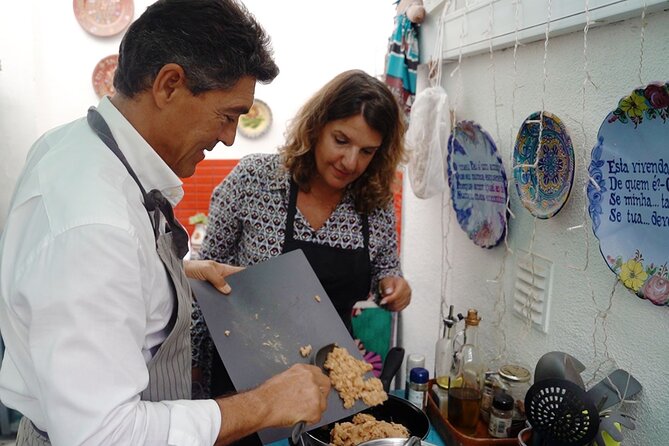
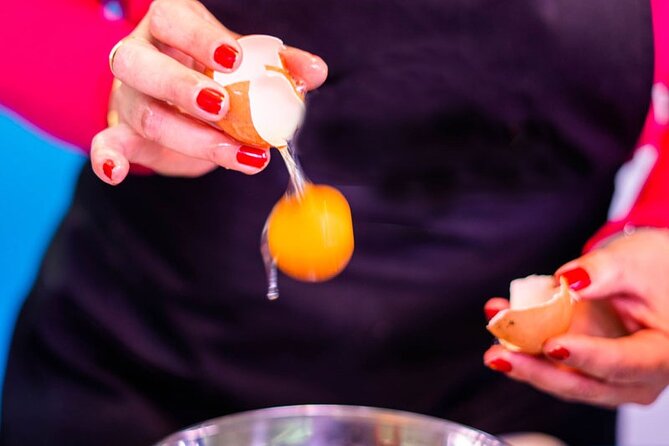
This is the core of the experience. You will prepare a house recipe to taste, and Katija adapts the menu depending on the season and on your dietary restrictions and preferences. That flexibility is a real value point, especially if you need allergy accommodations, because you are not hoping a company kitchen can handle it at the last minute.
You should also expect a mix of tasks. In a small group, the work tends to rotate, so you’re not stuck with only one boring job. You might slice and sauté aromatics, add ingredients as the pot builds, or help with steps that connect the starter flavors to the main dish.
From the food examples shared, Portuguese classics can include things like bacalao, dried cod that plays a big role in Portuguese kitchens, and seafood or rice-based dishes such as octopus rice. Other versions might feature dishes like beans with squid and chorizo served with garlic rice, depending on what is being cooked on the day.
A key note for expectations: this is cooking plus conversation. One review highlighted that it is a demonstration-style experience where you participate, but you may not perform every complex step end-to-end. That can be a plus if you want a calm afternoon and good guidance, but it may feel too simple if you are hunting for a more demanding cooking class.
When the weather changes, the experience adapts
Portugal weather can be unpredictable. The experience is described as requiring good weather, and at least one session adjusted to rain by moving indoors. If it is raining, you can still expect the same basic structure, just in a different space in the home setup.
When the light changes over Lisbon, try these:



Local stories around the table: why the house matters
What makes this more than a meal is the storytelling tied to the place. Katija shares local tales while you cook, including details about her village and her home. In at least one described session, that included family photos and artifacts connected to her grandfather, creating a tangible sense of continuity.
This matters because Portuguese food is often simple on the surface, but it has deep roots in availability, seasonality, and family habits. When Katija explains why a recipe is built the way it is, you start to see the logic: not just what you’re eating, but why it became a tradition.
If you enjoy food culture as lived experience, you’ll likely love this angle. You can ask questions during the cooking, then keep talking while eating. It feels like you’re visiting, not cramming facts.
Dessert: picking a typical Portuguese sweet based on the day
You finish with dessert chosen by Katija from the wide world of Portuguese sweets. The selection shifts, and the clue is in how Portuguese desserts tend to fall into two big categories: dairy and egg-based treats, or fruit desserts with a special touch.
In some sessions, dessert examples shared include a whipped crème with coffee served on a bed of cookies. Even if the specific sweet changes, the pattern is consistent: you get a classic finish that feels at home in a Portuguese table, not a generic “tour dessert.”
This is also when the group energy usually softens. You’ve cooked, you’ve eaten, and now you can slow down for conversation. If you want a photo moment, dessert is often a natural checkpoint.
Drinks included: wine, tea, and how to treat it
Drinks are included with lunch, including red and white wine, plus tea and water. That said, keep your expectations grounded. One description specifically warned that this is not a wine tasting event. You are pairing wine with your meal while Katija keeps the focus on cooking and Portuguese food culture.
If you want to drink, it’s there and it fits the meal. If you do not, it does not lock you into alcohol. Tea and water are part of the inclusive drinks plan.
The price, $106.65, and where the value really comes from
At $106.65 per person for about 3 hours, this can look like a splurge until you break down what’s included. You’re paying for a full lunch package: appetizers, main, dessert, and drinks. You’re also paying for guidance, ingredient selection, and the host’s time in a private home environment.
Add in the learning component. You get an e-book of recipes as an exclusive offer after you share your opinion, and at least one experience described receiving a custom e-book email a couple days later. In other words, you leave with more than memories. You have a practical way to reproduce at home, even if you only make the parts you liked most.
The one thing not included is private transportation. You will need to handle your ride to the meeting point on your own. Still, the experience is described as easily accessible from Lisbon, Sintra, or Cascais by car or train, which makes it easier to plan than tours that require a far-off transfer.
What makes this one of the better Lisbon area foodie picks
I like that the experience stays authentic without feeling chaotic. You get real Portuguese food, you cook with fresh ingredients, and you get cultural context built into the meal. The small group size helps a lot. With up to 6 people, the afternoon does not feel like an assembly line.
Another strong point is accommodation. The menu is adapted for dietary preferences and restrictions, including at least one case involving an allergy. That is a big deal when you want to feel comfortable during a food experience.
Finally, there’s the “home” factor. The home is described as more than 100 years old, in a scenic valley. That age shows up in the atmosphere: the pace feels slower, and the setting encourages conversation instead of constant moving.
Who should book this (and who should skip it)
This works best for you if you want:
- A relaxed, social food experience near Lisbon
- Hands-on cooking with guidance, not a strict culinary boot camp
- Portuguese home-style flavors and stories from the host’s perspective
- A lunch that includes wine and dessert, with menu changes for dietary needs
You might skip it if:
- You want a high-level technical cooking class with advanced methods
- You dislike an informal, conversation-first format
- You are only interested in a quick, no-dialogue meal stop
Should you book this Lisbon village meal experience?
I think this is a strong “yes” for most people visiting Lisbon for the first time or for the tenth time. It’s close enough to your base to fit easily into an itinerary, and it delivers exactly what food trips should deliver: you eat well, you learn by doing, and you leave with a piece of the place in your head and on your plate.
Book it if you can handle a relaxed afternoon with a small group and you want Portuguese culture through food. Consider skipping or setting expectations lightly if you are chasing a rigorous cooking curriculum. If your goal is authentic, friendly, and satisfying, this is the kind of meal memory you’ll keep long after your Portugal photos fade.
FAQ
Where does the experience start and end?
It starts at Igreja de São Bento de Valejas, Barcarena, 2730-106, Portugal, and it ends back at the same meeting point.
What time does it start?
The start time is 1:00 pm.
How long is the experience?
It lasts about 3 hours.
Is transportation included?
No. Private transportation is not included.
What is included in the lunch?
You get appetizers, a main course, dessert, and drinks, including red and white wine, tea, and water.
How big is the group?
The group is capped at a maximum of 6 travelers.
Can the menu accommodate dietary restrictions?
Yes. The menu is adapted depending on dietary restrictions and preferences.
Is it offered in English, and do I get a ticket on my phone?
It is offered in English, and you receive a mobile ticket.
What if the weather is bad?
The experience requires good weather. If it is canceled due to poor weather, you are offered a different date or a full refund.
What Lisbon sent us most recently
- From Lisboa: Sintra, Cabo da Roca & Cascais Private Full Day Tour
★ 5.0 · 39 reviews - Best of Sintra and Cascais Private Full Day Tour
★ 5.0 · 39 reviews - Private Sailing tour in Lisbon – Day Time, Sunset and Night
★ 4.5 · 39 reviews - Tuk Tuk Lisboa – Sightseeing Tours
★ 4.5 · 39 reviews - Private Experience Óbidos Nazaré and Fátima or Aveiro and Óbidos
★ 5.0 · 39 reviews - Belém and Jerónimos Monastery Private Walking Tour & Ticket
★ 4.5 · 39 reviews - Lisbon Private Luxury Tour
★ 4.5 · 39 reviews - Exclusive Lisbon Progressive Dinner & Wine Tour
★ 5.0 · 40 reviews
Things to Do in Lisbon, compared.

Lisbon City Center Tour – The Unmissable Lisbon
Read our review →
Sintra, Pena, Regaleira, Cabo da Roca & Cascais
Read our review →

Sunset Boat Party Cruise with DJ and Open Bar
Read our review →
Sintra, Pena, Regaleira, Cabo da Roca, and Cascais
Read our review →