
Reviewed · COOKING CLASSES
Pastel de Nata Baking Class – Portugal’s Famous Custard Tart
Pastéis de Nata, taught like a show. In Lagos, this hands-on class with Joana Glória turns Portuguese custard tart lore into real baking, with everything you need included and a PDF recipe emailed afterward. I especially love the small group size (max 10) and the calm, step-by-step teaching in English. One thing to consider: you may not roll and shape every bit of the pastry yourself, since the pastry cases can be partly pre-prepared for timing and waste reduction.
This is a 2-hour activity built for fun as much as technique. You’ll make the creamy custard, assemble your tarts, bake them, and eat the results right there in the kitchen. If you like friendly instruction, this is the kind of class where people end up chatting at the counter while the oven does its job.
In This Review
- Key highlights to look for
- Where to Go in Lagos: finding The Kitchen without stress
- Meet Joana Glória and the class rhythm (2 hours, max 10)
- The custard you will learn: creamy center, Portuguese style
- Puff pastry and the pastry cases: what you do and why
- Assembling and baking: from cups to blistered tops
- What you eat, plus the social bits that make it feel like a real afternoon
- Price and value: is $78.44 a good deal?
- Who this class is best for, and who should think twice
- Taking Pastéis de Nata home: use the PDF and a few smart habits
- Practical tips before you go
- Should you book this Pastéis de Nata Baking Class in Lagos?
- FAQ
- How long is the Pastel de Nata baking class?
- Where is the meeting point in Lagos?
- Is the class offered in English?
- How many people are in the group?
- What will I learn to make during the class?
- Do I get to eat the Pastéis de Nata?
- Do I receive a recipe after the class?
- Can I get a full refund if plans change?
Key highlights to look for
- Small group, big attention with a maximum of 10 people
- Hands-on custard and assembly, not just watching
- Taste right after baking, so you get that fresh-top texture
- Joana’s lively, engaging English instruction style
- Recipe follow-up by email as a PDF you can use at home
- Port wine and games show up in some sessions, especially while waiting for bake time
Where to Go in Lagos: finding The Kitchen without stress
The class starts at Rua Lucinda Anino dos Santos F, 8600-722 Lagos, Portugal. It runs about 2 hours and ends back at the meeting point, so you are not bouncing around the city.
One practical perk is that the spot is near public transportation. If you are staying in the center of Lagos, you can usually plan on an easy bus or short walk, then settle in rather than racing between stops. You also get a mobile ticket, which keeps the start smooth.
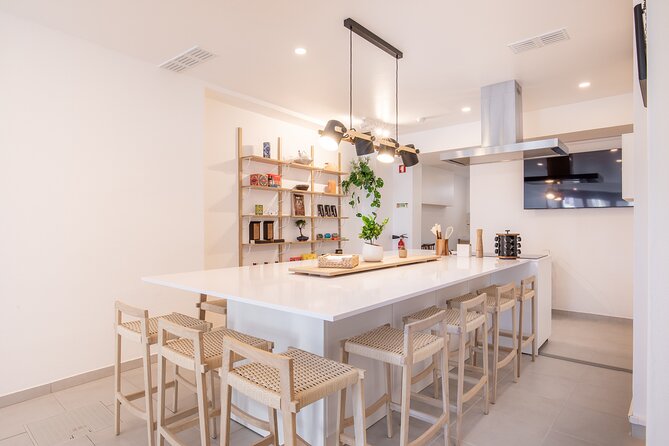
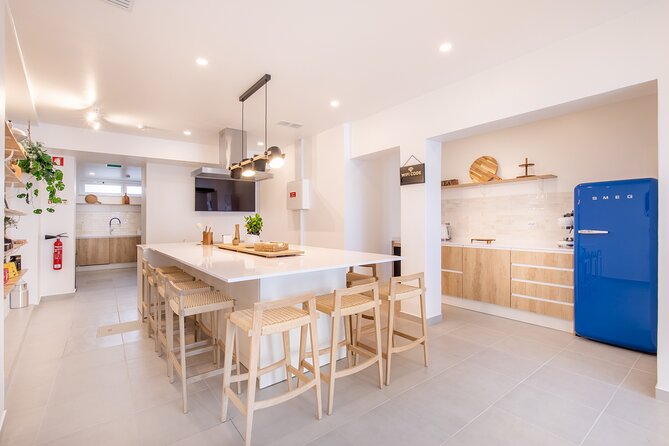
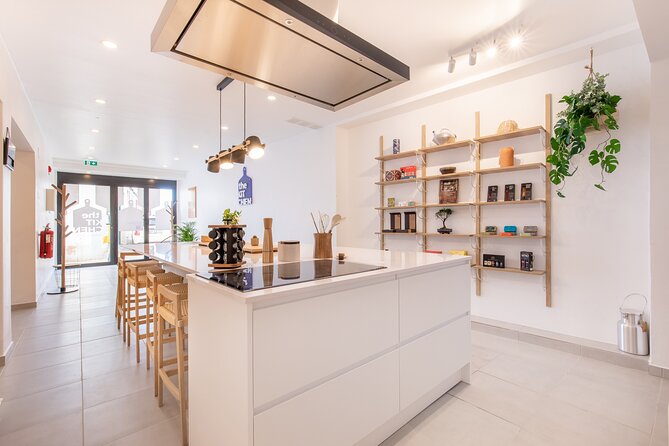
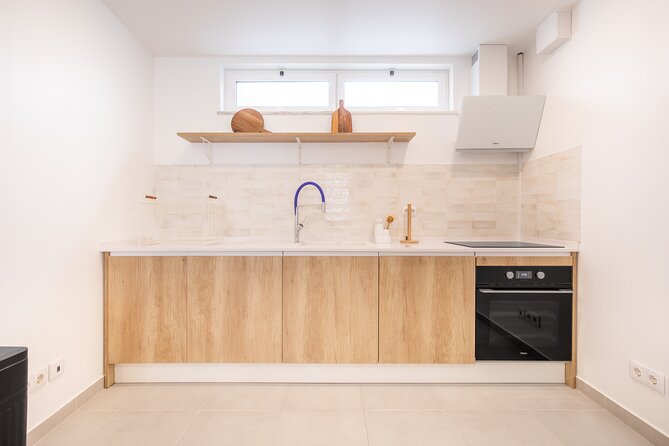
The vibe matters here. Reviews describe the kitchen as beautiful and the space as newly set up, which makes a baking class feel less like a cramped demo and more like a real workshop.
More custard tarts from your own oven:
- Lagos: Bake Pastel de Nata – Class in Lagos, Algarve★ 4.9 · 198 reviews
- Lisbon: Pastel de Nata Baking Class★ 4.9 · 2,106 reviews
- Porto: Pastel de Nata Cooking Class with Grandma’s Recipe★ 5.0 · 1,565 reviews
- Porto: Pastel de Nata Pastry-Making Workshop★ 4.9 · 1,542 reviews
Meet Joana Glória and the class rhythm (2 hours, max 10)
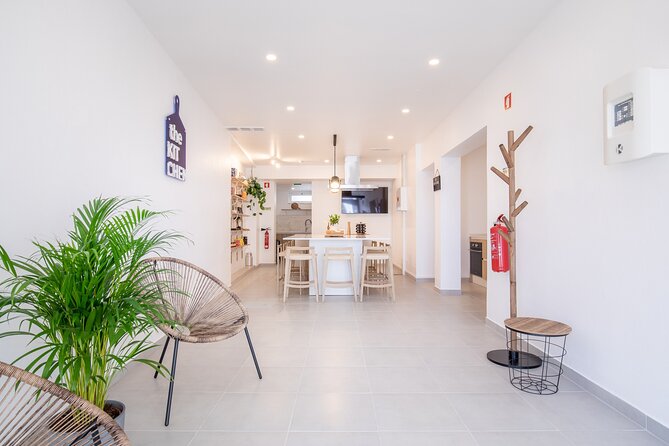
This is a small group setup, with a maximum of 10 travelers. That size is a big deal because Pastéis de Nata are all about small timing and small technique choices. When the group is limited, you are more likely to get quick coaching when something looks off.
Joana Glória is the name that pops up again and again. People describe her as engaging, entertaining, and patient, with English that is easy to follow. She also brings more than baking, with some sessions including history and local Algarve and Lagos info, plus suggestions about what to see and do beyond the kitchen.
The rhythm usually goes like this: a quick intro to what you will make, then work that alternates between hands-on tasks and waiting time. Waiting time is not dead time either. One review mentions games while the pastry bakes, and it makes the whole class feel lighter and more social.
The custard you will learn: creamy center, Portuguese style
The core of Pastéis de Nata is the custard, and the class teaches you how to make it. Your hands get involved in creating the creamy filling, and the instruction focuses on combining the right parts so it bakes into that thick, sliceable custard texture.
In a short class, the best part is that you learn the method, not just the ingredients. You get guidance on what the custard should look like as you go, and you spend time at the point that matters most for the final tart: getting the filling right so it sets properly in the oven.
The end result is also part of the learning loop. You eat what you bake at the end of the class, so you can connect your decisions during mixing and filling with what lands on the plate.
Puff pastry and the pastry cases: what you do and why
The overview says you’ll learn the steps for puff pastry, then combine it with the custard and bake the tarts. That is the theory of the experience, but here is the practical detail that you should know before you go.
One feedback point is that you may not make every pastry case from scratch by hand. In some sessions, the pastry cases you bake are partly pre-prepared using pastry from earlier participants. The reason given is practical and sustainability-minded: the pastry is reused rather than discarded, and it also keeps the class on schedule so everyone can focus on the most important steps.
So, what can you expect you will be doing? You will spend time on the custard and on filling and assembling the tarts. You will still be hands-on, and you will still bake and eat the results. But if you are the type who wants a full do-it-all dough day, you might feel slightly limited on the pastry-making end.
My take: for most people, that tradeoff is worth it. Pastéis de Nata are time-sensitive, and you only have about two hours. Focusing your effort where it matters most lets you actually finish the class with edible, bake-ready tarts instead of leaving hungry and doughy.
Assembling and baking: from cups to blistered tops
Once your filling is ready and your pastry cups are in place, the class moves into assembly. This is where the small steps matter. The goal is to combine the custard and pastry in a way that bakes up properly, with that signature top texture that makes Pastéis de Nata recognizable in a split second.
After assembly, you bake. The best part of a cooking class like this is the immediate payoff. You do not have to wait days, or guess how your method worked. Your tarts come out of the oven, you eat them, and you get a feel for what good looks like.
Timing is also part of the skill. Custard can go from set to overdone quickly, and pastry can shift if it runs too hot for too long. Because the group is small and instruction is direct, you have a better chance of nailing the bake cycle than if you try to copy the process cold at home.
One fun detail: some people joke that a tart might escape a pastry case while baking. The good news is that even mishaps still taste great, because custard and baked pastry are hard to mess up completely.
More Portuguese kitchens with the door ajar:
What you eat, plus the social bits that make it feel like a real afternoon

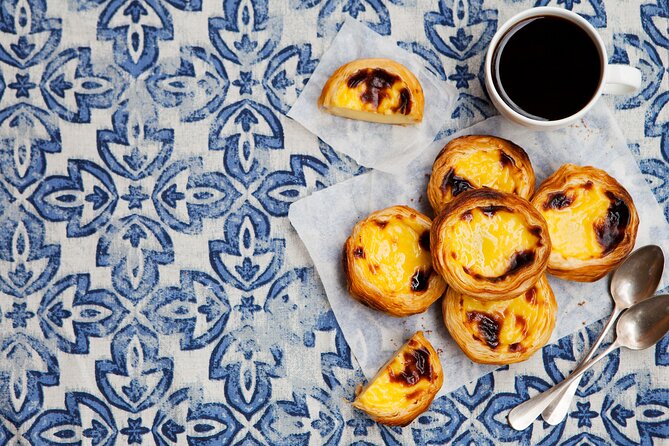
You end with Pastéis de Nata made during the class. That means you get the warm, freshly baked version, not a pre-made sample that tastes like it is waiting for a camera.
Some sessions also include a small toast of port wine with the tarts. Since this detail shows up in review notes, you can treat it as a strong possibility, but do not plan your entire evening around it.
There is also a social side. Reviews mention games while you wait, and one person even celebrated a birthday by adding a candle to one of the tarts. That tells you the atmosphere is flexible and human, not stiff or rushed.
If you want a cultural experience without a museum schedule, this works well. It is food-based learning with just enough local context from Joana to make it feel rooted in Portugal, not just a generic cooking demo.
Price and value: is $78.44 a good deal?
At $78.44 per person for about two hours, the price is not cheap, but it also is not purely paying for watching someone else cook.
You are paying for a few specific value points that add up:
- All ingredients and cooking tools are included, so you do not face a shopping list before you arrive.
- You eat what you bake, which is a real part of the cost, not a token bite.
- You get a PDF recipe by email, which is the difference between leaving with a full stomach and leaving with a skill you can repeat.
- Small group size (max 10) helps you get real coaching instead of being one face in a crowd.
If you compare this to buying a few Pastéis de Nata around town, your money goes farther because you are not just consuming, you are learning the process. And because it is only two hours, it fits into a realistic Algarve schedule.
Who this class is best for, and who should think twice
This works great if you want a hands-on souvenir. You learn the custard method, practice assembly, and walk away with something you made and tasted immediately. People also mention the class feels doable even without prior cooking experience, so you do not need to be a confident kitchen person to enjoy it.
It is also a good fit if you enjoy meeting people while doing something practical. Small groups plus a shared oven clock create natural conversation.
Who might want to think twice? If you specifically want to create every pastry element from start to finish, the pastry-case setup may not fully match that expectation. Still, you are not just filling cups with pre-made dessert. You are working through the key custard and assembly steps, and you bake and eat your own tarts.
Taking Pastéis de Nata home: use the PDF and a few smart habits
The class includes a recipe follow-up: you receive an email with a PDF of the recipe after the experience. That matters because baking is repeatable only when you have exact notes.
When you cook again at home, focus on the parts you actually practiced:
- custard consistency and mixing method
- filling the pastry cups in an even, controlled way
- baking long enough for set custard and the right top texture
If you try it for the first time, keep your expectations realistic. You are learning a technique that depends on timing and temperature. Your first batch might not match Lisbon or Belém perfectly, but it should still taste like Pastéis de Nata because you now know what the filling should do in the oven.
And if you are the kind of traveler who likes to document what you do, plan to take a quick note while it is fresh. The smell, the timing, and the look of the baked tarts are your reference points.
Practical tips before you go
Here are the small things that help you enjoy the session more:
- Wear comfortable clothes, since you will be working with custard and assembling tarts.
- Keep an eye on the bake timing instructions, because this is where the texture is won or lost.
- If you have allergies, you should be upfront when booking or at the start. The class does include ingredients and tools, so it is worth clarifying what is used.
- Bring a phone for photos, especially since the kitchen experience and the final tarts look great.
Also, if you are traveling with friends, this is a fun shared activity. The small group size makes it easier to feel included rather than waiting for your turn.
Should you book this Pastéis de Nata Baking Class in Lagos?
Book it if you want an Algarve activity that feels genuinely Portuguese and not just a food stop. You get hands-on custard, a real baking moment, and a recipe you can use again thanks to the emailed PDF. The small group and Joana Glória’s teaching style make it feel welcoming, even if you have zero baking experience.
Skip it if your main goal is to hand-make every pastry component start to finish. The class aims for a complete, successful tart within about two hours, and that can mean the pastry cases are not entirely made from scratch in front of you.
If that tradeoff is fine, you will likely leave with the best kind of souvenir, a skill you can repeat, and tarts you can taste while they are still warm.
FAQ
How long is the Pastel de Nata baking class?
The class runs for approximately 2 hours.
Where is the meeting point in Lagos?
It starts at Rua Lucinda Anino dos Santos F, 8600-722 Lagos, Portugal, and ends back at the same meeting point.
Is the class offered in English?
Yes, the experience is offered in English.
How many people are in the group?
This activity has a maximum of 10 travelers.
What will I learn to make during the class?
You will learn how to make the creamy custard, prepare the puff pastry, combine the two elements, and bake the pastries.
Do I get to eat the Pastéis de Nata?
Yes. At the end of the class, you eat the custard tarts that were cooked during the session.
Do I receive a recipe after the class?
Yes. After the experience, you receive an email with a PDF of the recipe.
Can I get a full refund if plans change?
Free cancellation is available, and you can cancel up to 24 hours in advance for a full refund. If you cancel less than 24 hours before the start time, the amount paid is not refunded.
More Workshops in Lagos
- Beginner Surf Lesson at the Beautiful Algarvian West Coast
★ 5.0 · 377 reviews - Surf Lessons in Algarve
★ 5.0 · 101 reviews - Lagos: Group Surf Lessons For All Levels
★ 4.9 · 66 reviews
What Lagos sent us most recently
- 3 Hour Boat Trip to Ponta da Piedade
★ 4.5 · 39 reviews - Beautiful coastal drive to the Ponta da Piedade caves in Lagos
★ 5.0 · 40 reviews - 1 Day Algarve Surf Experience
★ 4.7 · 43 reviews - Ponta da Piedade Boat Tour to Caves and Beaches with Local Guide
★ 5.0 · 44 reviews - Ponta da Piedade and Lagos Coast Private tour
★ 5.0 · 45 reviews - Sunrise SUP Caves Tour in Lagos – Small Group Experience
★ 5.0 · 49 reviews - Best of the West
★ 5.0 · 50 reviews - Sunset Yoga at Lagos’s beautiful beach by el Sol Lifestyle
★ 5.0 · 52 reviews
Cooking Classes, compared.
Pastel de Nata Cooking Class with Grandma’s Recipe
Read our review →
Pastel de Nata Cooking Class with Port Wine – Sé
Read our review →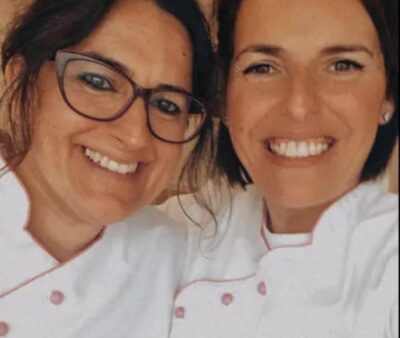
Lisbon Portuguese Cooking Class with 3-Course Dinner
Read our review →
Pastel de Nata Cooking Class with Porto Wine (Sé do Porto)
Read our review →Browse the lists this tour appears in