

Reviewed · WALKING TOURS
Lisbon: 3-Hour The Slave Trade – An Historical Walking Tour
Lisbon gets real fast on this walk. You trace the Atlantic slave trade through the streets near Alfama, and you do it with Rui Fernandes, a local guide who connects monuments to economics, politics, and lived experience. I love how the route stays practical, pointing to details you can still spot today, and I love the relaxed, question-friendly pace that makes the history feel clear instead of lecture-y.
One thing to consider: this is a heavy subject. You are walking through centuries of human suffering, so if you prefer lighter city stories, you might want to brace yourself first.
In This Review
- Key things that make this tour worth your time
- Meeting at Largo do Chafariz de Dentro, you start in Lisbon’s oldest layers
- Prince Henry to Atlantic slavery, Portugal’s role gets spelled out clearly
- Walking Lisbon’s streets, churches, squares, and monuments like they are primary sources
- The day-to-day life angle you rarely get on a standard city tour
- Brazil, abolition in Portugal, and liberation struggles, the story keeps its momentum
- How Rui Fernandes makes a hard topic feel organized, not overwhelming
- The coffee break and Q and A, where the tour turns into your tour
- Value check: why $35 for 3 hours can be a smart buy
- Who should book, and who might want a different day
- Should you book the 3-hour Lisbon Slave Trade walking tour?
- FAQ
- Where is the meeting point for the tour?
- How long does the tour last?
- Is the tour in English?
- What group size should I expect?
- Is coffee included?
- Does the price include a guide?
- What should I bring, and what footwear is best?
Key things that make this tour worth your time

• Small-group format (capped at 6) keeps the discussion personal and interactive
• Guided by Rui Fernandes, a licensed local with training in history, political science, and economics
• Lisbon’s city-center landmarks get a new explanation, tied directly to Portuguese involvement
• A day-in-the-life focus helps you picture what slavery meant on the ground, not just in headlines
• Portugal and Brazil connections show up in the narrative, not as an afterthought
• Included coffee break and WC stop give you a real reset during the 3-hour walk
Meeting at Largo do Chafariz de Dentro, you start in Lisbon’s oldest layers
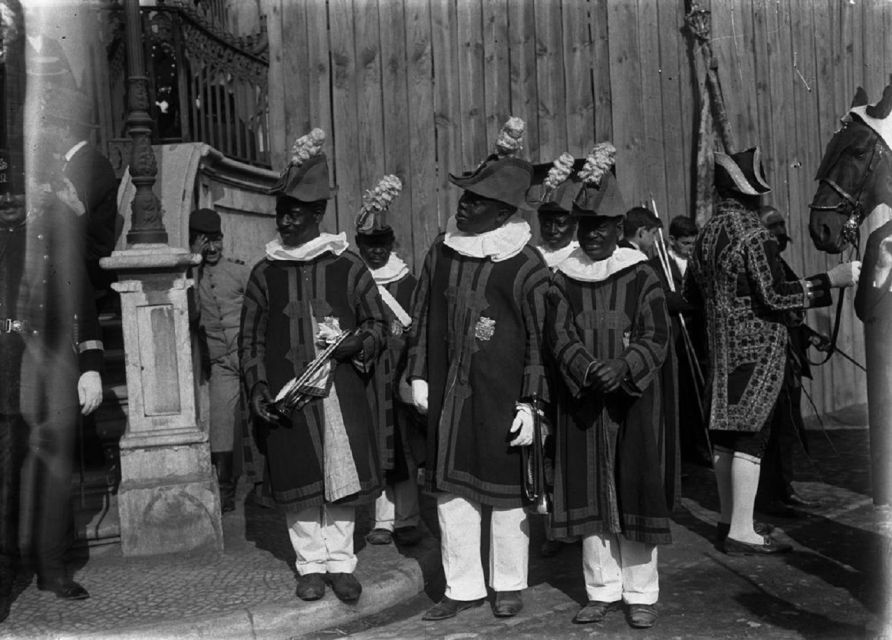
You meet at Largo do Chafariz de Dentro, right in Alfama territory. That matters because this part of Lisbon already feels like the city has been holding its breath for centuries. From the first moments, the tour frames what you are about to see as evidence, not as trivia.
The walking style is also worth noting. Several people highlight that the route is mostly flat or has only minimal inclines, which makes it easier to focus on the story rather than your breathing. Still, bring comfortable shoes, because cobblestones can be charming and annoying at the same time.
More Walking Tours in Lisbon
- Lisbon: History, Stories and Lifestyle Walking Tour★ 4.8 · 10,902 reviews
- Best of Lisbon Small-Group Guided Walking Tour★ 5.0 · 4,869 reviews
- Lisbon: Food and Wine Small Group Walking Tour★ 4.9 · 4,082 reviews
- Best of Lisbon Walking Tour: Rossio, Chiado & Alfama★ 4.9 · 2,700 reviews
Prince Henry to Atlantic slavery, Portugal’s role gets spelled out clearly
The core idea is straightforward: in the early 1400s, Portugal helped set the stage for what we now call the Atlantic slave trade. Under Prince Henry the Navigator, the Portuguese expansion and seafaring skill turned into a system that transported enslaved Africans across the ocean to the Americas.
This tour puts a number and a timeline on the crime, not to shock you, but to make the scale real: between 12 and 14 million people were sold into slavery, and the trade lasted for about four centuries. I appreciate how the guide ties big historical moves to real systems, especially when he shifts from exploration to economics and political power.
You also get a sense that Portugal did not just “happen” to be involved. The story examines the birth of the Atlantic slave trade, then traces how it fed wealth and influence for generations. That framing changes how you look at Lisbon’s growth, because you start to connect prosperity with painful infrastructure.
Walking Lisbon’s streets, churches, squares, and monuments like they are primary sources
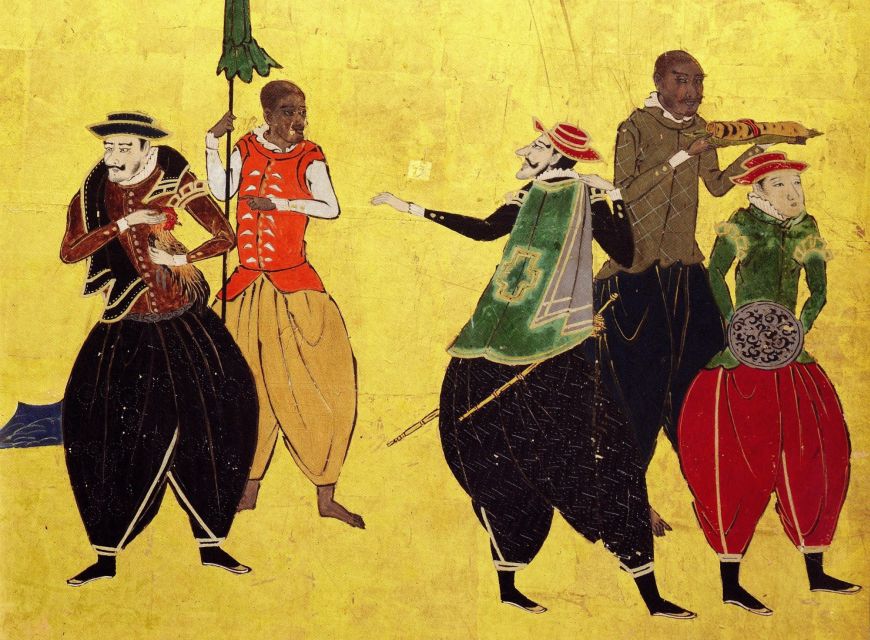
You do not just learn history in a museum. You learn it while moving through the city center, passing back streets and main avenues, monuments, churches, and public squares linked to this era. It is the difference between hearing a story and seeing where that story left footprints.
One reviewer mentioned the tour beginning in Alfama and watching how street names, building features, and even older uses of later grand buildings can hint at what happened underneath the city’s polished face. That is the key takeaway I think you will feel too: Lisbon is layered, and the tour helps you read those layers with new eyes.
There is also a practical payoff for your sightseeing. After this walk, you will likely look at historic façades and wonder who benefited, who was forced, and how power moved through ports and institutions. That does not erase the beauty, but it does stop the city from being one-dimensional.
The day-to-day life angle you rarely get on a standard city tour
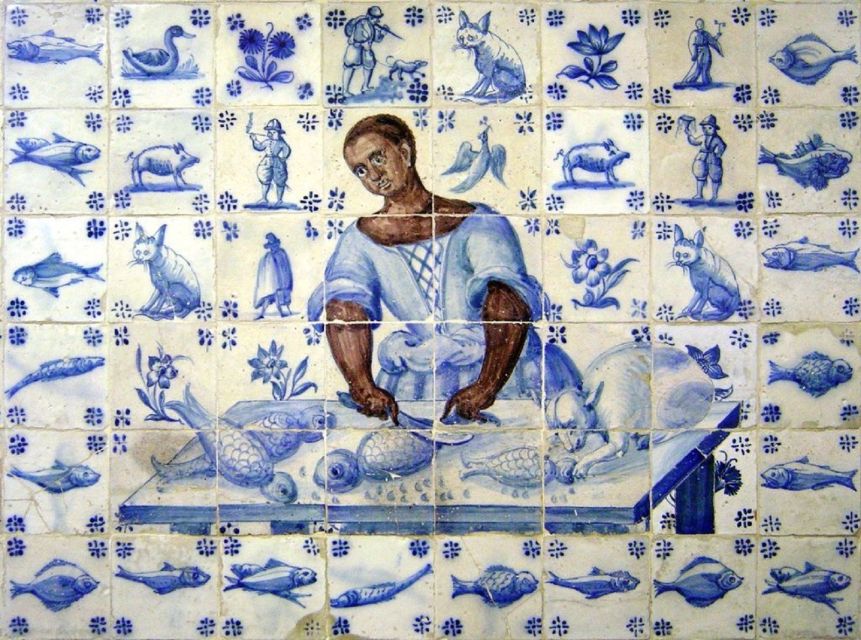
A lot of history tours stay at the level of dates, kings, and ships. This one goes further and talks about the day-to-day aspects of life for an enslaved person in historical Lisbon. That shift is powerful because it moves the topic away from abstract tragedy and toward the systems people were caught in.
The guide also covers the genesis of slavery in the Iberian peninsula and how ideas and practices fed into the Atlantic trade. Then he brings in what made Lisbon different in the story, including the way the city became part of the wider network that connected Africa, Portugal, and the Americas.
If you want your Lisbon experience to include real context, this is where it clicks. You stop treating the trade like a distant chapter and start understanding it as something that shaped communities, institutions, and everyday life. That is a rare thing to find in mass tourism.
Brazil, abolition in Portugal, and liberation struggles, the story keeps its momentum
The tour’s middle section leans into the importance of Brazil. Portugal’s colonial and commercial ties made Brazil a major destination in the wider Atlantic world, and the guide uses that connection to explain why the trade kept expanding. Instead of repeating a single storyline, he links different parts of the system so you understand how incentives and institutions reinforced each other.
Then comes abolition in Portugal, plus the broader context of Portuguese colonies in Africa. This part matters because it shows that ending a trade did not magically erase structures. You also hear about the struggle for liberation by African nationalists, which grounds the narrative in resistance, not only oppression.
That combination, trade plus aftermath, is one reason people rate this tour so highly. It helps you avoid a common trap: stopping at the “bad thing happened” moment and missing how history continued. By the time you finish, you have a clearer sense of why these events still echo in modern conversations about identity, memory, and racism.
More Portugal at a stroll:



How Rui Fernandes makes a hard topic feel organized, not overwhelming
The biggest difference between a “good history walk” and a memorable one is delivery. Here, Rui Fernandes gets praised again and again for being patient, turning questions into part of the lesson, and using clear, evenly paced English.
Multiple people mention that he uses visual aids like pictures to help you picture key points while you are walking. That matters because you can only keep so many abstract ideas in your head when you are also navigating streets. The visuals also make the explanations feel anchored, like you are not just imagining the past in the air.
There’s also a human touch. Reviewers talk about him remembering names, staying inclusive, and even finding shade during hot days. If someone connects personally to the topic, he handles it with sensitivity, not with awkward performance. That tone helps you stay present instead of shutting down.
One more detail worth sharing: the pace is often described as relaxed, and the guide manages timing so the group can absorb information without feeling rushed. For a 3-hour tour on a heavy subject, that is not a small thing.
The coffee break and Q and A, where the tour turns into your tour
You get one coffee and one WC break included. This is not just “a break to stretch.” It is built into the learning flow, so you can reset before the next set of topics.
If you are the type who likes to ask follow-up questions, this is where you should take advantage. The guide generally has time for questions throughout the walk, and that informal pause gives you a second chance to go deeper. People also mention he answered lots of questions without making anyone feel silly for asking.
Use the break strategically. If you plan to tour museums or historic neighborhoods after, ask about what to connect next. Since the tour covers Portugal’s role, you can steer the conversation toward other parts of Lisbon you will likely see later, and it can change what you notice in those places.
Value check: why $35 for 3 hours can be a smart buy
At $35 per person for a 3-hour guided walking tour, the value depends on what you want from Lisbon. If you want quick postcard snapshots, you can find cheaper entertainment. If you want a focused, specialized explanation tied directly to what you are walking past, this price starts making sense.
You also get several things that increase value beyond the guide’s time alone: a small-group size, a licensed local guide, and a structured narrative that addresses Portugal’s Atlantic slave trade role, including abolition and liberation struggles. Add in the included coffee and the restroom stop, and the tour feels more “real day experience” than “pay and leave.”
For me, the best value angle is that it changes how you see the city. The walking format ties facts to physical places, so you carry the learning with you long after the tour ends.
Who should book, and who might want a different day
This tour is a great fit if you want Lisbon to feel honest and historically grounded. It is also a strong choice if you like asking questions, because Rui Fernandes actively invites them and keeps the pace group-friendly. People even call it a highlight of their trip, which is a good sign given the topic is emotionally demanding.
You might choose a different option if you know you prefer purely celebratory sightseeing and would rather not spend three hours on the Atlantic slave trade and slavery’s aftermath. You can still enjoy Lisbon, but this walk asks you to hold the weight of history while you look at beautiful spaces.
If you are coming from another European history day and your brain is tired, you might want to schedule this when you have energy to think. The content is organized, but the subject matter is heavy, so fresh attention helps.
Should you book the 3-hour Lisbon Slave Trade walking tour?
Yes, I think you should book if you want your Lisbon experience to include Portugal’s role in the Atlantic slave trade in a way that connects to real streets and buildings. The small group size, the Q and A style, and the clear structure make it far more than a one-time “information dump.”
I would skip it only if you are specifically trying to avoid difficult history during your trip. Otherwise, this is one of those tours that can change how you walk through Alfama and the city center afterward. You do not just leave knowing facts. You leave with a lens, and Lisbon looks different in the best and hardest ways.
FAQ
Where is the meeting point for the tour?
Meet your guide at Largo do Chafariz de Dentro.
How long does the tour last?
The tour lasts 3 hours.
Is the tour in English?
Yes, the tour is conducted in English.
What group size should I expect?
This is a small-group walking tour with a maximum of 6 participants.
Is coffee included?
Yes, one coffee is included, along with one WC break.
Does the price include a guide?
Yes. The tour includes a live tour guide, plus local taxes and fees.
What should I bring, and what footwear is best?
Bring comfortable shoes, since it is a walking tour.
More Historical Tours in Lisbon
- Lisbon: Daytime or Sunset Boat Cruise with History and Wine
★ 5.0 · 1,053 reviews - Explore Lisbon by Tuk Tuk: History and Viewpoints
★ 5.0 · 840 reviews - Private Tuk Tuk Tour Through Lisbon’s Historical Streets
★ 5.0 · 734 reviews
What Lisbon sent us most recently
- 3 Hour Lisbon Private Guided Tour via Tuk Tuk
★ 5.0 · 116 reviews - Lisbon: Private Boat Trip, Guided Walking Tour, Bike & Tram
★ 4.8 · 116 reviews - Lisbon Market and Food Tour with Cooking Class and Lunch
★ 5.0 · 117 reviews - From Lisbon: Sintra and Cascais Private Day Tour
★ 4.8 · 117 reviews - Lisbon: Tagus Estuary Nature Reserve Birdwatching Boat Tour
★ 4.9 · 117 reviews - Lisbon: Private Half-Day Tour with Hotel Pickup
★ 4.8 · 117 reviews - Sintra Private Tour from Lisbon
★ 5.0 · 118 reviews - Pastel de Nata Cooking Class in Lisbon
★ 5.0 · 118 reviews
Walking Tours, compared.

Best of Lisbon Small-Group Guided Walking Tour
Read our review →
Porto Walking Tour, Lello Bookshop, River Cruise and Cable Car
Read our review →
Best of Lisbon Walking Tour: Rossio, Chiado & Alfama
Read our review →
Experience Porto’s Charm: 3-Hour Guided Walking Tour
Read our review →
Enjoy a Guided Levada Walk in the Rabaçal Valley
Read our review →Browse the lists this tour appears in