
Reviewed · WALKING TOURS
Porto: Jewish Heritage Walking Tour
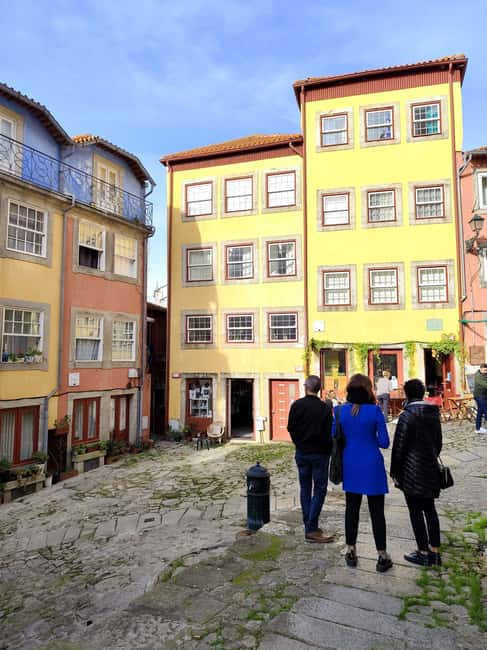
Porto hides Jewish clues in plain sight. This 3-hour Jewish Heritage Walking Tour threads through steep lanes and viewpoints, tying today’s streets to Jewish life that goes back to the 12th century. I like that you do not just hear names. You walk the geography where stories happened, including secret synagogues and the places where the community’s presence mattered.
I love the street-level storytelling, with stops around Sant’ana Street, Comércio do Porto Street, and S. Bento da Vitória Church that help you connect the Jewish past to what you see now. I also like that guides point out small details, including subtle markings and inscriptions on buildings, so the walk feels like real detective work, not a slideshow.
One consideration: you are in for a workout. Porto is hilly, the route includes steep streets and stairs, and the tour does not include an on-site synagogue or the Jewish Heritage Museum, so you should expect history and exterior sights more than interior visits.
In This Review
- Key things to know before you go
- Following Jewish Porto on foot, not from a map
- Start points: where your guide meets you
- Sant’ Ana and the early neighborhood story
- Comercio do Porto Street: when trade shaped the city
- Near S. Bento da Vitória Church: reading the landscape around power
- Miradouro da Vitória: the viewpoint that earns a stop
- Esnoga stairs: the route where the story climbs with you
- Parque das Virtudes and Virtudes garden: why finish on higher ground
- Captain Arthur Carlos de Barros Basto and the Kadoorie Mekor Haim link
- What the tour includes, and what it does not
- Who this is best for in Porto
- Price and value: $35 for a 3-hour, city-wide history walk
- Should you book this Porto Jewish Heritage Walking Tour?
- FAQ
- How long is the Porto Jewish Heritage Walking Tour?
- Where does the tour start?
- What language is the live guide?
- Are synagogues or the Jewish Heritage Museum included?
- Is the tour suitable for wheelchair users or mobility impairments?
- What should I bring for the tour?
Key things to know before you go
- Street-level Jewish history, starting from the 12th century and working through major turning points
- Secret synagogues and discreet community spaces, explained where you can actually see their setting
- Viewpoints built into the route, including Miradouro da Vitória and the finish at Parque das Virtudes
- Stairs and hills are part of the experience, so good shoes matter
- High guide energy and Q&A, with many departures led by names like Ricardo Silva, Pedro, Daniel, Maria, Vanessa, and Jorge
- You walk across multiple neighborhoods, which is great for context, but it means you should plan to stay with the pace
Following Jewish Porto on foot, not from a map
This is the kind of tour that changes how you read a city. Porto can look like it is all churches, tiled facades, and river views, but the Jewish story is built into the streets and the layout. You learn how a community formed, how it lived alongside Christians, and how later events reshaped daily life.
What makes this tour especially useful is the way it treats geography as evidence. When you stand in a lane, then climb the Esnoga stairs, then pause at a viewpoint, you get a sense of how people moved, where they gathered, and why certain neighborhoods became important. That matters, because a lot of what remains today is not obvious at first glance.
You will also notice that guides tend to connect the Jewish story to broader Portuguese history, including the long shadow of the Inquisition and the pressure that led some Jews to leave behind fewer visible signs. Some tours also connect the narrative forward, including how Jews fared during the 20th century and how the situation looks today.
More Walking Tours in Porto
- Porto Walking Tour, Lello Bookshop, River Cruise and Cable Car★ 5.0 · 3,354 reviews
- Experience Porto’s Charm: 3-Hour Guided Walking Tour★ 5.0 · 2,432 reviews
- Porto: 3-Hour Guided City Highlights Walking Tour★ 4.8 · 2,050 reviews
- Porto: Wine Tasting with Tapas Walking Tour★ 4.4 · 1,541 reviews
Start points: where your guide meets you
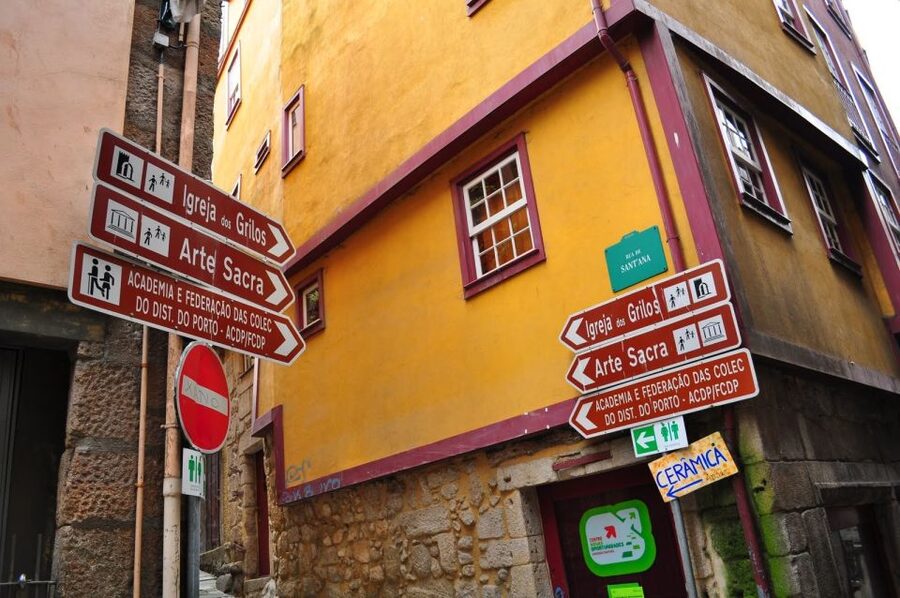
Your meeting point can vary depending on the option you book, with starting locations such as Pelourinho do Porto and Rua de Sant’ Ana. Either way, plan to arrive a few minutes early so you can get oriented before you head into the older streets.
From the start, you are already walking into the heart of the Jewish story, not a distant introduction. The route is designed to get you into narrow alleys, then up toward higher ground where you can appreciate Porto’s hilly layout. That is a big part of why the tour feels vivid. You are moving through the same kind of terrain that shaped how people lived.
If you hate steep streets, this might test you. But if you enjoy walking and you want history that feels real, this route does the job.
Sant’ Ana and the early neighborhood story
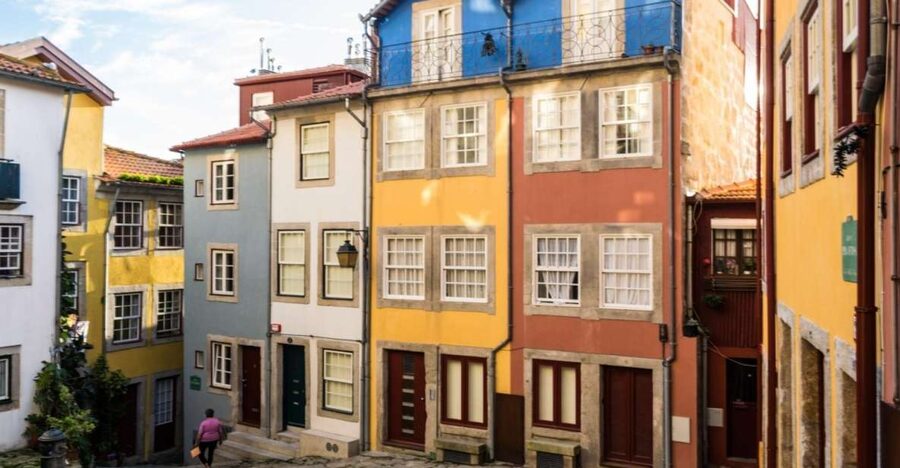
The walk begins on Sant’ Ana Street, and it quickly sets the historical tone. You hear how Jewish presence in Porto dates back to the 12th century, and you learn about coexistence between Jewish and Christian communities during that earlier period.
This opening is not just dates on a timeline. You get practical context for why a community could grow: local relationships, trade ties, and the social factors that allowed Jews and Christians to interact in everyday life. The tour also points toward where wealthier Jewish families settled, which helps explain why certain parts of town carried more influence than others.
Expect a mix of facts and human stories. Guides do a solid job answering questions, and that is one of the most praised parts of the experience in English-speaking groups. If you like asking why something happened, you’ll probably leave with clearer answers, not just more names.
Comercio do Porto Street: when trade shaped the city
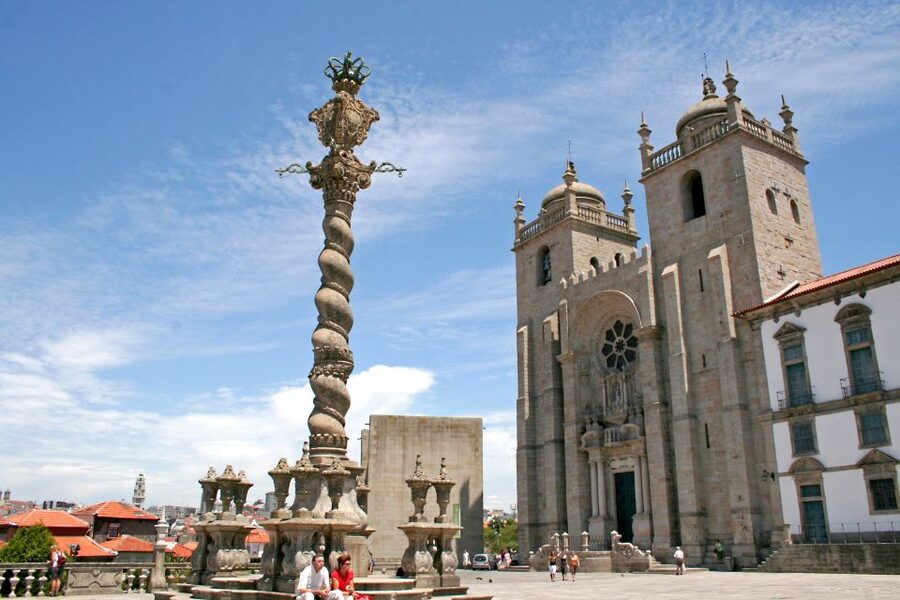
As you continue, the route brings you toward Comércio do Porto Street, one of the areas that makes sense for understanding commerce and connections. Even if you do not stop for a museum piece, the street context helps you imagine how communities interacted through work and trade.
This is where the tour’s narrative becomes more than local trivia. When you hear about good trade relations between Jews and Christians, you start to see how Porto’s economy helped support community life. It is the kind of historical detail that makes you look at a city block and think, who benefited, who traveled through here, who built networks?
You also get the feeling that guides know the small clues people usually miss. Several guests highlight that their guides spotted inscriptions or subtle marks on buildings, the kind of evidence you would never find alone.
Near S. Bento da Vitória Church: reading the landscape around power
The tour includes a pass by S. Bento da Vitória Church. Even though it is not presented as a Jewish site, it becomes part of your broader picture of how communities lived near major Christian landmarks.
This kind of stop helps you understand the pressure points in the story. Jewish life in Porto did not happen in a vacuum. It developed in the same streets where Christian institutions shaped social norms. And later, those structures influenced what Jewish families could openly do.
If you are the type who likes to connect religion, politics, and daily life, you’ll probably appreciate how the route uses visible places to explain less-visible history.
More Portugal at a stroll:

Miradouro da Vitória: the viewpoint that earns a stop
At Miradouro da Vitória, you get a photo stop and a real chance to catch your breath. More importantly, you get a sense of Porto’s vertical world. When you look out over the neighborhood from a height, Porto’s hills stop being a nuisance and start being a clue.
Guides use viewpoints for storytelling, not just scenery. You see how neighborhoods sit relative to each other and you better understand why stairs like the Esnoga stairs matter. It is easier to grasp the movement patterns when you can see the geography laid out below you.
If you have stamina issues, this is the moment where you can breathe, drink water, and regroup with the group before the next stretch.
Esnoga stairs: the route where the story climbs with you
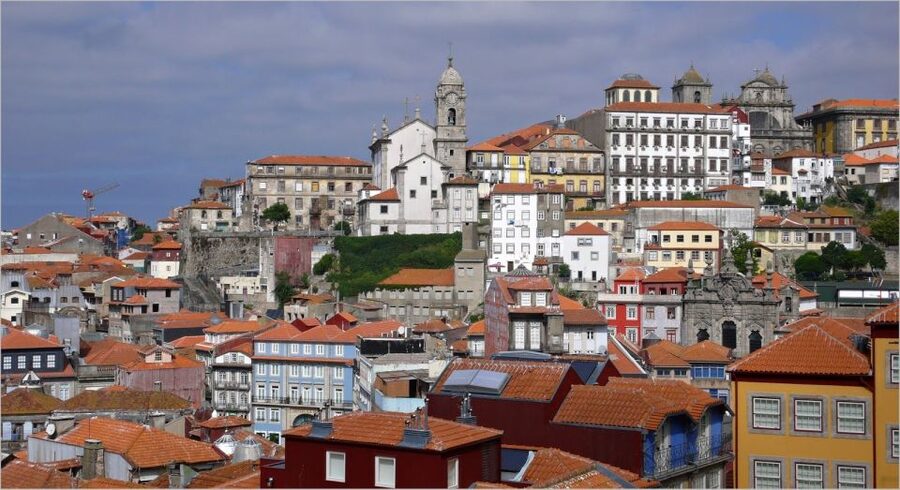
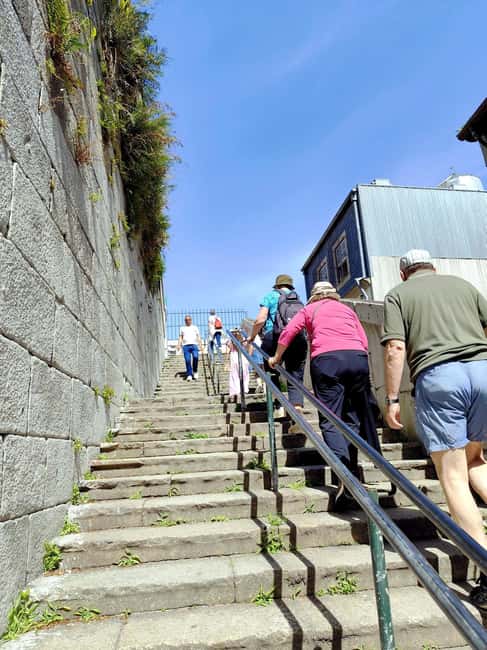
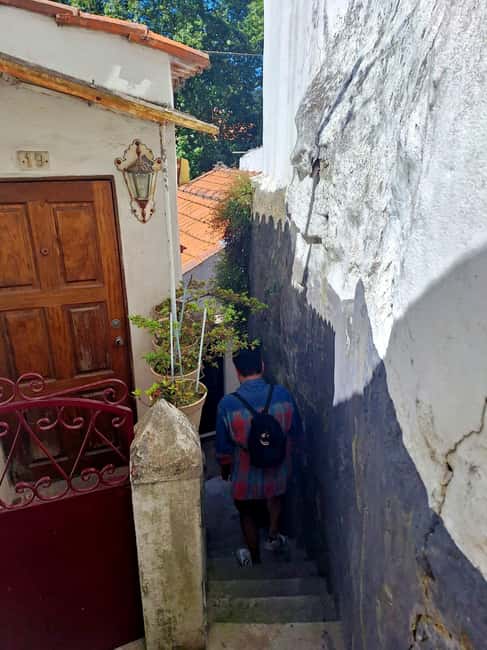
The tour includes going up the Esnoga stairs, a key moment because it physically connects the past to the present. Stairs in Porto are not decorative. They are part of how the city works, and on this walk they become a metaphor for the “layers” idea you hear in historical tours, but in a more concrete way.
As you climb, your guide ties the steep movement to community life, including where discreet religious spaces could exist and how people navigated the city. Even if there is little left to see in the way of intact buildings, the route helps you understand how something hidden could still be “there,” operating within the constraints of the era.
You’ll likely feel the climb more than you expect, so plan for that. Good shoes and a steady pace make a big difference.
Parque das Virtudes and Virtudes garden: why finish on higher ground
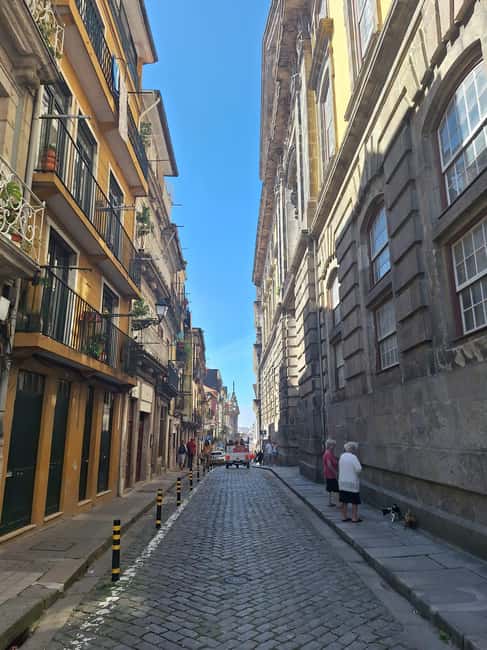
The tour includes stops around Parque das Virtudes and the Virtudes garden, with scenic time on the way. The finish at Parque das Virtudes is a practical win. You end where the air feels like it opens up, and you can sit for a moment if you need to.
This final stretch also helps the tour land emotionally. By the time you reach this area, you’ve heard about centuries of change, including shifts from relative coexistence to heavier pressure, and you’ve learned how the community’s visible presence faded over time.
The tour also references a place called Jewish Mountain. The key value here is that the tour tries to keep the story anchored to specific locations, even when physical remnants are limited. You are not left guessing. Your guide gives you a mental map to take away.
Captain Arthur Carlos de Barros Basto and the Kadoorie Mekor Haim link
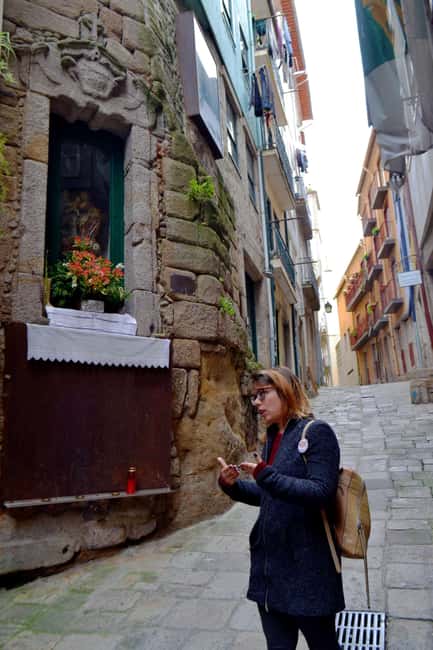
One of the most interesting narrative threads connects to Captain Arthur Carlos de Barros Basto, also known as Abraham Israel Ben-Rosh. The tour explains his role in helping shape Porto’s Jewish community and highlights his major contribution to the construction of the Kadoorie Mekor Haim synagogue.
This part matters because it shifts the story from “what happened long ago” to “how people rebuilt and organized.” It is a reminder that communities are not just historical footnotes. They regenerate, they build institutions, and they leave behind modern references that you can still track in Porto today.
If you want to understand the why behind later Jewish landmarks, this is a solid moment. You get names and roles, not just a general sense that change happened.
What the tour includes, and what it does not
This experience is a walking tour with a local guide, and it is designed for English and Portuguese speakers. It is also offered as a private group option.
What you should know up front: the tour does not include a visit to Porto’s synagogue or the Jewish Heritage Museum. You will learn where Jewish influence was strong, you will hear stories tied to synagogues and discreet spaces, and you will see where evidence appears around the city. But you will not go inside those specific venues as part of this experience.
That is not a dealbreaker. It can even be a good fit, because you are getting the street context that helps you understand what you might see later on your own. Just manage expectations if you were hoping for an interior synagogue visit during the 3 hours.
Who this is best for in Porto
You’ll probably love this tour if you:
- Enjoy guided walks where the guide helps you spot details you would otherwise miss
- Want Jewish history connected to real neighborhoods, not only museum exhibits
- Like asking questions and getting patient, thoughtful answers from your guide
- Prefer a focused 3-hour experience over a longer day
You might want to think twice if you:
- Have low stamina or mobility limits, since the route includes steep streets and stairs
- Want mostly flat, easy walking
- Need to include a synagogue interior visit in the same time block
Also, if you are traveling solo or in a couple, the format can be great. Many guests praised the small-group feel, which usually means more time for questions.
Price and value: $35 for a 3-hour, city-wide history walk
At about $35 per person for a 3-hour walking tour, the value comes down to one thing: the guide’s ability to make streets meaningful.
This tour leans on interpretation. You are paying for more than location pinning. You are paying for a guide who can connect Porto’s Jewish presence from the 12th century to later events like the Inquisition and the forced conversion pressures that changed how and where people expressed identity. You also pay for guidance through the hilly terrain so you can keep moving and still learn.
If you are the kind of traveler who likes to feel oriented fast in a new city, this price can feel fair because you get a framework for understanding neighborhoods, not just a list of sights. And if you plan to pair it with a later self-guided stop at a museum or a synagogue on another day, the walking tour becomes the context that makes those places click.
Should you book this Porto Jewish Heritage Walking Tour?
Book it if you want Jewish history tied to specific streets, stairways, churches, and viewpoints, and you are happy to learn mostly through stories and exterior clues. The route makes sense when you want a clear mental map of the neighborhoods, even if physical remnants are limited.
Skip it or choose a different format if you require minimal walking, cannot handle stairs, or you strongly want an included synagogue or museum visit during the same 3 hours. In that case, this tour can still be informative, but it may not match your expectations.
If you can do hills and you’re curious, this is one of the more memorable ways to understand Porto. You finish not just with photos, but with a sharper read of the city under your feet.
FAQ
How long is the Porto Jewish Heritage Walking Tour?
The tour runs for 3 hours.
Where does the tour start?
The meeting point can vary by option. It may start at Pelourinho do Porto or at Rua de Sant’ Ana.
What language is the live guide?
The live guide is available in English and Portuguese.
Are synagogues or the Jewish Heritage Museum included?
No. The tour does not include a visit to Porto’s Synagogue or the Jewish Heritage Museum.
Is the tour suitable for wheelchair users or mobility impairments?
No. It is not suitable for people with mobility impairments or wheelchair users, and it involves moderate walking with some steep streets.
What should I bring for the tour?
Wear comfortable shoes. Porto’s streets include steep sections and stairs.
More Historical Tours in Porto
- Douro Valley: Historical Sites, Wine Experience, Lunch & Cruise
★ 5.0 · 5,133 reviews - Porto: An Intimate Fado Show in a Historical Tavern
★ 4.8 · 2,055 reviews - Porto: Private Tour of the Historic City in a Ford T Car
★ 4.8 · 932 reviews
What Porto sent us most recently
- Douro Tour with Wine Tasting, River Cruise and Visit to Lamego
★ 5.0 · 118 reviews - From Porto: Full-Day Douro Historical Tour
★ 4.6 · 120 reviews - Porto: Sunset Cruise on the Douro River & Iconic Bridges
★ 4.1 · 122 reviews - 4-hour Guided Porto Pub Crawl with 6 drinks and VIP CLUBentry
★ 4.5 · 124 reviews - From Porto with view to Gaia: Private Bike Tour #DuckSideOfPorto
★ 5.0 · 124 reviews - Douro Valley Half-Day Tour with Winery and Lunch From Porto
★ 5.0 · 125 reviews - Porto Food Half-Day Tour
★ 5.0 · 124 reviews - MagicTrain Tour and Port Wine Cellar Visit & Tasting
★ 3.0 · 125 reviews
Walking Tours, compared.

Best of Lisbon Small-Group Guided Walking Tour
Read our review →
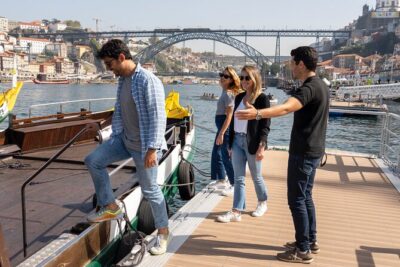
Porto Walking Tour, Lello Bookshop, River Cruise and Cable Car
Read our review →
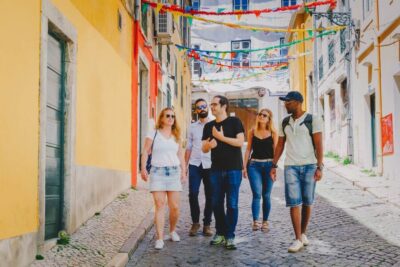
Best of Lisbon Walking Tour: Rossio, Chiado & Alfama
Read our review →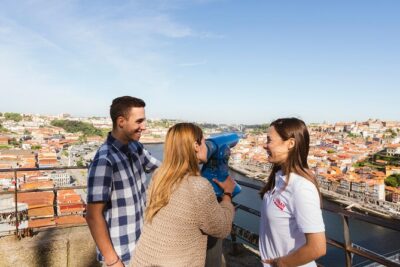
Experience Porto’s Charm: 3-Hour Guided Walking Tour
Read our review →
Enjoy a Guided Levada Walk in the Rabaçal Valley
Read our review →Browse the lists this tour appears in